Cats are sensitive to cold temperatures. During the winter, they require extra care to ensure they feel comfortable and stay healthy.
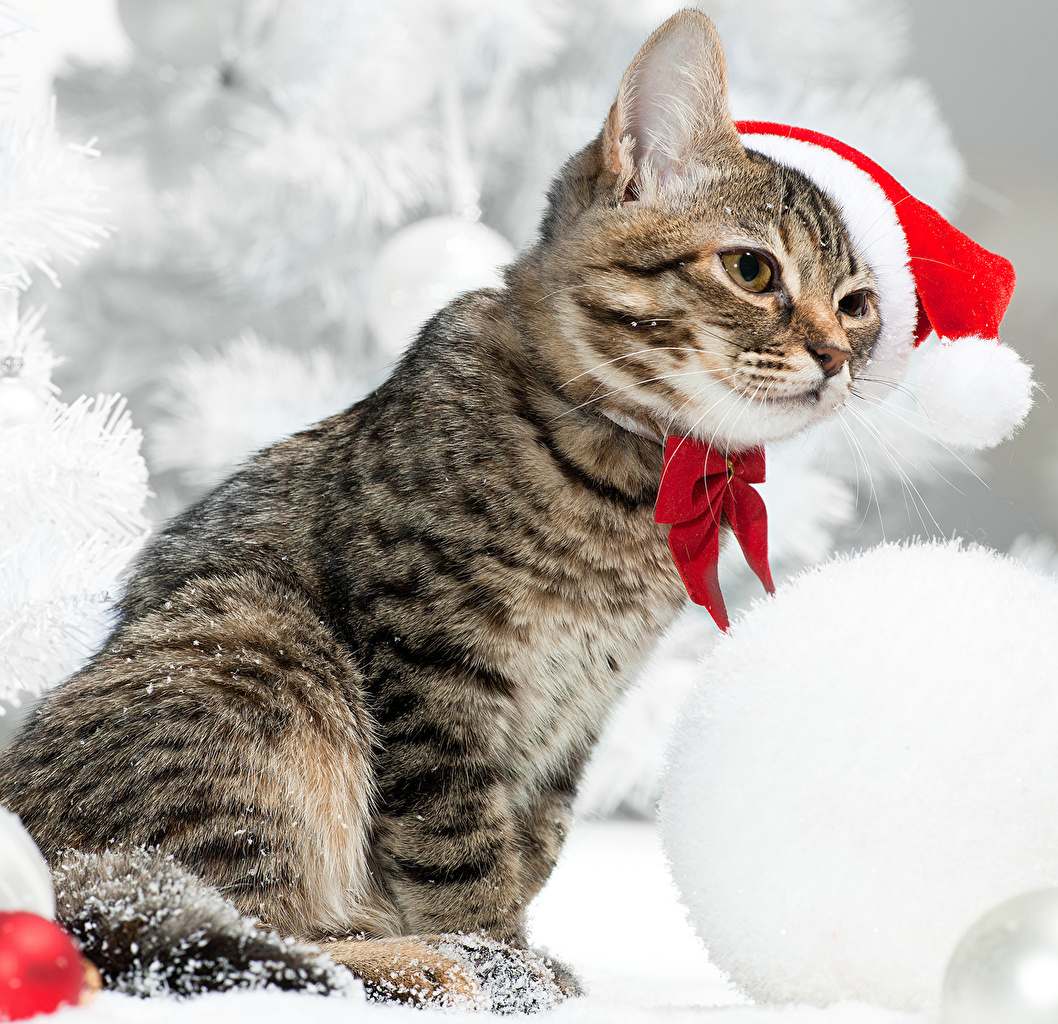
What risks await a cat in winter?
In addition to hypothermia, cats are exposed to the following risks in winter:
- Colds. These symptoms include sneezing and a runny nose. Thick, yellowish or green mucus indicates an infection. In this case, the illness may progress to bronchitis or pneumonia. Kittens and older cats are most susceptible to colds. Young animals have immature immune systems, and older cats have weak immune systems.
- Frostbite of the ears and extremities.
- Chemical burn from reagents sprinkled on the streets.
- Weight loss due to lack of calories.
- Dehydration. Cats eat more in winter, so they drink less fluid.
Winter walks
If a cat regularly goes outside in all weather conditions, it will grow a thick undercoat as cold weather sets in. A healthy, normal-weight cat will stay warm even in extreme cold. Allow the cat free access to the indoors. It senses when it's starting to get cold and returns to warmer surroundings.
Kittens or unhardened adult cats should be gradually acclimated to cold weather: let them outside for a few minutes at a time, increasing the time spent outdoors each day. If the cat gets wet or cold, dry it off and wrap it in a warm blanket.
If frostbite occurs, first aid is essential. Apply a warm compress to the affected area. Blistering and inflammation indicate severe frostbite. In this case, seek immediate medical attention.
Features of winter cat care
During the heating season, the air becomes too dry. Humidity in the room should be regulated. Dry air negatively affects the animal's respiratory system.
A comfortable temperature for a cat is 20-25 degrees Celsius. In winter, cats sleep more, preferring warm spots under a blanket or near a heating device. You can provide your pet with a bed near a radiator or buy a special hanging hammock. Hairless cat breeds require warm clothing.
Long-haired animals should be brushed regularly. Tangles and mats can disrupt thermoregulation.
Cat nutrition in winter
During cold weather, cats expend a lot of energy to keep warm, so they eat more. They need high-calorie food with a high protein and fat content. To prevent excess weight gain, they should be fed frequently and in small portions. Eggs, meat, organ meats, and dairy products should be added to their diet.
Cats need amino acids and micronutrients to thrive. Vitamins can be given to cats. A doctor should prescribe medication after an examination. Self-medication can be harmful to your pet's health. It's best to purchase vitamins from a veterinary pharmacy.
Sprouted oats, wheat, and barley are beneficial for cats. The greens contain vitamins and help remove hairballs. You can grow the grains on a windowsill in a small container filled with sawdust.
Cats are susceptible to risks during the cold season. With proper care, nutrition, and precautions, your pet will survive the winter comfortably and remain healthy.