Trimming a cat's claws is an important part of grooming. Cats' claws constantly grow, so they need to be worn down. If your cat lives in an apartment, this can be a problem for its owners. In this case, trimming the claws is the best solution. This article explains how to do this without harming your cat.
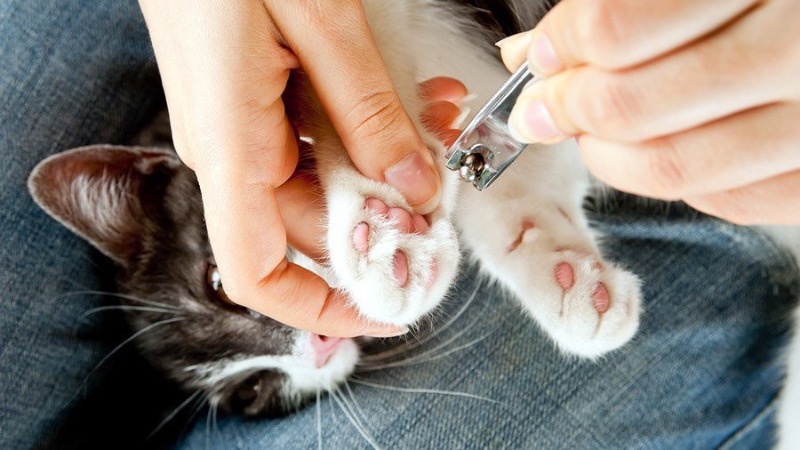
Before the procedure, wrap your pet in a blanket or towel.
If your cat hasn't been accustomed to having its nails trimmed from an early age, this can trigger a severe reaction. It may scream at the top of its lungs, scratch, and struggle. What should you do in this case?
You should calm your pet and speak to it gently. If this doesn't help and the cat remains aggressive, protect your hands from scratches with a large terry towel. Once you've securely restrained your pet, begin removing one paw at a time from the wrapped "cone," performing the procedure as carefully and quickly as possible. This method is particularly beneficial because it's very unlikely to cause pain to the animal. This could happen if you try to restrain it with your bare hands.
Be mindful of the quality of your hair cutting tools
The most common nail trimming tool among cat owners is a nail clipper. There are several types:
- scissors;
- guillotine claw clipper;
- pruning shears.
Scissors are a common manicure tool that's easy to use. The blades have a special curve on the inner, sharp surface. This curve is designed to comfortably position the nail.
A guillotine nail clipper is only suitable for adult pets with hard nails. If your pet's nails are prone to splitting, consider purchasing a clipper with a guard or regular nippers. You must know how to use a guillotine nail clipper correctly. Once the nail is clipped into the special space in the clipper, you won't be able to see it. Therefore, it's important to measure the length carefully to avoid trimming too much and causing bleeding.
A pruning shear-style nail clipper is considered a less exotic option for trimming cat claws. It resembles garden shears but is equipped with a safety catch and a limiter. These features are necessary to lock the tool when not in use and to trim the nails to a safe length.
The quality of the listed tools can be determined using the following indicators:
- A reliable and sharp blade. A guillotine would be the best option.
- Minimize trauma to your pet. Pruning shears are suitable for this.
- Conservative and familiar. The simplest and most convenient to use nail clippers here are scissors.
Also, when choosing a tool, consider two points:
- The tool blades must be made of stainless steel and sharpened securely and well.
- The handles of the tool should not cause you discomfort when using them: they should not slip or fit awkwardly in your palm.
Remember that a high price is not a sign of good quality. You can easily buy a nail clipper at a reasonable price and be satisfied with the quality.
Don't forget about your pet's sensitive nail area.
Before grooming your cat's paws, you should familiarize yourself with their anatomy. This knowledge will help you avoid unintentionally damaging the nerves and blood vessels located in the claws.
A cat's toe has several phalanges, the outermost of which bears the claw. The toe itself is composed of joints, bony structures, nerve tissue, muscles, and blood vessels. Tendons are responsible for retracting the claws, so they are invisible when relaxed.
The claw is sickle-shaped and consists of keratinized tissue and pulp. The pulp is located at the base. It contains numerous nerve endings and small blood vessels, giving it a light pink color. If you cut this part while trimming, your cat will feel pain and then bleed. The keratinized part of the claw is the colorless tip, which is constantly being renewed and worn down. You can safely trim this area, as your cat doesn't feel pain there.
When trimming nails, be sure to trim only the dead skin layer and avoid the pulp. To avoid this, it's recommended to leave a 3 mm gap before trimming.
Constantly praise and reassure the animal
It's not recommended to trim your pet's claws if they're aggressive, excited, or playful. Otherwise, they won't sit still, and there's a high risk of injury to both you and the cat. The key here is the mood of both the owner and the cat. The owner should be kind but firm, and the cat should be calm and well-fed. It's a good idea to talk to your pet before the procedure, reassure them, and pet them. Speak very gently to your pet, as cats sense and understand the tone of your voice.
Treat your pet with a treat after the procedure.
You should gradually acclimate your cat to claw trimming, rewarding her with a treat each time. She'll remember this and won't experience the procedure as intensely or painfully.
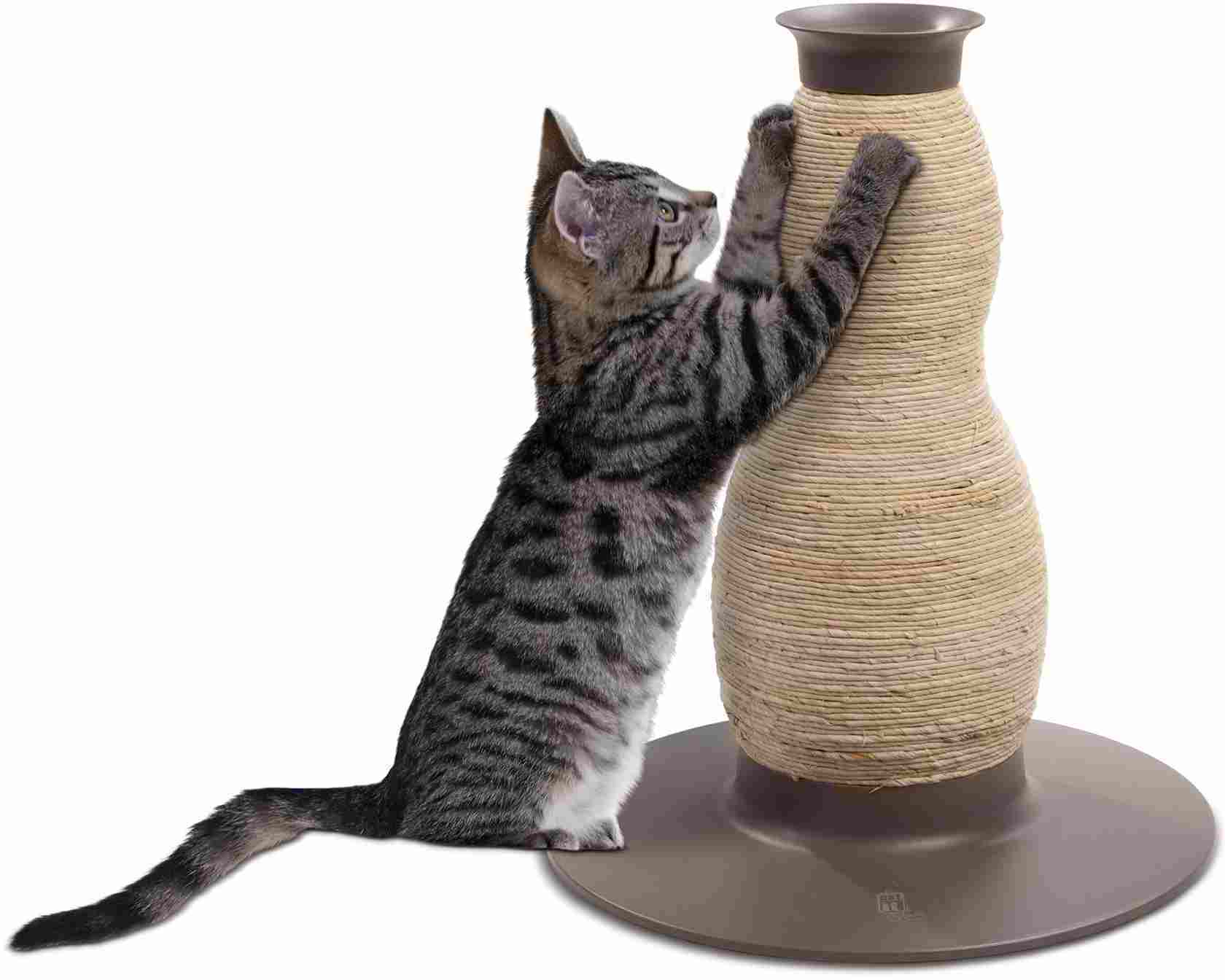
When she wants to sharpen the trimmed, blunt ends, immediately move her to the scratching post or post and encourage her to sharpen her claws there. Reward her with a treat, too. And don't forget to praise your pet for every small victory. This approach will be just as rewarding as a tasty treat.
This article covers five key tips to consider if you're considering trimming your pet's nails without causing stress. Most importantly, remember that if your cat spends all of its free time outdoors, it's best not to trim its nails. After all, outdoors exposes them to many dangers, which only sharp claws can protect them from.