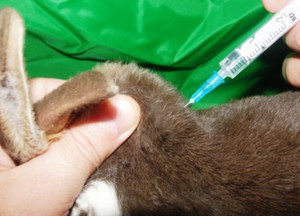
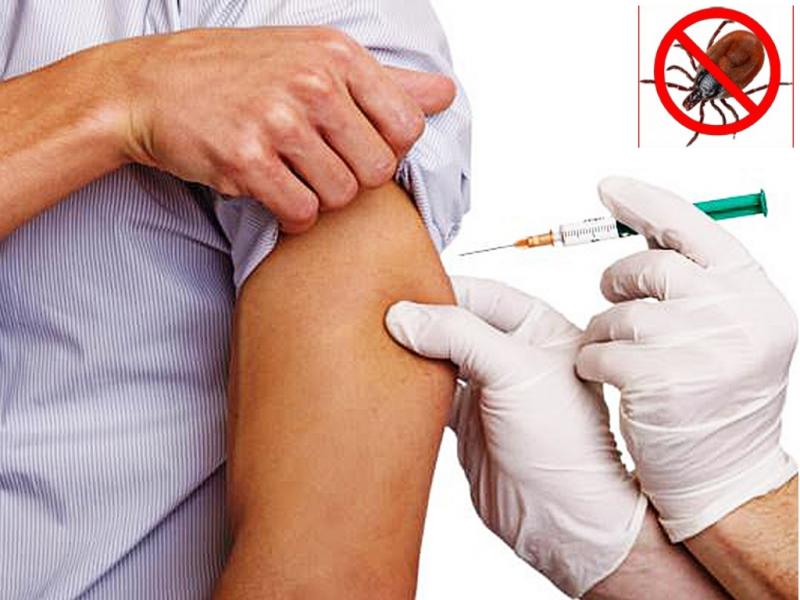
Vaccinations are essential for both outdoor and indoor cats. Even if a pet doesn't come into contact with other animals, an owner can still pick up an infection or virus on their clothing or shoes. Vaccinations will prevent dangerous diseases and save your cat's life.
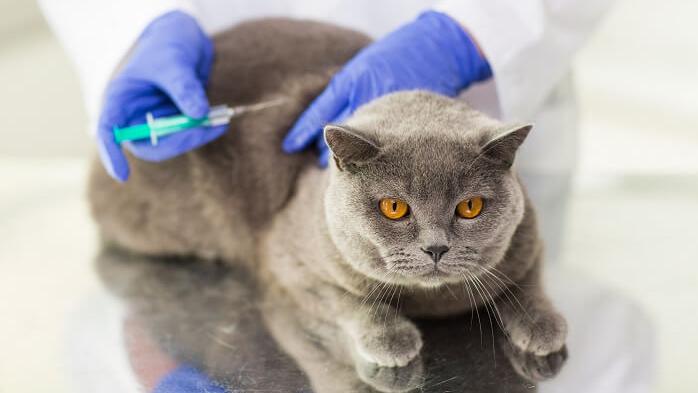
What vaccinations does a cat need?
The cat needs vaccinations against several dangerous diseases:
- Leukemia. This disease primarily affects young cats and kittens. It causes bone marrow destruction.
- Calicivirus. This infectious disease has a mortality rate of over 80%.
- Panleukopenia (distemper). The disease is difficult to treat and leads to rapid death in 95% of cases.
- Rhinotracheitis.
- Chlamydia. This disease affects the respiratory, genitourinary, nervous, and visual systems. It is difficult to treat and dangerous to humans.
- Rabies. A fatal disease with no cure.
- Lichen.
Vaccinations against rabies, calicivirus, rhinotracheitis, and panleukopenia are mandatory. Animals cannot be transported abroad without these vaccinations. A veterinarian will select the appropriate vaccine for each individual animal. Vaccinations are administered according to a schedule.
| Name of the disease | First vaccination | Revaccination |
| Rabies | 3 months | — |
| Calicivirus | 8 weeks | 12 weeks |
| Panleukopenia | 8 weeks | 12 weeks |
| Rhinotracheitis | 8 weeks | 12 weeks |
| Leukemia | 8 weeks | 12 weeks |
| Chlamydia | 12 weeks | 16 weeks |
| Lichen | 8 weeks | 10 weeks |
Revaccination against all diseases is performed annually. Modern combination vaccines are used in veterinary medicine. A single injection provides protection against several diseases.
How to prepare a cat for vaccination
The animal must be healthy before vaccination. The vaccine has the opposite effect on a weakened body, causing the cat to become ill or even die. Before vaccination, it is necessary to treat the animal for internal and external parasites. To get rid of fleas, apply drops to the withers, preferably without fipronil. This substance is toxic and causes poisoning if ingested.
Deworming is recommended after a stool analysis. Preventative anthelmintics should not be given as a preventative measure, as they have a negative impact on the body. Based on the diagnostic results, the veterinarian will select an effective deworming treatment depending on the type of parasite. Blood tests are performed to rule out chronic and infectious diseases. It is recommended to keep the cat away from other animals for two weeks prior to vaccination.
In what cases is vaccination contraindicated?
Vaccination is contraindicated in the following cases:
- Age up to two months, since kittens have not yet developed immunity and lymphatic system.
- Within two weeks of exposure to an infected animal. After this period, your pet can be vaccinated if no signs of illness appear.
- Signs of a cold (runny nose, runny eyes).
- Flaking skin indicates the presence of microsporum fungus. This fungus weakens the animal's immune system.
- Pregnancy and feeding of kittens.
- One month after surgery.
With proper preparation and following the recommendations, vaccinations have no side effects. Vaccination will prevent disease and save your cat's life.