Houseplants add a cozy and fresh feel to your home. But they're not always safe for other pets. Pets' habit of chewing leaves can have serious consequences. Pet owners should be aware of the list of plants poisonous to cats.
Aloe
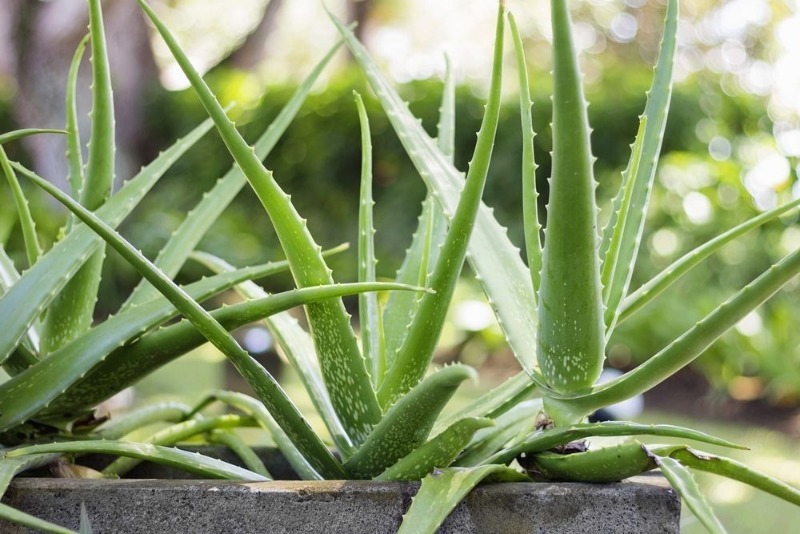
This unusual-looking plant has many beneficial properties for humans, but for cats it can cause serious health problems.
Aloe juice is toxic, and the first symptom to look out for in case of poisoning is diarrhea. This may be followed by vomiting, general malaise, impaired coordination, and even seizures.
Geranium
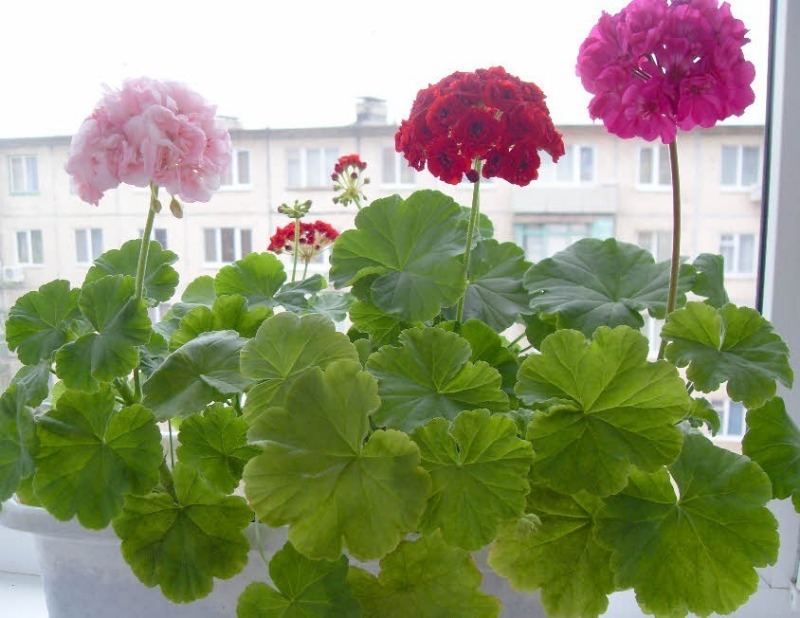
A very common plant in many apartments, it contains dangerous substances: linalool and geraniol. They can cause skin inflammation, loss of appetite, depression, and digestive upset. Red geranium leaves are especially dangerous for furry cats.
Hibiscus
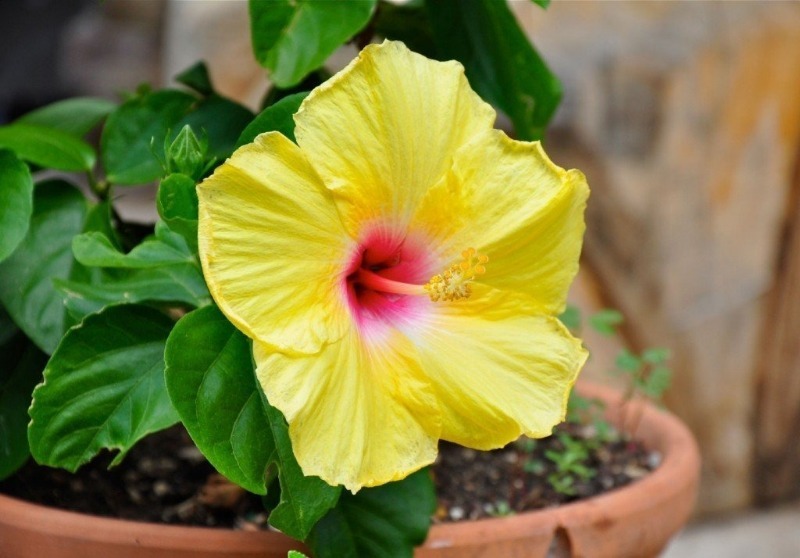
When in bloom, the Chinese rose delights the eye with its beautiful multi-colored buds. However, hibiscus is considered toxic to animals. Its toxic effects remain unknown, as does the specific substance that causes the adverse reaction. However, reactions do occur, primarily gastrointestinal problems (nausea, diarrhea).
Hydrangea
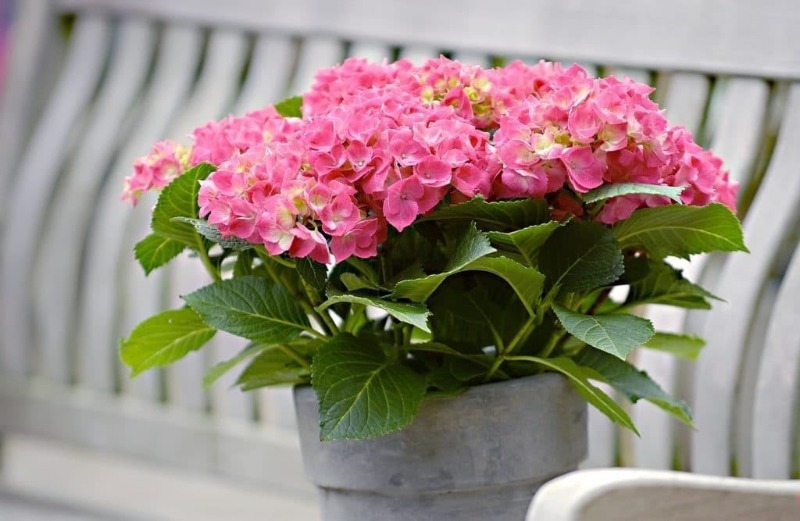
The flower contains cyanide ions, which are released when in contact with saliva. When ingested, cats experience stomach pain, similar to the body's reaction to cyanide poisoning. Seizures have also been reported, indicating complications with the lungs or heart.
Kalanchoe
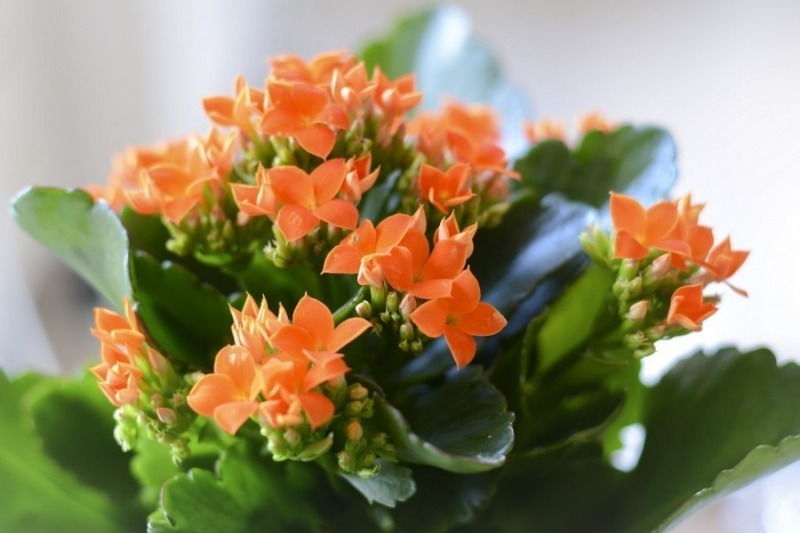
The substances contained in this beautiful flower are dangerous to humans, but they wouldn't eat it, which is not the case with cats. Consuming the plant's juice can cause cardiac problems, including irregular heartbeats. Gastrointestinal disturbances have also been observed.
Spathiphyllum
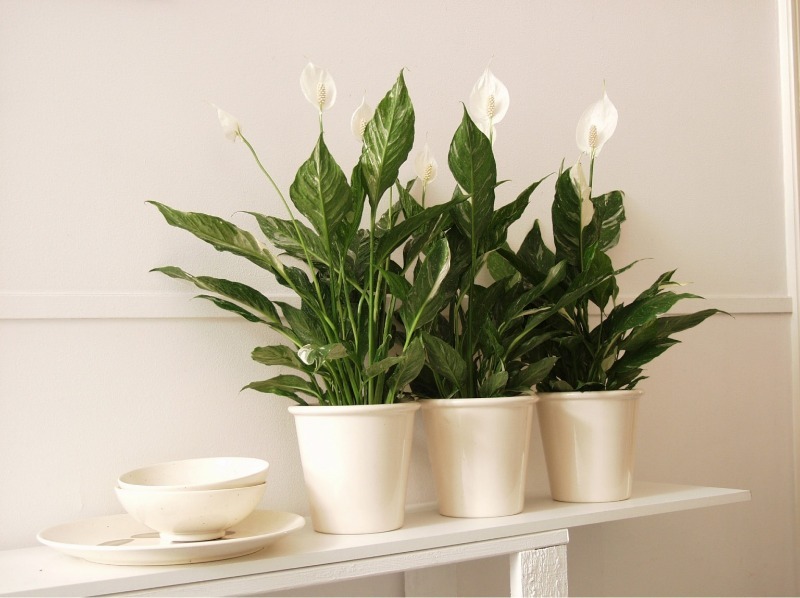
Contains a toxic substance. The plant's chemical components, when interacting with the body, cause red blood cells to divide. A cat that eats the leaf will suffer from a burning sensation in the respiratory tract, intestinal inflammation, and diarrhea.
If a cat owner notices the symptoms described above, they should immediately consult a veterinarian. The clinic will perform a gastric lavage and prescribe the necessary treatment. Sometimes, not only the cat's well-being, but also its life depends on you.
Cats love to play with flowers and nibble on them. Therefore, veterinarians recommend keeping poisonous plants away from animals or removing them altogether.