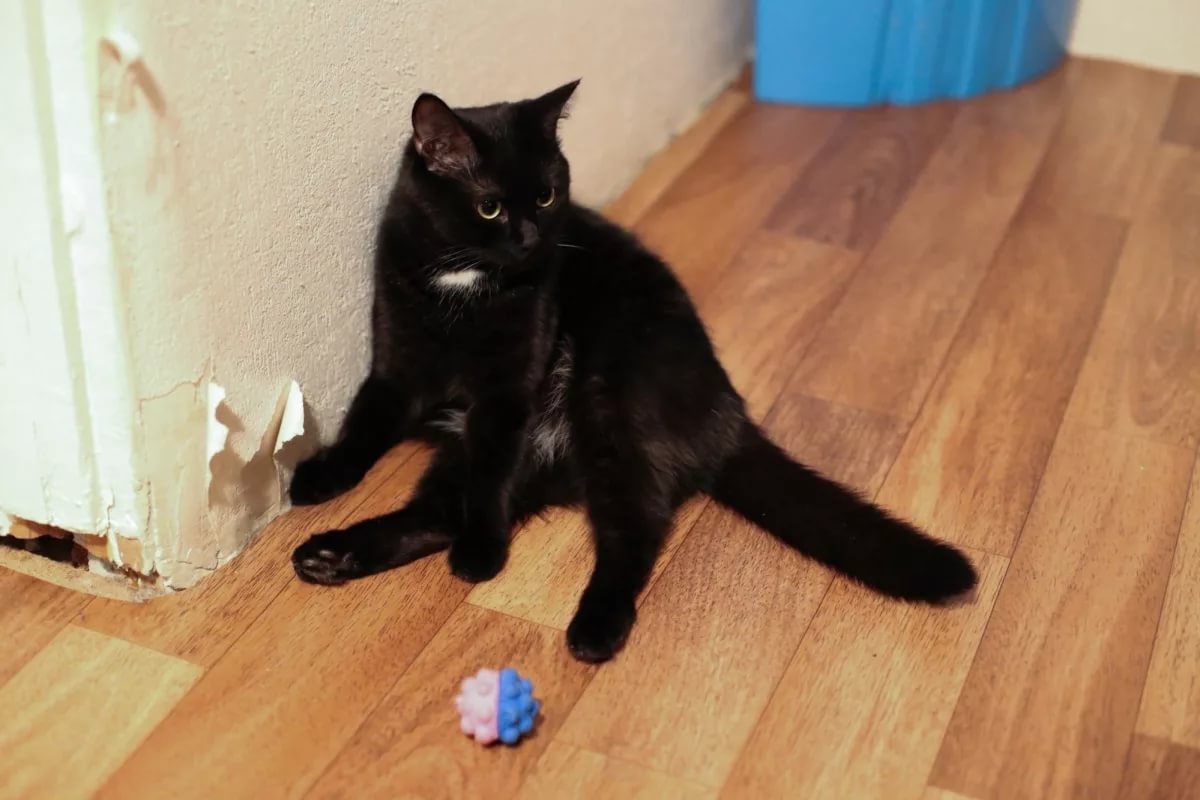
Is your furry friend's footprints all over your house? Tired of constantly changing your wallpaper? In this article, we'll tell you how to permanently break your cat's habit.
Set up a scratching post for your cat
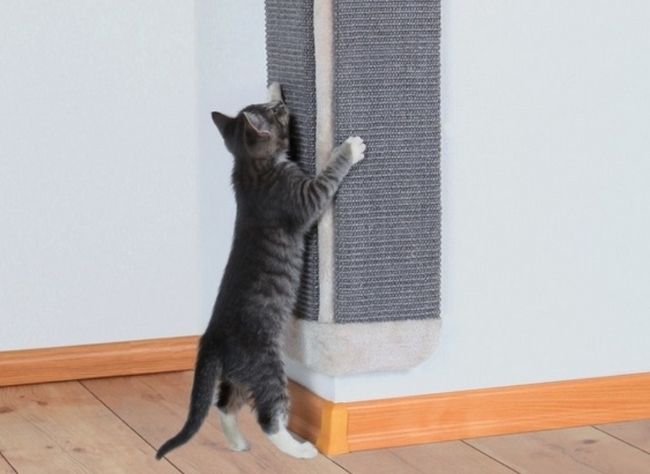
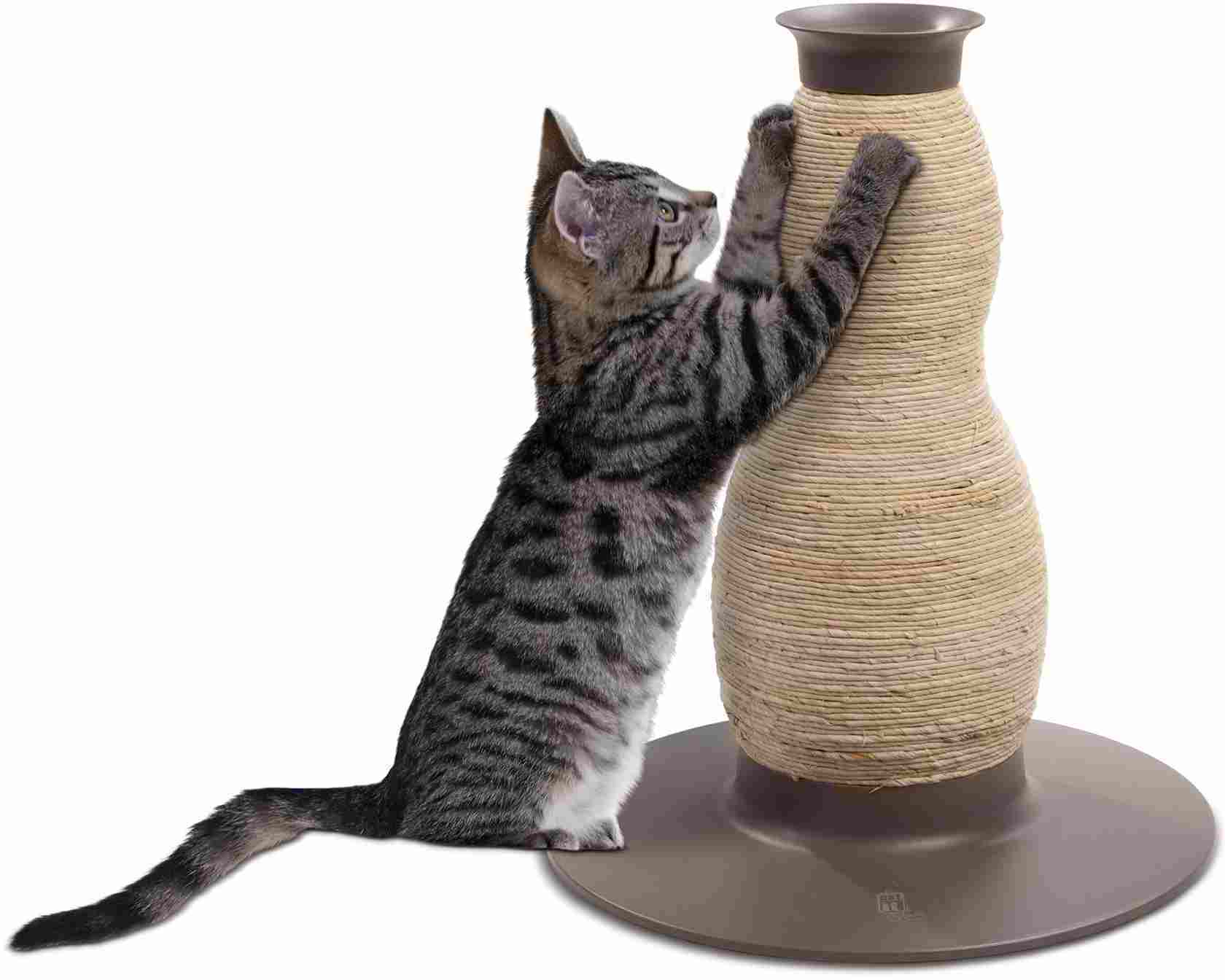
To break your pet's bad habit, focus their attention on a scratching post. You can buy one at the store or make one yourself. Wrap the scratching post in jute or carpet—or any material your cat enjoys scratching.
It's a good idea to place the scratching post near your pet's sleeping area. Kittens love to sharpen their claws after waking up. Alternatively, place it where your pet likes to play. That way, it'll be readily visible.
Cats usually easily switch from wallpaper and furniture to scratching posts. But some cats never get used to them. To promote habituation, experts recommend adding a few drops of valerian or catnip to the scratching post. This will attract the cat's attention. You can place more than one scratching post in different locations.
To help your pet understand the purpose of this device, set an example. In your pet's presence, squat down in front of the scratching post and scratch it with both hands, mimicking your pet's movements. Soon, your cat will remember where to sharpen its claws.
If you set aside a small amount of money from your budget to purchase a convenient scratching post, you will no longer have to spend money on new wallpaper.
Trim your pet's claws regularly.
You can trim your cat's claws with special clippers. This will prevent them from damaging wallpaper and furniture for several days. However, you also need to trim them correctly:
- Do not use dog nail clippers.
- Cut at a special angle.
The cat won't appreciate this procedure. However, the effect will be noticeable, albeit temporary. It's recommended to trim the claws every two weeks.
Veterinary clinics offer declawing services. However, this method is brutal. After the surgery, wounds take a long time to heal. The cat itself experiences discomfort and may have poor balance. In reality, declawing is the amputation of the upper phalanges of the cat's toes. After the surgery, the cat will be disabled for life.
Use repulsive scents
Our pets are small predators. Scents are a kind of language for them, helping them navigate, communicate, and mark their territory.
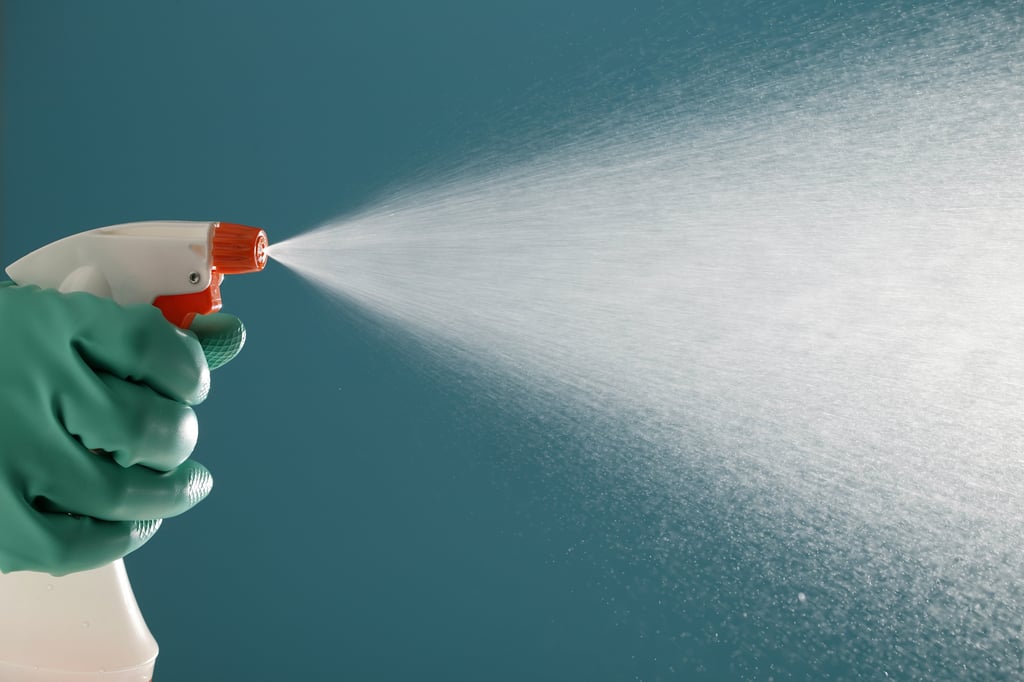
You can discourage your cat from tearing wallpaper using scents. Treat it with special sprays from the store. But you can also use home remedies:
- Onions and garlic. Their phytoncides irritate animals, causing cats to avoid areas with the odor.
- Eau de toilette and perfume. Cats don't like perfumes in general. But some perfumes work well on them, while others don't. Choosing the right scent should be done individually.
- Vinegar will repel the animal and remove natural, not very pleasant cat odors.
- Any citrus scent works well for cats. They'll stay away from wallpaper treated with it, especially lemon-scented ones. Essential oils, as well as fruit juice and peels, can be used. Alternatively, mix eucalyptus oil with any citrus essential oil, add water, and gently spray onto furniture and wallpaper. This will stop your cat from scratching inappropriately.
Scents can temporarily stop wallpaper from deteriorating, but they won't solve the problem. Animals need to be satisfied, so owners should create comfortable and convenient living conditions.
 Yoika
Yoika
1 comment