 A cat in the home is always a piece of warmth and joy, because only a beloved pet can brighten lonely days or become a loyal member of a close-knit family. But with the arrival of a pet comes new responsibilities and challenges for owners.
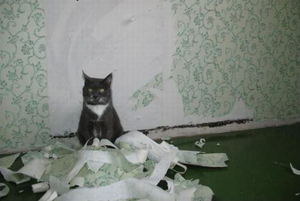
No one is immune to the possibility of returning home from work to find a broken vase, a ripped tablecloth, scratches on the floor and furniture, or damaged wallpaper. Therefore, before getting a pet, it's best to understand your cat's nature and minimize the damage caused by their mischief.
Why does a cat scratch wallpaper or furniture?
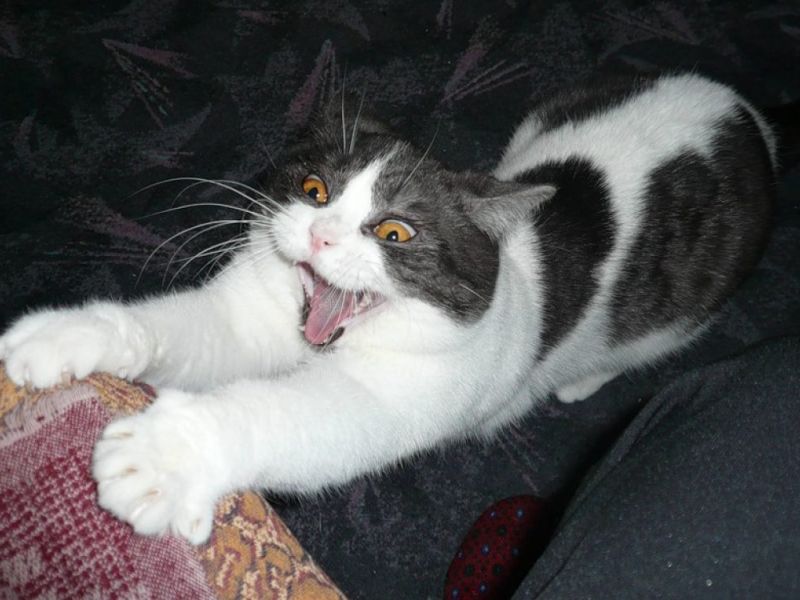
First, you need to figure out why your cat is partial to wallpaper or furniture and constantly scratches it. This is not an excess of pet pampering and not a way to irritate the owner. This behavior of the animal is caused by a number of understandable reasons:
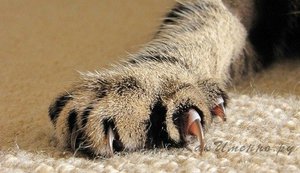
- A cat's claws grow continuously, accompanied by the shedding of unwanted growths. The animal then begins sharpening its claws to quickly remove the excess growths;
 Cats have glands under their paw pads that secrete special pheromones to mark their territory. A centuries-old natural instinct compels cats to mark their territory to avoid encroachment by strangers;
- Another important issue can be improper cat training. If a pet grows up without a mother cat, it doesn't know where to go to the toilet or where the scratching post is. Now, only the owners can teach it proper behavior;
- The cat's behavior may be affected by the presence of another family member nearby or a sudden change in the environment.
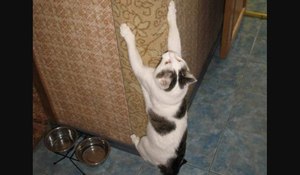 Cats have glands under their paw pads that secrete special pheromones to mark their territory. A centuries-old natural instinct compels cats to mark their territory to avoid encroachment by strangers;
How to stop a cat from scratching wallpaper
The main question still remains relevant. Let's list the methods that will help owners keep their wall finishes intact.
Some cat owners take drastic measures and give their pet a manicure or completely remove their nails.maximum concentration is important hereTo avoid damaging nerves or blood vessels during the procedure, it's best to consult a veterinarian in this case.
In the future we will talk about more humane methodsHow to stop a cat from scratching wallpaper.
Installation and manufacturing of a scratching post
Installing a scratching post isn't particularly difficult. Just visit your local pet store, buy the one you like, and attach it to the wall. The device does not take up much space and is unlikely to spoil the surrounding decor.
Installation features:
- The scratching post must be securely fixed: any shifts in the future will scare the cat away;
- When choosing a location for a new structure, it is better to choose a place where your pet has developed a love for tearing up the wallpaper;
- After installing the structure, it is recommended to spray it with valerian or a similar agent to attract the animal.
 The scratching post must be securely fixed: any shifts in the future will scare the cat away;
In the case of a kitten, there will be fewer problems in weaning it off the wallpaper and only using a scratching post. During the game With a small pet, it is enough to place its paws on the device several times and move it up and down with light pressure so that the claws catch on the material.
Using sprays and products that are unpleasant for cats
- Cats are gifted with an amazing sense of smell, so it's no surprise that they find some odors repulsive. It's long been noted that many cats can't stand the scent of certain citrus fruits. Therefore, one way to discourage your pet from scratching wallpaper is to place orange, lemon, or tangerine peels near areas where the walls have been repeatedly attacked.
- A similar result can be achieved by spraying your cat's favorite spot with a strong-smelling solution. A vinegar solution works well in this case.
- A more effective option is a special repellent spray, sold in convenient spray cans at pet stores. After purchasing, be sure to read the instructions and apply the spray to the wall according to the instructions. Using the spray will cause your cat to salivate more, but don't panic—this is a normal reaction of the salivary glands to the unpleasant taste. Your pet's condition will stabilize within a few minutes.
Other ways to solve the problem
- Cats typically choose one spot for scratching. To move your pet's "manicure" routine to a designated area, it's recommended to take a small board, cover it with wallpaper that matches the existing wall, and attach it to the wall. If your cat sees marks on the scratching post in the future, move it slightly. Continue gradually until the post is in the desired location.
- Temporary changes to your home's decor can help stop your cat from scratching walls. Simply cover your cat's favorite area with furniture for a couple of weeks, and the urge to scratch the wallpaper will disappear.
- There's always the option of sticking strips of tape on the back of the cat's paws to the area where the cat is constantly attacking, as the animal is unlikely to enjoy rubbing its paws on the sticky surface.
- Some animal lovers consider their pets' needs even during the renovation phase. Along with wallpaper, they purchase carpeting. The material is then used to finish the lower portion of the wall. This option is both aesthetically pleasing and perfectly acceptable for cats.
- If your cat has taken to scratching a corner, then fixing the board and rearranging the furniture seems difficult. There is still a solution: removing the old wallpaper and finishing the corner with decorative stone.
- Another option to protect your wallpaper from damage is to purchase special "Anti-Scratch Caps" for your cat at a pet store. These are a set of caps that mimic the contours of a cat's claws. The material and adhesive used in these caps are completely safe for pets. The artificial claws will last about two months and will peel off along with the dead scales, so the entire procedure will need to be repeated.
 Cats typically choose one spot for scratching. To move your pet's "manicure" routine to a designated area, it's recommended to take a small board, cover it with wallpaper that matches the existing wall, and attach it to the wall. If your cat sees marks on the scratching post in the future, move it slightly. Continue gradually until the post is in the desired location.
And finally, never forget to reward your pet, after he used the scratching postAnd under no circumstances should you panic or scold the cat for the damage it has caused – yelling won't help.