Dogs are considered the most intelligent animals and man's best friend. Sometimes it seems they not only sense their owner's mood and recognize certain commands, but also understand their speech. It remains to be seen whether we are able to "read" our pets just as well.
The mouth is slightly open in a "smile"
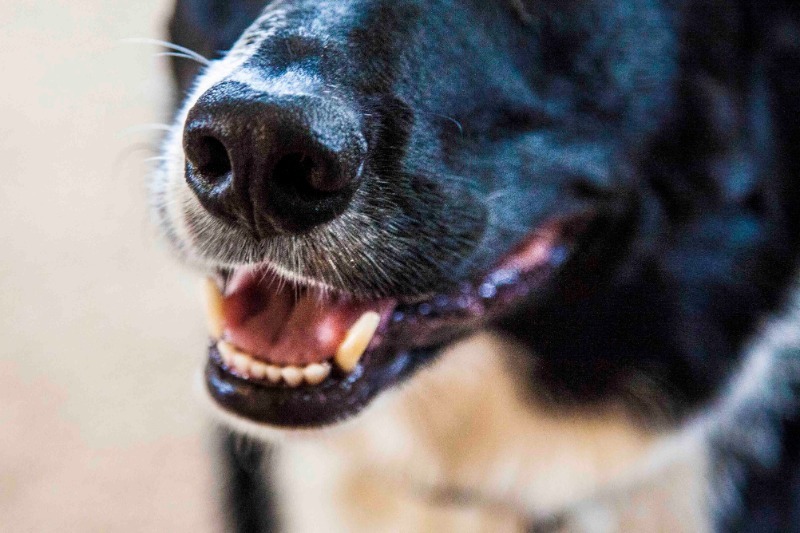
We often mistake this expression on our pet's face for happiness, as it looks like the dog is smiling at us. However, a slightly open mouth is one of the signs of overheating and a sign that it's time to give your four-legged friend some water.
The situation may be more serious if you experience the following symptoms:
- hot nose;
- rapid pulse;
- dark tongue;
- increase in temperature;
- dizziness;
- vomit;
- immobility;
- loss of consciousness.
All of these signs point to heat stroke. If any of these conditions are met, the dog's temperature should be taken immediately. In dogs, it should be 38-39 degrees Celsius.
If the temperature is 40-42 degrees Celsius, immediate action is required. First aid for heat stroke is immersion in water. It should never be ice-cold, as this can cause blood vessel spasms. Pour the water over the pet's abdomen and armpits, spray the mouth, and place a wet towel over the pet's head. Do not cover the entire dog with a towel—this will only slow down the cooling process. Afterward, seek immediate veterinary attention.
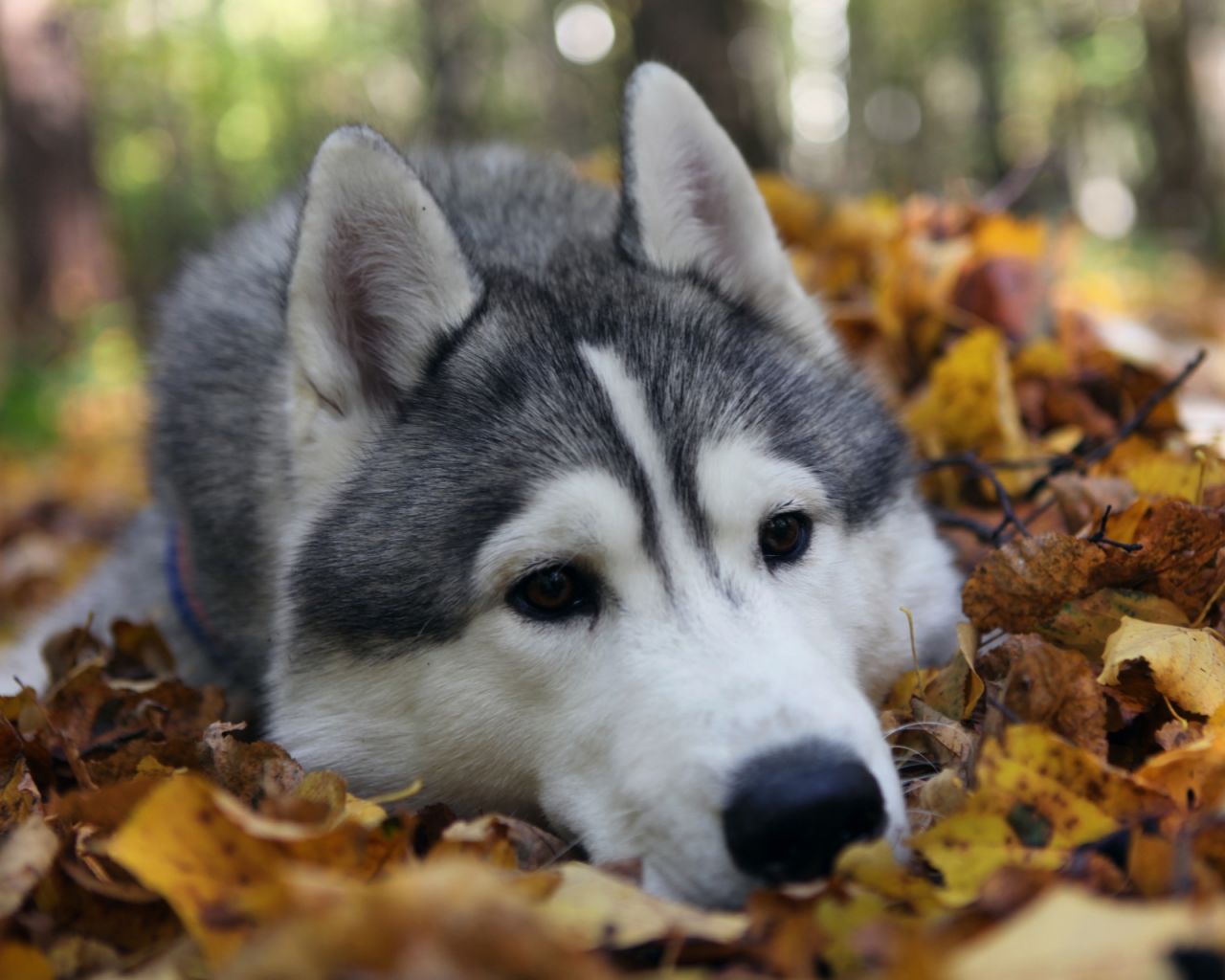
The dog squints
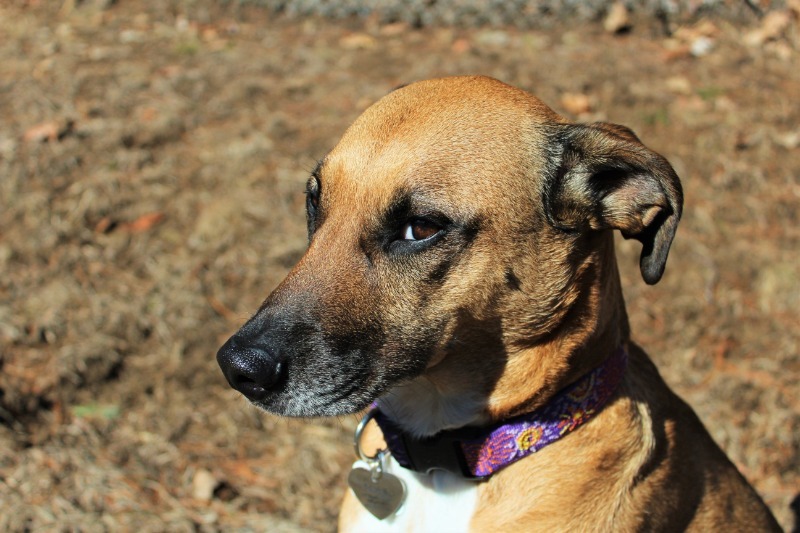
Almost everyone believes that a dog's slight squint is a sign of happiness. Perhaps this belief is inspired by cartoon characters and emojis. In dogs, this expression can be observed when they feel fear.
If the animal squints and approaches you, it's friendly. In this case, there's no reason to worry. You'll likely be able to establish contact with this dog.
However, squinting isn't always a sign of friendliness; sometimes it's a sign of aggression. If an animal squints and backs away, you can be sure it has no intention of making friends. Consider your safety and avoid approaching the dog in this state, as it may attack you.
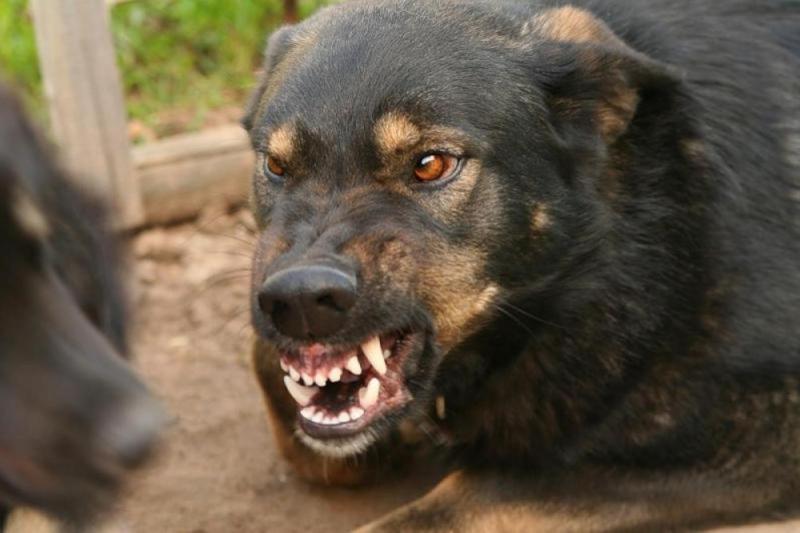
The dog shows its teeth clenched
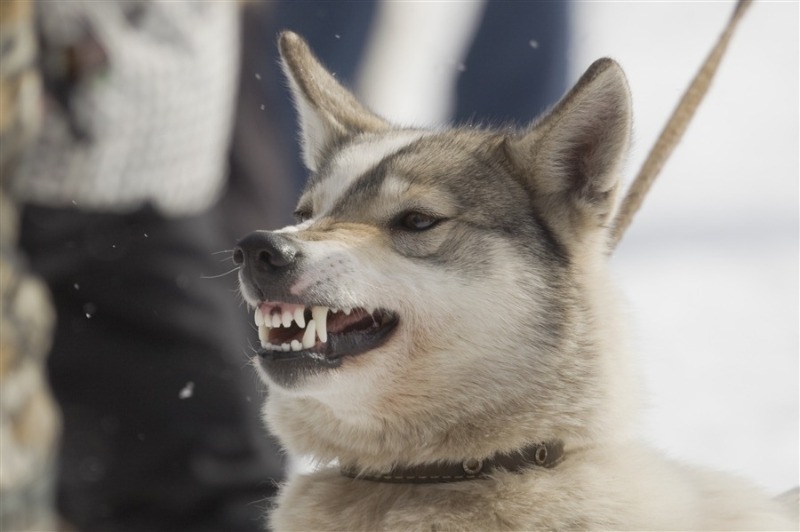
In humans, baring teeth is considered a smile, as grinning isn't natural for us. A dog, however, is a predator, and its emotions are very different from those of humans. So if you notice an animal looking at you and "smiling," baring its fangs, you should take immediate precautions.
There are not many reasons why a dog might decide to attack: it could be sick, suffering from hunger, protecting its offspring, or guarding its territory.
The first situation is considered extremely dangerous, as an attack is inevitable, and you'll have to defend yourself. Never attack first. Your goal is to peacefully disengage from the animal without getting hurt. Don't run away or yelp (these actions will only indicate the dog's dominance). Speak confidently, but try not to look the predator in the eye. For defensive purposes, it's advisable to have an object in your hand (a bag, rocks, an umbrella, a bottle, etc.). However, don't rush into using your weapon immediately, as it's primarily used to demonstrate your strength and readiness to fight back. At this stage, there's a chance the dog will retreat.
If your pet is baring its teeth at you, leave it alone. Dogs need their personal space too. Respect your pet and don't pester them when they show you these signs.
Don't ignore your four-legged friend; pay attention to their facial expressions and behavior. A dog's mood can be determined by more than just whether their tail is wagging. Dogs are also capable of feeling: happiness, sadness, or anger. Learn to notice the slightest changes in your pet's behavior and you'll have the most loyal and loving companion.
 Name N-sky
1 comment