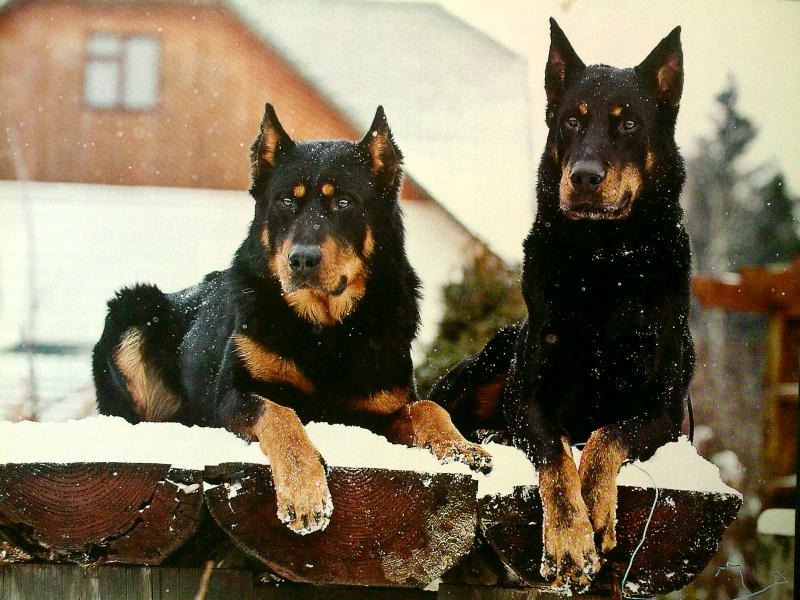
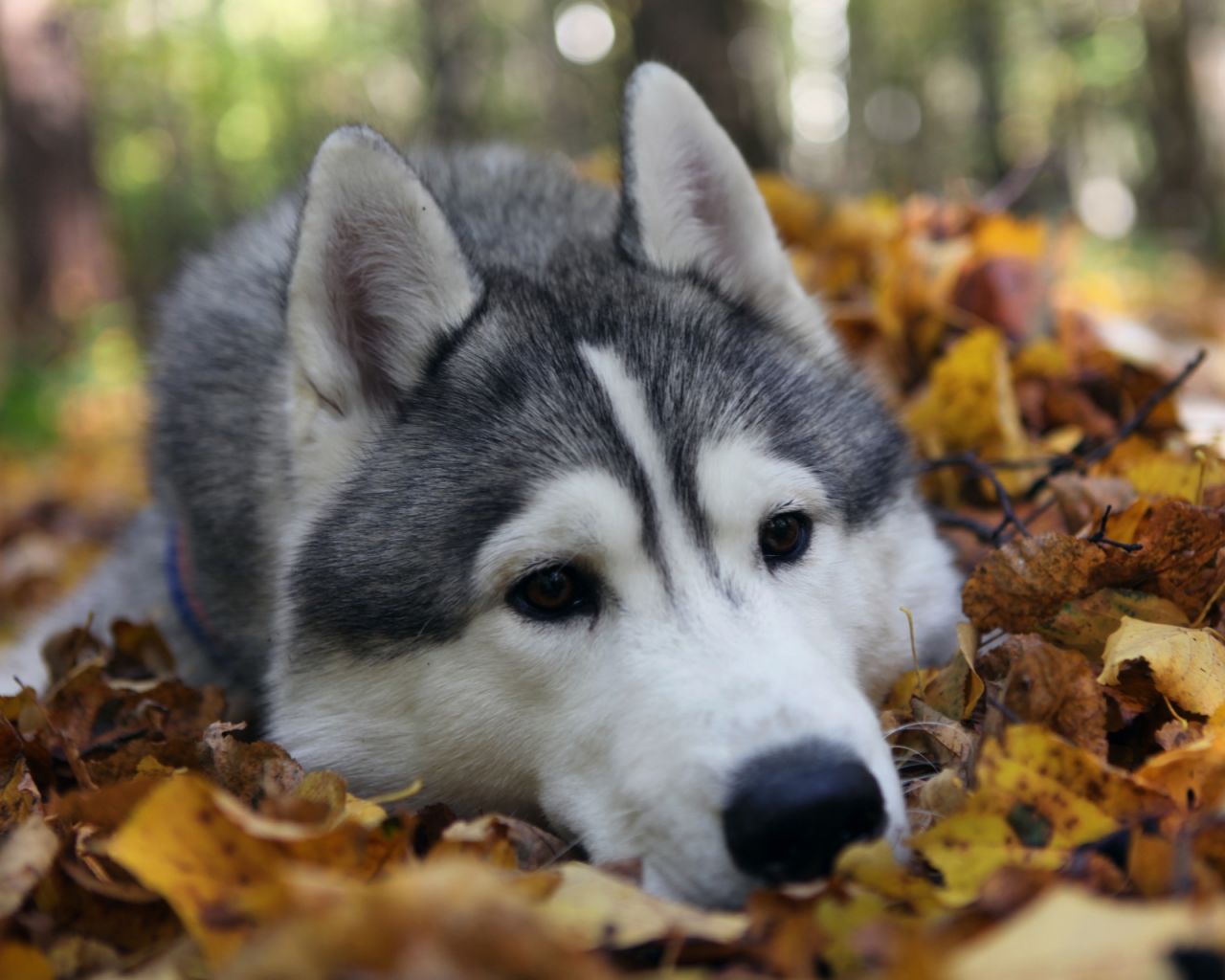
Your dog is the only creature who will love you faithfully and unconditionally. Once you decide to get a dog, you'll surely gain a loyal companion for many years to come. Every time you step through the door, you'll watch with affection as this four-legged wonder races to greet you.
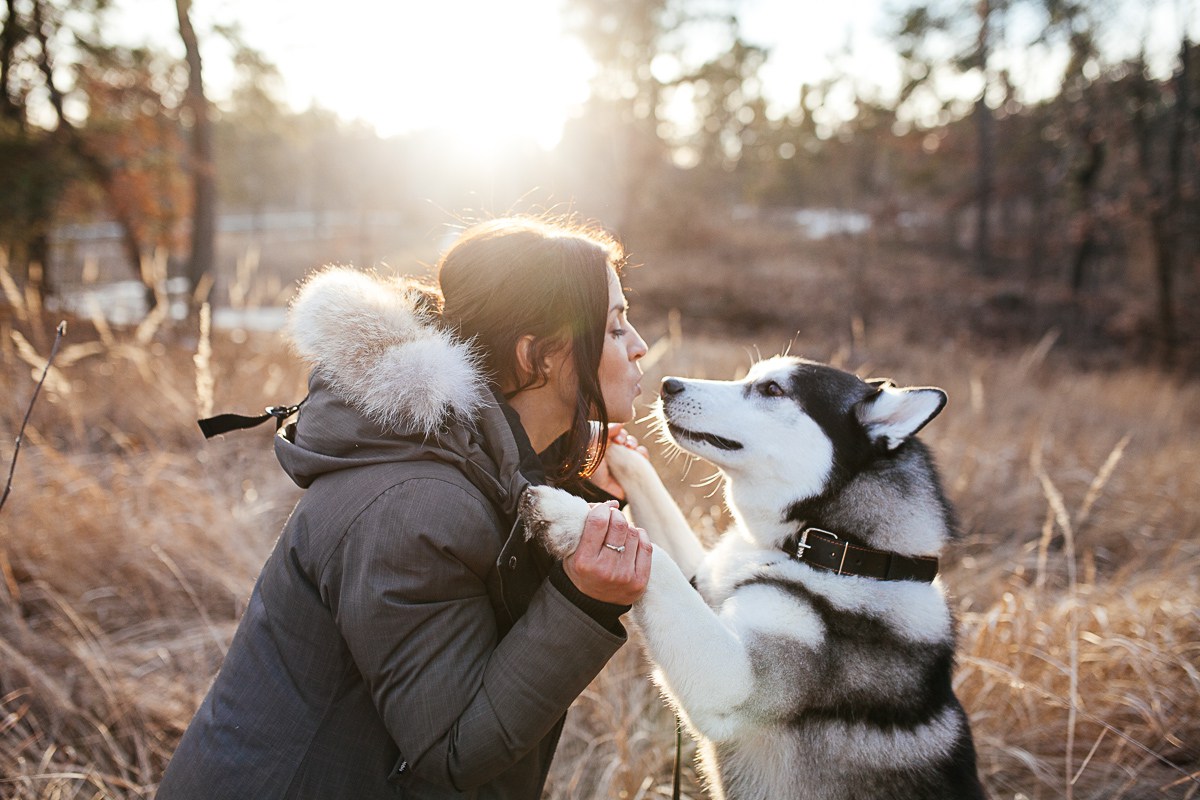
How a dog perceives human speech
Dogs are undoubtedly intelligent creatures. Sometimes we feel as if they understand our speech, sense our mood, and even express sympathy. These furry companions can listen, sympathize, even cry and smile. More appreciative companions are often hard to find. Indeed, many of them understand and obey various commands, such as "sit," "down," "stranger," "die," "fetch," and so on. Our pets also distinguish intonation, whether it's approval or criticism, and accurately identify human emotions.
Some canines can understand over 200 words spoken by their owners. However, scientists at the University of Budapest, in a study, demonstrated that the left hemisphere of the animals' brains responded more to the meaning of words, while the right hemisphere responded more to emotional intonations. This means that dogs can separately analyze intonation and meaning of words, combine the results, and draw conclusions about how well they performed their owner's command. However, this doesn't mean that pets understand human speech; rather, they remember individual words spoken by their owners with an approving or other positive tone.
Perceiving your body language
Dogs often associate sounds not only with emotions but also with their owner's actions, gestures, and facial expressions. With proper training, they can perform simple mathematical calculations by responding with a bark. Adult dogs accurately read not only their owner's facial expressions but even the slightest change in posture.
In families with small children, pets are often associated with positive actions, such as hugs or active play. Pets respond readily to the children's calls and sometimes even initiate play. Dogs and humans influence each other in stressful situations—the calmer the owner's demeanor, the calmer their dog. And vice versa. This is confirmed by the fact that pets imitate their owners, and over the years, even begin to resemble each other. Dogs are able to recognize human moods, not only their owners but also strangers. They associate a smile with positive emotions, and a furrowed brow with negative ones. Pets themselves often use facial expressions when communicating with other pets and with people.
The dog pays attention to smells
Olfaction is a dog's most important sense, allowing them to simultaneously perceive and distinguish many different scents. A diverse range of past experiences and the associations they associate with each scent make canines' sense of smell "analytical." Animals can remember many scents throughout their lives. This ability, olfactory memory, explains why dogs wait at the door at a specific time for their owners. Canines determine the passage of time by the dissipation of a scent; they remember what the scent should be like when their owners arrive.
A dog's nasal mucosa is 10,000 times more sensitive than a human's. Therefore, certain substances can cause severe irritation and even sneezing. Tobacco smoke, alcohol, citrus, dill, and some other strong odors can temporarily deprive a dog of its sense of smell.
Dogs can also detect changes in hormonal levels, blood sugar levels, and the owner's overall health by detecting changes in human odor. This is especially true for search and rescue dogs, police dogs, and border guard dogs.
Hunting breeds, to the horror of their owners, may roll in carrion or excrement to confuse prey and mask their own scent. They demonstrate with their entire appearance that this procedure brings them immense pleasure. This behavior is clearly inherited from the distant past, but even animals living in apartments and backyards continue to do it today. The world of smells is an important part of the lives of our four-legged friends.
What do we expect from true friendship? Attention, loyalty, devotion, the feeling that a friend will always come to your aid. Your kind pet will give you all of this in abundance. The boundless love and emotional support of your four-legged friend will help you avoid depression and find the strength to overcome any difficulties.