If you're considering getting a squirrel, be prepared for the hassle and expense. Think carefully – they need a variety of food, are active, playful, vocal, and can damage furniture and injure people. Any pet in the house is a responsibility, regardless of size. Proper care and grooming are crucial, so they'll live a long life and be a joy to have around. The key is to understand all the intricacies of pet ownership and be prepared.
High expenses
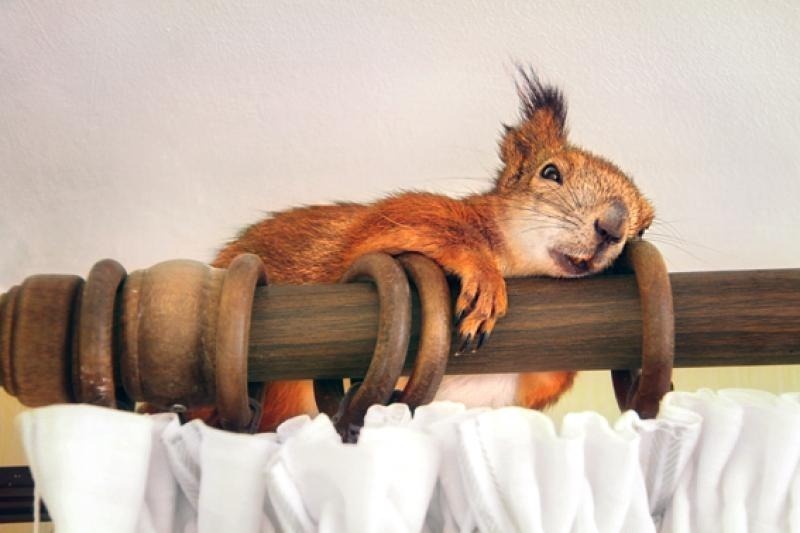
This small animal will require considerable expenses, as it will not only eat mushrooms, berries and nuts, but will also require other expenses.
List of things to allocate funds for:
- aviary or large cage;
- feed;
- vet;
- treatment if necessary;
- toys.
Squirrels are constantly running, climbing, and jumping; movement is their instinct and way of life. They can't live in a small cage like a hamster or rat. They need plenty of space, otherwise they'll get bored, depressed, and overweight. You'll have to create a special enclosure for this active and mobile animal, or allow them to roam freely throughout the house, which is dangerous. They can chew through wires and damage furniture, books, and other belongings.
Squirrels need special food and a varied diet, otherwise they will become ill, gain weight, and quickly die. If you want your furry friend to stay with you longer, buy a variety of foods.
You'll need a veterinarian who understands how to treat squirrels. Most veterinarians specialize in cats, dogs, and parrots, but they're simply not trained to handle animals like squirrels, ferrets, and chinchillas. Without knowledge of their body structure, medication reactions can be harmful to the animal.
If you find a baby squirrel in a forest or park, be sure to take it to a veterinary clinic for a preventative checkup. It needs a full examination, deworming, and vaccination preparation. The animal may be sick, or dangerous viruses or bacteria may be detected in its blood. An examination, tests, or a course of treatment will be necessary. This will require several trips to the vet, which can be costly.
Squirrels love to play. They'll enjoy climbing frames, balls, and rodent toys. Finding the perfect activity for your squirrel isn't always easy. Squirrel play equipment is available in stores, but it can be expensive.
Damage to things
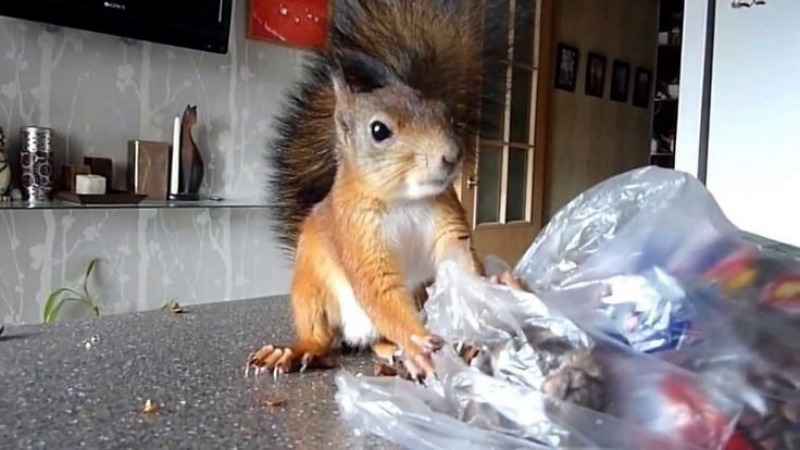
A small furry friend can cause irreparable damage to things and furniture. There are many photos online of the destruction caused by a squirrel left alone in a room. It tears things and scratches everything in sight. It's impossible to housebreak it like a cat or dog, so it's best to keep it in an enclosed enclosure.
Squirrels instinctively build up winter reserves. They steal food and hide it in unexpected places in their owner's home. Perishable foods emit an unpleasant odor after 2-3 days. A persistent odor in the house is caused by squirrels constantly marking their territory.
Constant noise
These animals make a lot of loud noise. They only remain silent when they sleep, and squirrels sleep little. Several times a day and night, they begin playing and searching for food. Be prepared for your animal to rustle everything within its reach and occasionally drop objects from the ceiling.
Health hazard
A squirrel is a wild animal, although it can adapt to living in human homes. If its owners don't like it, it bites hard—it has sharp teeth. If it's frightened by an unfamiliar visitor, it can easily bite into the face and cause painful scratches.
Squirrels carry dangerous diseases, such as rabies. They may also harbor parasites that are dangerous to humans. It's important to have your squirrel examined by a veterinarian and vaccinated. If a squirrel is picked up from the ground and doesn't resist, it's likely weakened by illness. A healthy squirrel will take a treat from your hand and run away. Veterinarians advise against keeping a wild squirrel if you have a small child or a pregnant woman in the house.
A diet like a king's
A balanced diet will help the animal live a long and normal life, but don't give the squirrel human food. Treats like cheese or sausage won't kill the squirrel, but they will cause diarrhea. Avoid constantly feeding it forbidden foods, such as bread, sweets, or prepared foods. A squirrel's gastrointestinal system can't tolerate prolonged exposure to dangerous foods—the animal will die or become seriously ill.
Recommended daily diet:
- 1 nut (hazelnut) 1 time per day;
- half a walnut;
- 2-3 pine nuts;
- 10 grams of raw pumpkin seeds;
- dried rose hips;
- dried mushrooms – 5-10 grams, but not champignons or oyster mushrooms, you need wild mushrooms;
- a slice of dried apple, pear;
- dried vegetables, such as carrots, zucchini;
- cones with seeds (1-2 per day);
- dried fruits (dried apricots, dried plums) half a day.
Periodically, offer some fresh fruits and vegetables—slices of apple, banana, pear, or carrot. Give them little by little, just a 0.5 cm thick slice. Every 3-4 days, feed one chestnut or an acorn in its shell.
A squirrel is constantly on the move, and these foods will give it energy and strength. You can prepare them yourself, but it's best to avoid buying dried vegetables and fruits from the supermarket. Find a place for the food that your pet can't get to, as squirrels are adept at sniffing out and stealing supplies, and you shouldn't overfeed them.