This breed originated in Vietnam 600 years ago, and today only about 300 birds remain. These extremely rare, ancient, and unusual specimens are known as Ga (which translates as "chicken") Dong Tao (the name of the village where they were first bred).
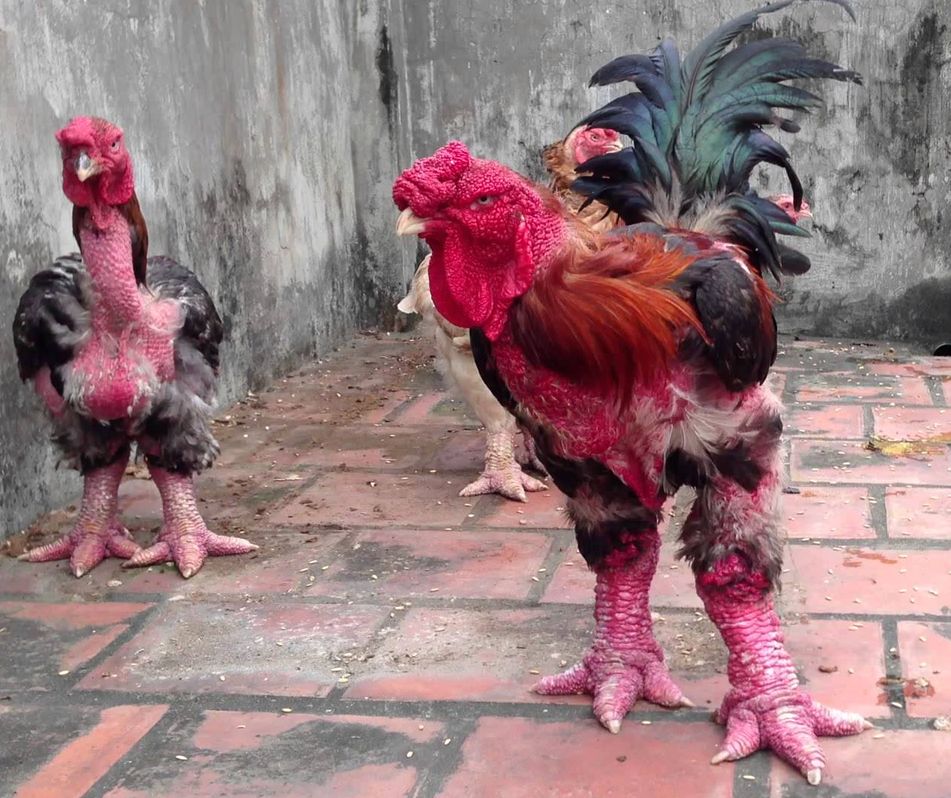
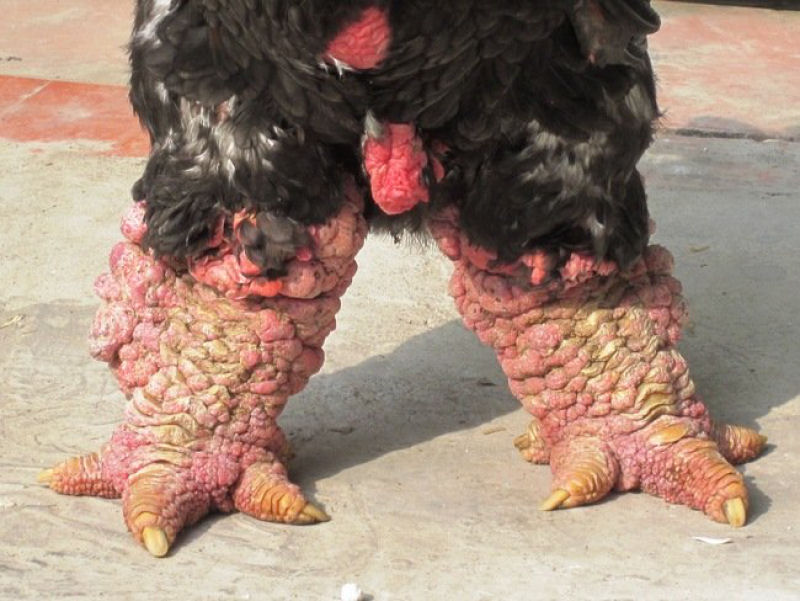
They are also called "Elephant Chickens" because of their very thick legs.
They were originally bred for cockfighting. Today, the breed is considered unique, with no equal or even similar relatives. It has been recognized as a national treasure of Vietnam, and the state is funding efforts to restore the bird's population.
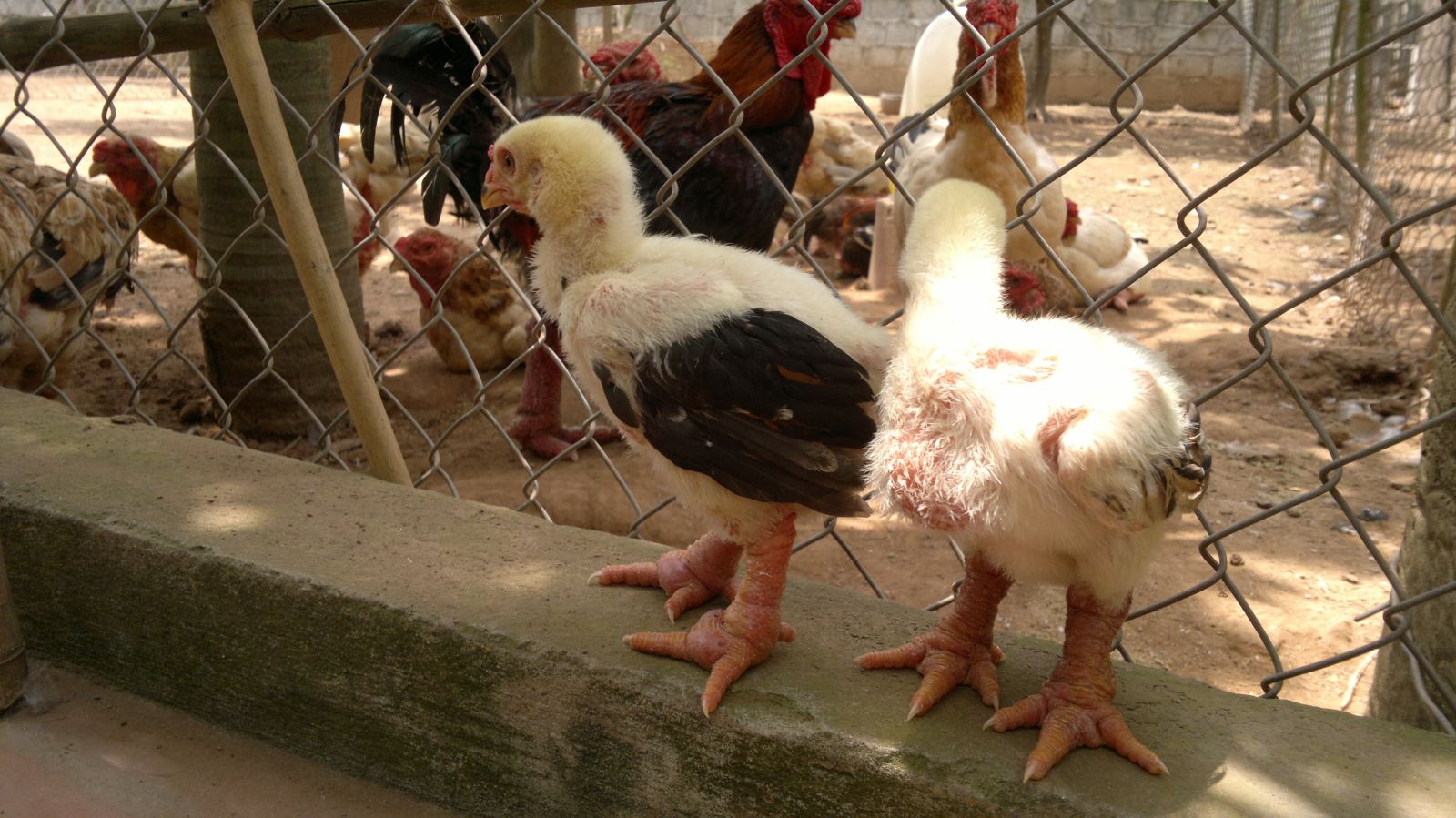
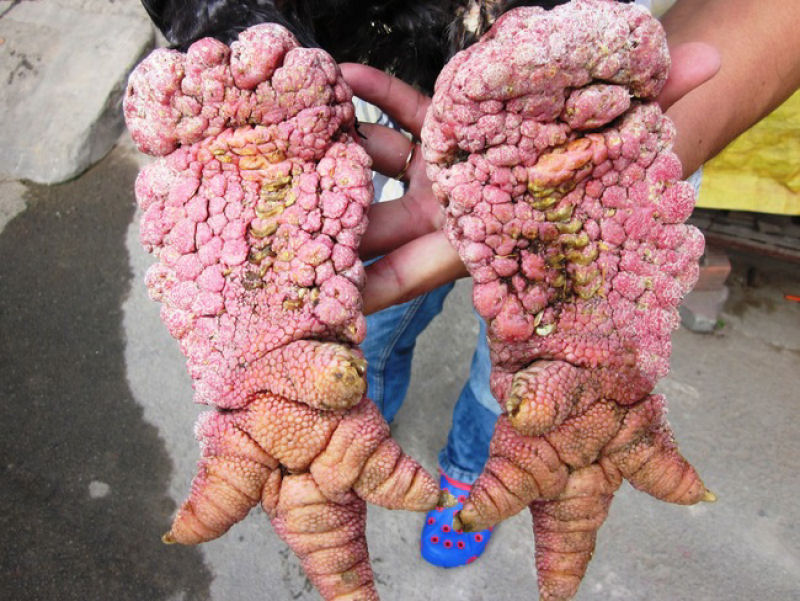
An unusual feature is thick, scaly legs, which in roosters can be 5–8 cm in diameter. This isn't a disease, but a characteristic of the breed. The hens themselves don't experience any discomfort from these legs; they run fast and are very active. Scientists specifically took tissue samples and studied the birds' health.
The body is powerful and heavy, with a small comb on its head. The rooster's body structure is more reminiscent of a dog than a bird: a wide, almost rectangular body, a prominent chest, and well-defined muscles.
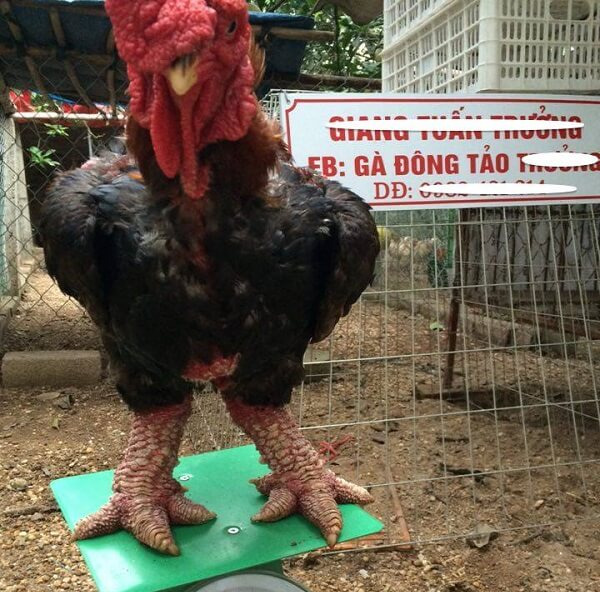
The center of gravity is offset, allowing males to maneuver well and easily evade enemy attacks. The large head is proportionate to the body. Feather color can vary widely, but the plumage is sparse and uneven, as the birds live in a warm climate.
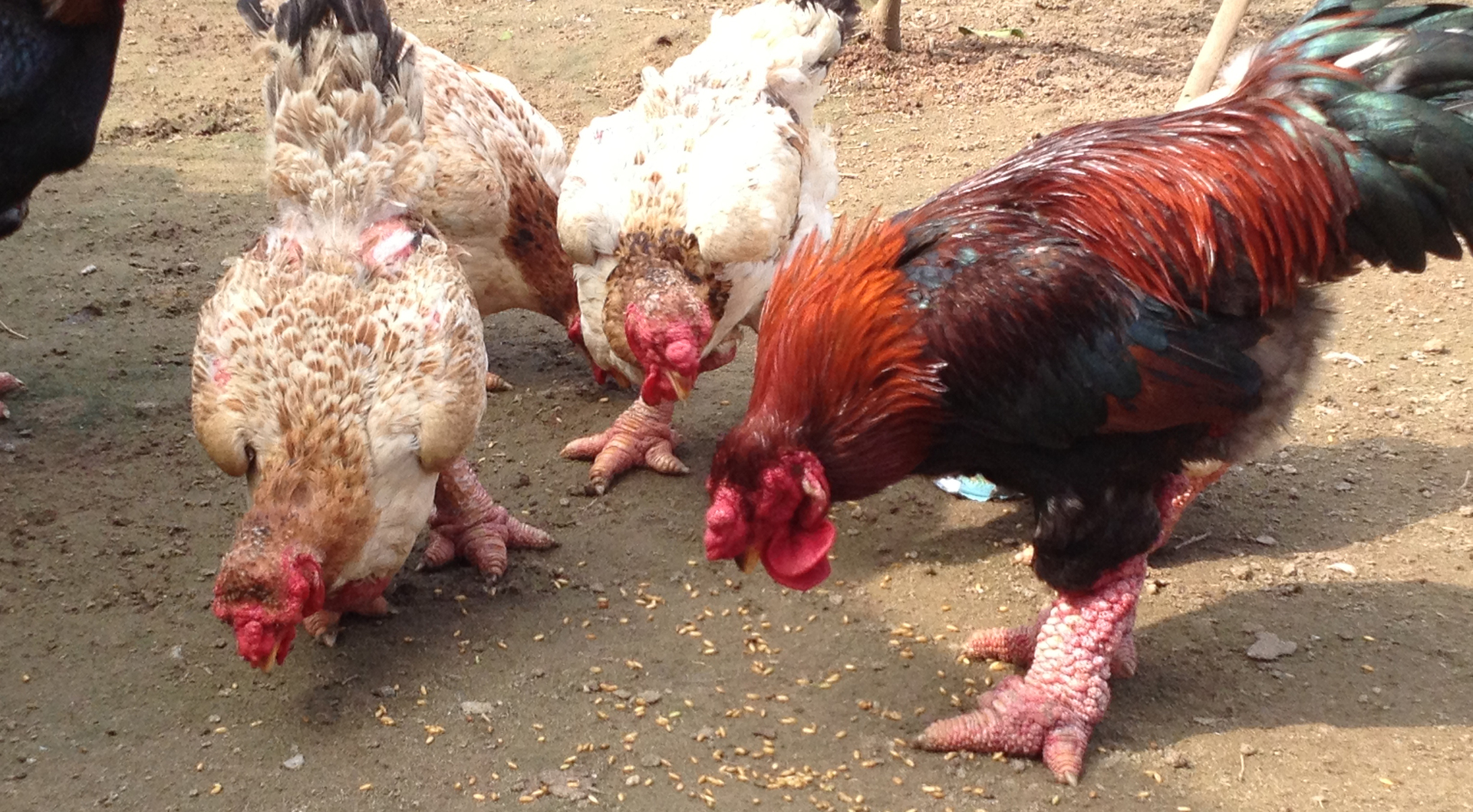
Roosters weigh approximately 5–7 kg, hens up to 4–5 kg. They produce up to 60 eggs per year. The eggs are medium-sized, cream-colored, weighing 60 g.
Chickens have a well-developed brooding instinct, but even in Vietnamese villages, brooding is done using an incubator or hens of other breeds. Heavier hens are very clumsy and can crush the eggs in the nest.
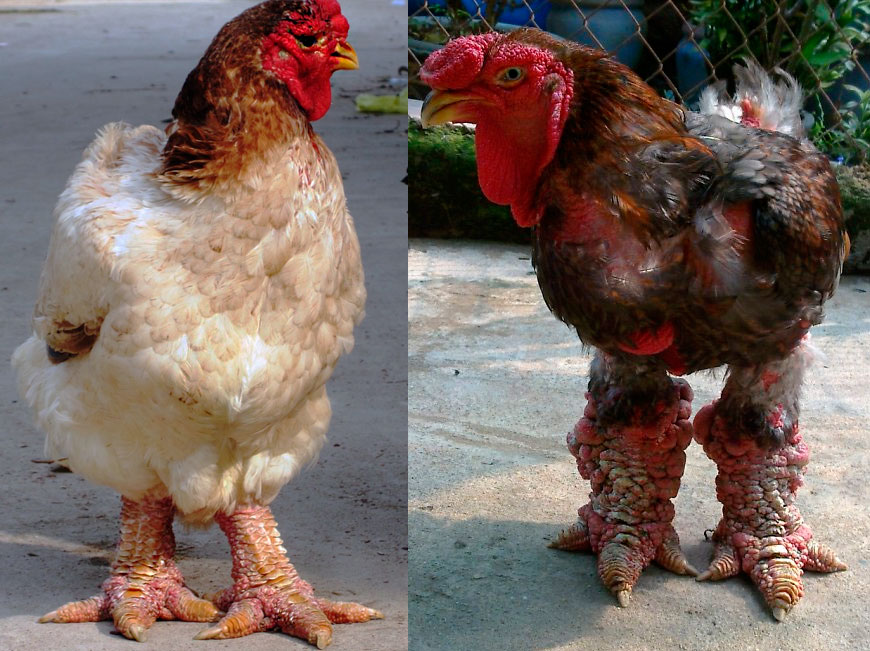
These birds are wary of people and prefer to graze freely. Roosters are very aggressive and short-tempered. They cannot fly, but they are easily trained.
These chickens are now bred as an ornamental breed. Their legs are considered a delicacy, but only the legs of young 4-6-month-old chickens are eaten. Their meat is considered very tasty.
It is difficult to acquire chickens of this breed, and they are very expensive, up to $2,500.
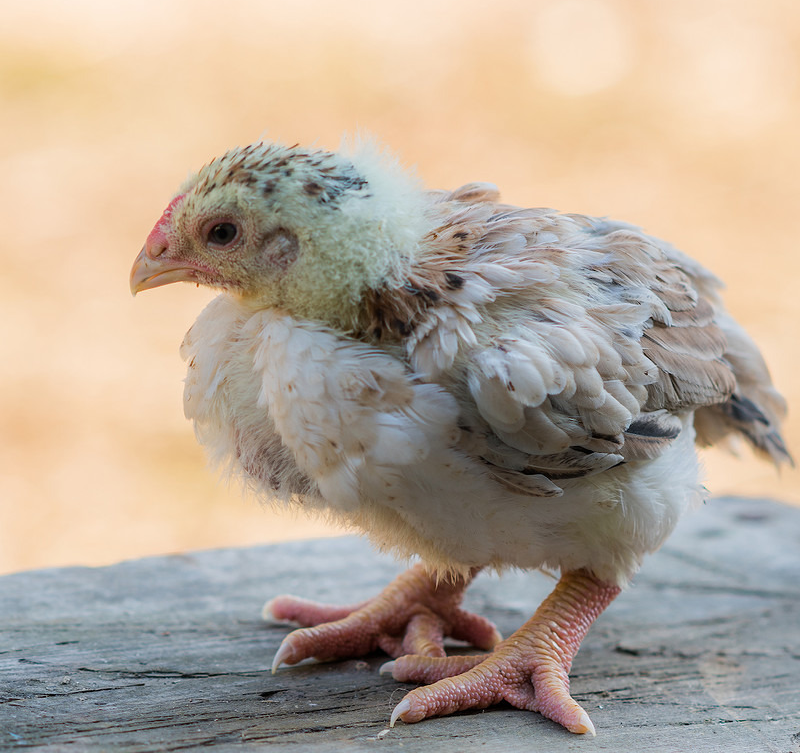
Moreover, they lack immunity to common chicken diseases and adapt poorly to different climates, making them difficult to maintain. Incubation requires special conditions. Nevertheless, some countries have learned to breed them.
Russia's climate is ill-suited to these birds, but there are areas where favorable conditions can be created. Several collectors and breeders have taken the risk and are pursuing this challenging endeavor.