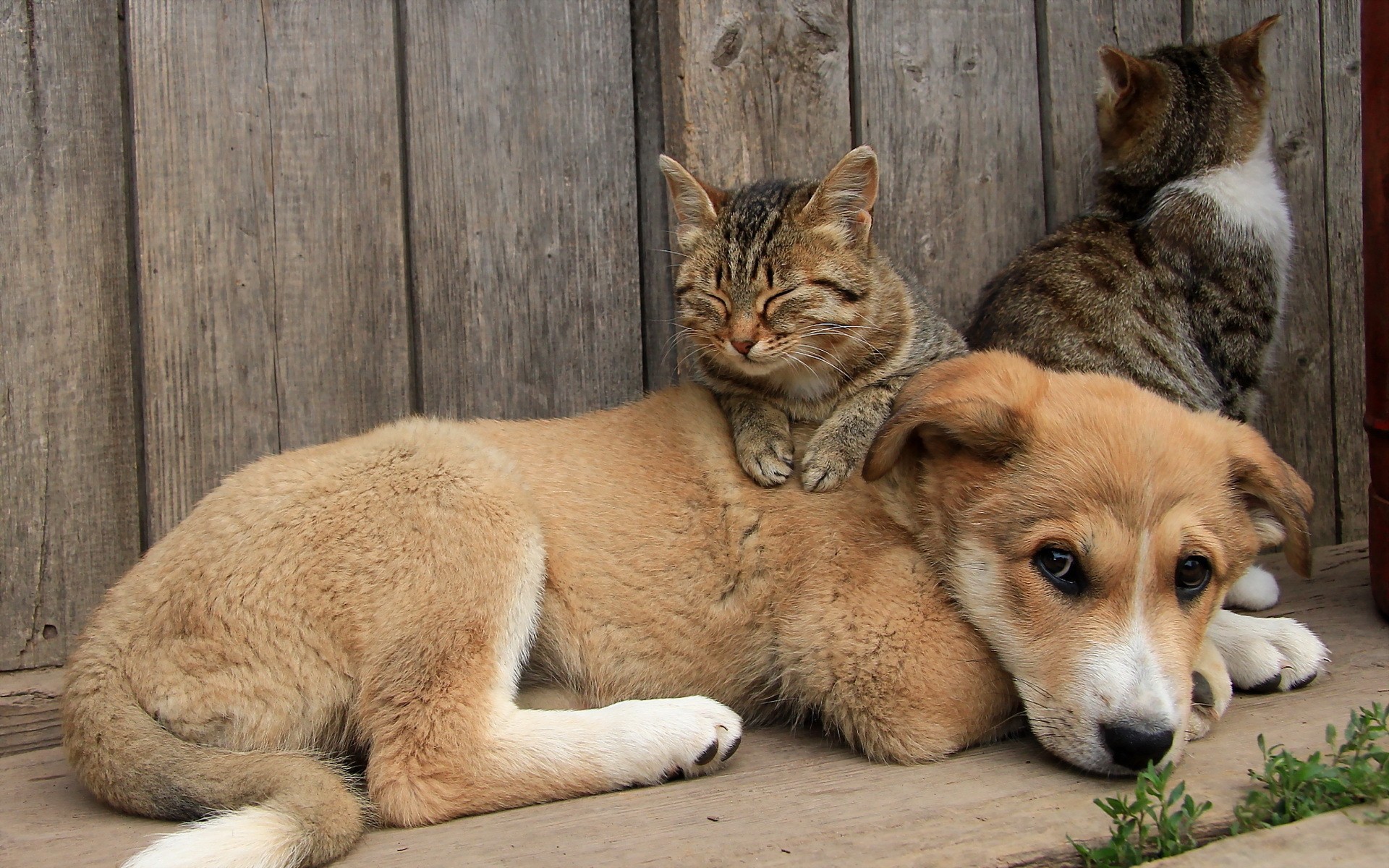
Not all animals get along well together, for example, cats and dogs. It's not for nothing that a phrase was coined to describe this. However, there are ways to turn these "sworn enemies" into best friends. We'll tell you what to pay attention to to ensure your pets live peacefully.
The main stumbling blocks
First, let's figure out why quarrels between animals can arise.
The struggle for attention
Cats don't like it when someone obstructs their path or attracts the attention of "their human." Animals greet their owners when they come home, and their owners, in turn, reward them with petting. Dogs express their joy more enthusiastically than cats, so they often receive warmer greetings. This can be very upsetting for a cat.
Don't make animals jealous. This can be a major cause of fights and arguments between them. There have been cases where cats meowed when they saw a dog being taken out for a walk. The meowing meant the cat also wanted to be with its owner.
Food
Animals need fresh food in their bowls and clean water in their water bowls every day. Cats and dogs have different attitudes toward food. Cats may skip a meal if they don't want to and will leave their portion where it is. Dogs, even after a large meal, may ask for more, as they tend to eat everything in their bowl.
And here's where a big problem arises. It's dangerous for dogs to overeat, and disaster can occur if a dog eats a portion of a cat's food that was saved for later.
To prevent your dog from overeating and your cat from going hungry, try placing the bowls in different rooms or on opposite sides of the door. And to encourage a more friendly relationship, gradually move the bowls closer together.
Place
Every pet needs its own place to rest or hide. But when there's more than one pet in the house, fighting over that spot can ensue.
Create a separate area for each animal. It's best to keep them in separate rooms to avoid unnecessary fights. Cats should have a high perch where they can hide if they get into a fight with the dog.
Things to remember
If you want to raise animals of different species, you should take them while they are still small, because it is more difficult to make friends with adult animals.
The pet's attitude towards other animals
Dogs and cats were originally predators, and despite domestication, these instincts still live within them. They just manifest through aggression toward other animals. First, observe your little friend to see if they exhibit this behavior toward other pets. If so, it might be worth holding off on bringing a new friend into the home.
Some cats respond well to dogs and immediately try to befriend them upon meeting them. This happens with dogs too. Try finding a cat that's already friendly with a dog and introduce it to your pet. In the future, your dog will be more likely to bond with the cat you're considering.
Think before you buy
Before buying a dog and a cat, you should carefully consider whether you can love and care for both animals equally and affordably. If you're unsure, wait a bit.
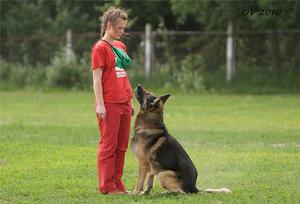
Animal lovers recommend getting one pet first, learning its personality and habits, and only then getting a second. If you're getting a dog first, train it to use various commands so you can stop it if it attacks your cat.
Actions when meeting someone
When you get both a cat and a dog, it's important to monitor their behavior. They might strike up a friendship at first sight, but if a fight breaks out between them, don't stand by and separate them.
When introducing the pets, it's best to keep the dog on a leash. The cat should have a retreat area to prevent the dog from attacking. Distract the dog slightly from the new pet. This will allow the cat to calmly approach the dog and sniff it.
Over time, once your two pets have gotten used to each other, try arranging a meeting without your supervision. But this doesn't mean you shouldn't be home—stay in another room.
Now that you know these rules, you can try introducing your cat to your dog. Friendship may not happen right away, so consider whether you're up to the task.