In Russia, about a thousand pets go missing every day. The vast majority of them are dogs. Loud noises, interest in members of the opposite sex, hunting, or simply an active nature prompt animals to escape. Only a few dogs return home on their own; more often, their loved ones have to be searched for with the help of others. Sometimes, four-legged friends are lost forever. How can this situation be prevented?
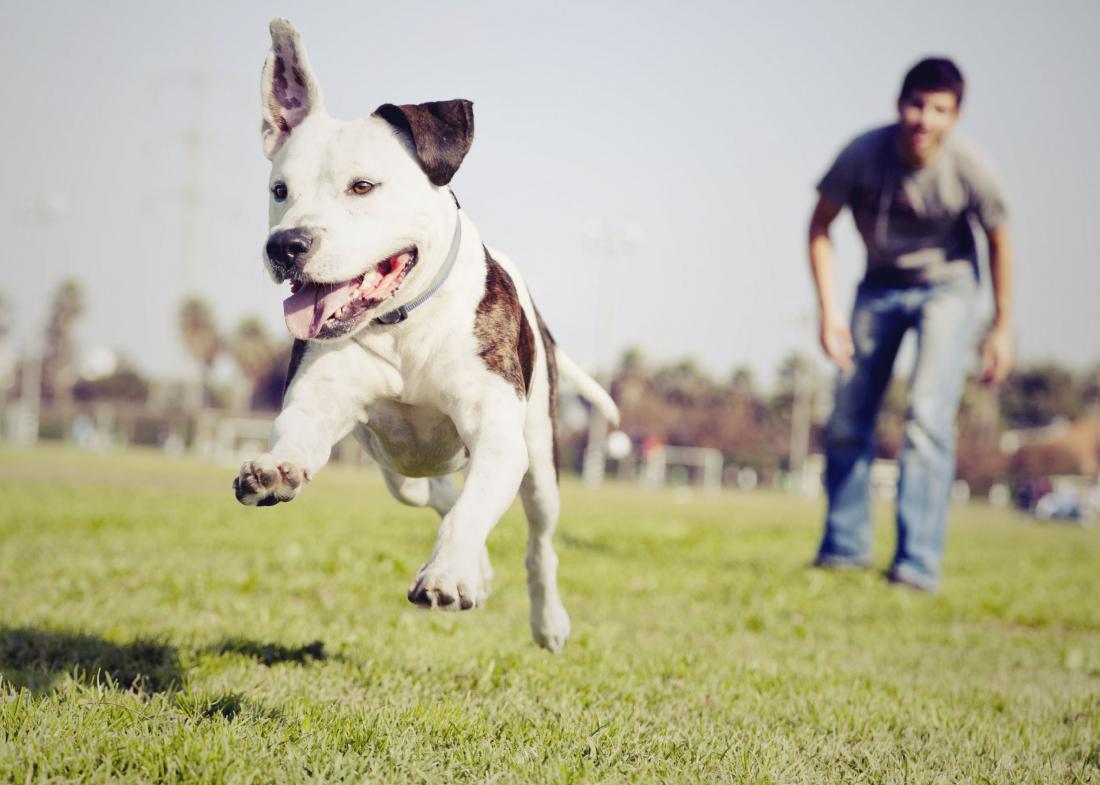
Train your pet
Both purebred and non-pedigree puppies require equal amounts of training and discipline. Some breeds simply require a more assertive approach, while others can be trained more gently and with more patience.
For example, Russian and Afghan hounds are excellent hunters who have been trained for a long time to make independent decisions. As a result, dogs of this breed are literally genetically programmed to disobey. More precisely, the animal obeys its owner, but only until its hunting instinct takes over. And if such a dog isn't trained in a timely manner, even in puppyhood, the adult pet will cause a lot of trouble for its owner.
At the same time, the following commands should be fundamental for any dog:
- "Come to me";
- "Near";
- "Place".
It would also be a good idea for your four-legged family member to know the commands "No," "Drop," and "Stop." It's a good idea for all dogs to undergo a general obedience training course, or OKD. Some breeds are also recommended to undergo a ZKS (protective guard dog) course.
House training and outdoor training take up a lot of time for pet owners. However, getting a dog is only recommended if you have the time and resources to devote to your pet.
Check the collar
If a puppy was brought into the home by accident, or the owner acquired a particularly stubborn breed without researching it beforehand, the animal will almost certainly grow up to be stubborn. One of the most obvious manifestations of stubbornness is a dog's constant desire to escape. To prevent this, simply keep your four-legged friend on a leash during walks.
But what if your pet requires more freedom, and a short chain or belt doesn't provide it? In this case, a long leash or a retractable leash can come in handy. A choke collar or a prong collar can also help limit your dog's excessive activity.
The collar's integrity must be checked before each walk, because if the animal is strong and the special restraint is not secure, the pet may simply break loose and run away.
Sometimes dogs run away simply because they can't release all their pent-up energy during a walk. But if you train your dog to walk on a harness and, for example, carry loads, your pet will surely be happy.
Write your address and phone number on your pet's collar.
An ID tag is a metal object typically engraved with a pet's name and the owner's contact number. A small tube containing a piece of paper containing important information can also serve as an ID tag.
Why is it so important for a pet to have such a tag? Because it's practically the only chance to return a runaway pet home as quickly as possible.
Consider this situation: your four-legged friend breaks free from his leash during a walk and runs away. He might be found:
- small children;
- compassionate passers-by;
- people who are not indifferent to reward;
- employees of special animal shelters.
And while they'll all be happy to bring the dog home, only a few will be able to find the owner. Will strangers post ads online about a live "found" dog? In most cases, no. For this very reason, every pet dog should have an identification tag.
Avoid writing your pet's name and contact number on the back of a leather or canvas collar. Firstly, not everyone will think to remove it to read this information. Secondly, a frightened animal may be wary of strangers, and a number engraved on a large tag can be read even from a distance. Thirdly, if the collar is made of high-quality material, it can easily be stolen, and valuable information will disappear from the dog's neck.
Get your dog microchipped
Microchipping is a modern, and therefore more convenient, alternative to an ID tag. All information about the animal is recorded on a microchip, which is no larger than a grain of rice. This microchip is implanted under the dog's skin and becomes fully embedded within a few weeks. The tag is made of bioglass, which is completely safe for your pet's health.
The following information is recorded on the microchip:
- pet's nickname;
- his age;
- breed and color;
- behavioral and health characteristics;
- the owner's residential address and telephone number.
Furthermore, each microchip is assigned a unique 15-digit number, which is entered into both the dog's passport and the International Pet Registry. This electronic identification will make it much easier to locate a lost dog.
However, in some cases, an address tag is considered a more useful invention. After all, today in Russia, only a small number of veterinary clinics are equipped with specialized scanners capable of reading information from microchips.
Pets entering the United States, Australia, and EU countries with their owners are required to be microchipped. Pets without a microchip will not be allowed to cross the border.
If you follow these simple tips, the risk of losing your pet will be minimized.