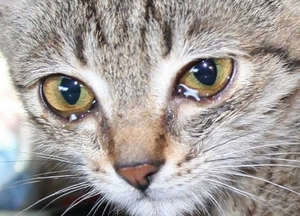
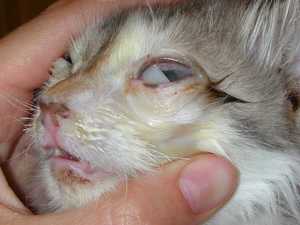
Many of us have pets, and sometimes, just like us, they get sick. One of the most common ailments in cats is eye infection. If your pet has eye infection, you should know what to do to help them recover.
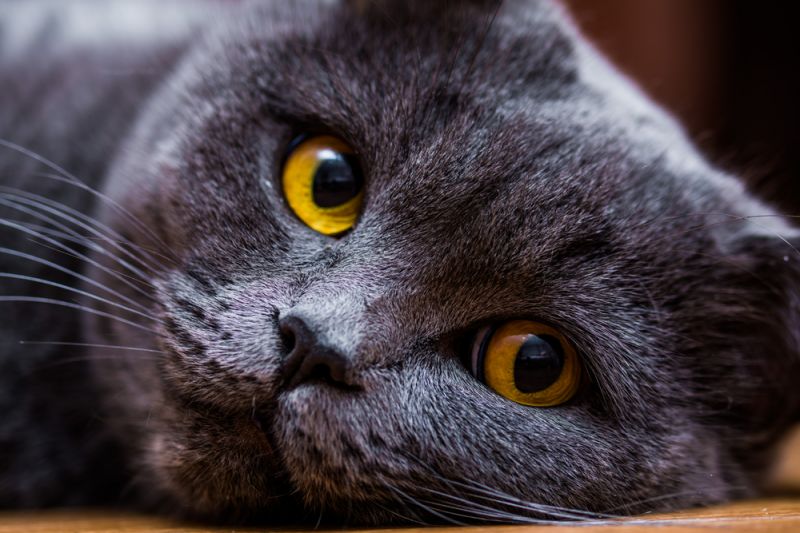
How to check the condition of the eyes?
A healthy cat's eyes are wide open, clear and clean, without any discharge (slight brown crusts in the morning are normal; the cat removes them when washing itself).
What might indicate a problem? These are:
- swelling of the eyelids;
- squinting of one or both eyes;
- lacrimation;
- mucopurulent discharge - white, yellow, brown;
- the emergence of the third century;
- sunken eyes;
- bulging eyes;
- clouding, appearance of spots, hemorrhages, etc.
What could be the reasons?
Suppuration can be caused by various reasons:
- allergic reaction;
- decreased immunity;
- foreign body ingress;
- injuries;
- diseases;
- viruses;
- features of the anatomical structure;
- bad heredity.
Besides eye inflammation and pus, your cat may also experience other symptoms. The key is to spot them early. In any case, it's essential to take your pet to the veterinarian; only an experienced specialist can identify the cause, make a proper diagnosis, and prescribe treatment. However, you can help your pet before the appointment.
How to remove suppuration?
- Warm, boiled water. Or an infusion of medicinal herbs, such as chamomile or St. John's wort.
- Strongly brewed tea. Tea will help reduce inflammation and swelling. Allow the steeped tea leaves (not the tea bags) to sit for 10-12 hours before use. A day is best.
- Saline solution effectively removes eye stains. Be sure to purchase it from a pharmacy, and use a 0.9% concentration to avoid burning the mucous membranes.
These fluids are used if the inflammation is not infectious. Otherwise, the veterinarian will prescribe rinsing with special solutions and other treatments.
How to proceed?
- Prepare the solution. If you're using boiled water or strong tea, check the temperature. The liquid should be lukewarm to avoid burning the mucous membranes.
- Wash your hands with soap.
- Place pieces of gauze or bandage into small pads. Avoid using cotton wool, as the fibers may get on the mucous membrane and cause irritation.
- Immobilize your cat's head and gently wipe the eyelids with pads soaked in the solution, moving from the outer corner to the inner corner. Change the pads regularly and remove any discharge. If your cat's eyelashes are stuck together, use a very damp pad from the inner corner of the eye toward the ears to avoid hurting your pet and causing the eyes to separate.
- After you have cleaned your cat's eyes, remove excess fluid with gauze, a bandage, or a napkin.
- Wash your hands.
It's important not to touch the cornea, but only wipe the eyelids and the surrounding area. Your pet may be frightened by this procedure, so afterward, reassure them and offer them a treat.
Kittens' hygiene is usually the responsibility of their mother, but once a kitten is separated from its mother, this responsibility falls to the owners. Until kittens learn to groom themselves properly, their eyes should be cleaned several times a week to remove dirt and prevent infections and inflammation.
When choosing a cat, keep in mind that British Shorthairs, Exotic Shorthairs, Scottish Folds, and Persians have a blunt frontal structure, which prevents tears from draining through the tear ducts into the nasal cavity. This structure makes them prone to tear stagnation in the corners of the eyes and nasal passages, making them more susceptible to inflammatory eye diseases such as conjunctivitis. Therefore, you should be prepared to help them maintain eye hygiene and care for them during any potential conjunctivitis. Eye care for these breeds requires daily care. This includes not only removing accumulated pus but also rinsing the eyes periodically.
Basic recommendations
- Since inflammation and the appearance of pus can be allergic, keep your cat's sleeping area clean.
- If you notice such a reaction after using perfume or any cleaning products, you should stop using them.
- If inflammation appears after changing food, change it back, as the new food may simply not be suitable for your pet.
- If you walk your cat, make sure that the area where it walks is free of litter.
- Get all the necessary vaccinations to protect your pet from infectious diseases.
- Give deworming tablets on time and in the correct dosage.
- Add vitamins to your diet.
Take care of your pet's health and hygiene, and you won't have problems with eye inflammation and pus. They have no one to rely on but us.