It's no wonder they say cats wander by themselves. Their independent nature and natural curiosity often cause their owners grief. After all, losing a beloved pet is frightening. But don't panic; there's always a chance you'll find your furry friend.
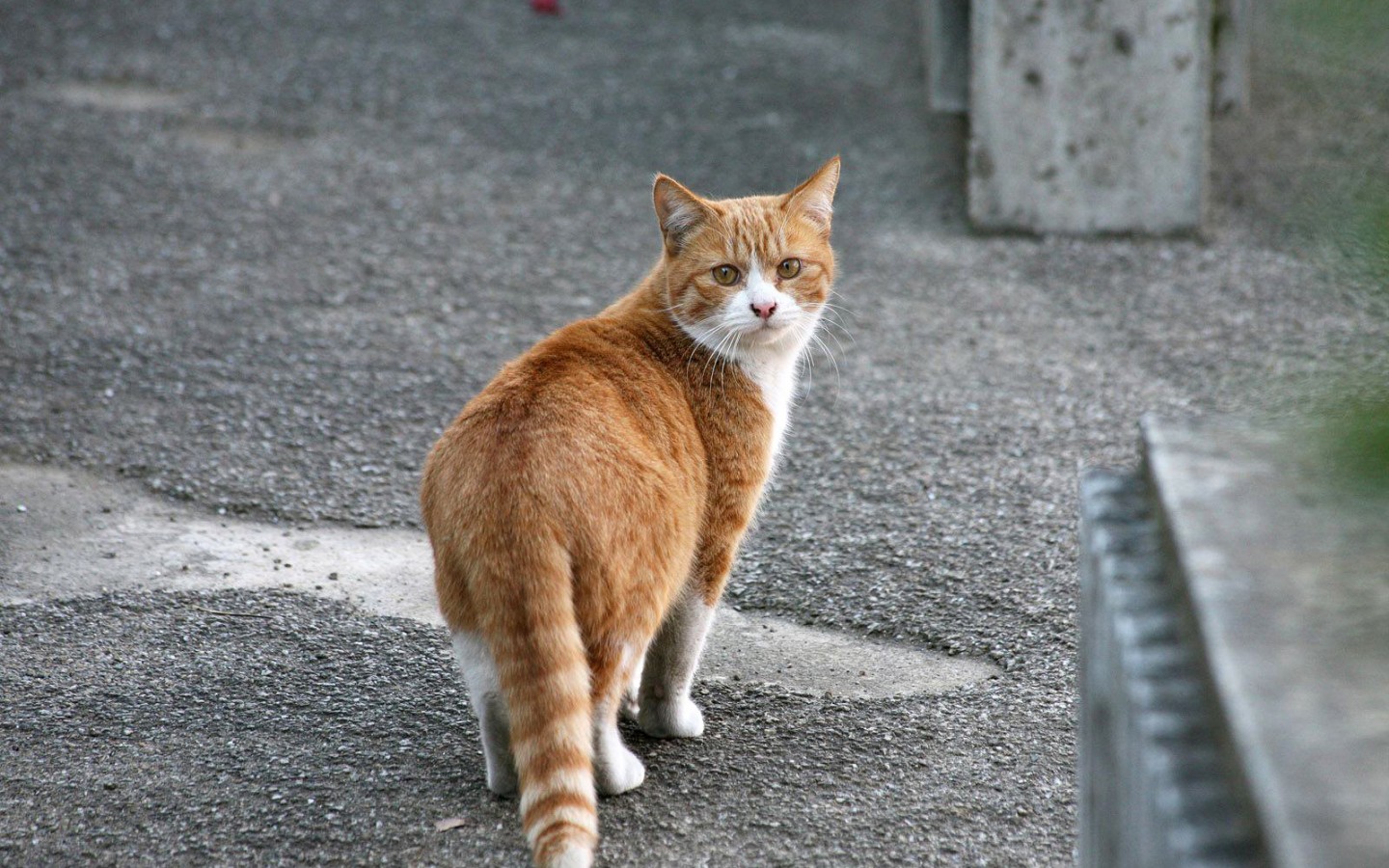
What to do if your cat is lost
Cats are very intelligent. Surely everyone knows about their amazing ability to find their way home, even hundreds of kilometers away. But even these clever animals can get lost.
It's believed that cats become attached to their homes. Indeed, cats often run away after moving. In this case, you should look for your pet at its old address.
If your pet isn't accustomed to the outdoors, you should begin your search inside the apartment. Your pet may have hidden somewhere secluded. You should inspect the balcony, closets, alcoves, and even look under the bed. If you're sure the cat isn't inside, you need to analyze how it could have escaped. If your pet escaped through the front door, you should continue the search in the entryway, checking the stairwell, upper floors, and lower floors. It's best to search outside with the help of friends and acquaintances: you can check trees and bushes, look under benches and parked cars, or go to a nearby road.
If a cat falls from a low-rise window, it will instinctively seek shelter near the house. In this case, inspect the area under the windows and the basement.
Sometimes, hesitating in the doorway, the owner lets their pet out of the apartment. Once outside, stressed, and exposed to unfamiliar smells and sounds, the animal will want to hide. After making eye contact, crouch down and quietly, calmly call to the cat. If it doesn't want to come, you can place the litter box outside the house and a bowl of food—familiar smells will attract it.
If all else fails: An action plan to get your pet back
After an unsuccessful search, it's worth resorting to a little trick: find a safe and visible place for the lost animal. You can make a shelter out of a cardboard box, cut a hole for entry, line it with soft fabric, and set it up near the house.
- It wouldn't hurt to tell your neighbors about your missing cat, showing them a photo. And the more people in the building you notify, the better.
- Night searches can be effective. It's important to bring a flashlight, your pet's favorite toys, and food to lure it out of hiding.
- The most common method is posting flyers. The ad must include information about the pet's appearance, coat color, distinguishing marks, and date of loss. If possible, a photo of the pet should be included.
You can also ask caring people for help online. There are animal support groups on social media that can help spread the word.
How to make the search easier if this happens again
Our furry friends deserve the attention and care they deserve. A special cat leash can help avoid unpleasant situations involving lost pets. A note with the owner's address and phone number can be attached to the collar, making it easier to return a lost pet.
- Microchipping of animals is becoming more common in Russia. A microchip containing information about the pet is implanted under the skin. The procedure is a one-time procedure, painless for the animal, and allows for its identification.
- Nowadays, it's easy to always have a photo of your pet on hand. It's best to photograph the entire animal so you can see it clearly and recognize it.
A pet that rarely goes outside doesn't run far and can often be found somewhere nearby. Sometimes, lost pets return on their own. So, don't panic; the measures you take will definitely help.



 Manya
Manya
1 comment