Ancient coniferous forests stretch along the edge of the harsh tundra. Cedars, firs, pines, and spruces provide food and shelter for many animals. The short summer is the season when herbivores try to gorge themselves on berries and grass, while predators stalk lost or weakened animals to accumulate fat reserves before the long winter.
Omnivores
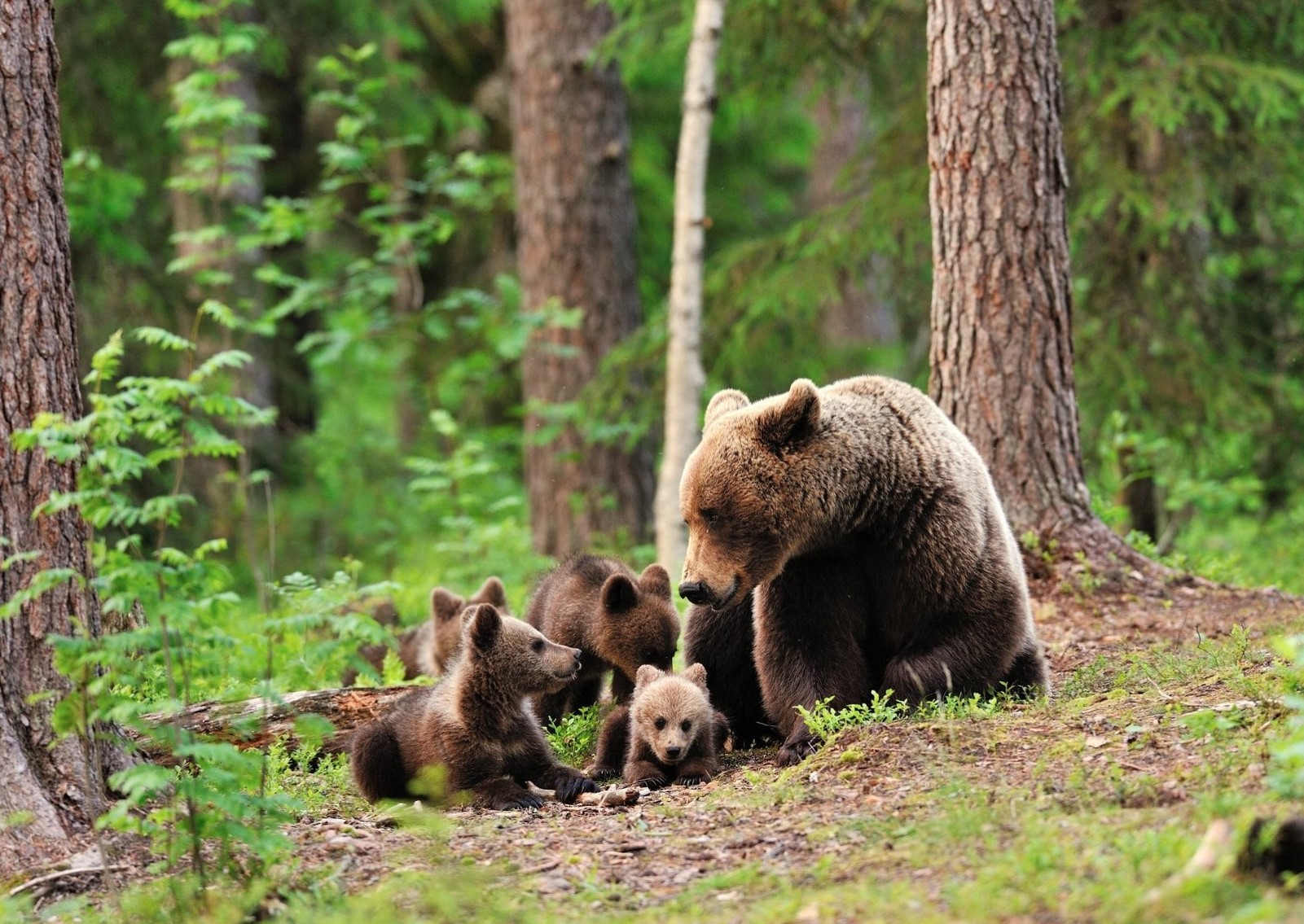
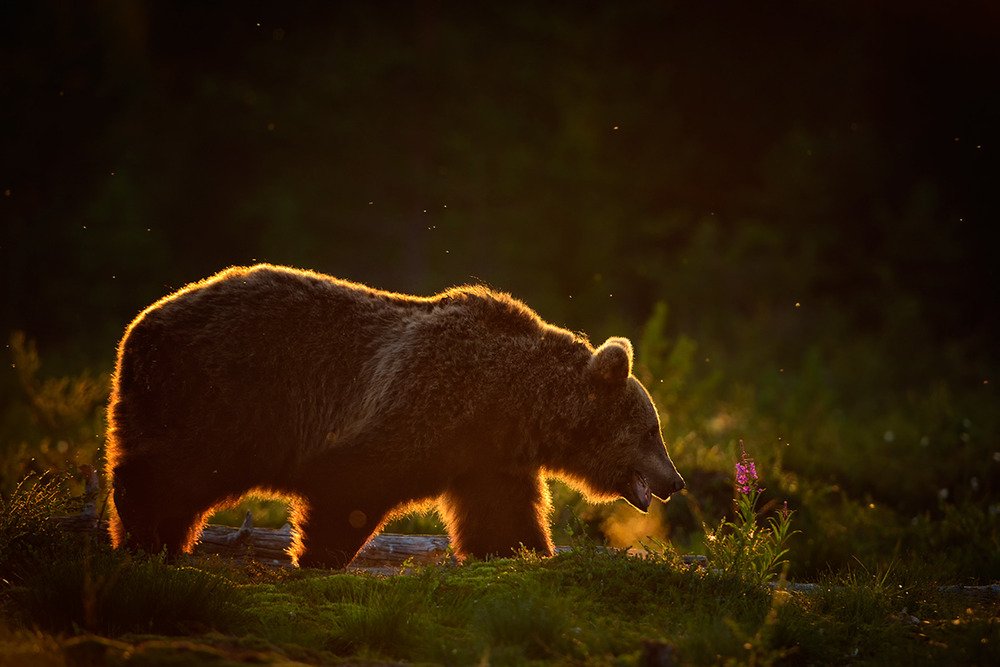
Brown bear
Bears are the masters of the taiga. Despite their menacing appearance, brown bears are omnivores and even prefer plant foods. They feast on roots and berries, raid bee nests for honey and larvae, and fish in rivers. A hungry bear is dangerous—in a fit of hunger, it can kill a moose with a single blow of its paw. It is unafraid of humans and will even fight a Siberian tiger.
Predators
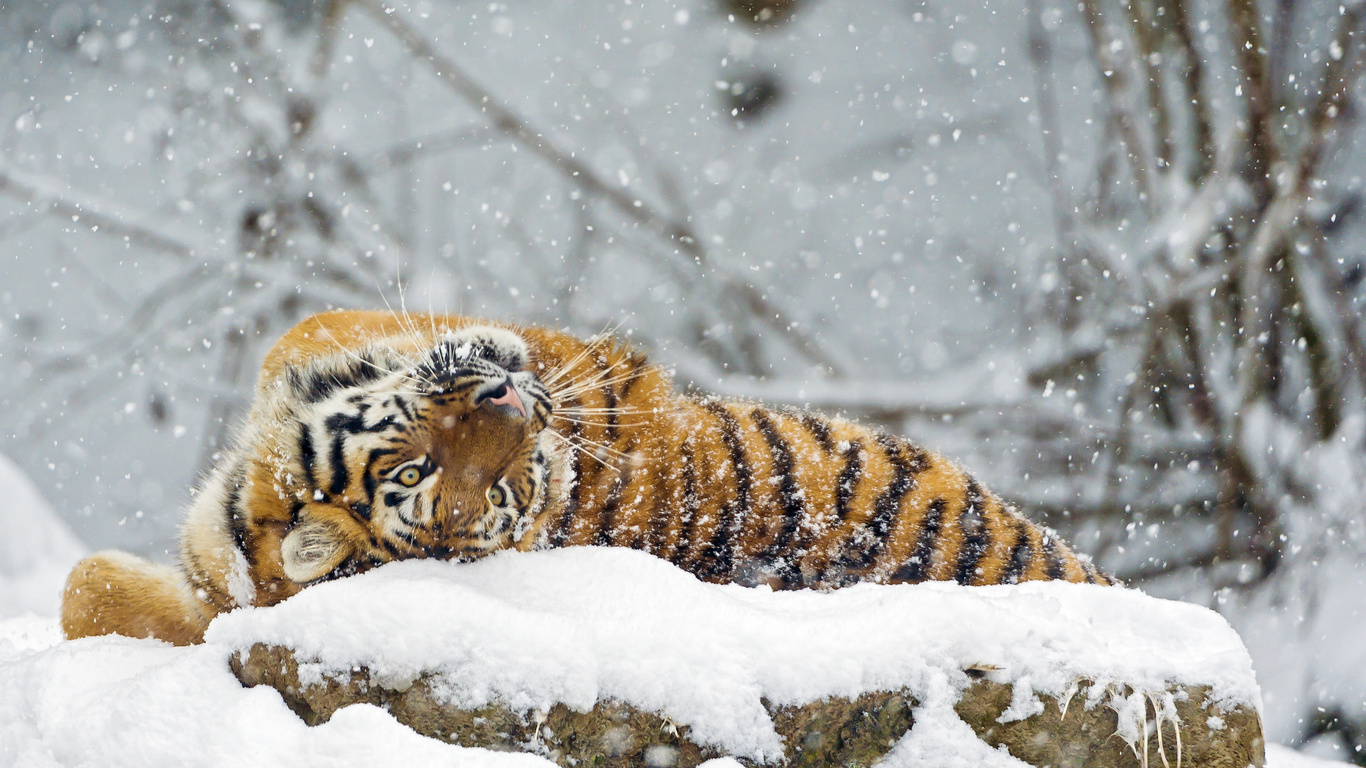
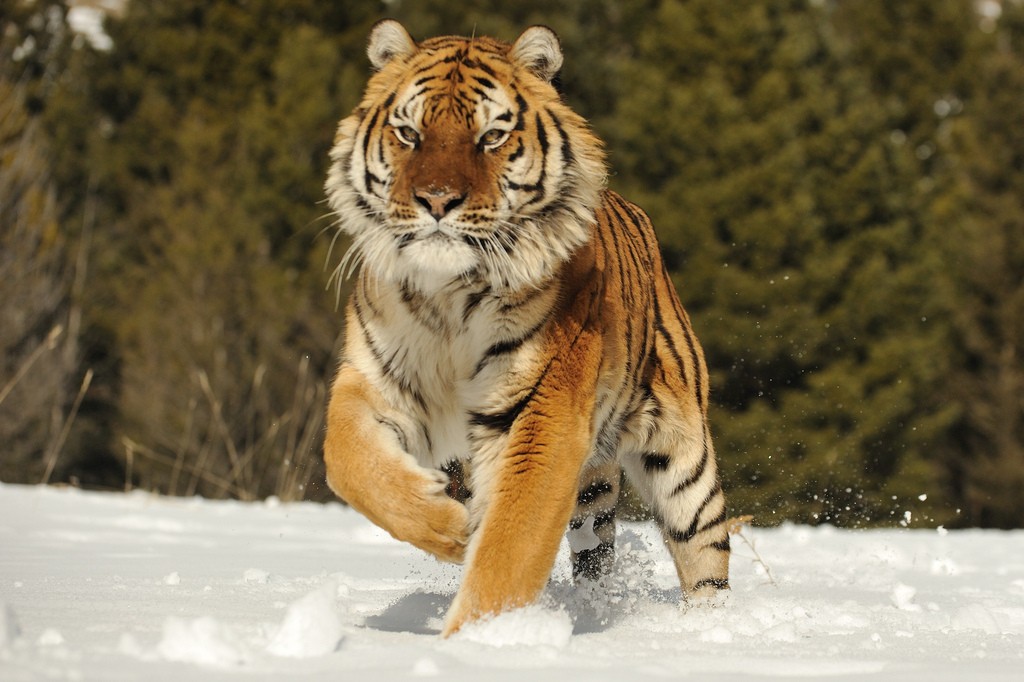
Ussuri tiger (Amur)
Ussuri tigers are unique. They have adapted to cold, snowy winters. These tigers are larger than their tropical counterparts. Their fur is duller in color, but thick and very warm. In the wild, the tiger has virtually no enemies and is a powerful predator. The animal is defenseless against humans; neither agility nor strength can protect it from a treacherous shot from a rifle.
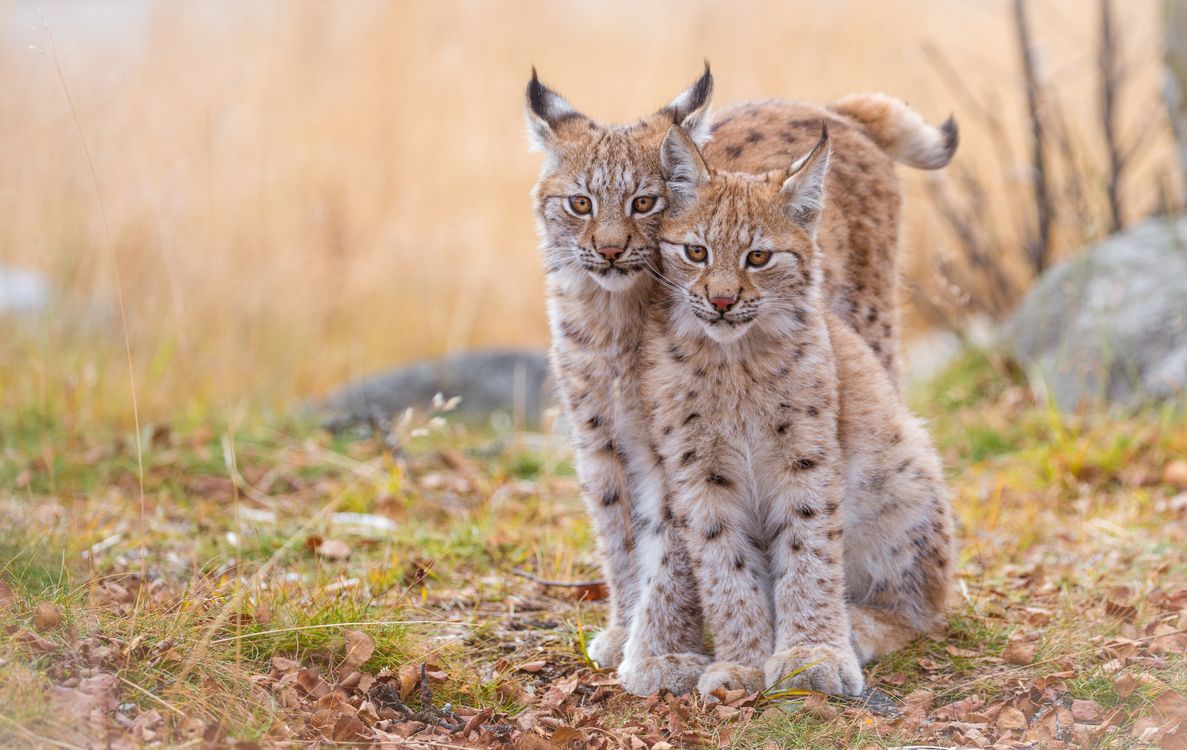
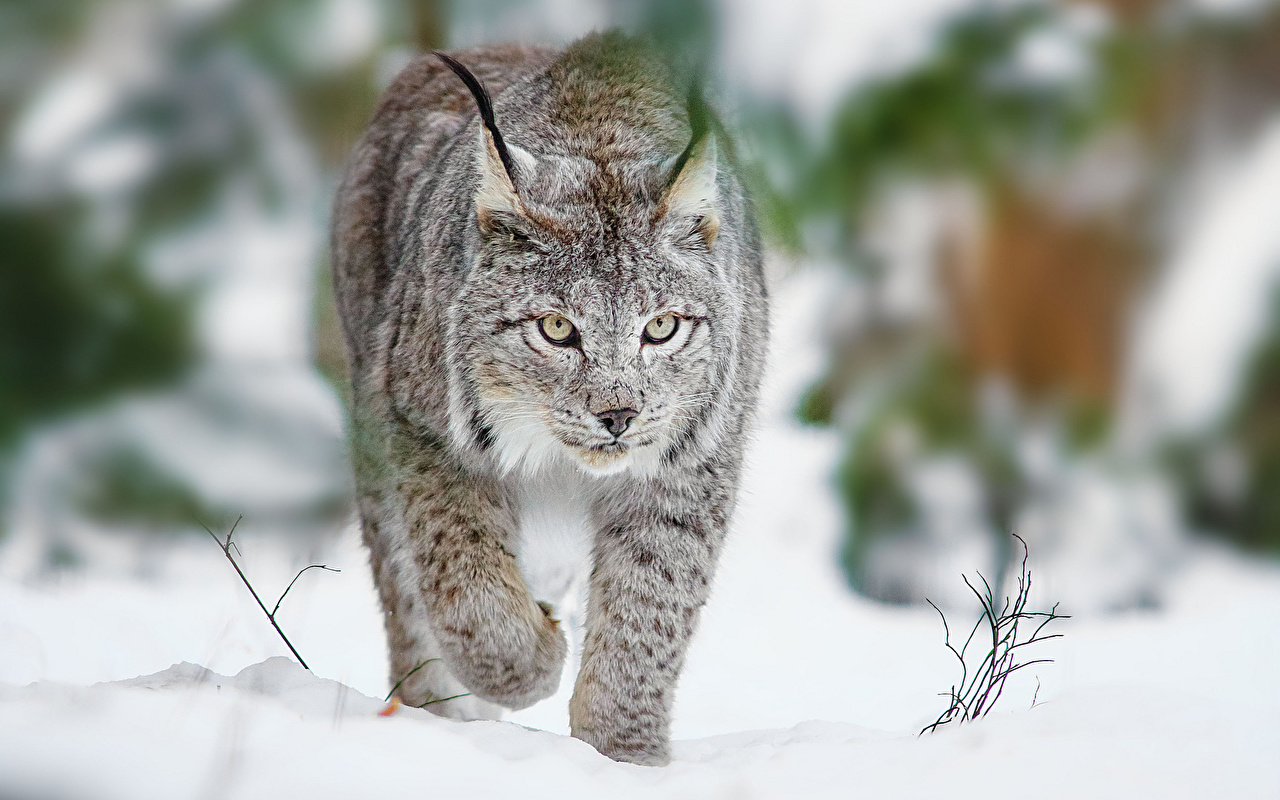
Eurasian lynx
This beautiful, spotted cat with tufted ears, a fluffy ruff, and a short tail is hard to spot on a forest trail. The lynx is not afraid of humans, but leads a secretive lifestyle. During the day, it sleeps in a secluded den, and in the evening, at dusk, it emerges to hunt. Its most common prey is mice, hares, and birds, but it sometimes hunts foxes and even deer.
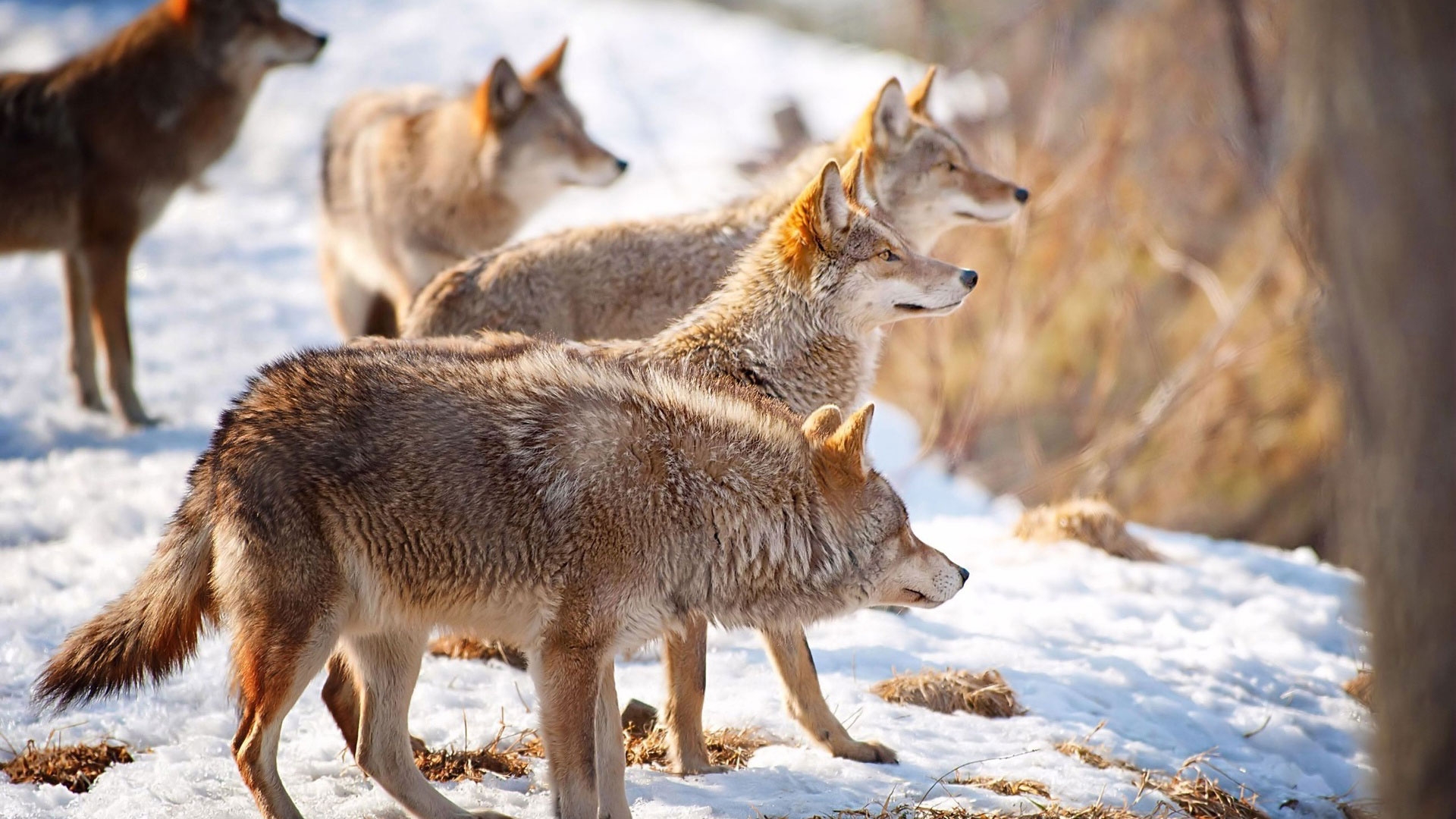
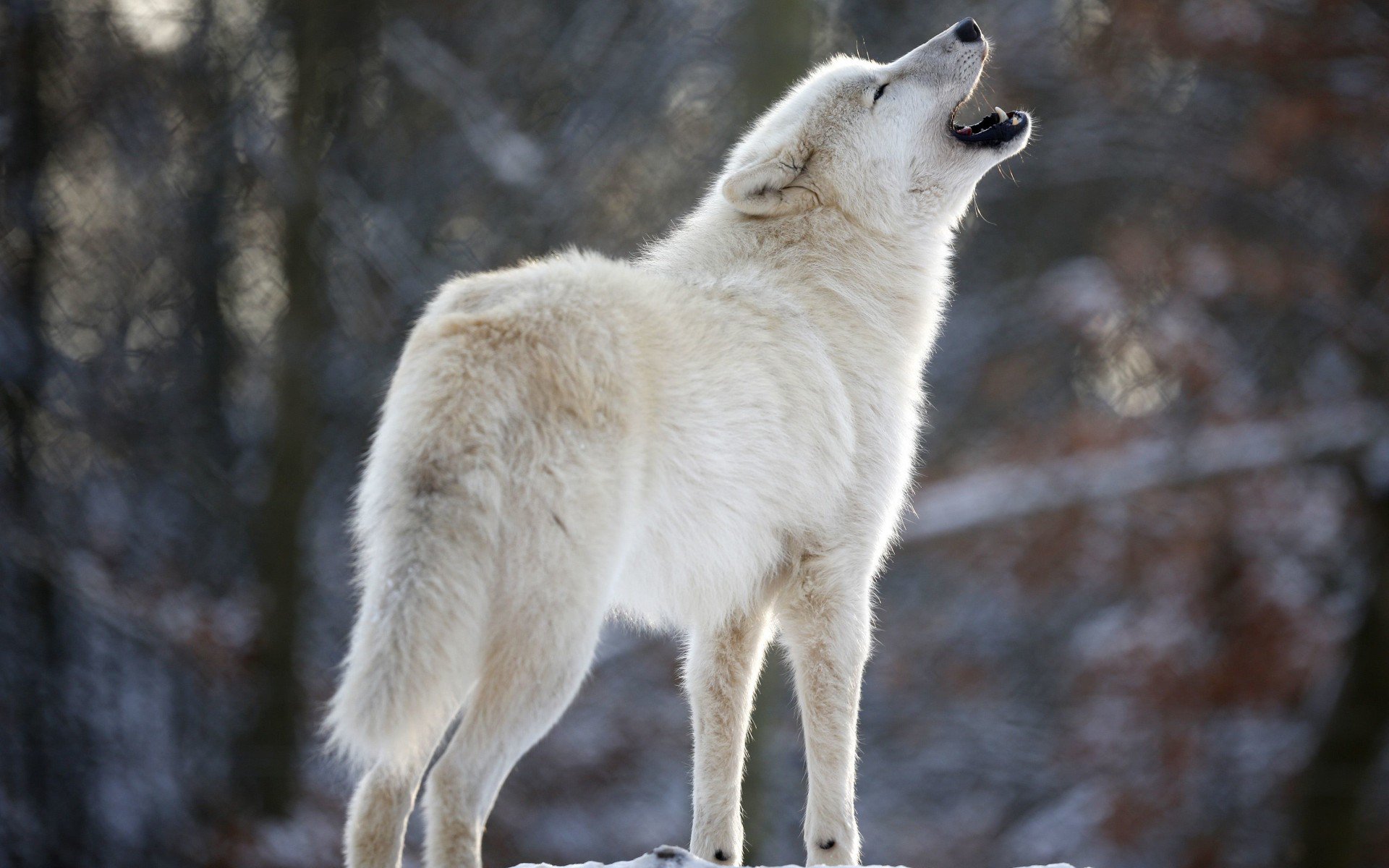
Arctic wolf
Wolves are renowned forest rangers. The polar wolf is distinguished from its gray counterparts by its large size and very thick fur with a well-developed undercoat. Its fur color ranges from white to black. Its teeth are sharp and massive, allowing it to hunt large animals.
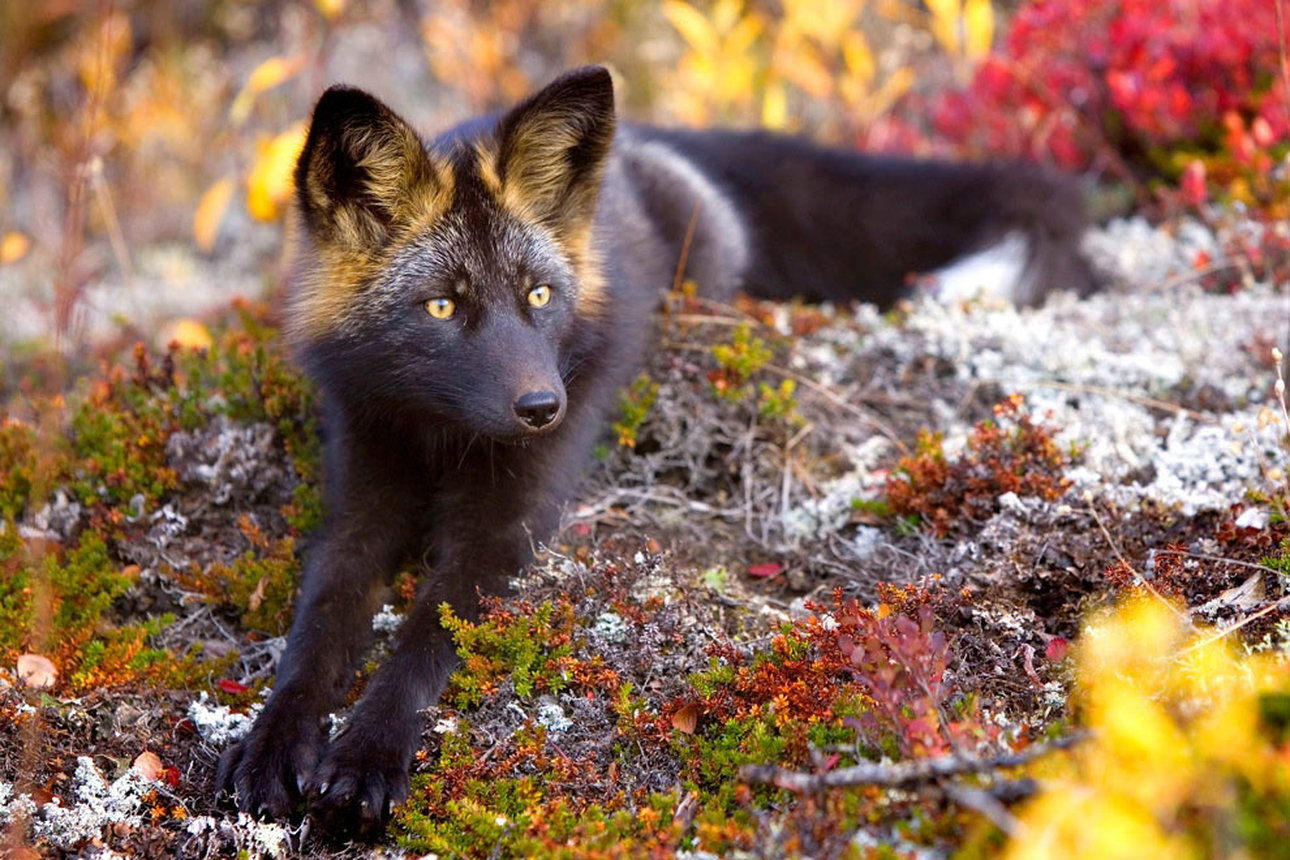
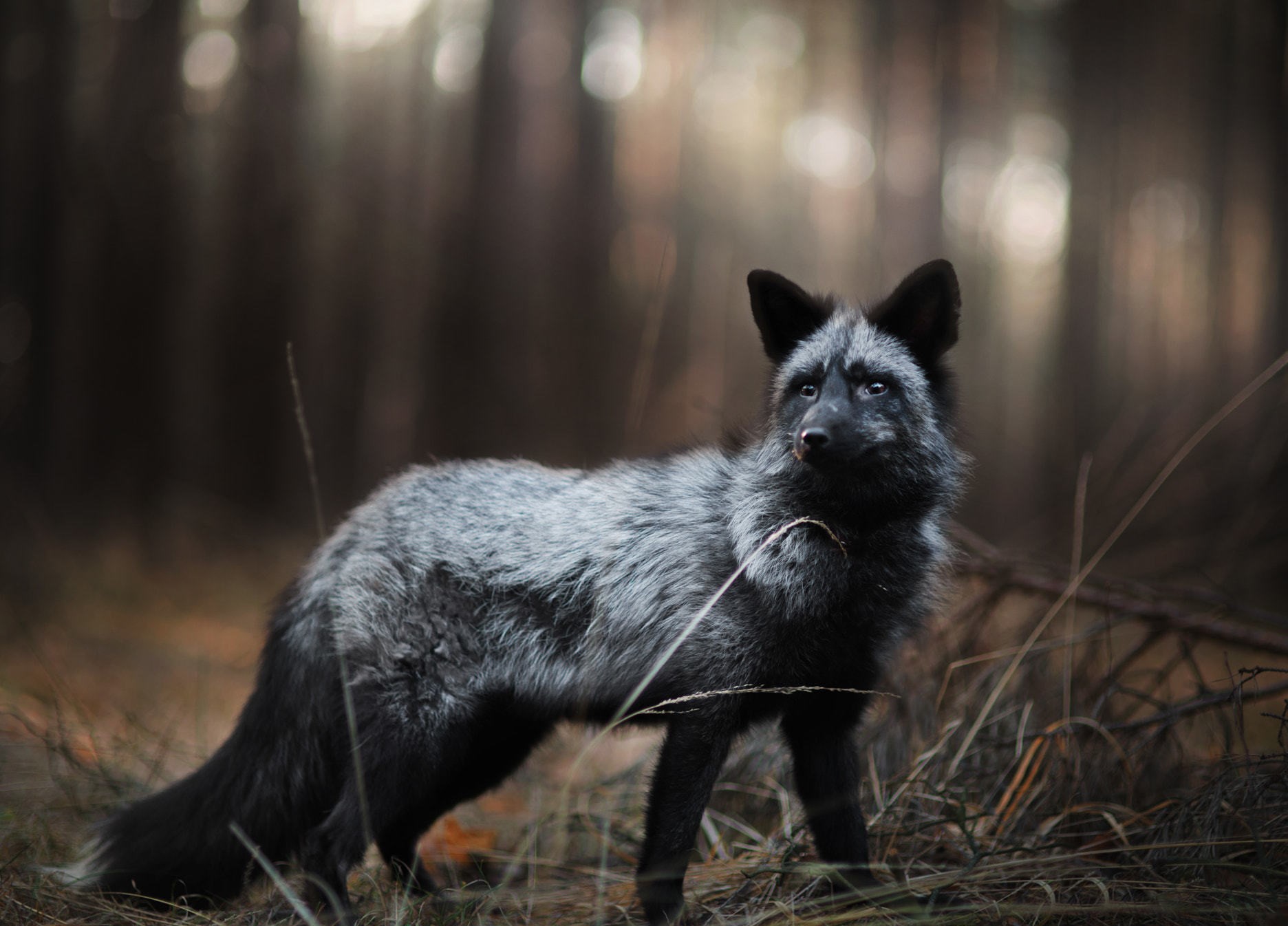
Silver fox
These fluffy, medium-sized animals are closely related to the red fox. Their fur is black, with a blue or brown tint, and in winter, it turns ash-gray. When hunting, the silver fox relies on its sensitive hearing, allowing it to easily track rodents under a thick layer of snow.
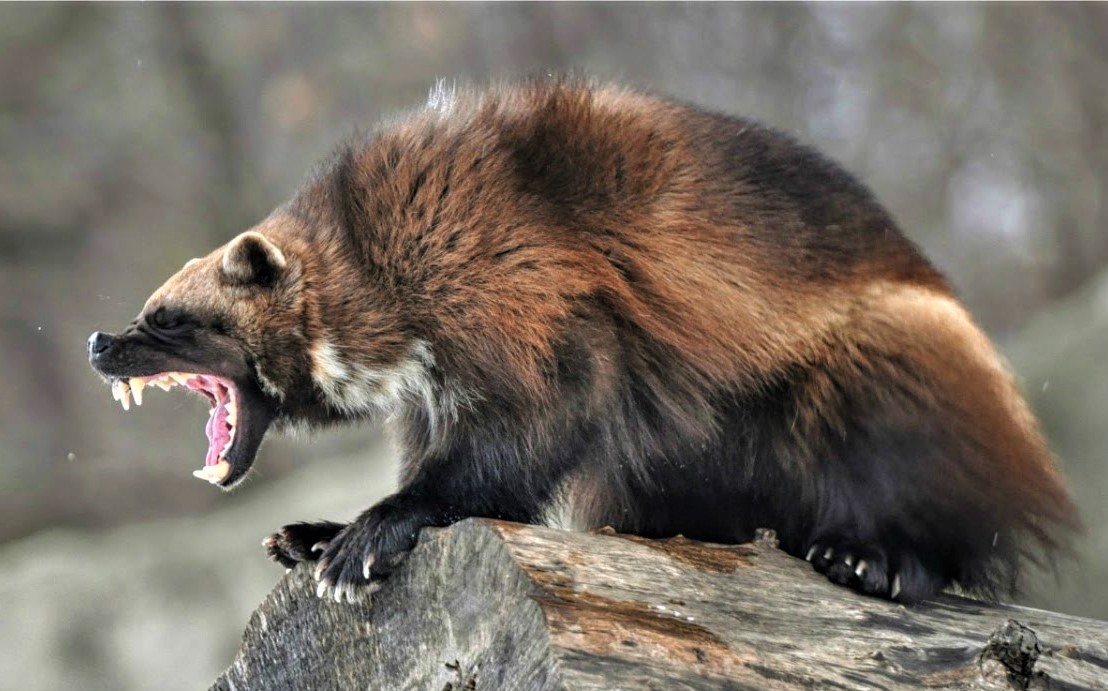
Wolverine
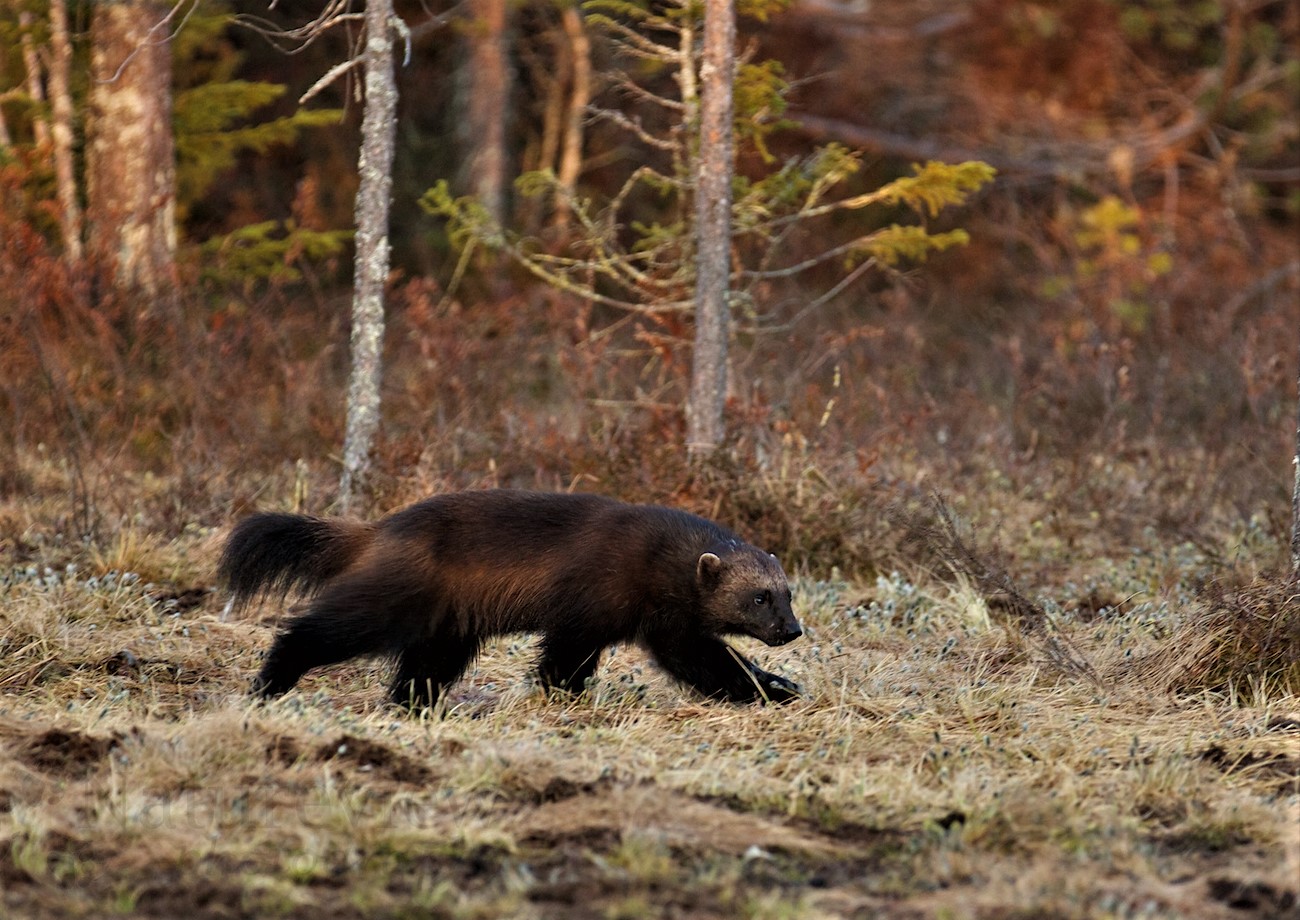
A very unusual and agile taiga animal, primarily nocturnal. The wolverine is an excellent tree climber, digger, runner, and tolerates cold well. After sunset, the animal will travel up to 50 km in search of a half-eaten carcass abandoned by a pack of wolves, tigers, or bears.
Herbivores
Reindeer
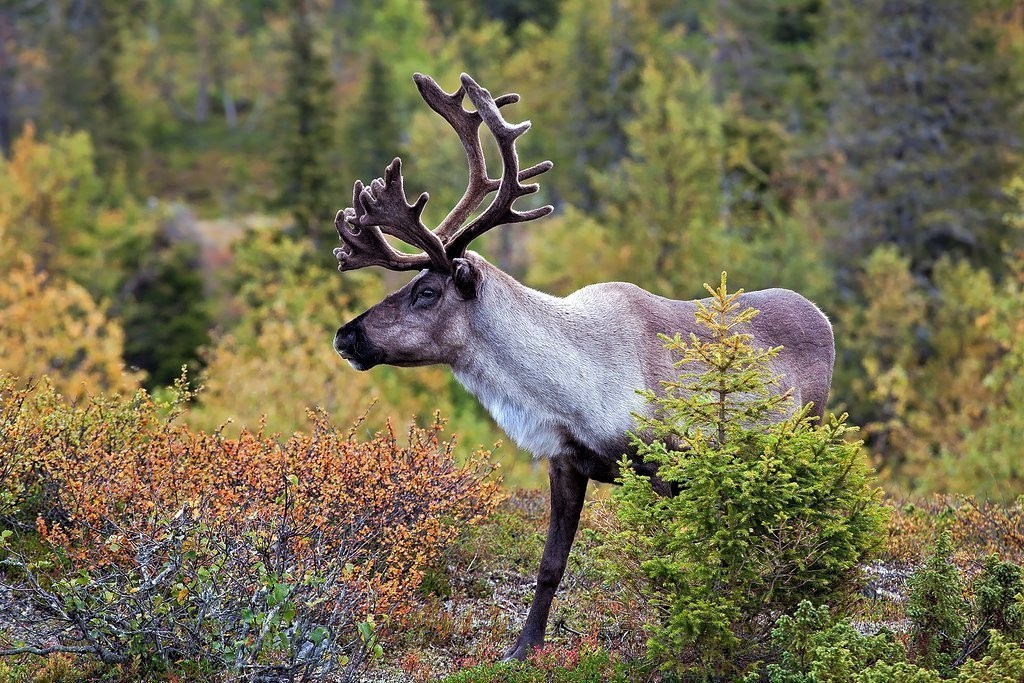
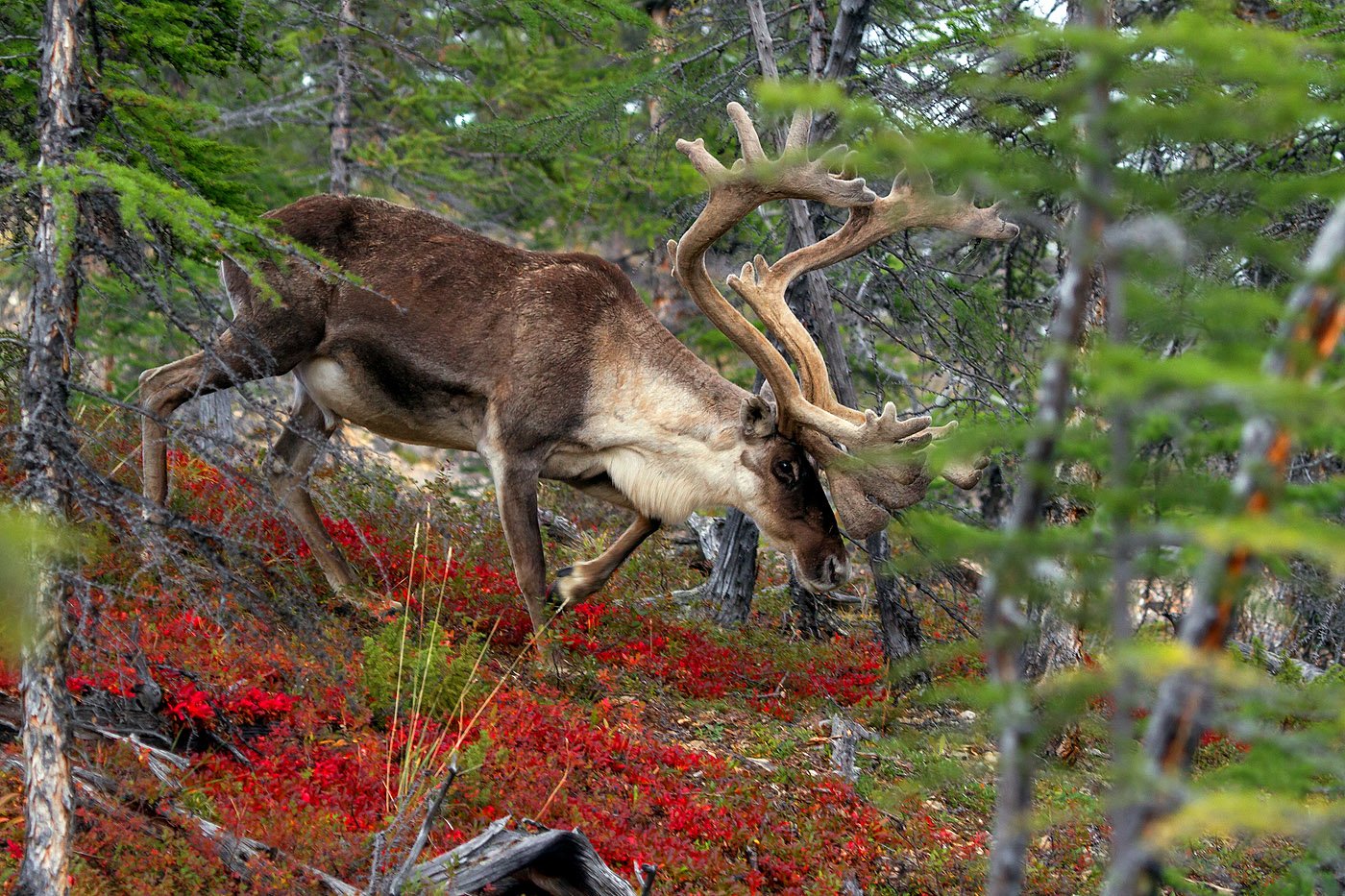
Herds of wild reindeer live not only in the tundra steppes but also in the Altai forests. Forest reindeer are sedentary, only ascending to the mountains in summer, where the air remains cool. Their fur insulates them well, and their hooves are adapted for moving quickly through the snow. Snowy winters are no threat to them—reindeer have adapted to digging through snowdrifts in search of dry grass or moss.
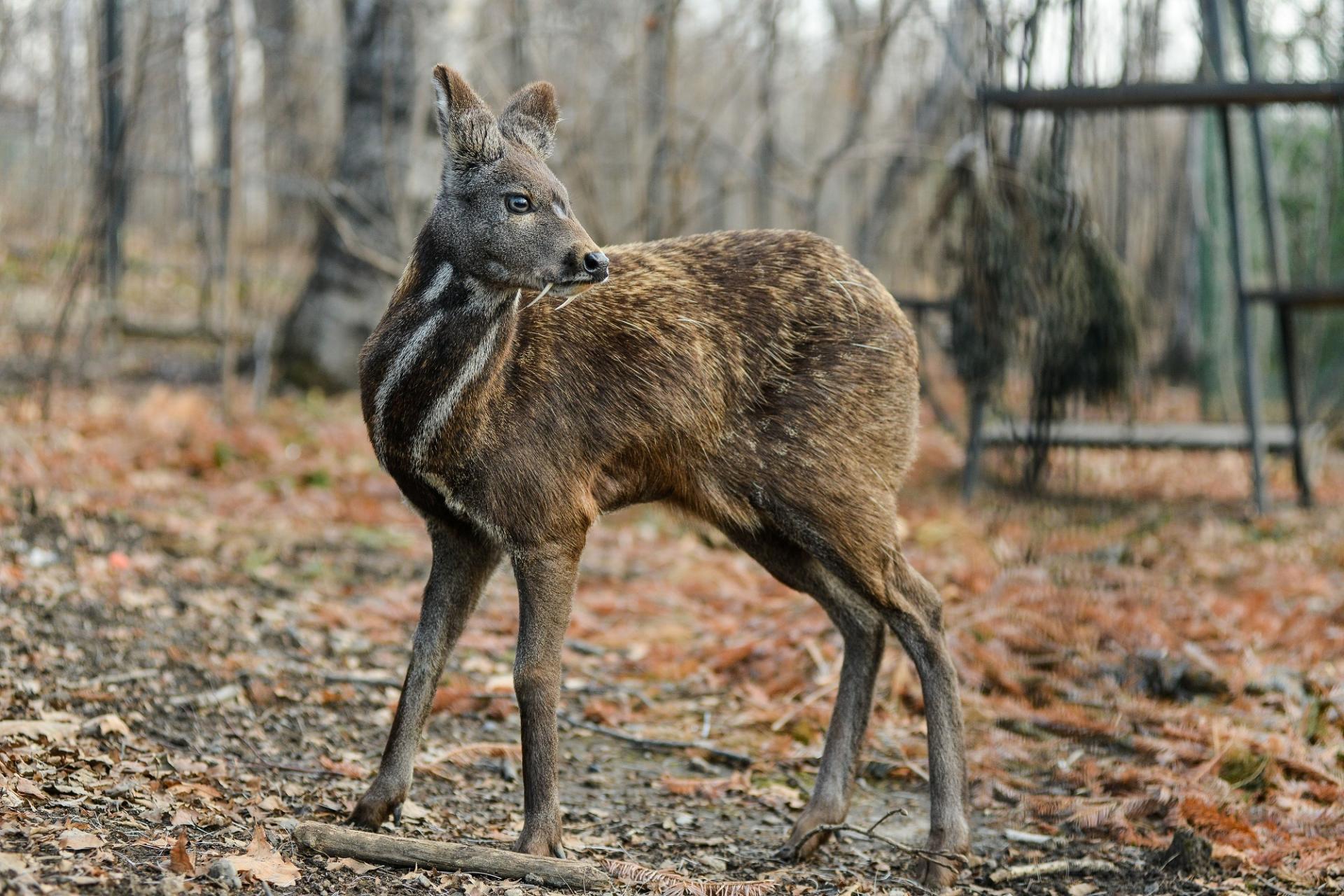
Musk deer
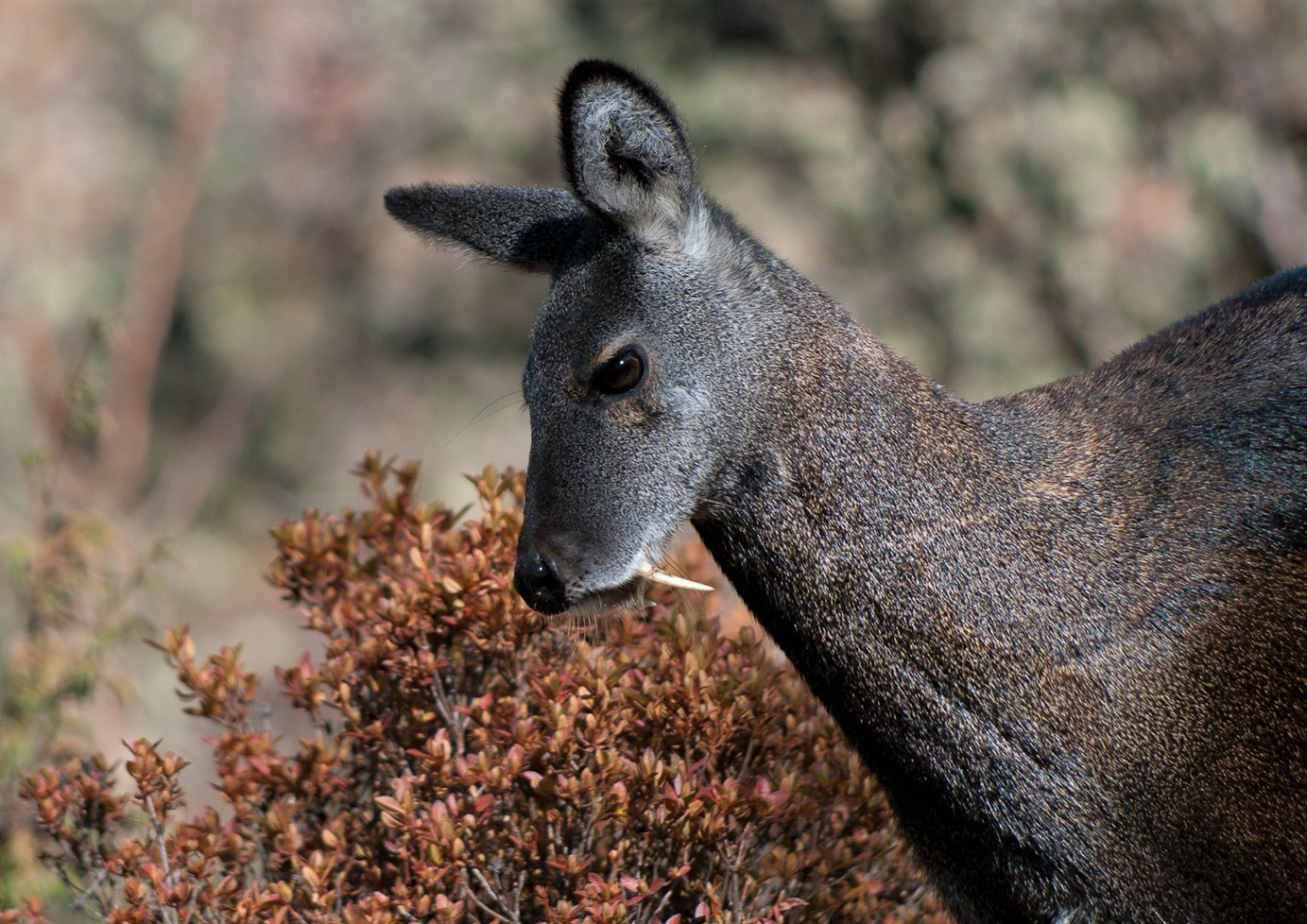
Musk deer are small, even-toed ungulates with excellent jumping abilities. Their unique feature is the absence of antlers. Males have sharp canines to intimidate rivals in competition for females.
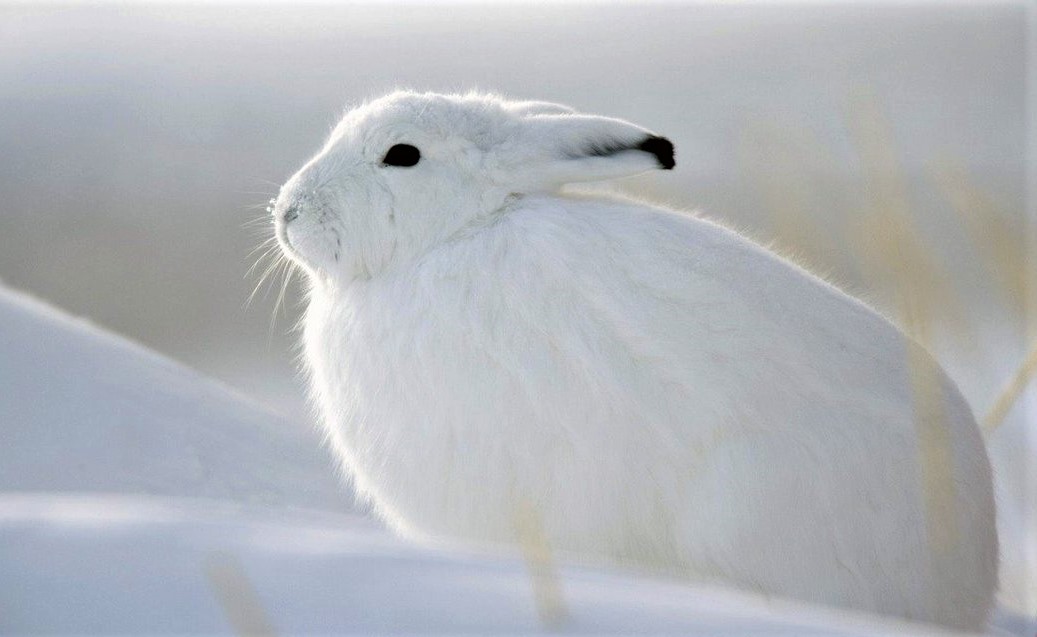
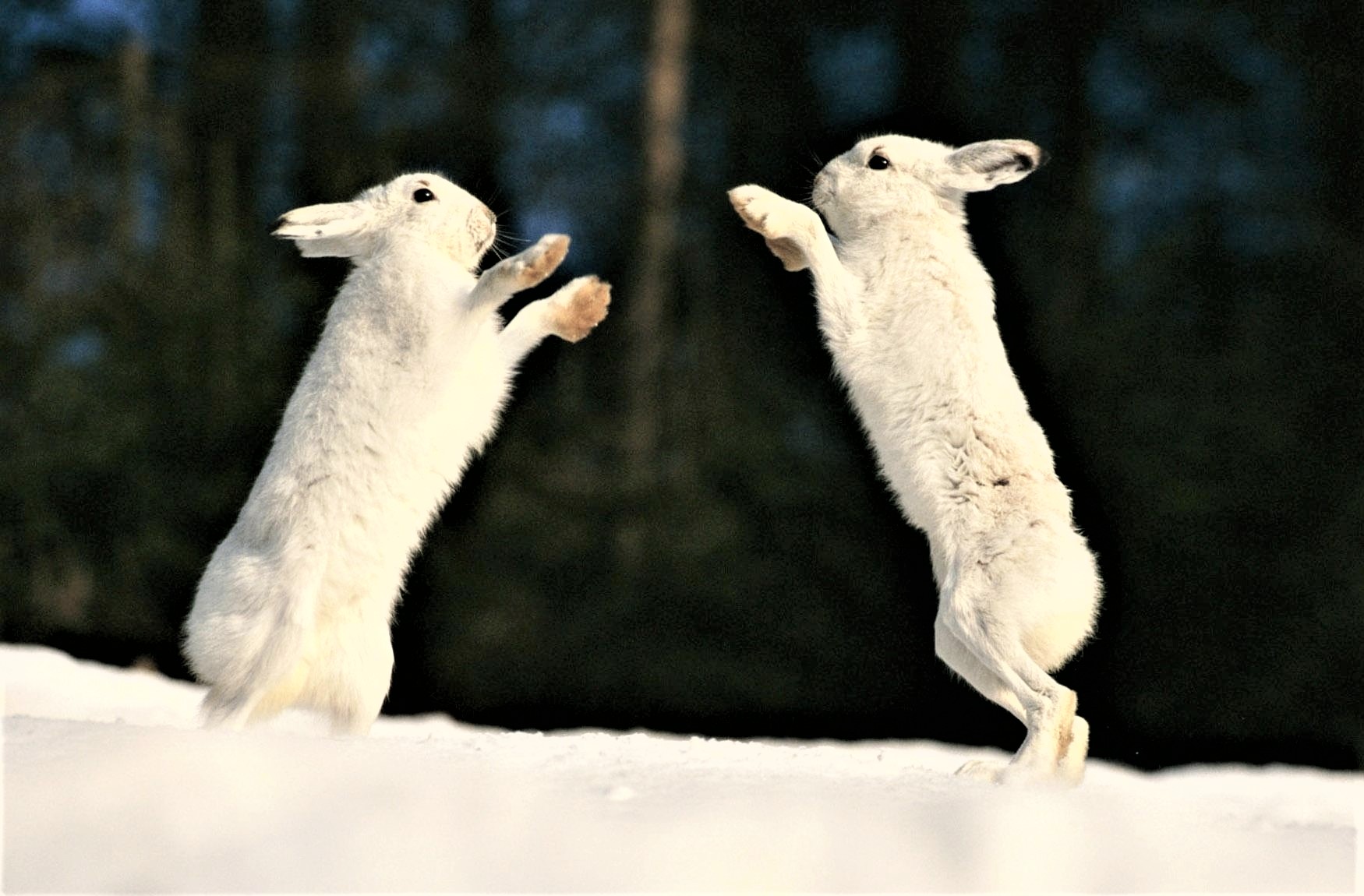
Mountain hare
The life of a mountain hare is fraught with many dangers. They escape predators through agility, cunning, and excellent camouflage. Hares can reach speeds of up to 50 km/h, make sharp turns, confuse their tracks, and leap so long that predators lose their scent.
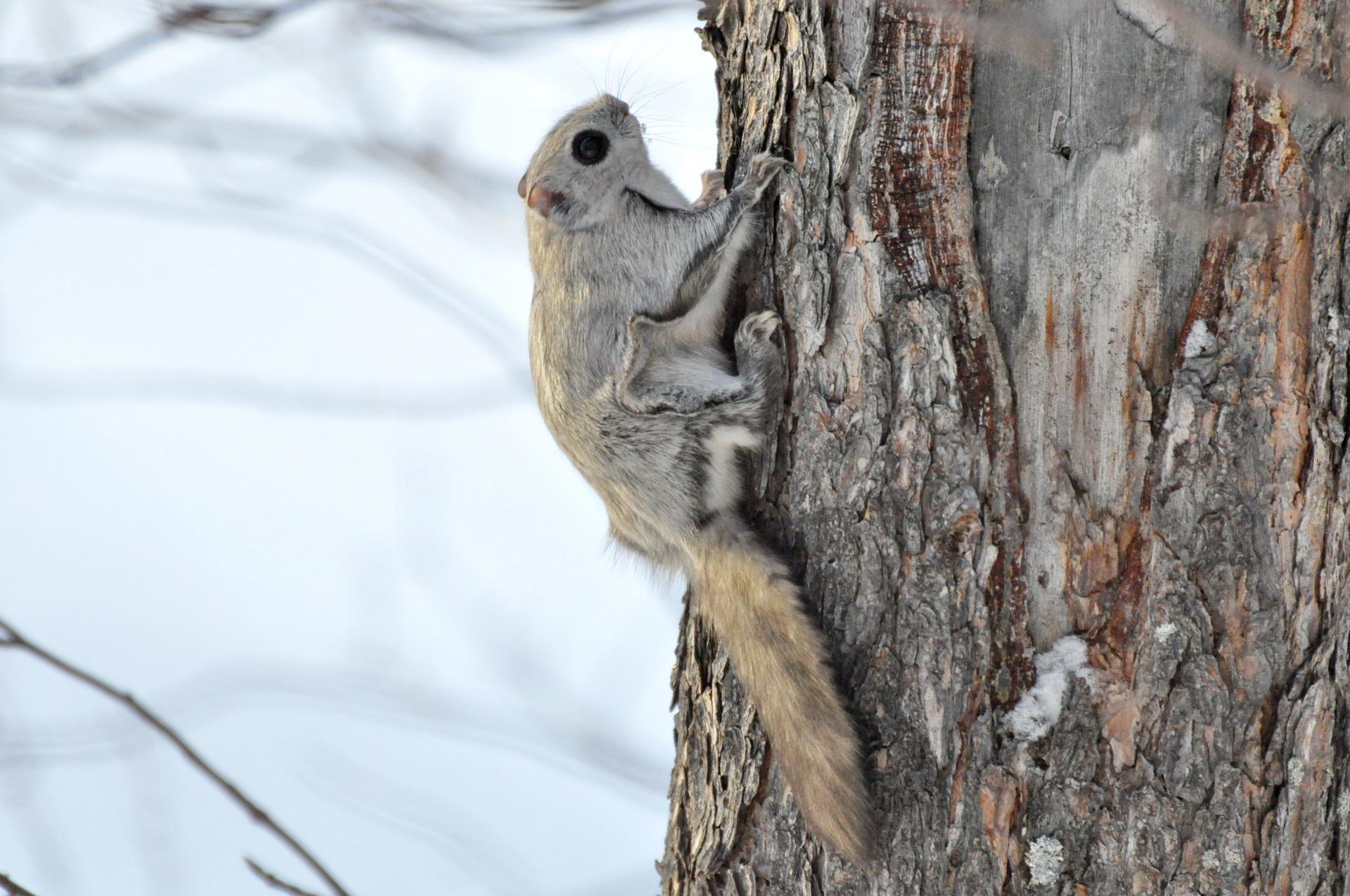
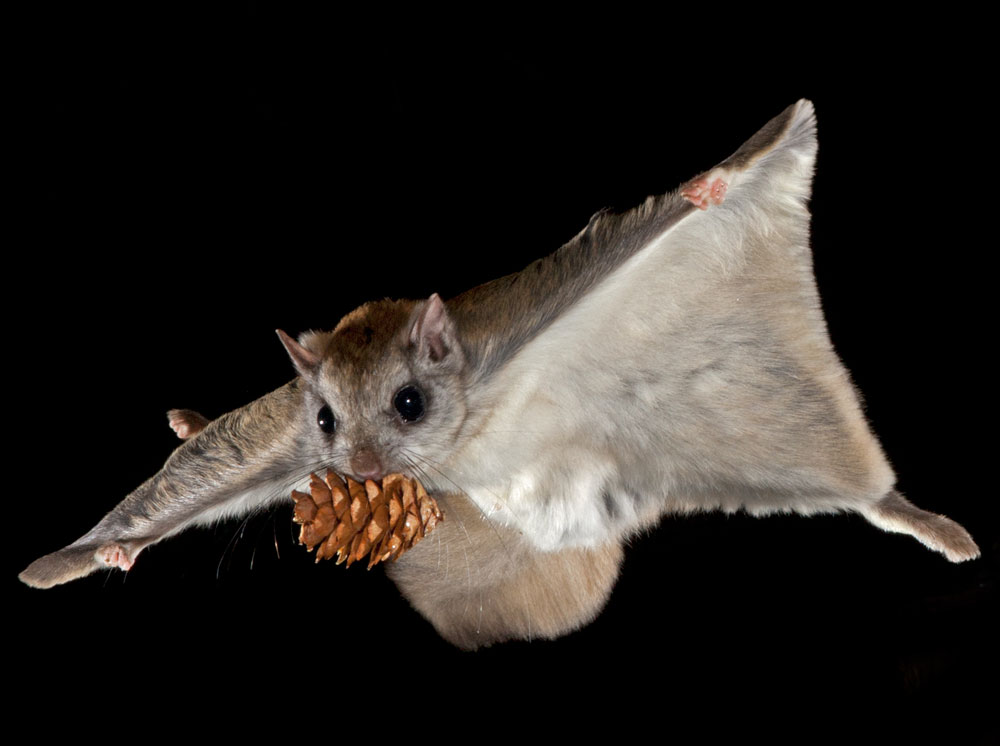
Flying squirrel
Surprisingly, these exotic creatures live not only in the hot tropics but also in the Siberian taiga. Flying squirrels are the only animals that have learned to glide, skillfully capturing wind currents using a fold of skin located between their front and hind legs.
The fauna of the taiga forests is unique. We must respect nature, preserve the forest, and protect the animals. Then, perhaps, our descendants will have a chance to encounter these animals not only in zoos or on the pages of the Red Book, but also in the wild.