Our planet is home to all sorts of unusual and interesting animals. Some boast abilities, some boast fur or height, and still others boast strange tails.
Onagadori
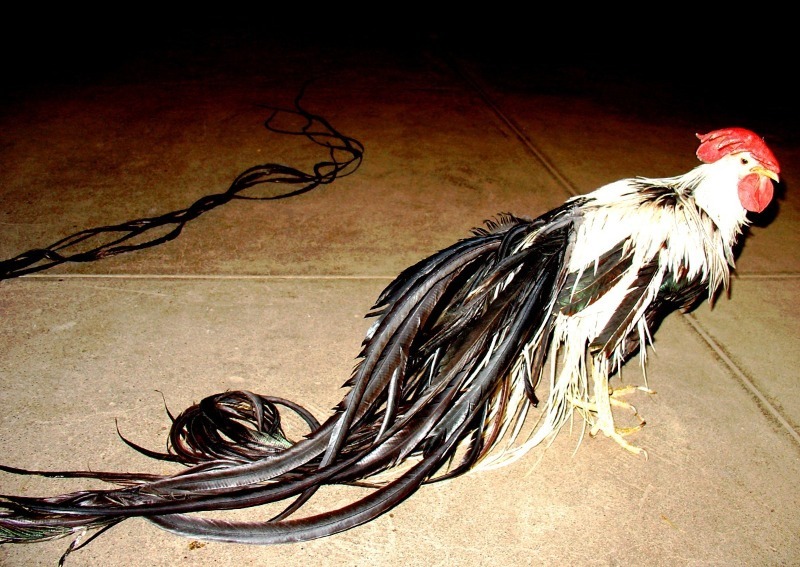
The name of this ornamental Japanese rooster translates as "long-tailed hen." In Japan, these birds are highly prized; they are not sold or eaten, and are even protected by law as a national relic.
The onagadori has an amazing tail—it grows throughout its life, reaching a length of 10 meters. There are record-breakers whose tails have already reached 13 meters and are still growing. The birds are kept in tall cages so they can perch with their tails hanging down.
Scorpion
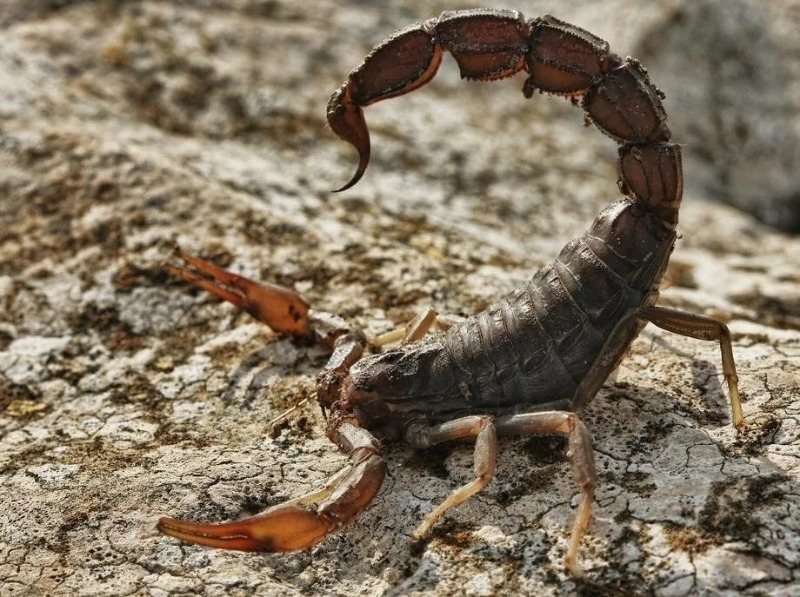
This arthropod is easily recognized by its curved, segmented tail. The stinger is located at the end of the tail. Scorpions use it only in extreme cases, mainly for defense. They attack smaller prey with their pincers. The venom contained in the stinger is not replenished quickly—not for at least two weeks.
Some species of scorpions, like lizards, can shed their tails in dire straits. In doing so, they lose not only their formidable weapon, which no longer grows back, but also part of their digestive system. Without it, the scorpion can live, feed, and even reproduce for several months, but then dies.
Astrapia
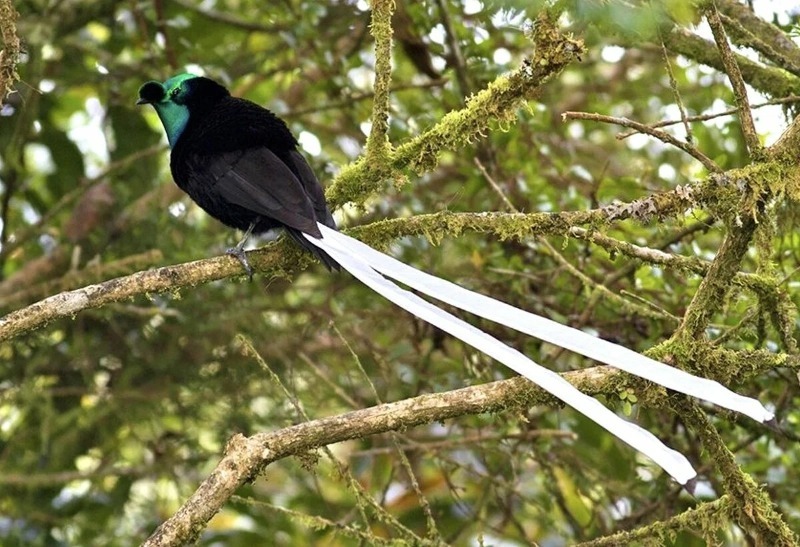
This unusual bird of paradise lives in the forests of New Guinea. The Astrapia holds the record for the longest tail among birds, with its tail three times longer than its body. Its tail is not only long but also bushy.
It's both decorative and problematic for the bird: it hinders its flight and gets tangled in branches and vines. Its long feathers have put the astrapias at risk of extinction: they're over-hunted, and logging deprives the birds of their natural habitat.
Beaver
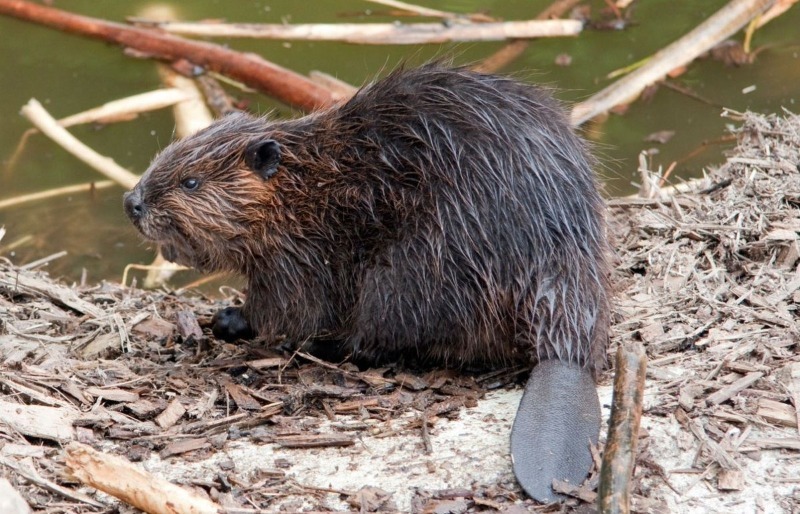
The beaver's tail is its indispensable assistant in everything it does. Unlike the rest of its body, it is flat and hairless. When swimming, it helps the beaver stay afloat and serves as an oar or steering wheel. Therefore, depending on the animal's habitat, this organ can be wide—in calm ponds—or narrow—in fast-flowing rivers.
A beaver's tail can also be used as a danger signal—the animal slaps it on the water to warn its fellow beavers. It can also be used in construction, conveniently plugging holes in dams.
During the winter, this organ accumulates fat to help the animal survive. And in the summer, when it's very hot, the beaver dips its tail in water to cool itself. It's a multifunctional device.
Albino peacock
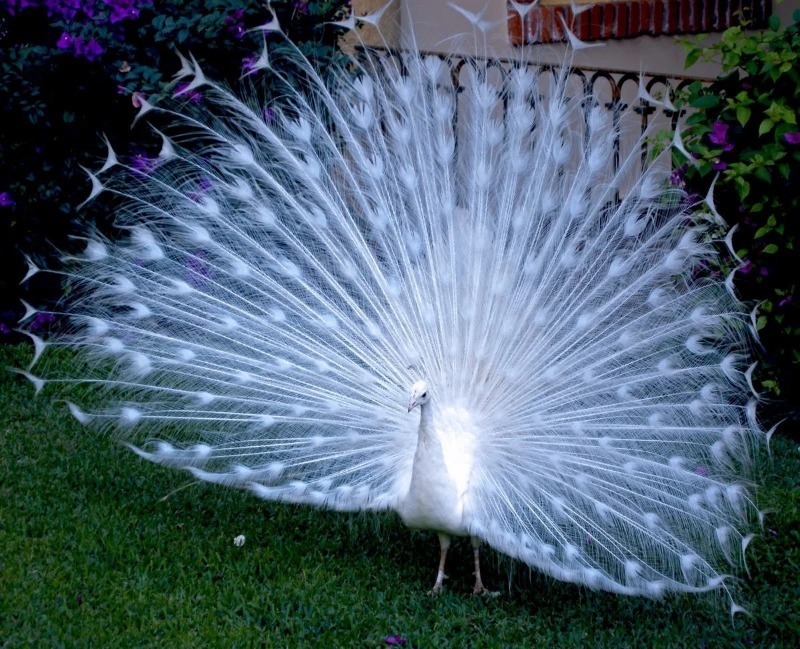
The peacock's magnificent tail is striking in its splendor. The tail of an albino peacock is even more striking in comparison. Its feathers are completely white, exquisite and magnificent. Unfortunately, such a bird can only survive in captivity.
Its white plumage makes it extremely visible to predators. Overall, this peacock is no different from a regular peacock. Its tail is very long: it accounts for 60% of its body length. It is used by males during courtship. The female prefers the male with the largest and most beautiful set of feathers.
Blue-headed Superb Bird-of-paradise
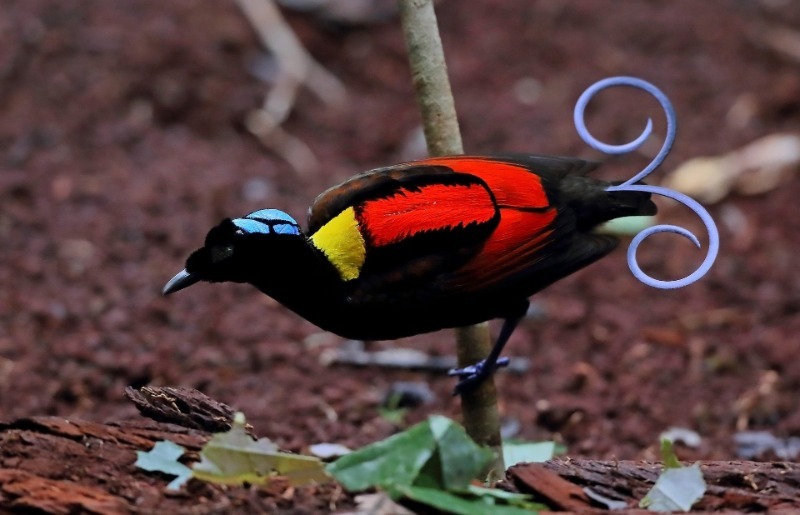
This unusual, vibrant bird is found on just two islands in Indonesia. Its multicolored plumage is truly magnificent. Its tail, seemingly forged from fine wires, deserves special attention.
This amazing feature consists of two thin, dark purple feathers curled in opposite directions from the body into two graceful rings. The bird itself measures only 16 cm, and with the tail, 21 cm.
She is known for her unusual love of cleanliness and order. As soon as she sees trash or disorder, she descends from the tree, regardless, and begins to tidy up.
Spider Monkey
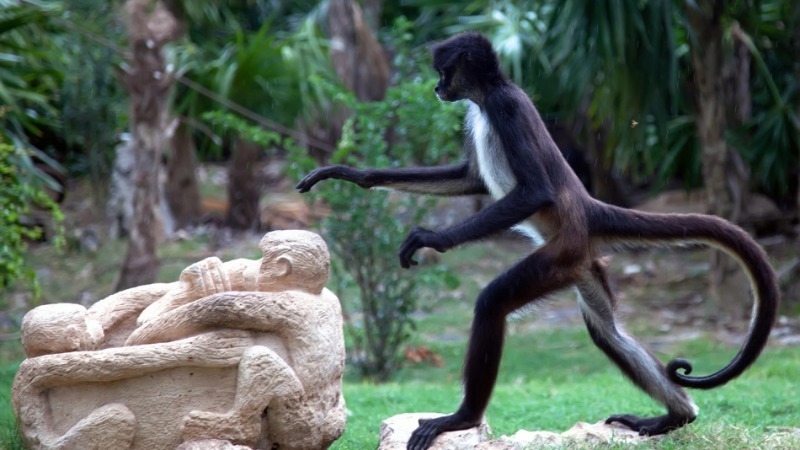
This monkey got its nickname precisely because of its unusual "fifth limb." It effectively uses it like a leg, making it look very much like a spider.
The animal's tail is very long—much longer than that of other monkeys. Its unique feature is not only its incredible traction but also its strength: the monkey can easily hold on to it without using its paws.
Another unusual feature: the last quarter of the tail is hairless and has small growths. These are very prehensile, helping the animal to hold on and even serve as a kind of fingers. With their help, the monkey can even perform complex and delicate tasks, such as picking up a nut.
Australian leaf-tailed gecko
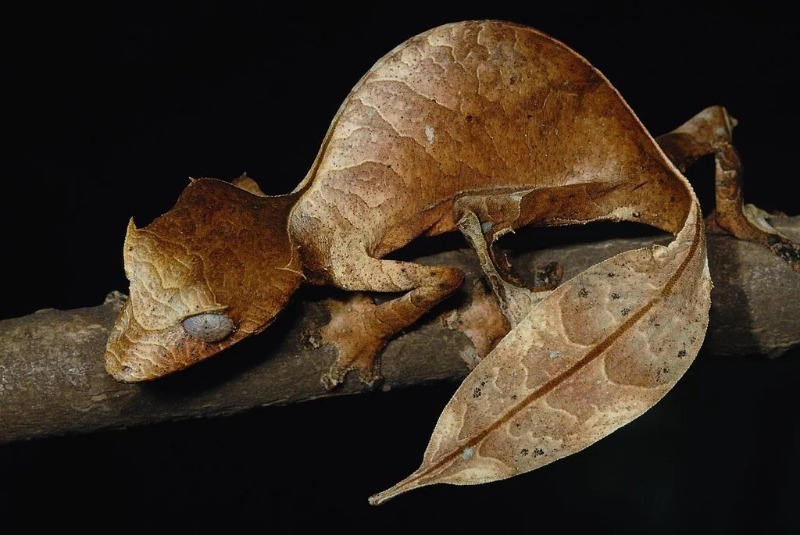
This strange animal lives in the tropical forests of Madagascar. It possesses an amazing ability to mimic—disguise itself—in its environment. Its gray-yellow-green coloration helps it achieve this.
And its unusual tail plays no small role. It's the spitting image of an old, decaying leaf. It has the same protrusions, bumps, and even veins. This organ serves as a wonderful camouflage element for the gecko.
It's practically impossible to spot among mosses, lichens, dry twigs, and leaves. Leaf-tailed geckos are often kept in captivity in terrariums.
Motmot birds
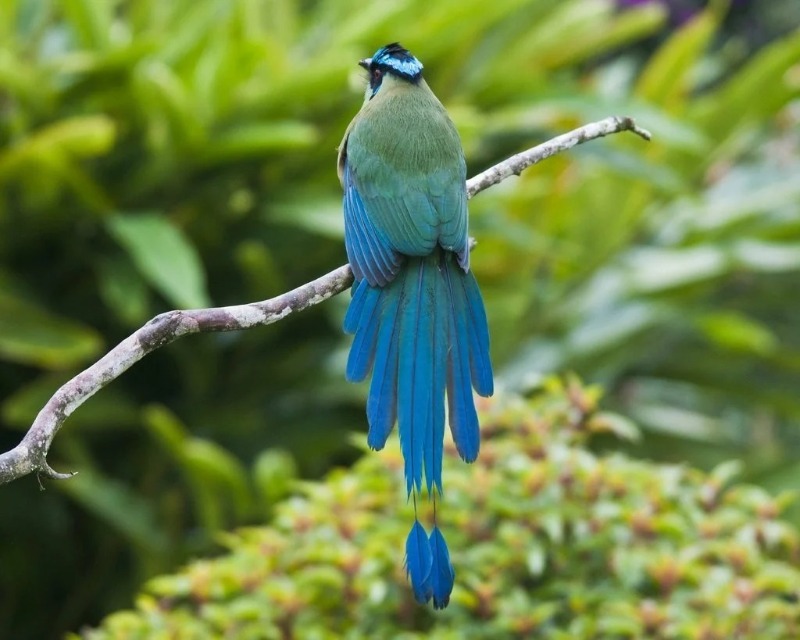
This family of tropical birds includes kingfishers, rollers, and bee-eaters. All are medium-sized birds with soft plumage and long tails that flick back and forth. A distinctive feature of the tail of the motmot is the bare skeleton of the longest feathers, giving them a racket-like appearance.
Many of them even pluck their own tail feathers, leaving wide flags at the ends. Their bright colors and unusual appearance have made these birds very popular. They are even the national symbols of El Salvador and Nicaragua.