Although science knows countless animals, scientists add new species to the catalog every year. Here are a few that have been identified most recently.
Pocket shark
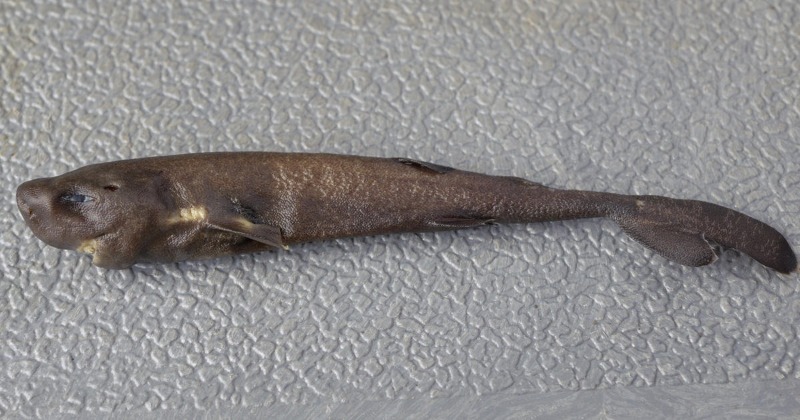
A new species of deep-sea shark was discovered on July 19, 2019, although the fish itself was discovered in 2010. The discovery attracted scientists due to its unique characteristics, differences from its relatives, and small size. The discovered specimen measured just 14 cm in length, making the American pocket shark the smallest known predatory species.
The fish's unusual anatomy also attracted scientists: special pockets containing glands were discovered on its body. They are hidden behind the pectoral fins. Another distinguishing feature from its relatives is that this tiny shark is able to glow in the dark thanks to photophores (luminescent organs consisting of three layers of cells, the lower of which contains uric acid crystals that reflect light) located throughout its body.
Horned agama
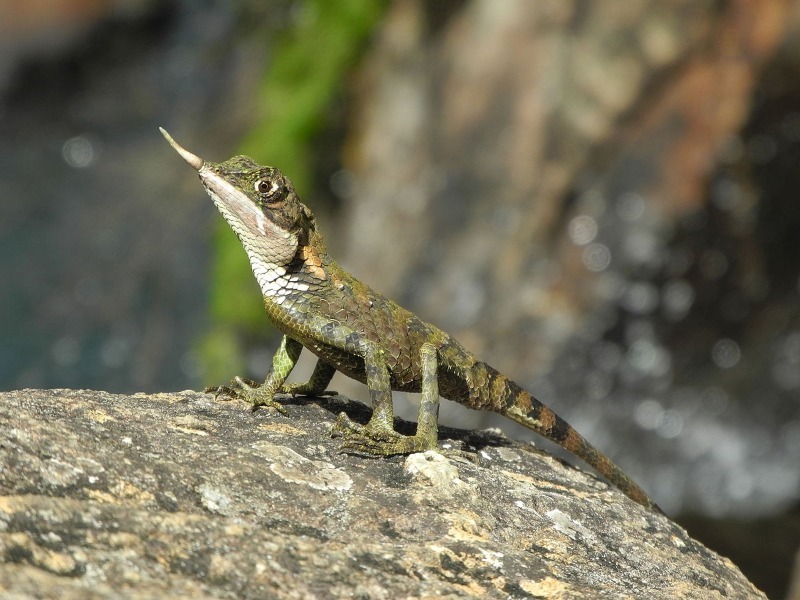
In 2017, an unusual lizard, dubbed the Phuket horned tree agama, was discovered in the mountain range of the same name.
It was only in 2019 that this new species of the agama family was discovered. It differs from its relatives in its unique coloring, size, and the presence of two horns on its head.
Foxcat

Also known as the cat fox, this furry beauty lives on the island of Corsica. Scientists only managed to capture several specimens of this species in 2019, allowing them to thoroughly study the animal's DNA.
The results obtained made it possible to say that this is an unknown species of cat, whose closest relative is the wild African steppe cat.
The animal found has nothing in common with foxes. Locals nicknamed it "Foxcat," likely due to its bright red color.
Gretobeetle
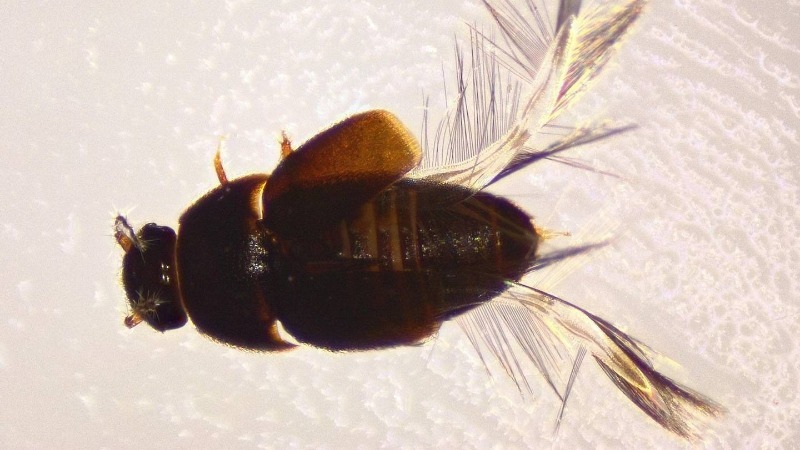
This beetle was named after Swedish environmental activist Greta Thunberg. It was discovered back in the 1960s.
Until 2019, it was kept at London's Natural History Museum, when museum employee Michael Darwin discovered that the tiny pest did not belong to any previously known insect species.
Stone-eating worm
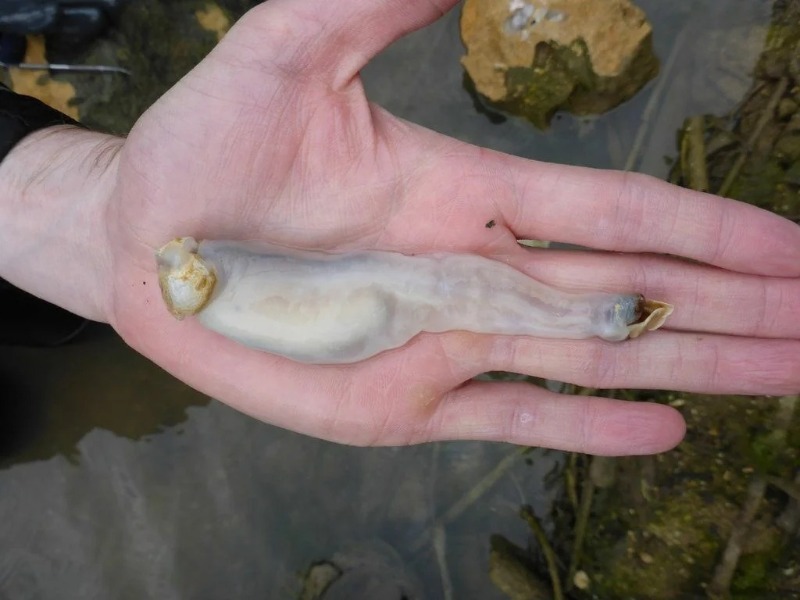
It is a mollusk belonging to the family of shipworms (Trudidae). The family received its name because it feeds on wood, particularly ship wood. However, unlike its relatives, the new species feeds on stones.
Scientists can't yet explain how this happens. Most likely, it involves bacteria from the worm's digestive tract, which are capable of breaking down limestone and using it to produce nutrients.
Spectacled flower beetle
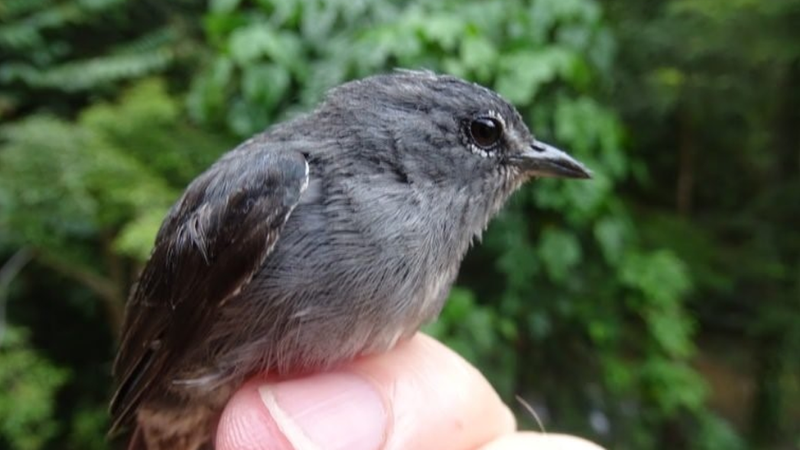
This tiny bird was discovered in Borneo, the only island in the world whose territory is shared by three countries: Indonesia, Malaysia, and Brunei.
The new species of bird feeds primarily on mistletoe.
The spectacled flower-eater got its name from the white spots that are located above and below the eyes.
Rainbowhead
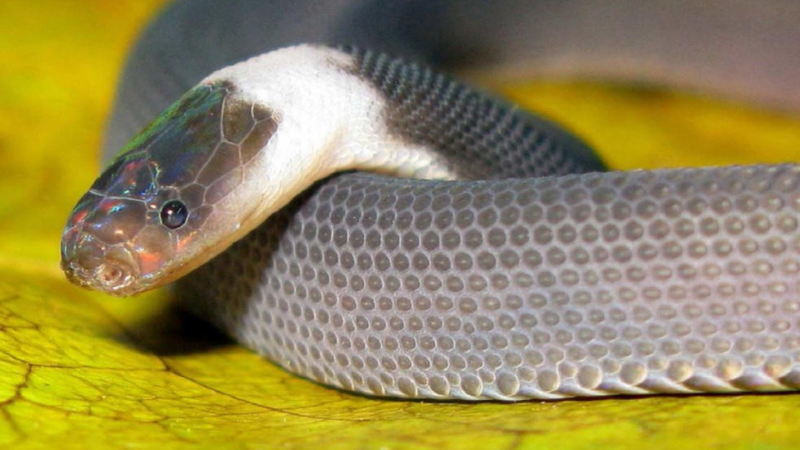
Looking at photographs of this snake, one might think the rainbow spots on its head are a photographic defect. In fact, this is a characteristic of this species, which is why it's nicknamed the rainbowhead.
This snake was discovered in the karst mountains of northern Laos. Initially, scientists believed the species was restricted to this area, but this theory was later disproved—rainbowhead snakes were discovered in another location. This suggests the species' survival prospects are high.
Triton-Klingon
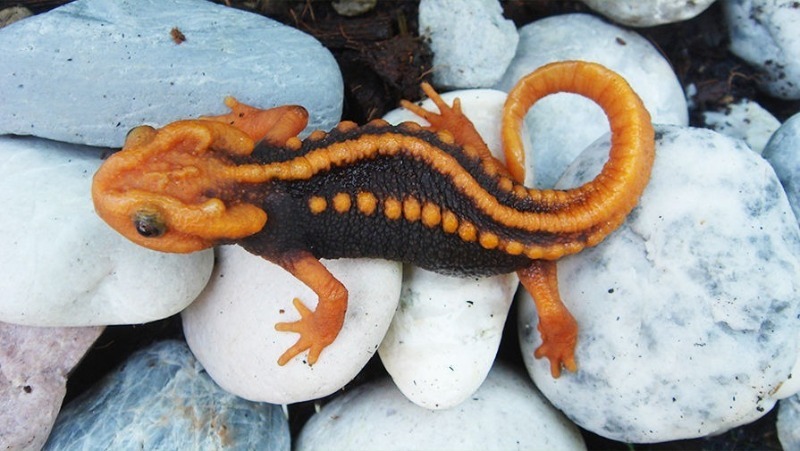
This unusual newt, which looks remarkably like a rubber toy, was discovered in a province of Thailand. It got its name from the distinctive growths on its skull, which resemble the alien race from the film "Star Trek."
The amphibian's body length is about 7 cm. The animal has a bright coloration, but scientists believe it is not venomous.
Cat-eyed cardinal
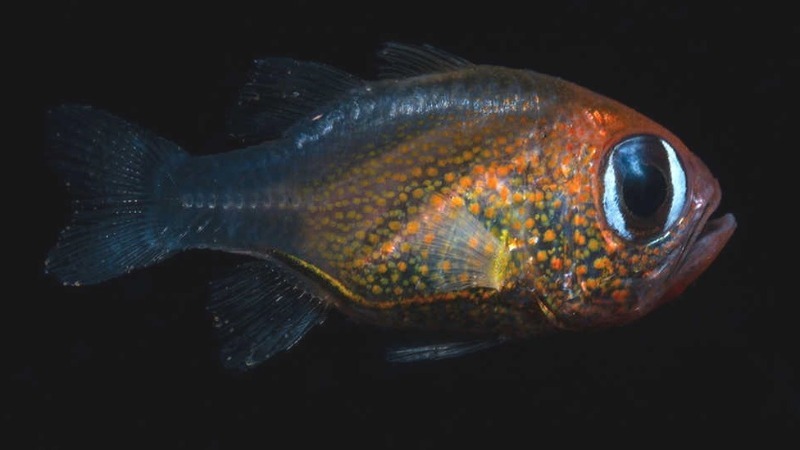
In 2019, the ray-finned fish family welcomed a new species: the cat-eyed cardinalfish. It gets its name from its eyes, which are remarkably cat-like.
This effect is achieved by the presence of a wide dark stripe that runs vertically through the pupil.