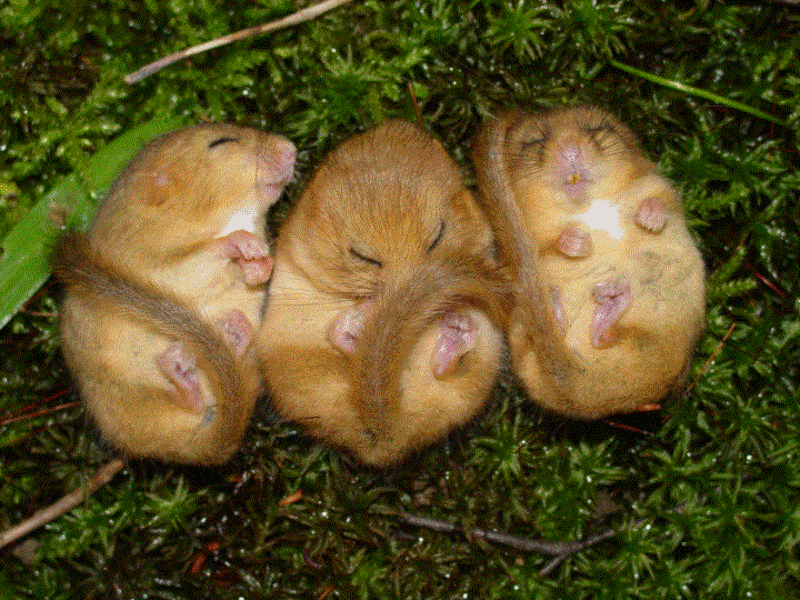
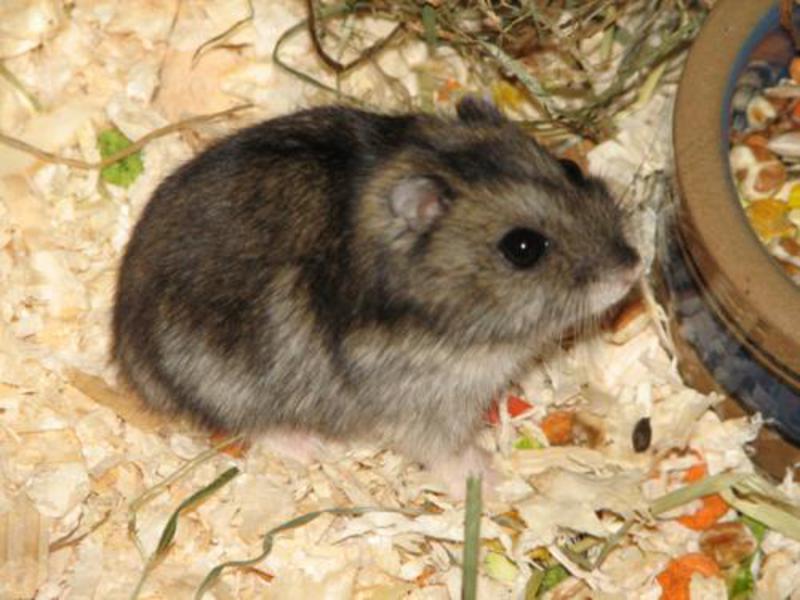
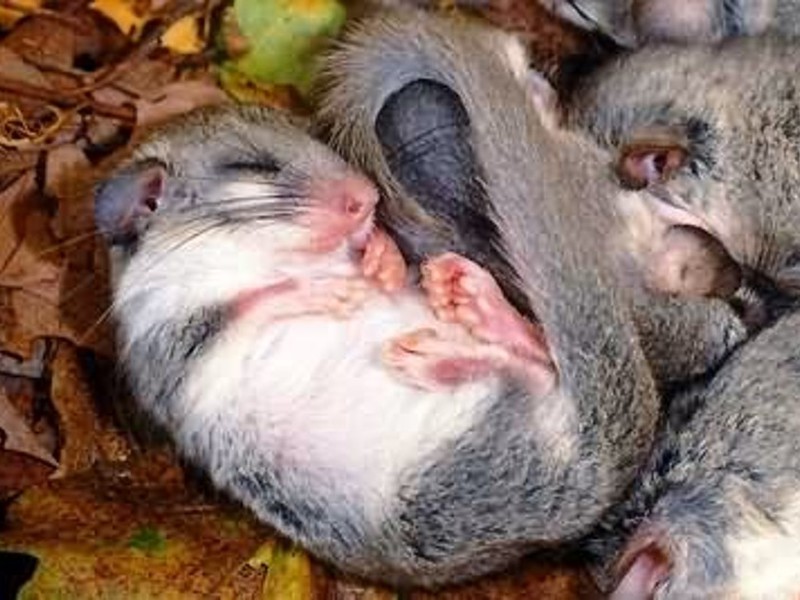
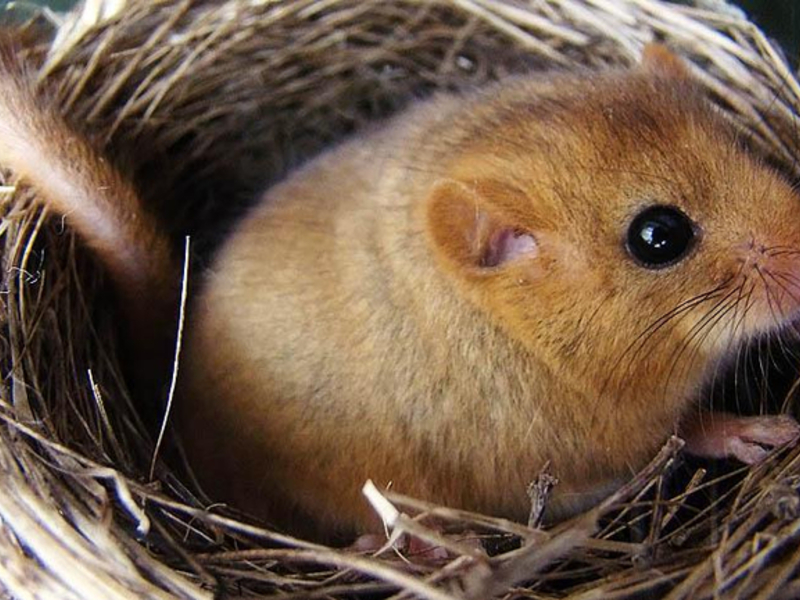
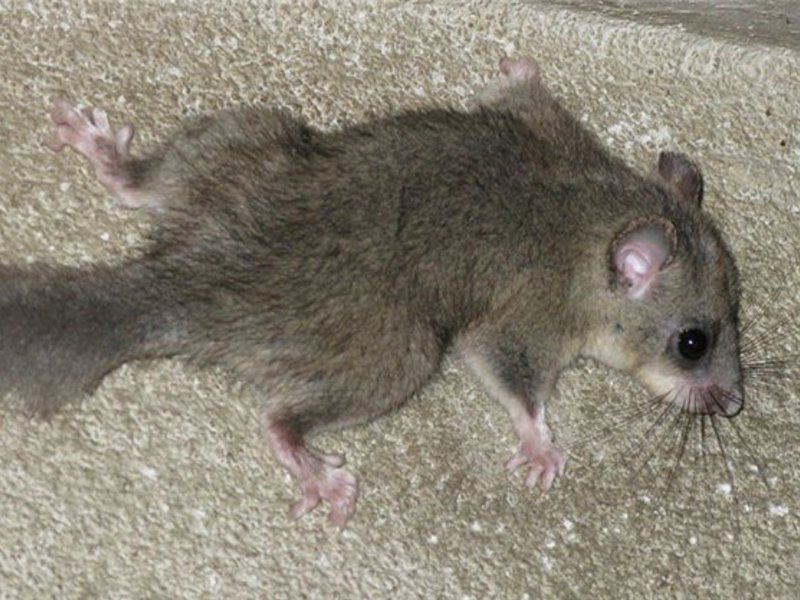
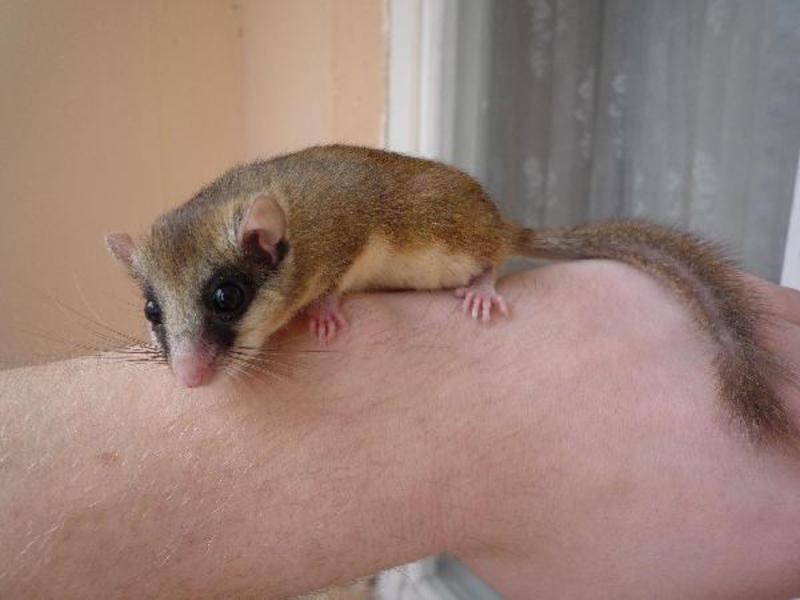
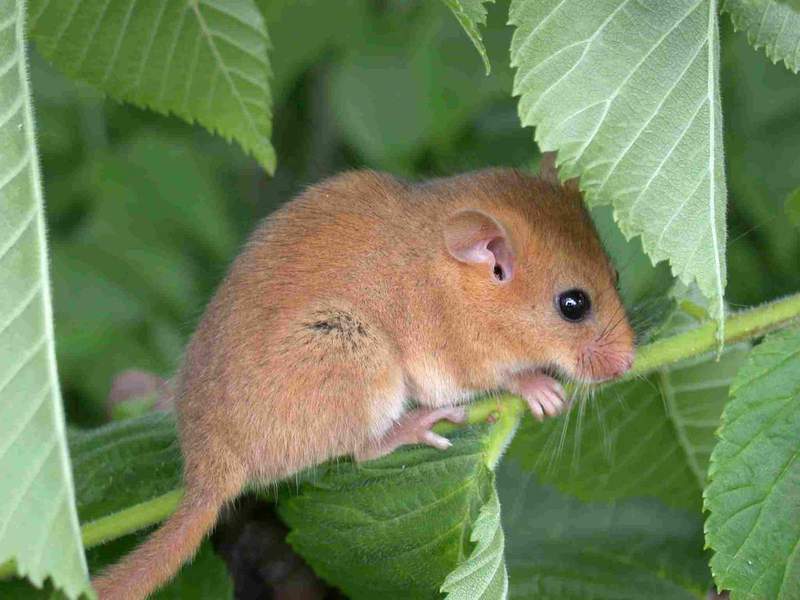
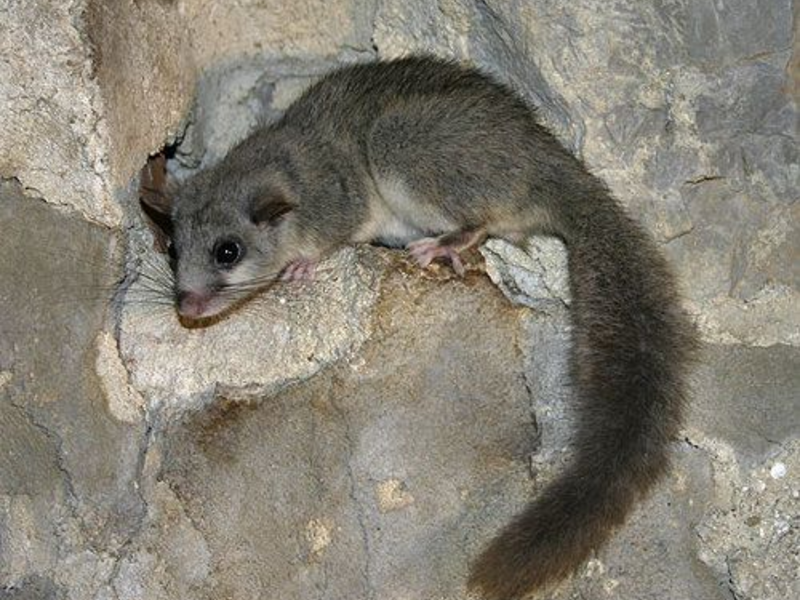
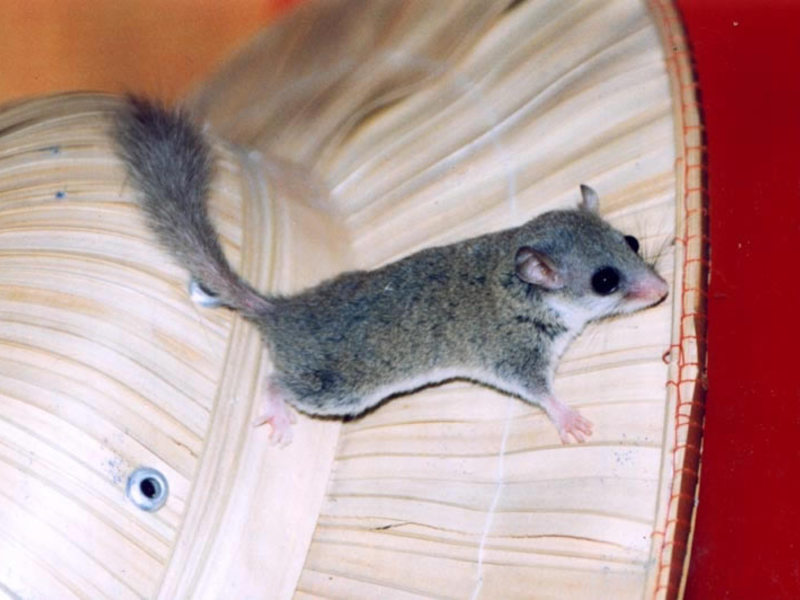
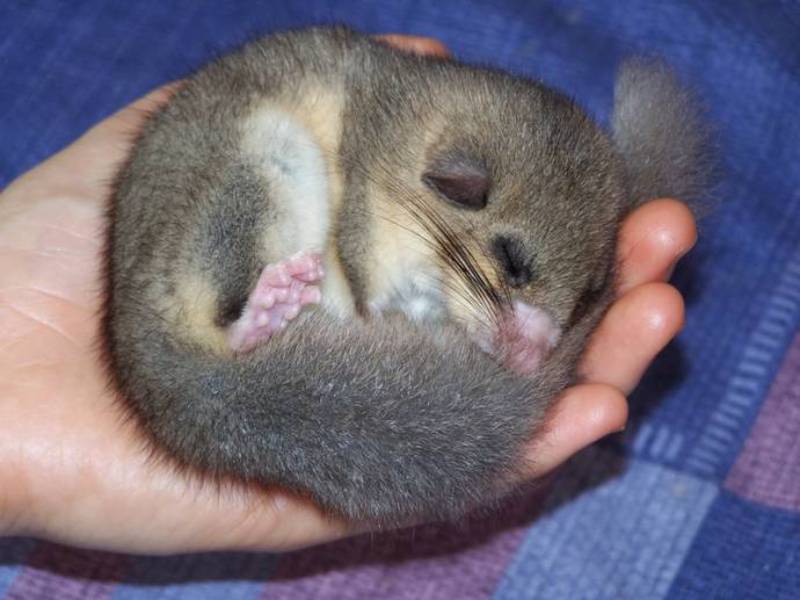
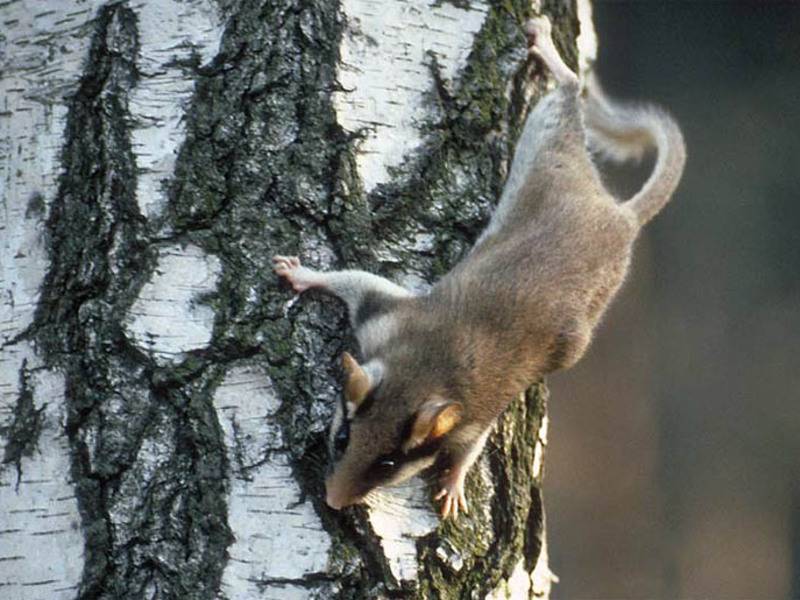
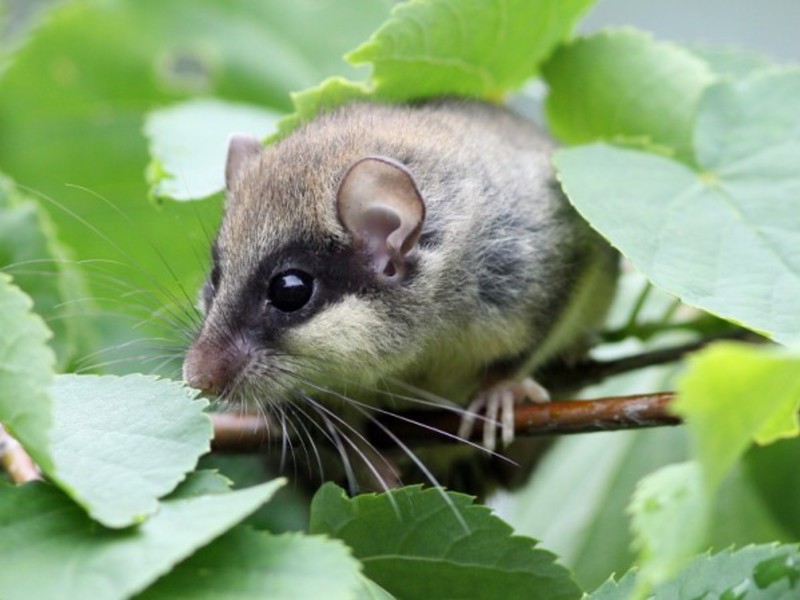
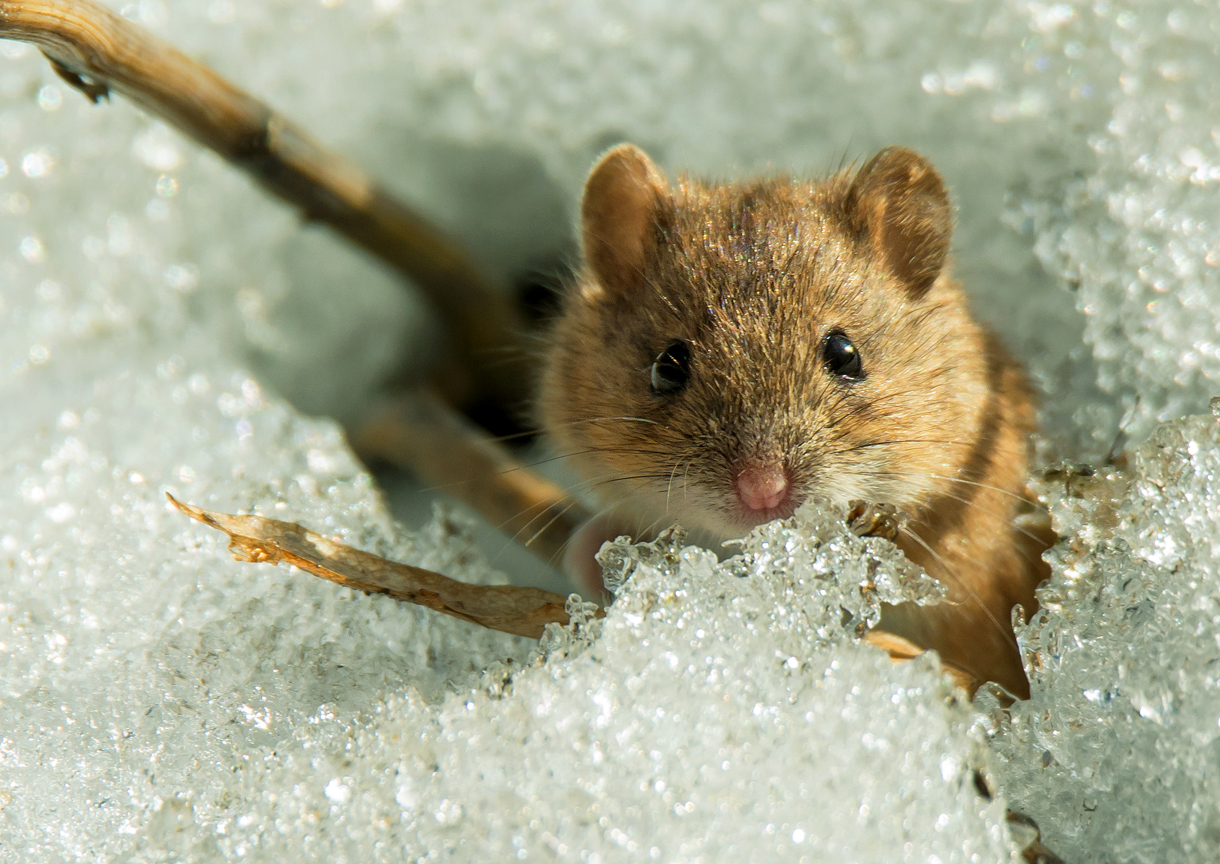
 It's worth noting right away that the dormouse is called a dormouse for a reason. This animal received this name for two reasons. The first is its predominantly nocturnal lifestyle. The second is its long hibernation period in cold weather. Some dormouse species can sleep for up to seven months a year.
Content
Dormouse family
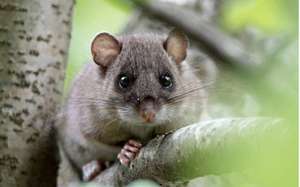
All species in this family have similar structure of bodies and organsAll dormice share large dark eyes, rounded ears, and long whiskers. Their fur is fluffy and soft. Their tails are quite long and also covered with fur.
Dormice are mostly arboreal. If large trees are not nearby, they may inhabit the branches of bushes. However, some species prefer to spend most of their time on the ground.
Gardeners consider some species of these animals pests. This is because these rodents can cause significant damage to orchards and berry fields. However, the damage isn't so severe that farmers would consider dormice to be enemies of humans.
They live in Russia three types of these animals:
- Hazel dormouse.
- Garden
- Forest dormouse and common dormouse.
Dormice are fascinating to watch. They're quite amusing, attractive, harmless, and long-lived compared to other rodents. You'd think they'd be kept as pets, but that's not the case. Why? It's all about their lifestyle. Animal lovers are well aware of these little creatures, but they rarely acquire them, as they're only active at night in the wild. Who wants to spend their time watching rodents instead of getting a good night's sleep? That's why there are so few dormice for sale. These little creatures can adapt their lifestyle to their owners' lifestyles when kept in a cage, but few people know this.
A little about the life of dormice
 Sony looks like a dormouse have similarities with proteinsAlthough they are mostly active at night, these animals see just as well during the day as they do in the dark.
Nature has endowed dormice not only with excellent eyesight but also with a unique skeleton capable of vertical compression, allowing them to squeeze through the narrowest cracks in tree trunks and reach the safest places to rest and build nests. This is a crucial quality for these rodents, ensuring their survival.
When dormice go out to search for food they are very rely on their own hearingRound, fairly large ears act as locators. They constantly change position on the animal's head, moving independently of each other. The garden dormouse has the largest "locators." Photos of these birds can be found online. The hazel dormouse has the second-largest ears. Third place is shared between the polchok dormouse and the forest dormouse. Photos of these cute creatures can also be found online.
Dormice feed primarily on hard food. We compared them to squirrels above. This comparison is especially noticeable when a dormouse is eating. Like a squirrel, it holds its food with its forepaws and quickly rotates it. This action allows the rodent to crack open various seeds and nuts quite quickly. The dormouse literally cracks the shells with its sharp incisors.
Unlike most other rodents, dormice cannot be called fertile animalsThey mature late for reproduction, never having more than five young in a litter, and only mate twice a year. While such conditions might seem threatening to the dormouse population, the reality is quite different. Females have a very strong maternal instinct, meticulously caring for each young. Combine this with their robust health and long lifespan, and you have a stable population whose safety is never threatened.
Dormouse content
 Dormouse cages are no more difficult to keep than other pet rodents. Just remember that these animals require an all-metal cage with a very sturdy base. It's also ideal if the base is made of metal. These rodents will eat through plastic in five seconds. Such cages are available for purchase. However, dormice-friendly cages are rarely available for sale, so cages are usually custom-made or homemade. If desired, the cage can be replaced with a spacious terrarium, as long as it's well-ventilated.
The cage for dormice must have nipple drinker and feederThese rodents drink and eat a lot. It's best to buy metal waterers and feeders, as dormice will certainly chew through other materials.
Dormice can be provided with bedding made from sawdust or wood pellets. The cage must have a secluded corner for the rodent to hide in. This is crucial, as dormice only sleep in hiding places. A wooden house or a cardboard box can be used as a hiding place. The latter is inexpensive but not durable. Rodents will quickly destroy the box.
Dormice, due to their metabolic characteristics, are prone to overeating and accumulating fat. Naturally, excess weight poses a health risk to rodents. Therefore, it's important to provide them with opportunities for active movement. To achieve this, install floors, shelves, ladders, and other elements in the cage for the animals to run around on.
Sonya is very cleanThey spend a lot of time grooming themselves. They need to be kept clean. Change the bedding in their cage regularly. Clean their food bowls and change the water at least every two days.
The rodent cage should be located in a room with sufficient natural light. The cage height should be at human eye level.
Types of dormice
As mentioned above, there are three species of dormouse in our country. Rodents of all these species can be kept as pets, but before deciding to do so, it's advisable to learn about the characteristics of each species.
Hazel dormouse
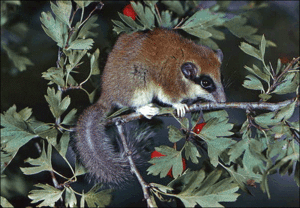
 Rodents of this species are the smallest in size, no more than 10 centimeters. In the wild, hazel dormice live in shrubs. Most often, this hazel, dogwood or hawthornIn their branches they build quite strong nests from grass and leaves.
The hazel dormouse can also nest in trees if it can find a suitable, unoccupied hollow. If an unoccupied birdhouse turns up, the dormouse will certainly settle in.
Incidentally, the hazel dormouse lives in shrubs and trees only during the warm season. In winter, it prefers to sleep in a cozy burrow built at the roots of trees.
Hazel dormice should be kept in high cages as pets. This is because they love to climb. Such a cage should include not just one, but several nesting areas. A variety of resting spots significantly improves the animal's comfort.
Hazel dormice should be fed a grain mixture. Various nuts and sweets can be given as treats.
The hazel dormouse is quite difficult to maintain at home for the following reasons:
- She's very small and nimble. If she gets scared and runs away, catching her and returning her to her cage will be very difficult.
- The hazel dormouse has a rather distinctive odor. Therefore, the cage will need to be cleaned much more frequently. These rodents are contraindicated for those with allergies.
- This species of dormouse needs to be fed insects regularly.
Garden dormouse
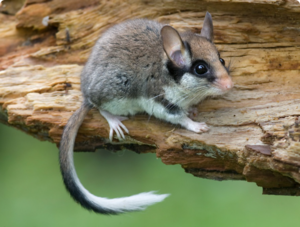
This species is considered the most beautiful. They have a black "mask" on their face, giving them a mysterious and cunning appearance. Their coat is dark red with a golden sheen. The fur on their belly is snow-white. Their tail ends in a charming tuft. Their large eyes and ears add to their charming appearance.
Garden dormouse very mobileIt thrives both in trees and shrubs, as well as on the ground. It feeds primarily on insects. It can also eat plant matter, but prefers animal food.
At home, garden dormice should be kept in spacious cages, or preferably in an aviary. They should be fed insect larvae and mealworms. Boiled eggs can be given as supplementary food.
Forest dormouse
In appearance and behavior, it is quite similar to its garden sister. But unlike the latter, tries to settle away from peopleKeeping this type of rodent as a pet is not recommended for several reasons:
- They have a very complex diet.
- Each individual has its own food preferences. Among forest dormice, there are inveterate gourmets.
- It is quite difficult to obtain and breed the necessary live food for these animals.
African dormouse
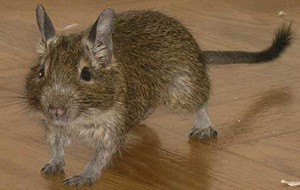
 The most popular species of these animals, the African variety is most often found for sale. Many articles online are devoted to this animal, as are many photos of it.
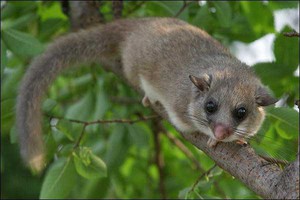
This is a relatively small animal with a body length of about 16 cm and a very long tail – 13 cm. The animal's fur is ash-gray. The belly is usually white, but can also be grayish with brown speckles. The muzzle often has black marksThe tail is two-colored. Dark brown along the main length, whitish at the tip.
The African dormouse's diet is extremely varied: grains, greens, insects, and fruit. Feeding this animal at home is no problem. But most importantly, this is the most sociable and cheerful dormouse species. These animals easily become accustomed to people and will run to your arms. They even begin to respond to their name.