 The first rodents appeared more than 60 million years ago. Their development coincided with the emergence of ungulates, which also fed on plant matter. Therefore, rodents' small size was the best way to avoid competition in those distant and difficult times.
The smallest specimens can weigh no more than 10g. The largest, which appeared much later, reach a maximum weight of 60 kg.
The order Rodentia is divided into six suborders, which comprise 29 families. Each family consists of specific species. Total number of all rodent species — 1600. Each species is unique and differs from the next, depending on its habitat. Weather, predators, terrain, and much more have changed the appearance and internal structure of each individual over time, making the rodent increasingly adapted to survival.
It would take too long to list all the rodents.
Let's get acquainted with the suborders:
Squirrel-like
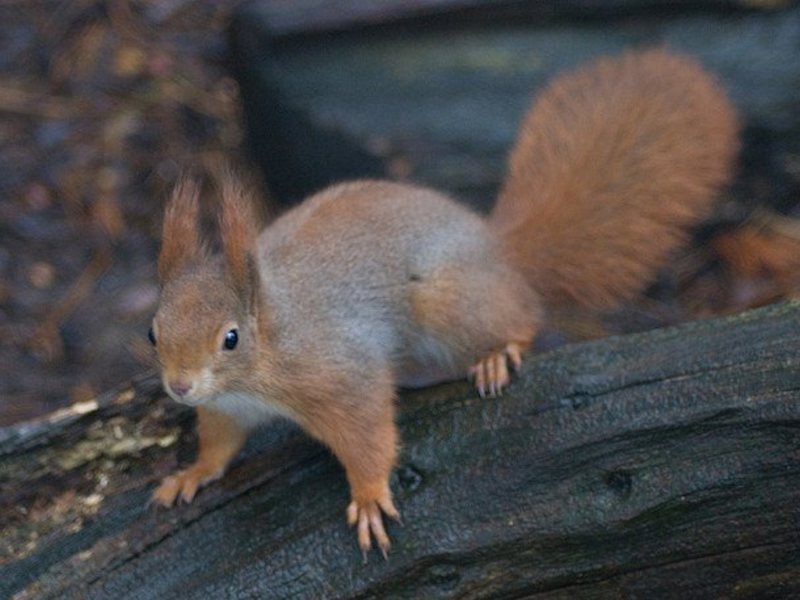
 Some of the most recognizable rodents. Even if you haven't encountered one in real life, everyone has definitely seen squirrels in photos. Some Squirrels are easily recognized by their luxurious fluffy tails and pointed ears with tufts at the ends. They are quite widespread on the ground. They store food for the winter; many species hibernate. The meat of many squirrels is very tasty. Their fur is very popular with hunters.
Ground squirrels, which belong to this family, are usually pests for humans and also carry dangerous diseases.
Arboreal dormice resemble squirrels, while ground dormice resemble mice. They are a source of secondary fur.
Beavers
These include the common and Canadian beavers, renowned for their ability to build dams and canals. These large rodents, reaching over 30 kg in weight, lead a semi-aquatic lifestyle.
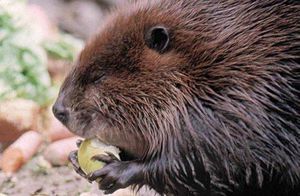 Gophers are also members of the beaver family. These rodents lead a predominantly underground lifestyle, similar to moles. For them characterized by very large cheek pouchesThey tear up the earth with powerful incisors, then rake it with paws with impressive claws.
The third family included in this suborder is the pocket mice. The very name of these rodents suggests that in appearance they resemble small kangaroosTheir hind legs are much stronger than their front legs, making them resemble jerboas. The only thing they have in common with gophers is their enlarged cheek pouches.
Porcupines
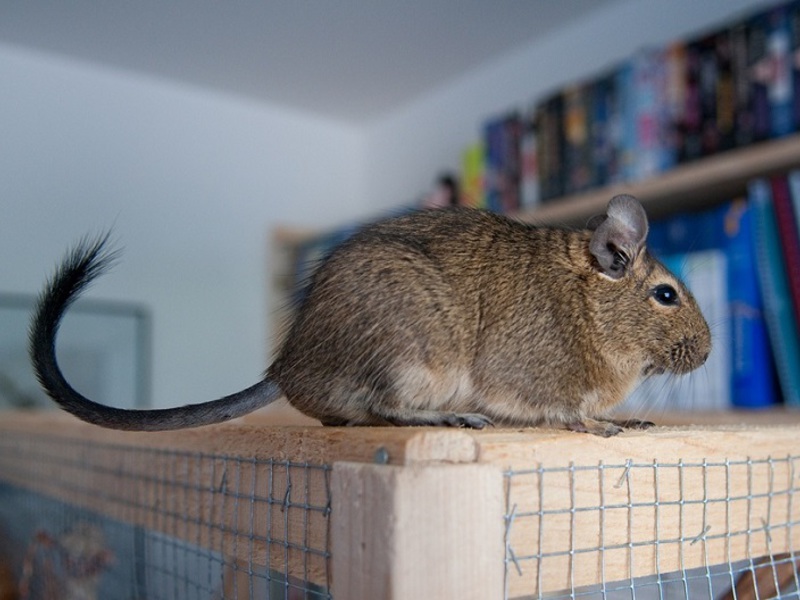
This suborder includes many rat families:
- Rat-chinchillas
- Rock rats
- Cane rats
- Bristly rats
- Laotian mountain rats
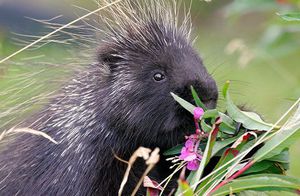 The naked mole rat family inhabits African lands. Their bodies are ideally adapted to an underground lifestyle and digging. Their heavy, dense build significantly simplifies their "underground work." The naked mole rat is considered the most social mammal on the planet. Only one female reproduces in one colony. and a pair of males. The remaining individuals are sterile and perform exclusively labor functions for their colony.
Hutias inhabit the West Indies and magnificent Cuba, where they indulge not only in plant matter but also in lizards. They resemble nutria in appearance, and some specimens weigh over 7 kg.
The pig family boasts diversity: different species weigh from 100 g to 16 kg. They live in various climatic conditions: from savannas to harsh mountain ranges with an inhospitable climate. Despite the cold weather, they do not hibernate. They are distinguished by a very long gestation period compared to other rodents. Females can carry their young for up to 70 days.
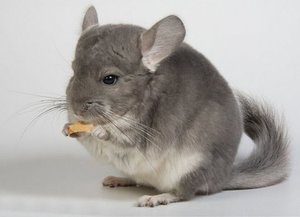 Chinchillas are distinguished by their graceful build and valuable fur, which is why many representatives of this family no longer remain in the wild. Chinchillas are increasingly being found only on fur farms. Either in someone's home as a beloved pet, or just in photos. They are colonial animals; hundreds can live in a single colony.
The only representative of the nutria family is the nutria, which is often mistaken for a very large rat. The nutria is a semi-aquatic nocturnal rodent., which feeds on plant matter. It can stay underwater for up to 10 minutes, but is completely unable to navigate under ice. If it falls into an ice hole, the rodent will be unable to find its way back and will die.
Nutria are a favorite commercial target for their fur. These animals are now actively bred on fur farms, primarily in semi-free-range conditions.
Mouse-like
They include the jerboa family, which is characterized by powerful hind legs and a tail that is often much longer than the body.Most members of the family move exclusively on their hind legs, which significantly speeds them up and helps them escape from the predator.
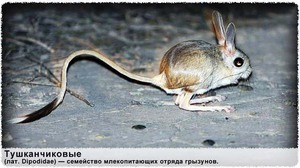 Jerboas occupy a significant place in the food chain in desert regions. But these small Rodents cause damage by destroying crops and spreading many dangerous diseases, including even the plague. Looking at the photo of this cute little animal, such thoughts don't even occur. But dangers lurk where we least expect them!
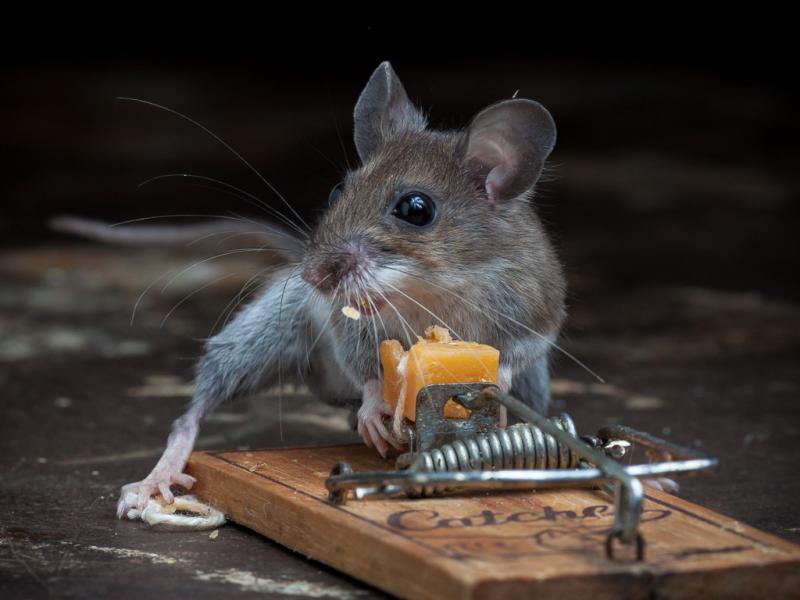
Mice are known worldwide as the most dangerous carriers of parasites and dangerous viruses. In addition, Rodents of this family destroy grain and other cultivated plants in huge numbers, causing incalculable damage to all of humanity.
Without mice, which are used as test subjects for various new drugs and antidotes, humanity would be in dire straits. Furthermore, over the past couple of decades, mice have become popular pets.
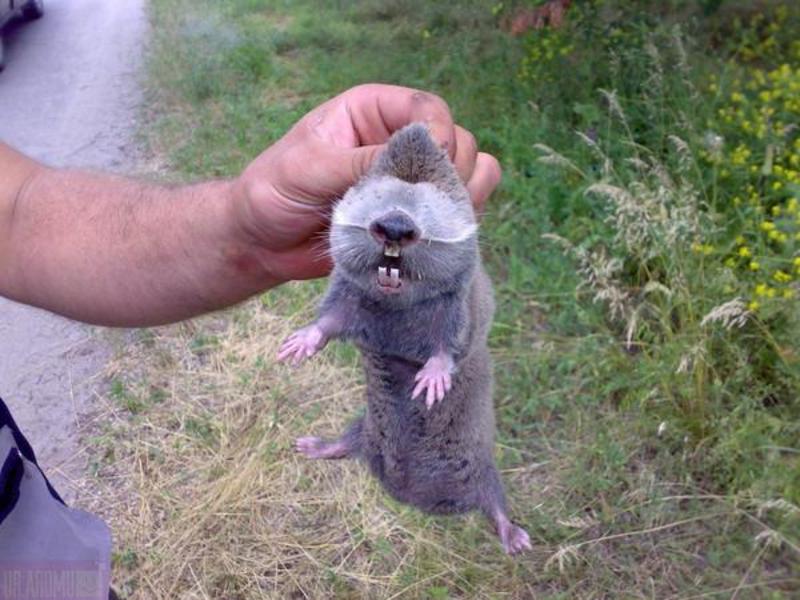
Mole rats are burrowing rodents that lead an underground lifestyle. Because of this, they have underdeveloped eyeballs, which gives the family its name. They are characterized by wide, protruding incisors., which they use to dig the ground. The skull is wedge-shaped, and the neck muscles are very powerful.
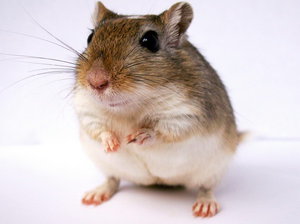 Nesomyids are perhaps the most diverse family of rodents. There are also individuals that look like rats., and voles, and gerbils. The weight of individual specimens ranges from 6 g to 3 kg. They live primarily in Africa and Madagascar.
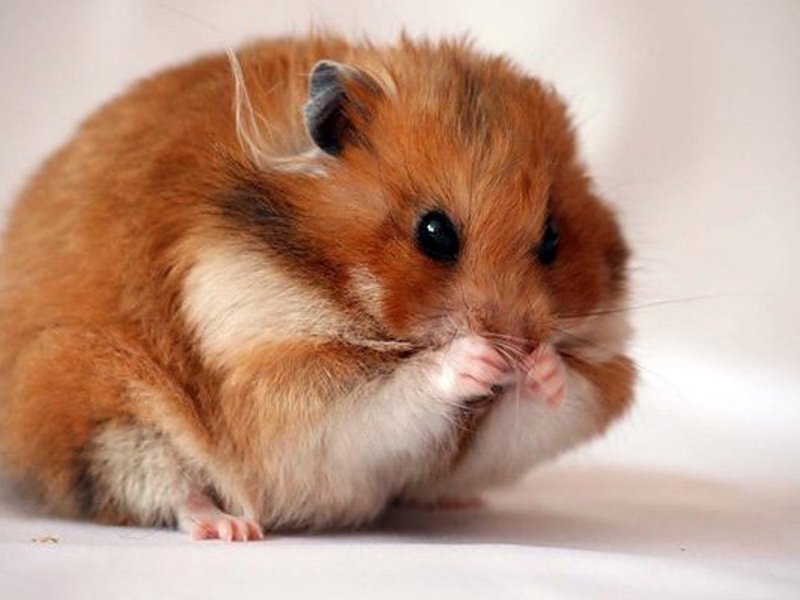
Many hamsters are well-known and have become common pets. In Russia alone, there are over 60 species of hamsters.
Spiny-tailed
Or scaly-tailed. The base of the tail is covered with scales. Rodents use their scales to cling to tree branches. and are capable of moving like flying squirrels. Spiny-tailed bats also have a gliding membrane.