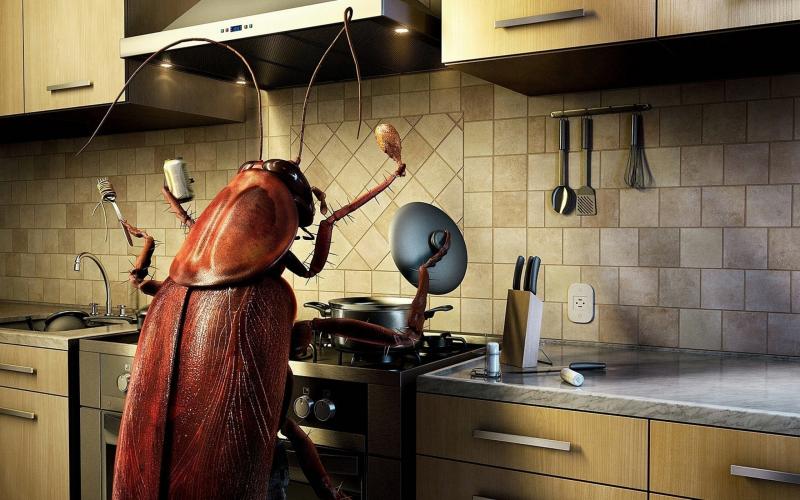
Among animals, there are not just predators, but real vampires. They don't eat their victims, but suck their blood.
Female mosquito
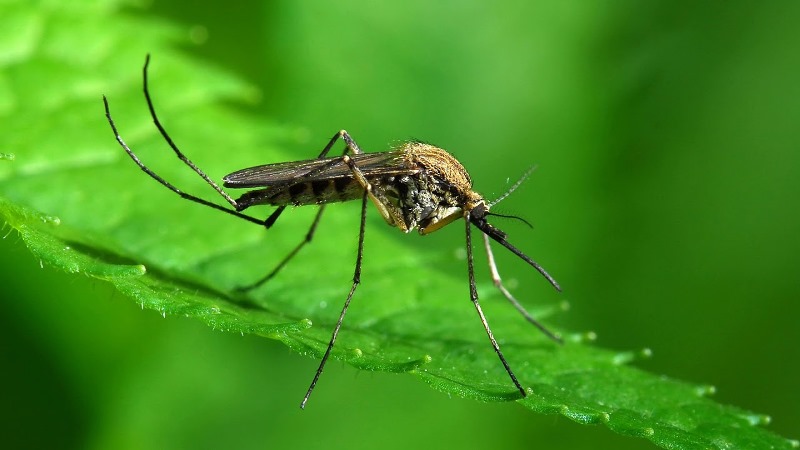
Only female mosquitoes are bloodsuckers. This isn't due to any particular taste preferences, but rather to the need to reproduce. When a female consumes a victim's blood, it triggers egg production. However, some mosquito species can reproduce with or without vampirism. The latter simply produces fewer eggs.
A mosquito's stinger is designed in an intriguing way. What appears to humans as a proboscis is actually a set of six needles. Two of them pierce the skin thanks to the barbed tips. Another flexible stinger serves as a blood pump. The mosquito uses the remaining needles as spacers to make the hole in the skin wider.
To prevent the victim's blood from clotting, the insect injects an anticoagulant. This is what causes the burning and itching sensation. The dose is small, so it causes no harm other than discomfort.
Mosquito bites are scary for another reason. Flying from one person to another and from animals to people, mosquitoes carry various diseases: malaria, yellow fever, Zika, dengue, chikungunya, and even helminthiasis.
Bats
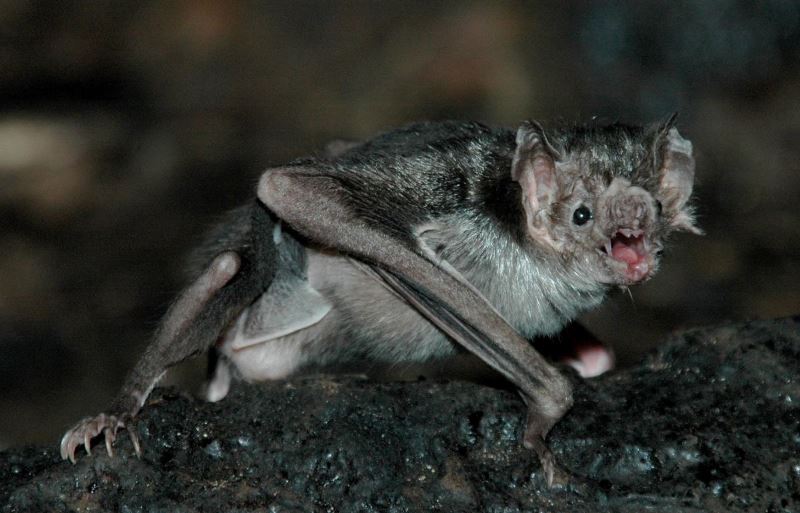
Bloodsucking bats live in Central and South America. They locate their prey using their noses. However, they use their noses not as an olfactory organ, but as infrared radar.
Blood is the only food for the hairy-legged and white-winged vampire bats. To numb their victims, the flying bloodsucker first coats the bite site with saliva, which contains an anesthetic and anticoagulants.
Bats usually bite animals. But if other food is scarce, they may become bold and feast on the blood of a sleeping person. They need only 40 grams of blood to be satisfied.
The problem lies again in the diseases the parasite carries in its jaws. Humans can become infected with rabies. However, vampires themselves are immune to the rabies virus.
Candiru
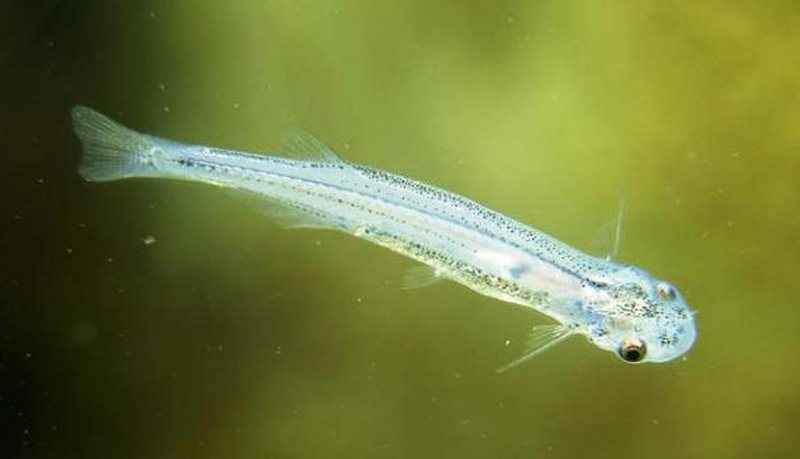
Also known as the vandellia, it's a catfish-like fish. Its maximum length is 16 cm. But residents of the Amazon River region fear it as much as piranhas or anacondas.
The candiru's main source of bloody sustenance is other fish. The tiny creature detects the ammonia emitted by its prey's breath. The vampire bat then sneaks up on the fish (difficult to spot due to its translucent body) and penetrates its gills. There, the candiru extends its "whiskers" to prevent premature escape. The Vandellia locates and bites an artery, sending a powerful stream of blood directly into the vampire bat's digestive tract. The entire meal lasts about 30 seconds, after which the candiru emerges from the fish.
There have been cases of candiru entering the human urethra. The presence of this creature inside the body causes severe pain and bleeding. The fish is unable to escape. It dies inside the body and can only be removed surgically. Failure to do so can result in death.
Mite
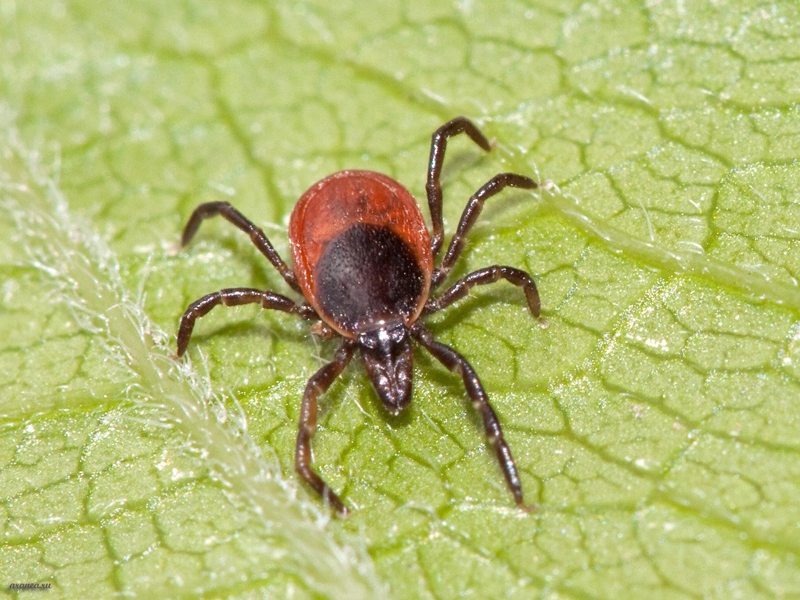
Blood is the only food item a tick eats. However, females also need bloody feasts to maintain their reproductive strength.
Ticks bite both animals and humans. Some insects can be infected with encephalitis or borreliosis, which they transmit to their victims. These diseases can seriously undermine health, leading to disability, or even death.
Lamprey
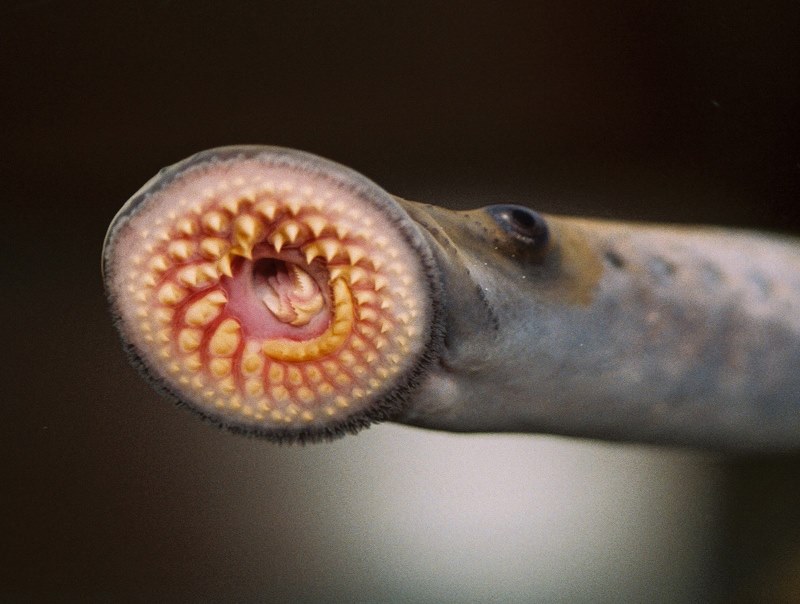
Lampreys are a type of fish. They inhabit both fresh and salt water. While they lack the usual jaw apparatus, they do have an unusual mouth. It's round and lined with sharp teeth. Lampreys even have teeth on their tongues. Although they are predators, they don't actively seek out their prey or engage in aggressive behavior.
But when a victim swims past, the lamprey attaches itself, bites through the skin, and enjoys its meal for several hours. Sometimes, it begins to consume the tissue around the wound as well. And sometimes, it gets so carried away that it burrows right down to the internal organs.
Lampreys can also attach to humans if no one else is available. Lamprey bites are considered harmless to humans. However, it's still a good idea to seek medical attention. The parasite's glands release substances into the human body that prevent blood clotting and promote tissue breakdown.
Bug
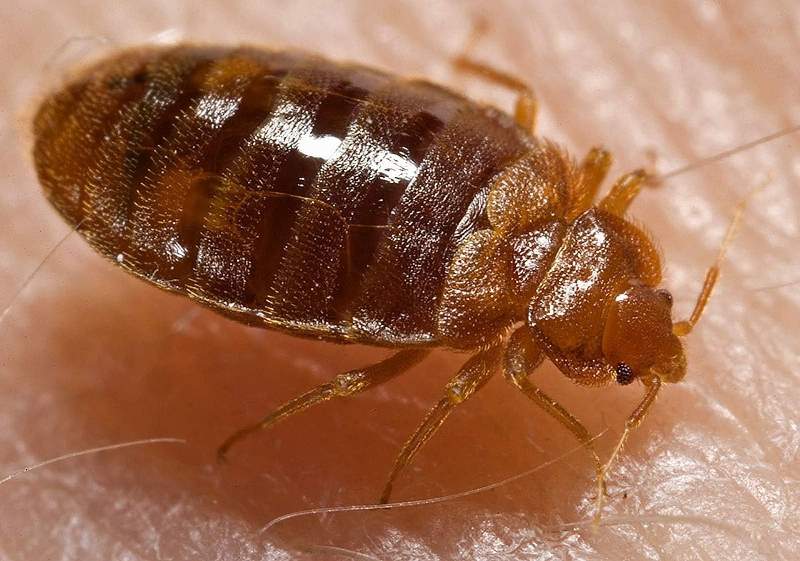
While a person sleeps, they can feed on him. Females drink blood every time before breeding. Growing individuals need to feed as often as possible to develop.
Bedbugs, when they bite an infected victim, become carriers of the disease. However, they cannot transmit it to another person. However, bites can cause other complications, including allergic reactions, inflammation at the puncture site, and anemia (if there are multiple bites).
Leech
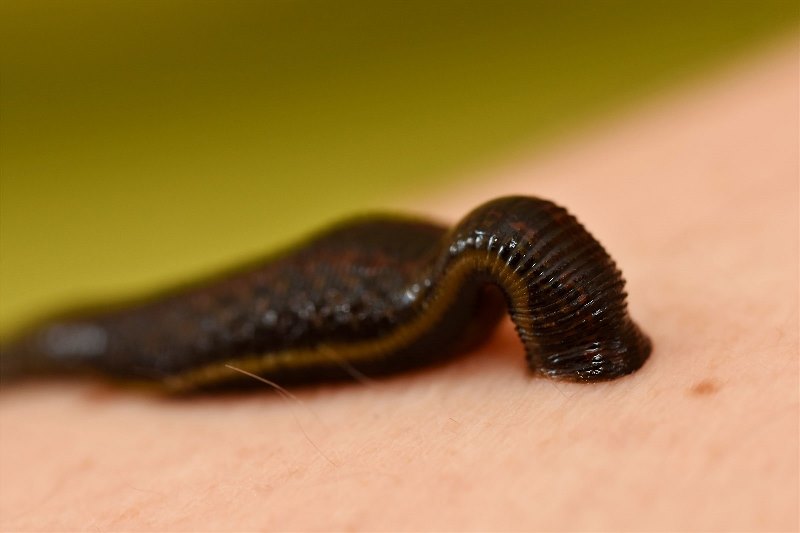
To attach itself to its prey, a leech has a whole set of tools: three jaws and 270 teeth. It also has 10 eyes. Inside the leech's body are 10 ventricles. These ventricles fill completely with blood within 45 minutes. The worm digests this food for three months.
Some believe that leeches, like many other blood-sucking creatures, can transmit infections. However, the bite itself is not life-threatening for humans—the wound is only one and a half millimeters deep. Death from blood loss is impossible, as the amount of blood loss is not very severe.
Leeches pose a danger only to people suffering from hemophilia.
However, by "feeding" a leech just once, a person receives significant benefits for the body. Along with its saliva, the bloodsucker injects several beneficial proteins into the victim's body. These proteins have a stimulating effect on the human body. Leeches have been used in medicine for over 3,000 years.
Sharp-billed Ground Finch
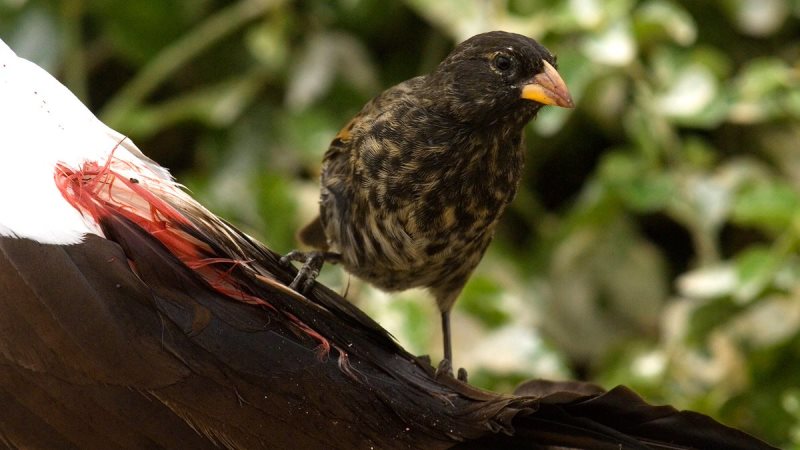
This small bird from the Galapagos Islands feeds on the blood of other birds, usually gannets. The finch plucks chunks of flesh from its victim until it creates a sizable wound and draws blood.
For the bird, blood is both food and a way to quench its thirst. Scientists believe that, given the shortage of fresh water on the islands, the finches have found a solution in this grisly way.
These vampires do not attack people.