Children are easily deceived and frightened. They accept a lot of misinformation as fact. As adults, many continue to believe the fables they heard as children. I'd like to dispel some of these myths to help us learn a little more about the world around us.
A rattlesnake rattles before attacking.
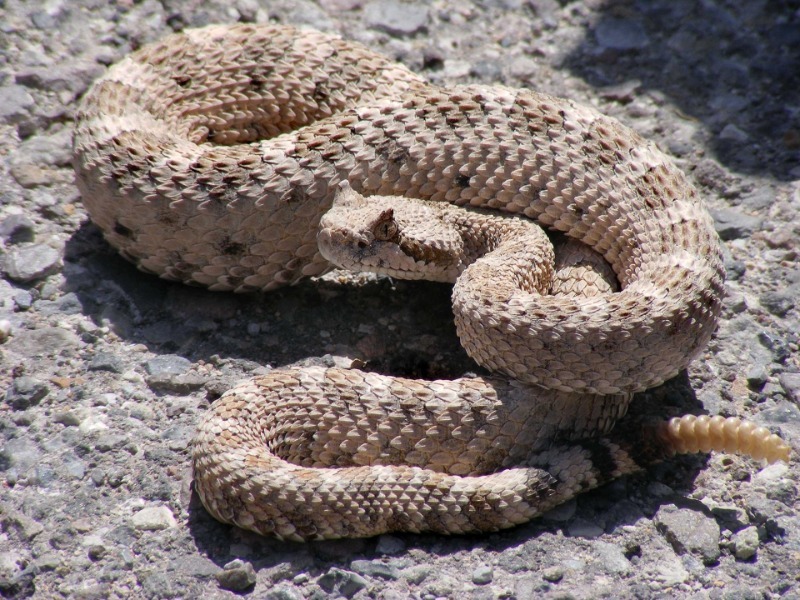
People are afraid of snakes. To alleviate their fear, they invented the story that rattlesnakes warn of attacks by vibrating their tails, making a sound. However, in almost 100% of attacks, the reptiles made no sound. They were silent and completely unnoticed by their prey. Scientists have proven that snakes only "rattle" their tails when extremely frightened, thus signaling their readiness to defend themselves.
Touching toads causes warts to grow.
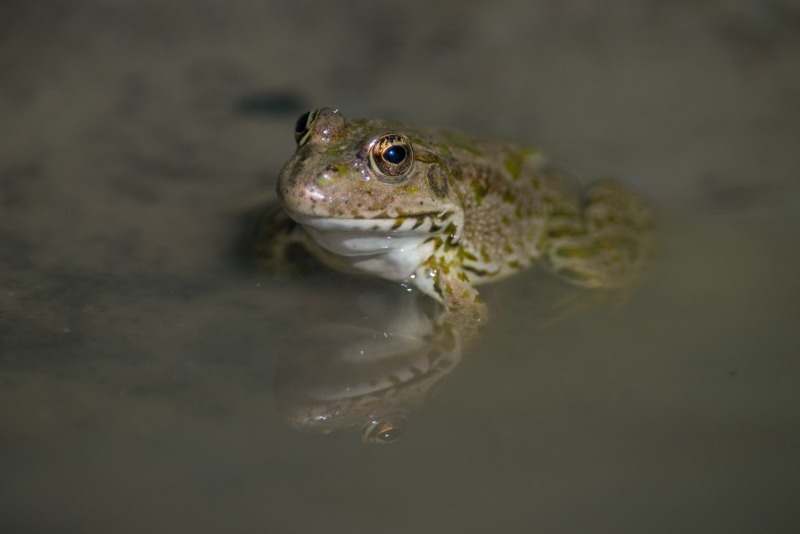
A wart is an overgrown layer of epithelium. The main cause is the human papillomavirus. It can only be transmitted through contact with infected people. The myth about toads and frogs was most likely invented by squeamish people who didn't want their children to come into contact with slimy amphibians.
A giraffe has many cervical vertebrae.
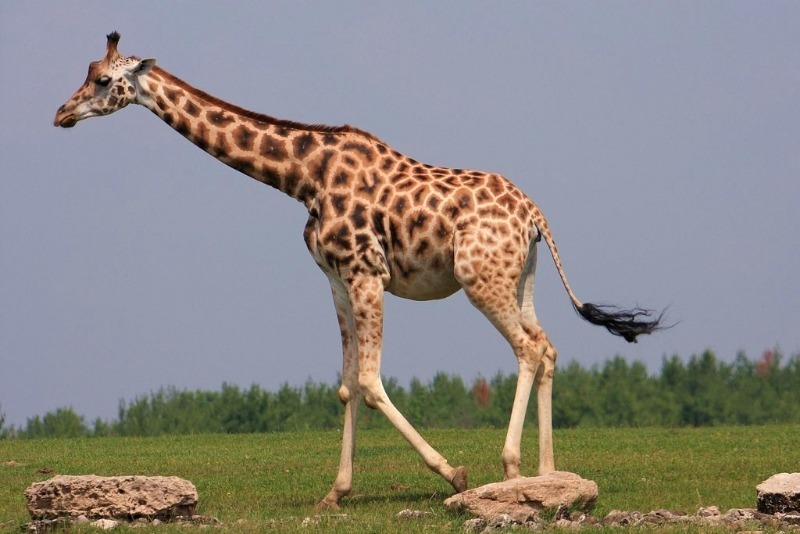
The length of a giraffe's neck is determined by its habitat and the need to reach succulent leaves from tall trees. A giraffe, like any other mammal, has only seven cervical vertebrae. While they differ in shape and weight from those of humans, their number remains constant.
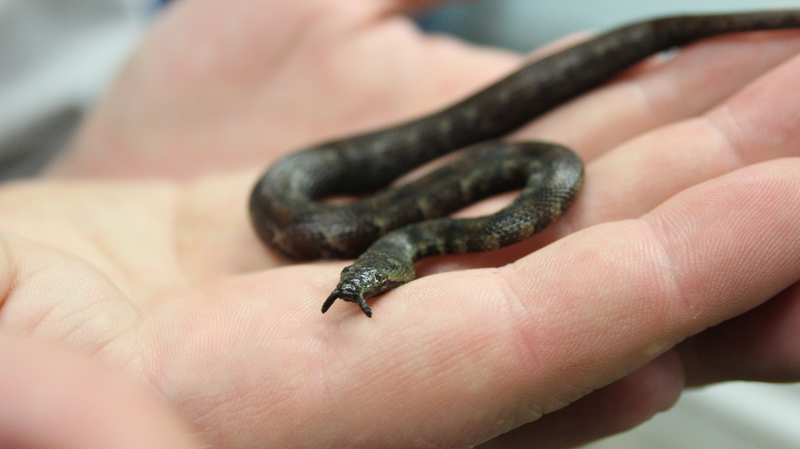
Music puts the snake into a trance
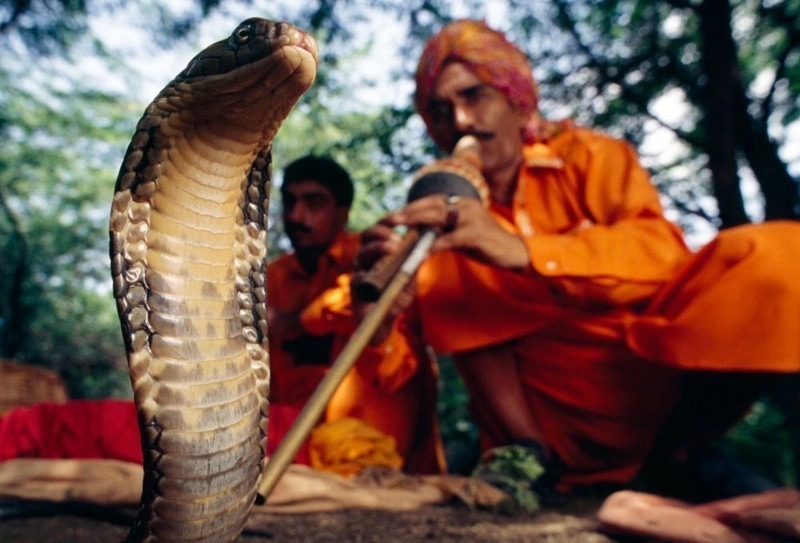
Snakes are deaf. Of course, they can't hear music. These reptiles can detect vibrations in the ground, which is why snake charmers always tap the basket containing the animal before the performance. Throughout the performance, the person sways from side to side, and the snake watches, seemingly entranced by the performance.
The cheetah is the fastest animal in the world.
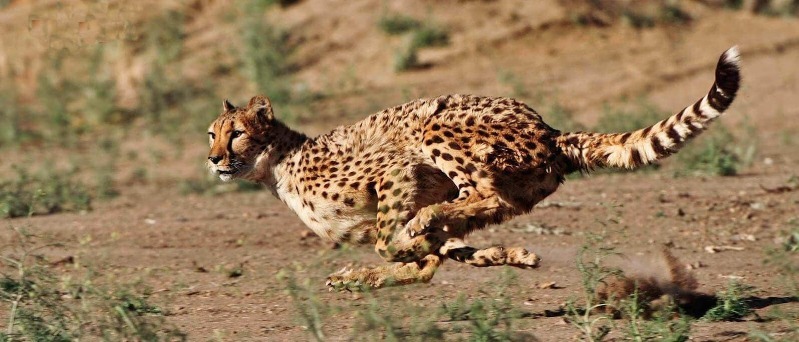
The cheetah can reach speeds of up to 120 km/h. While it's no sprinter, it can catch prey at a distance of 400 m.
Speaking of marine life, the swordfish, which can reach speeds of up to 130 km/h, is capable of winning a race even with a cheetah.
But there's one bird that can easily outrun any animal or fish: the peregrine falcon. When hunting, it can dive, reaching speeds of up to 390 km/h.
Hippos are clumsy
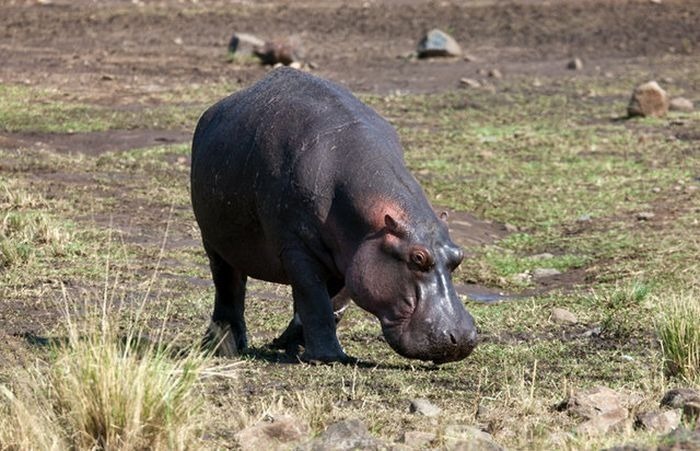
This massive animal (up to 4,500 kg) usually moves slowly on land, lazily moving its legs. However, when threatened, the hippopotamus can run at speeds of up to 48 km/h.
The ostrich hides its head in the sand out of fear.
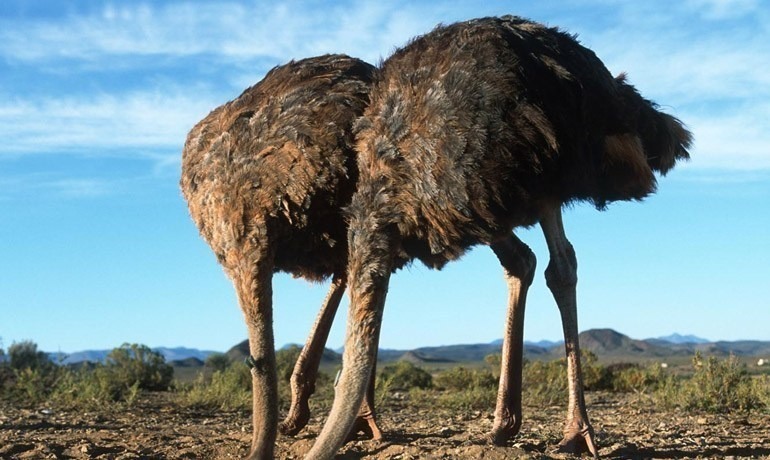
A little logic is enough to disprove this absurd myth. If a bird tried to hide from a predator in such a way, the species would have long since become extinct. Nature has come up with a more efficient solution. Ostriches are fast runners, reaching speeds of up to 70 km/h (43 mph), and can easily outrun almost any predator. If that fails, this enormous bird knows how to fight and can easily fend off an attacker.
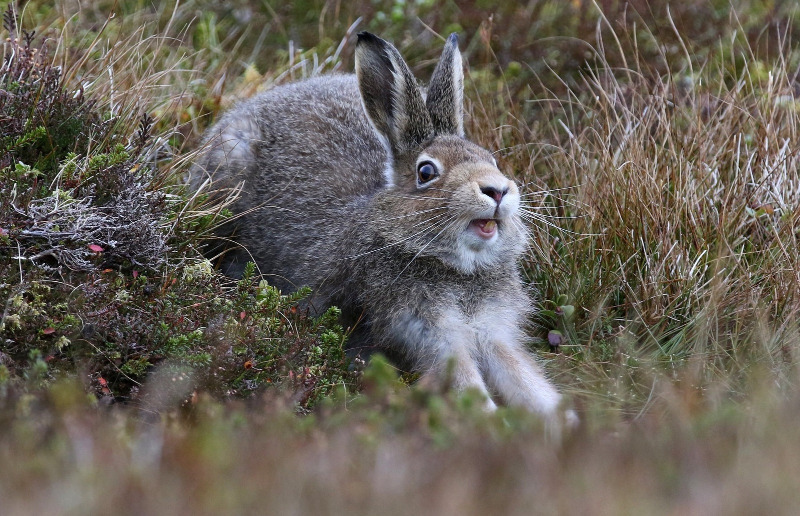
Hares are cowardly
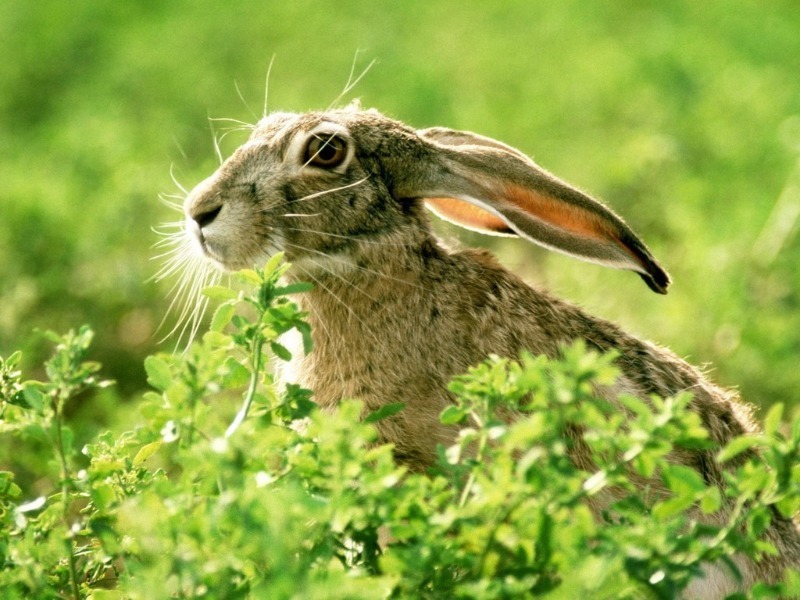
Everyone knows the tale of the cowardly hare from childhood. Hares don't rush into danger, don't hunt other forest creatures, and prefer to hide, but that doesn't mean they're afraid of everything. Hares are smart and cunning – they skillfully cover their tracks. If a predator corners them, the "little coward" begins to fight back furiously with its powerful hind legs. Despite the fact that it lacks fangs, its bites are always deep and painful. Experienced hunters say that even a fox is much easier to catch with your hands than a small hare.
Bulls are irritated by the color red.
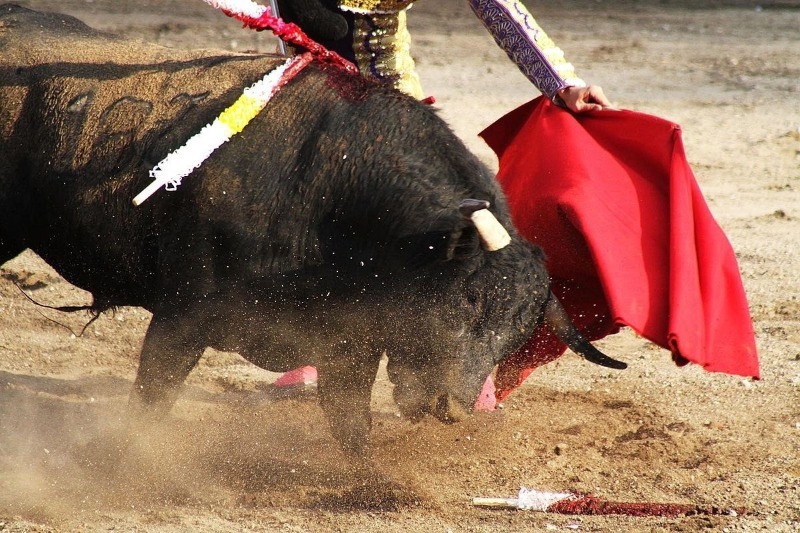
All cattle are naturally colorblind. Bulls react not to color, but to a moving object that poses a threat. Spanish matadors wear red capes and clothing to disguise the blood that is abundant in the arena.
Elephants are thick-skinned
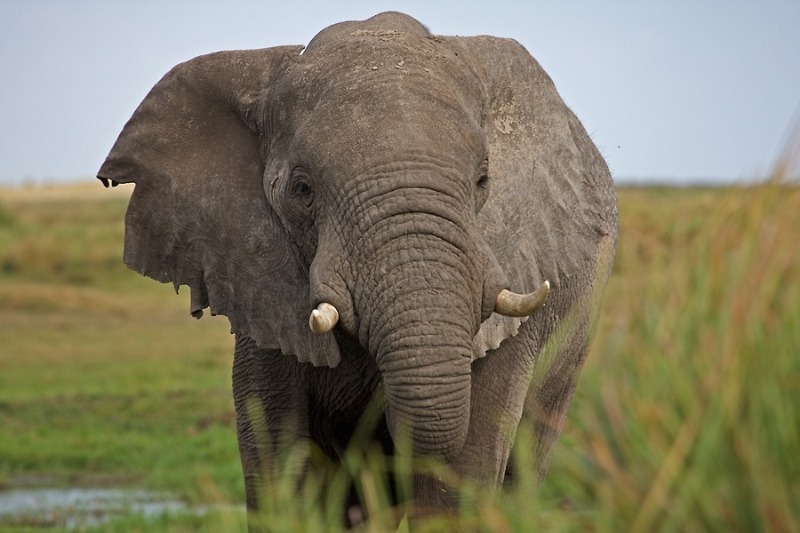
Despite the skin of these massive animals being almost 2.5 cm thick, it is soft and sensitive. It can be easily scratched or cut. It has almost no hair or sebaceous glands, which is why elephants constantly douse themselves with water to cool down.
There are many myths and legends in the world. Not all of them have a scientific explanation. Don't lie to children or scare them. It's best to let them explore the world around them, so they learn about the safety of frogs and the courage of little fluffy bunnies.