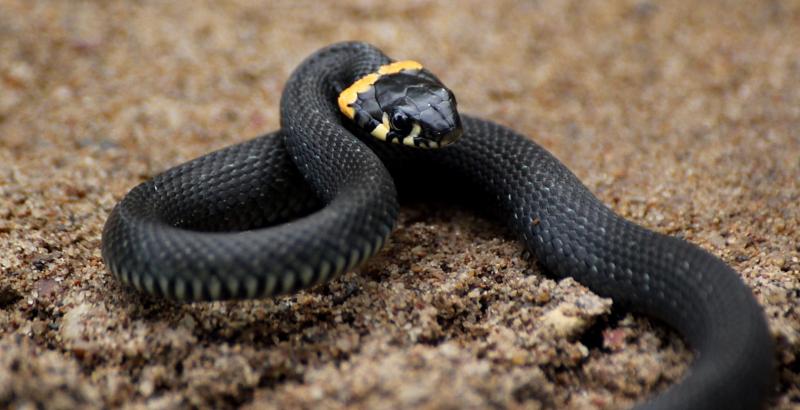
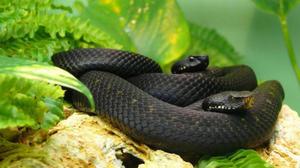
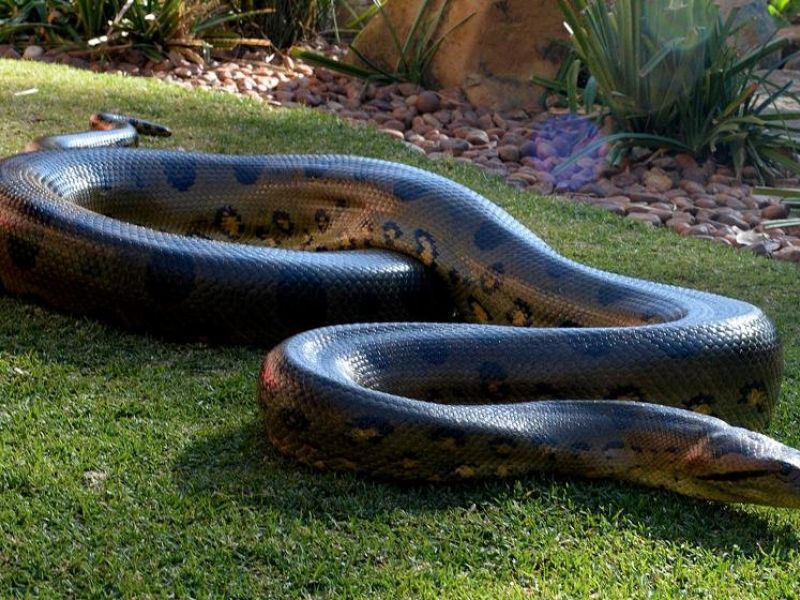
Snakes have long frightened and fascinated people, and most of us have a cliched image of a snake, little familiar with the diversity of these creatures in the wild. But among them, there are unique creatures, distinguished by their appearance and behavior, and they have plenty to surprise us with. Over the course of evolution, snakes have learned to fly, climb trees, and lure prey into traps with cunning devices.
Tentacle-nosed snake
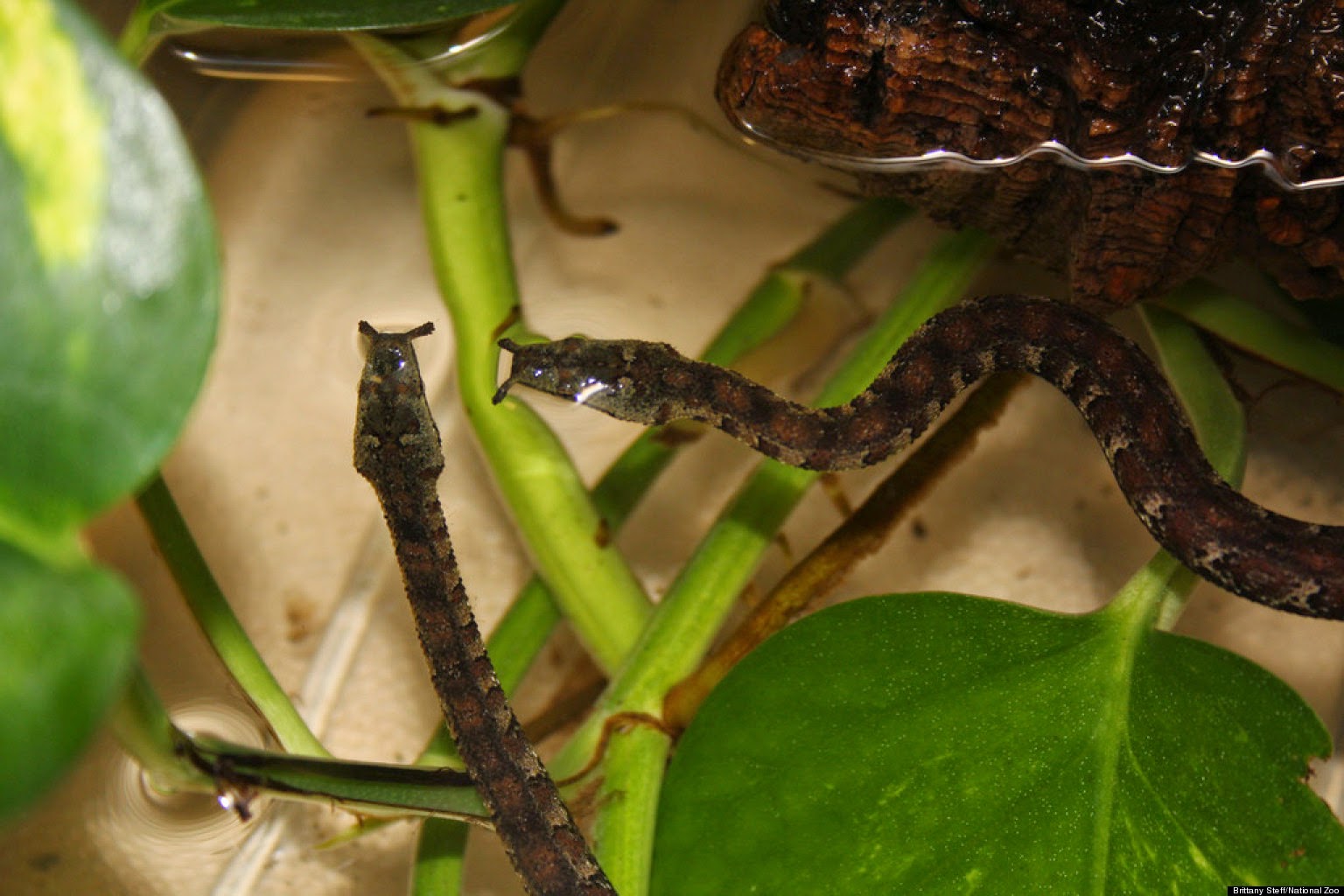
Also known as the herpeton, this snake has distinctive horny growths on its snout that resemble whiskers.
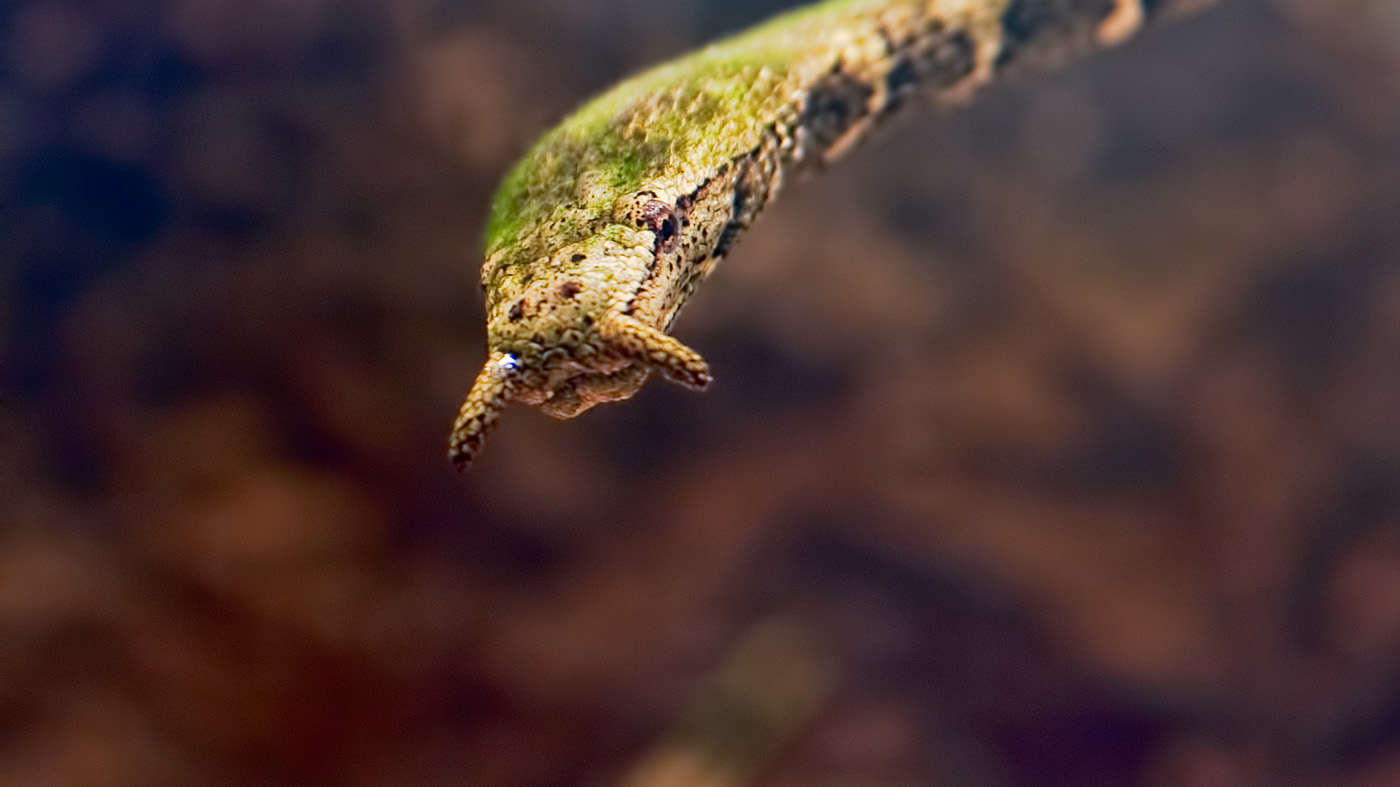
But in reality, these protrusions act as antennae, helping the snake sense the movement of the fish they feed on in the water.
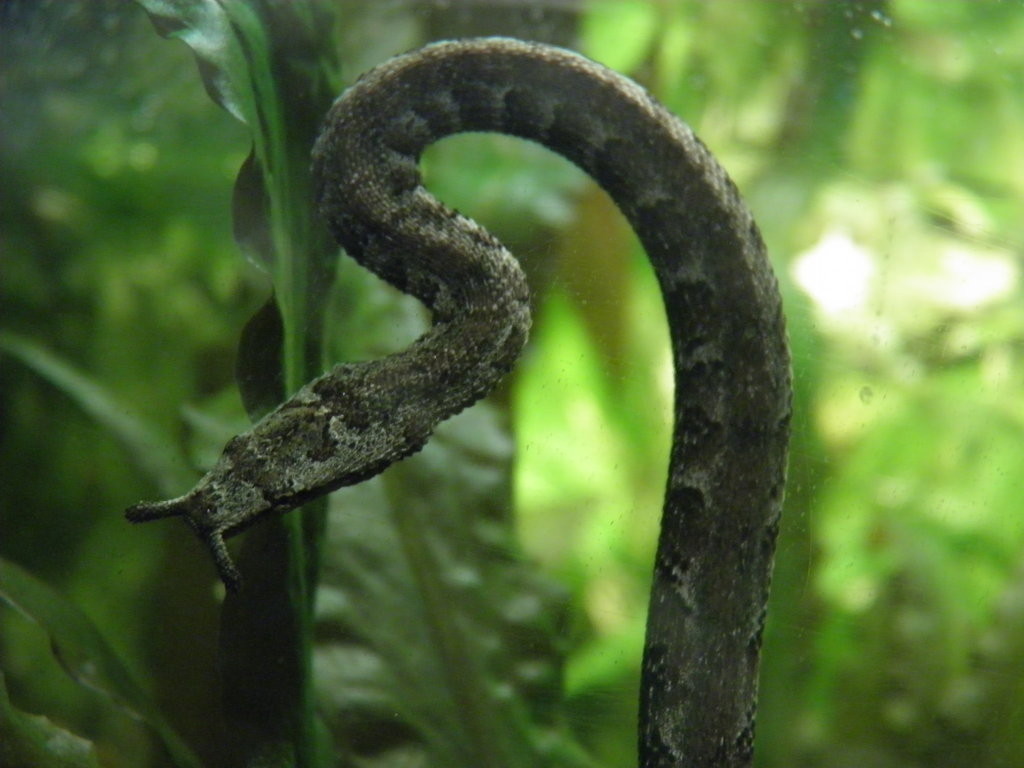
The tentacled snake mainly lives in water and only occasionally crawls out onto rocks protruding above the water.
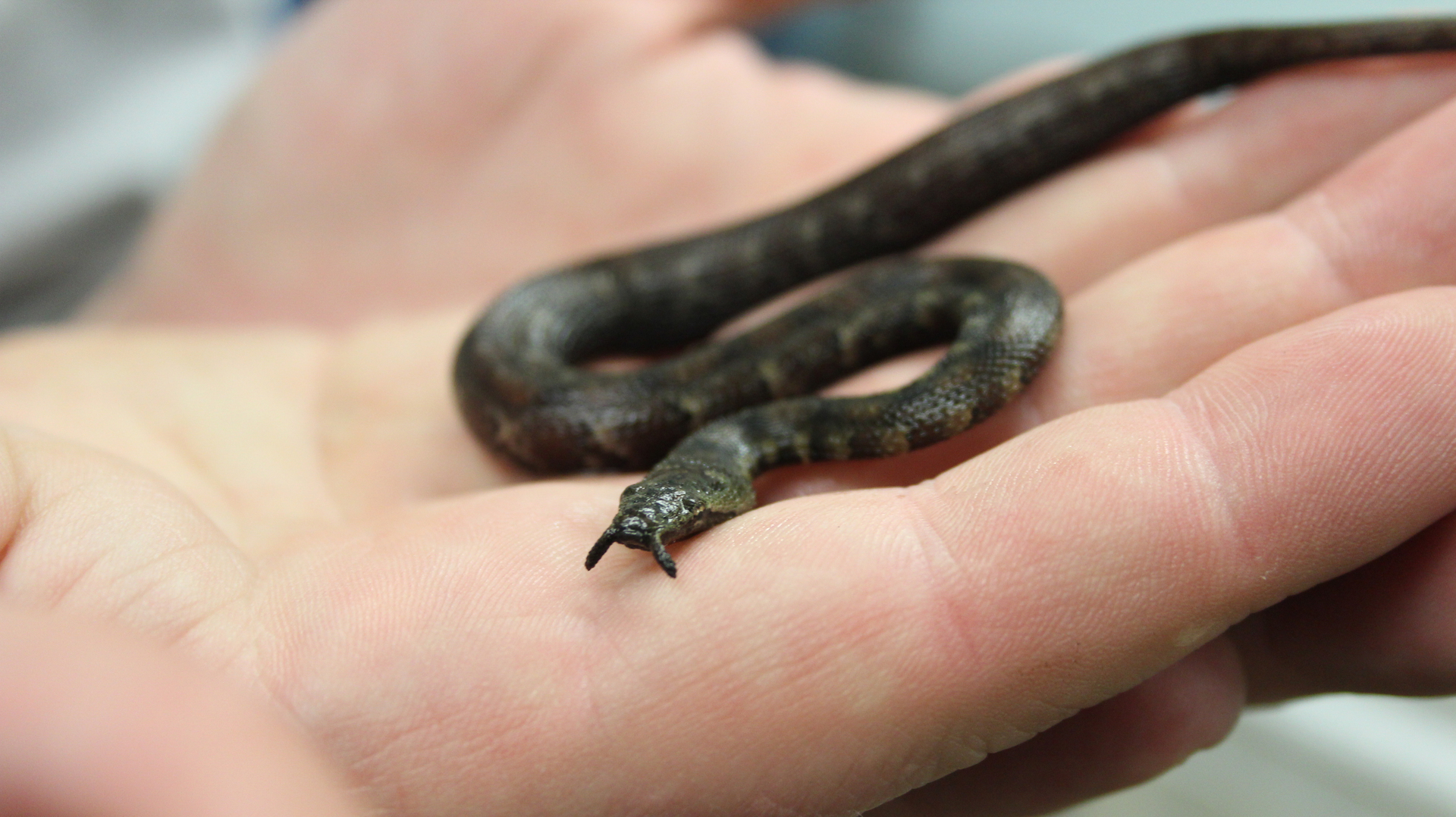
Another interesting point is that fish can have algae growing in their scales, which helps them camouflage themselves.
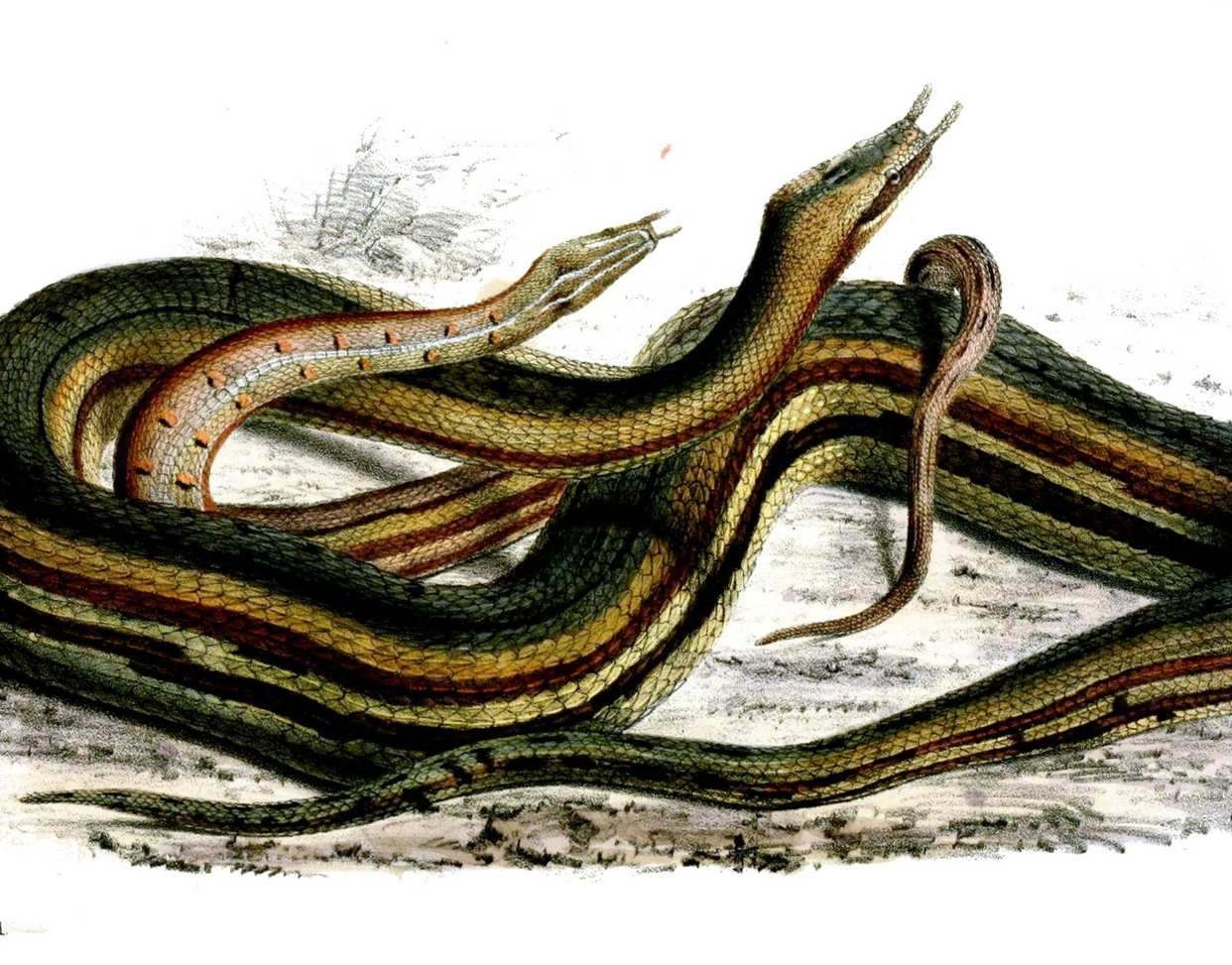
When a fish approaches, the snake bends and begins to sway, the fish gets scared and runs away, and the snake turns sharply so that the fish itself swims into its mouth.
Paradise flying snake
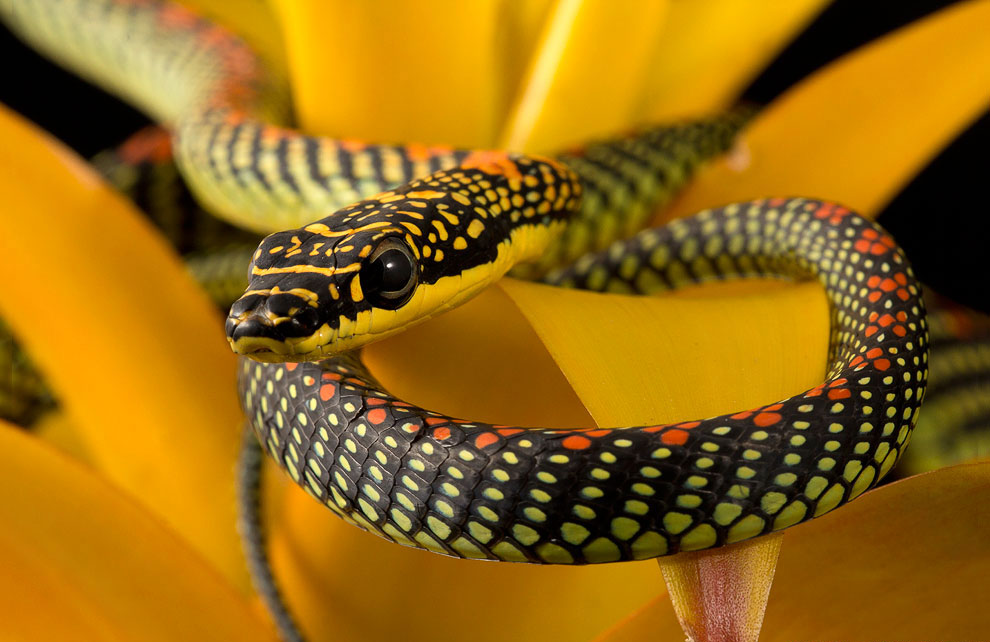
It leads an arboreal lifestyle and has the ability to glide from tree to tree over a distance of up to 100 m.
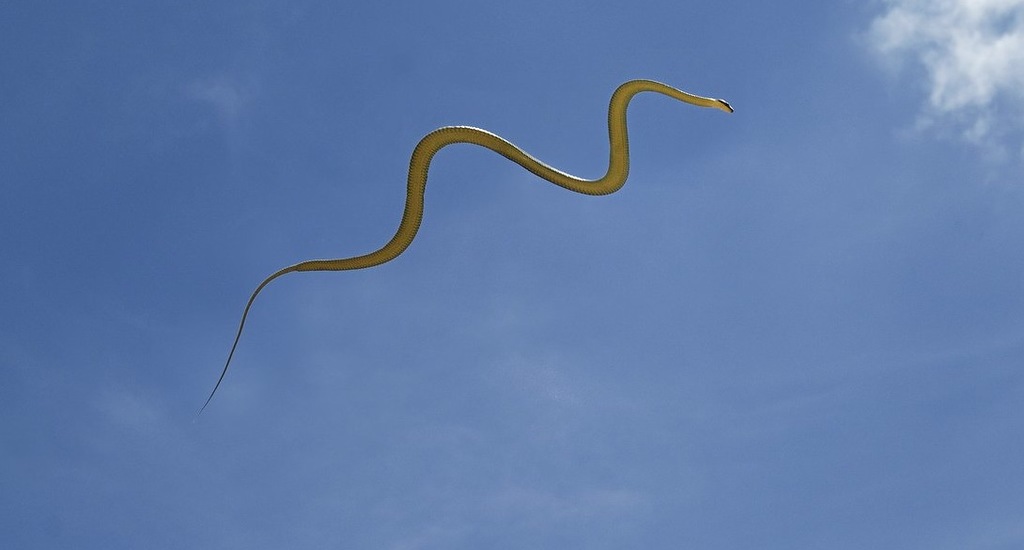
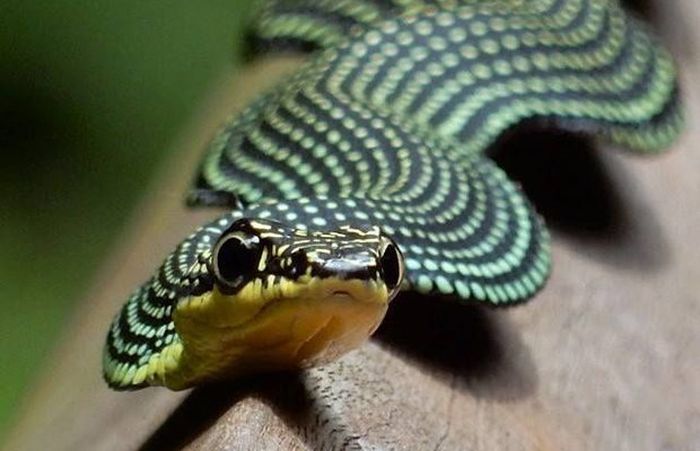
The snake pushes off sharply from the branch and, making S-shaped bends, flattens its body, becoming like a ribbon.
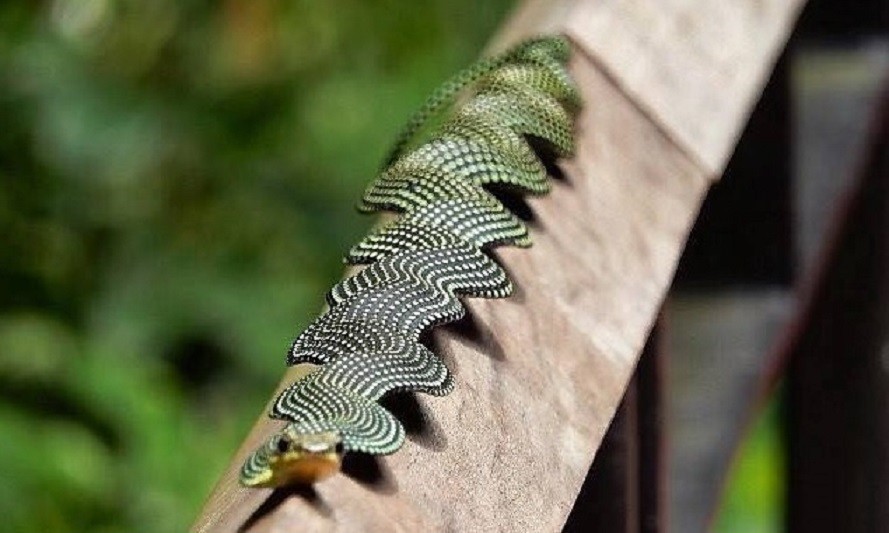
This allows her to stay in flight longer.
False-horned viper
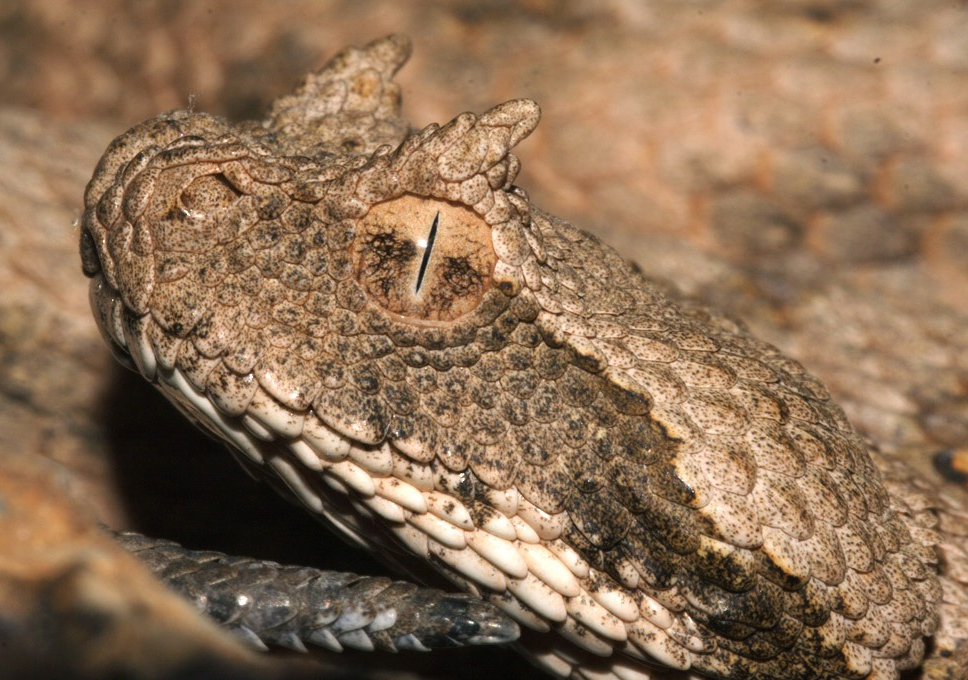
The viper is very rare, having only been discovered in Iran in 2006. It gets its name from the distinctive growths above its eyes, which resemble horns.
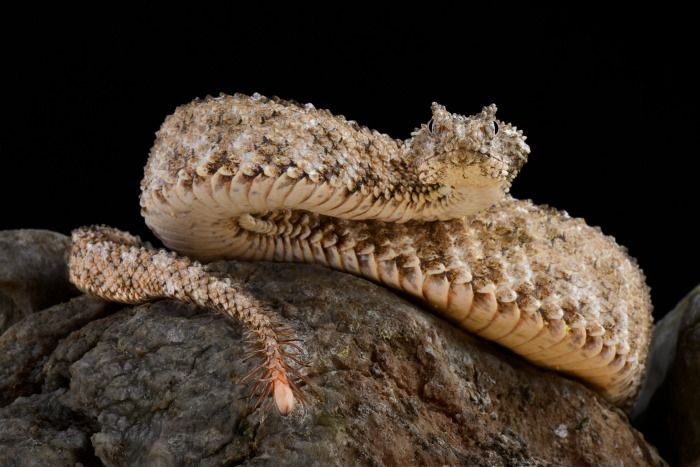
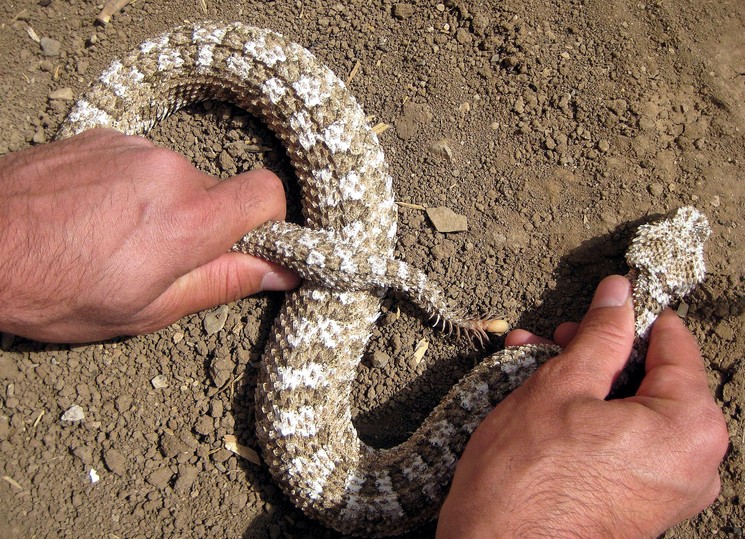
But the more interesting feature of this snake is the fork on its tail, which resembles an insect.
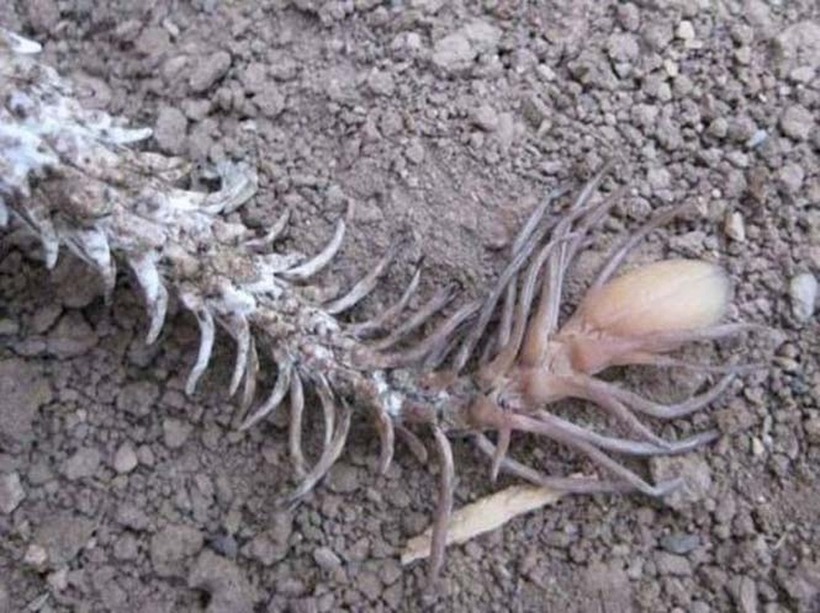
It uses this tail as a lure for birds; the snake twitches it, attracting the birds to catch and eat them.
Javan xenoderm
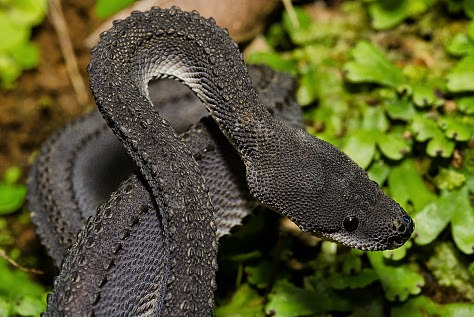
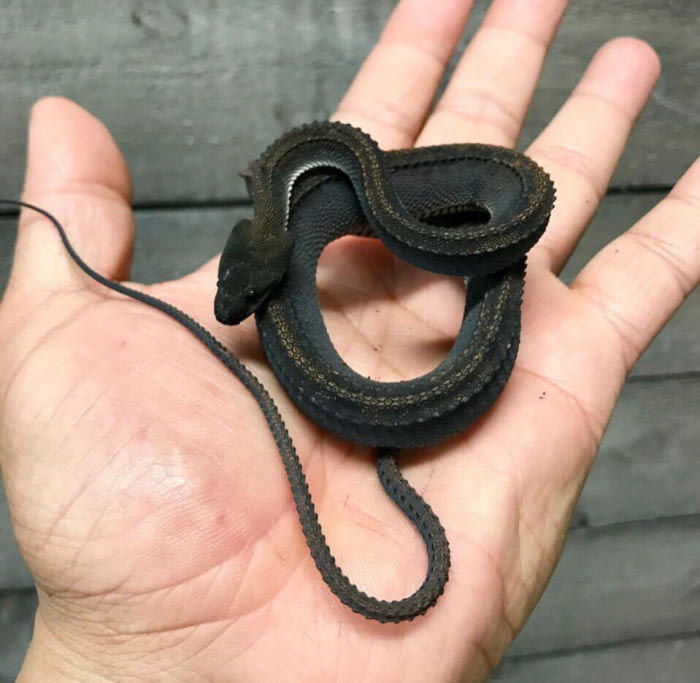
The snake's name translates as "foreign skin" because this snake has unusual skin, consisting of 3 rows of longitudinal protruding scales and outwardly resembling the skin of a dragon.
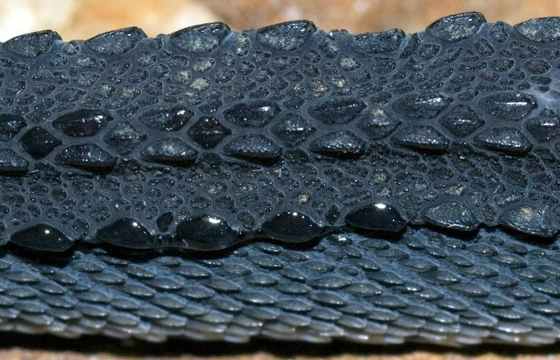
Locals have a legend that a snake once stole this skin from a crocodile. Scientists have classified the snake as a separate species of xenoderm.
Rhinoceros Viper
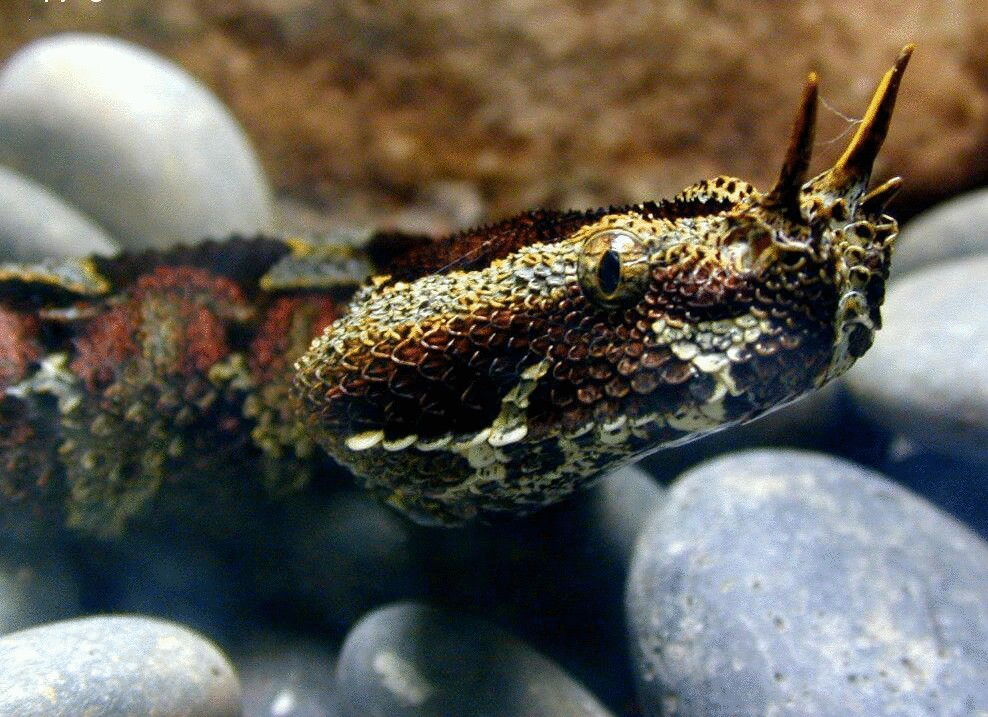
The snake lives in Africa and has a very bright, colorful and beautiful coloring.
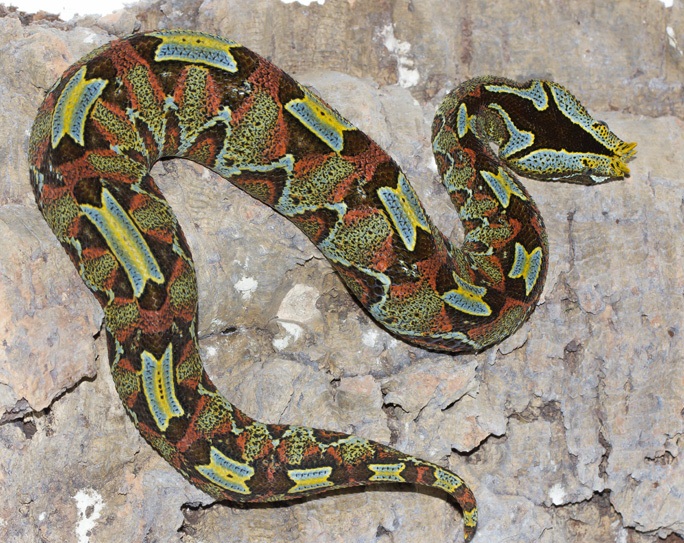
On her nose she has growths that resemble several horns or merge into one large horn.
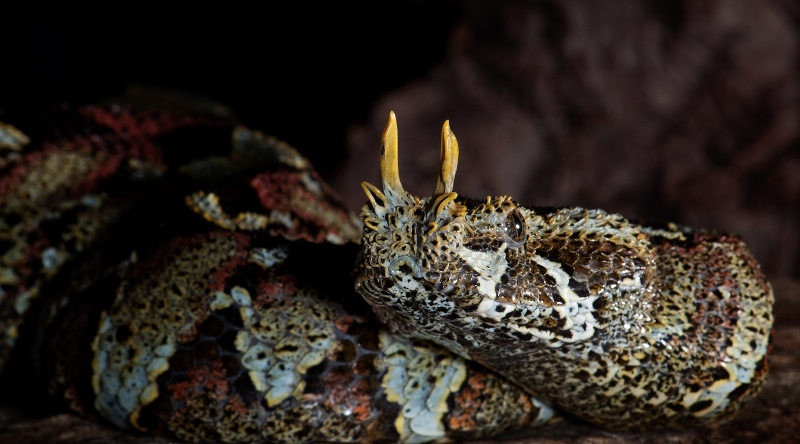
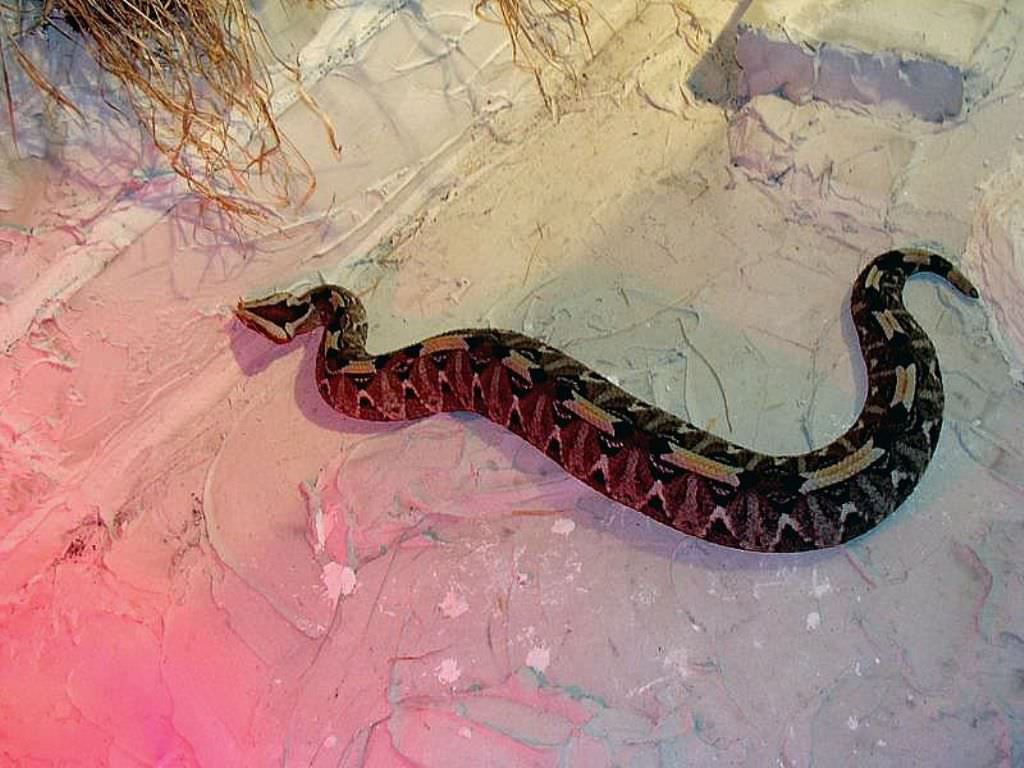
This snake is also distinguished by its short and dense body.
There are a huge number of different snakes on Earth, and many of them are amazing and unusual.