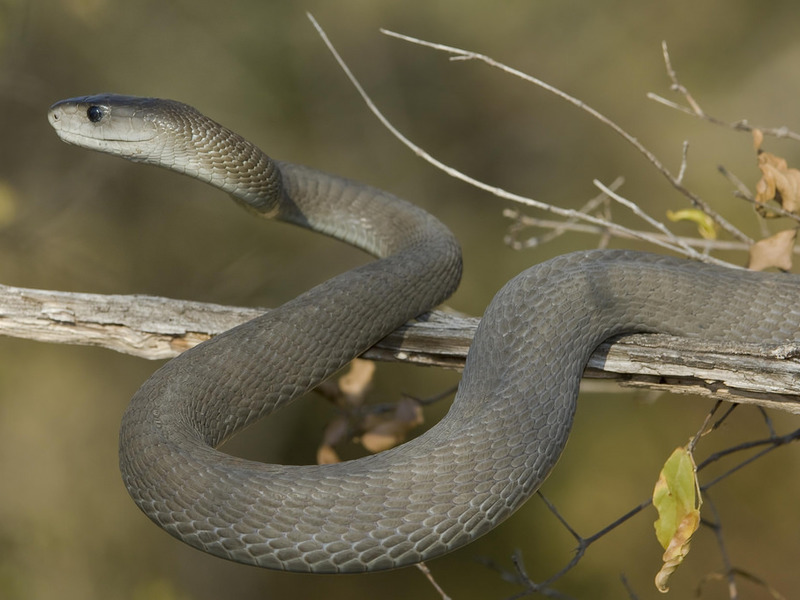
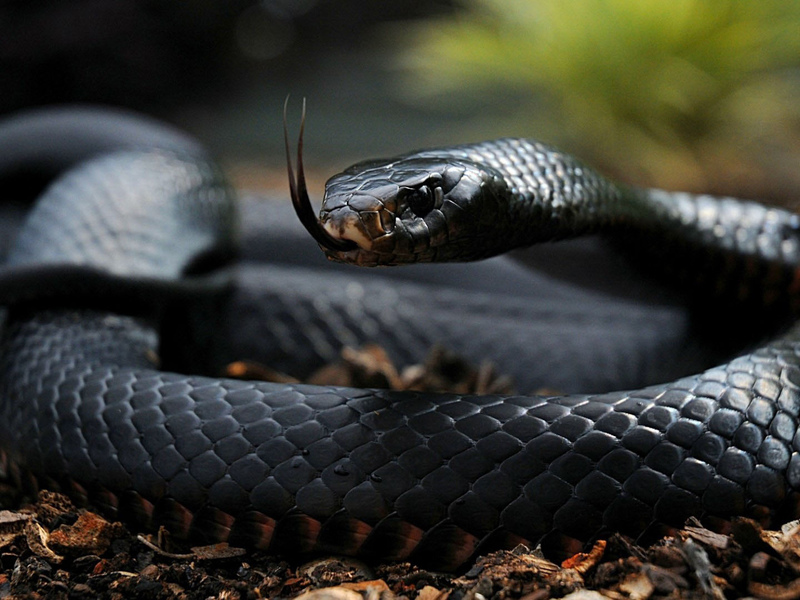
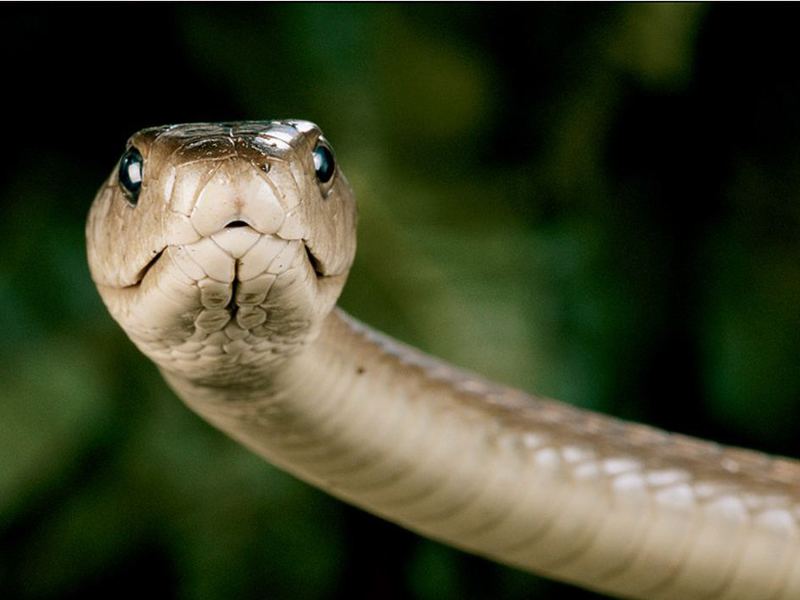
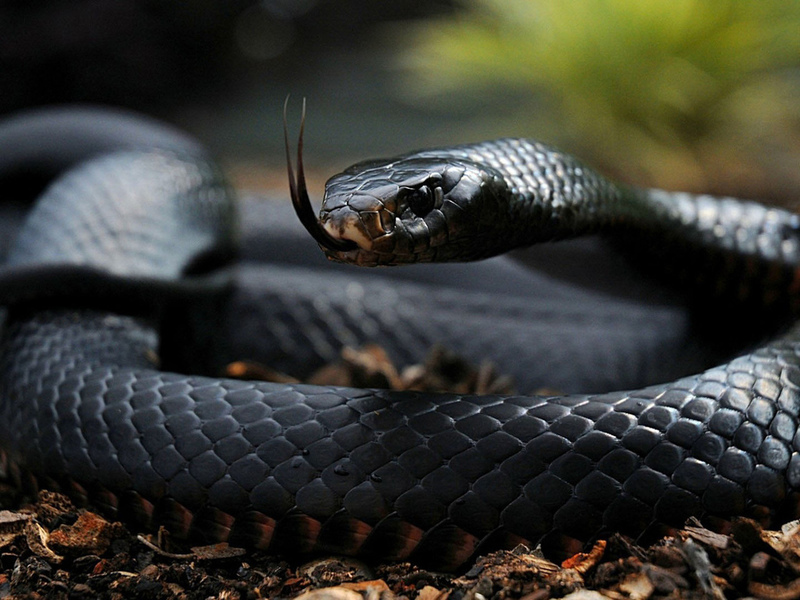
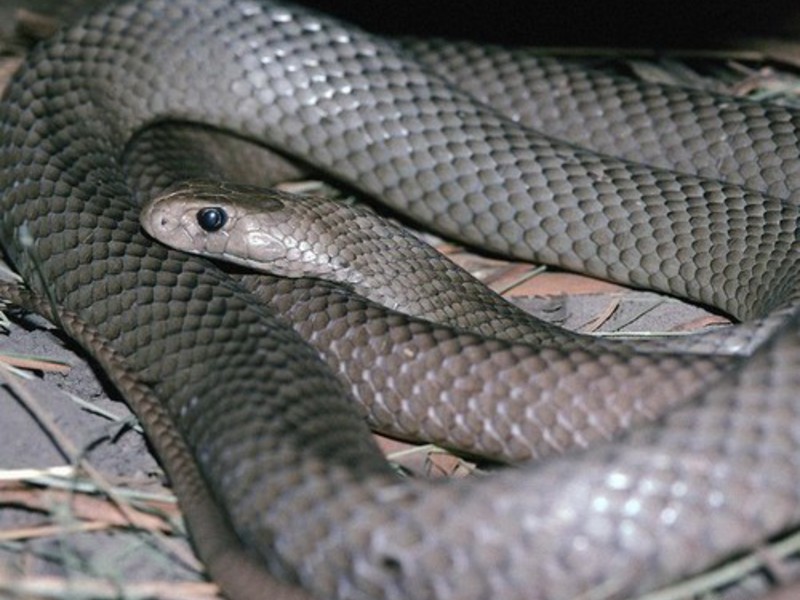
 One of the most famous snakes on the African continent and in the world at large is the black mamba. Its nerve-paralytic venom places it among the top ten most dangerous snakes in the world, along with the viper and cobra. The name of this reptile, a member of the elapid family, comes from the word "mamba," which in some dialects means "arboreal" or "tree-dwelling."
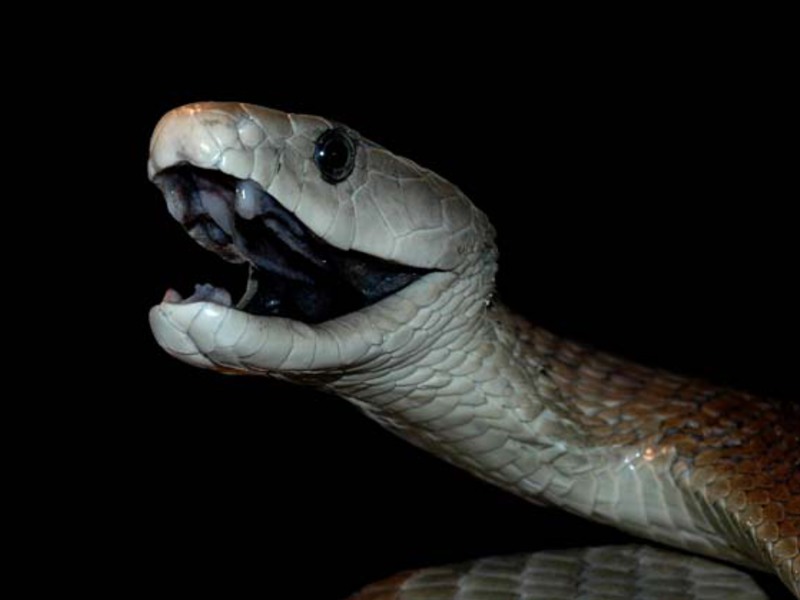
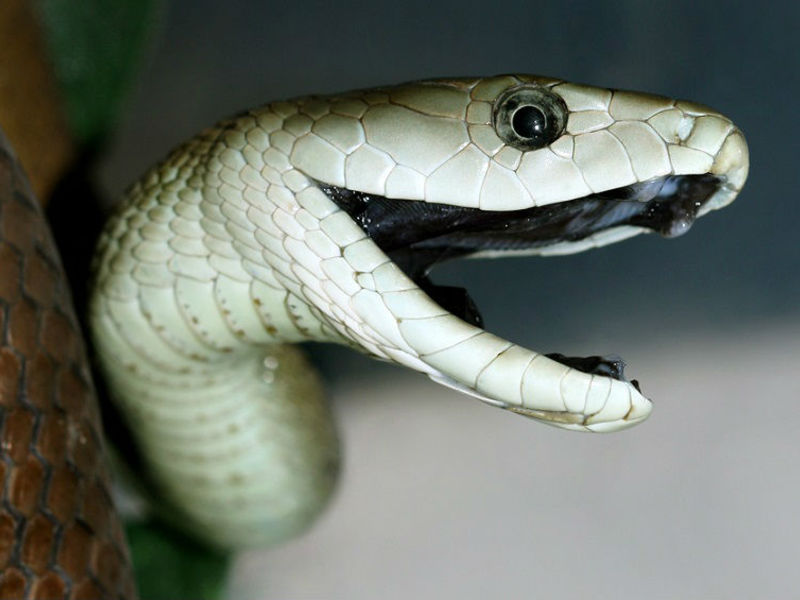
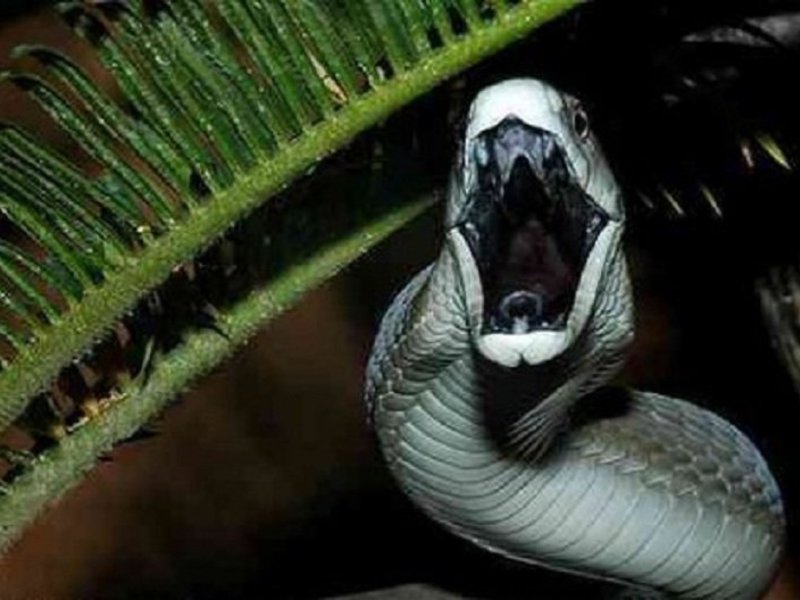
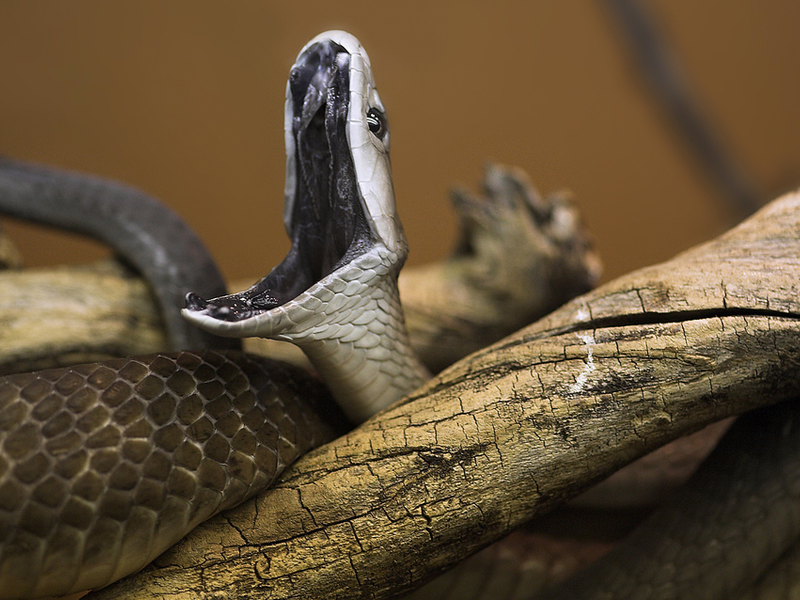
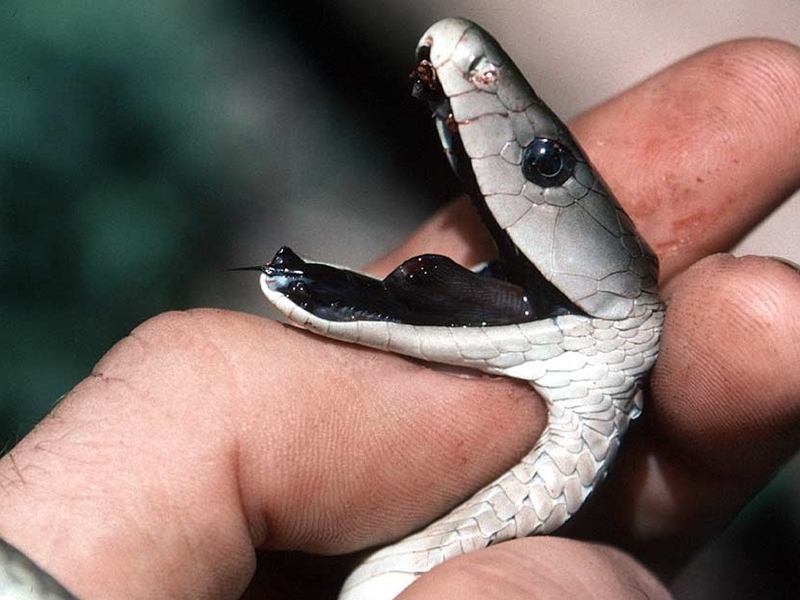
Oddly enough, it's nicknamed "black" not for its body color, which ranges from olive to dark brown, but for its inky mouth. Photos of this snake with its mouth open are common. Mamba teeth fold into the mouth, reaching 23 mm in length, which is quite an impressive figure among snakes.
Based on color, habitat, and some other minor features, there are several types of mambas:
- Eastern Green
- Western Green
- Jameson's green mamba
- Jameson's black-tailed mamba
- Black Mamba
Reproduction
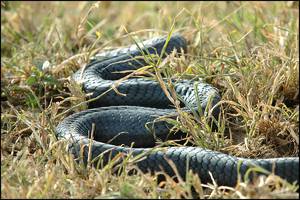 Male and female black mambas only meet during mating season. An interesting fact is that when fighting for mating rights with the female, males do not use poisonIntertwined in a tight ball, they hit each other with their heads until the weakest one admits defeat and crawls away.
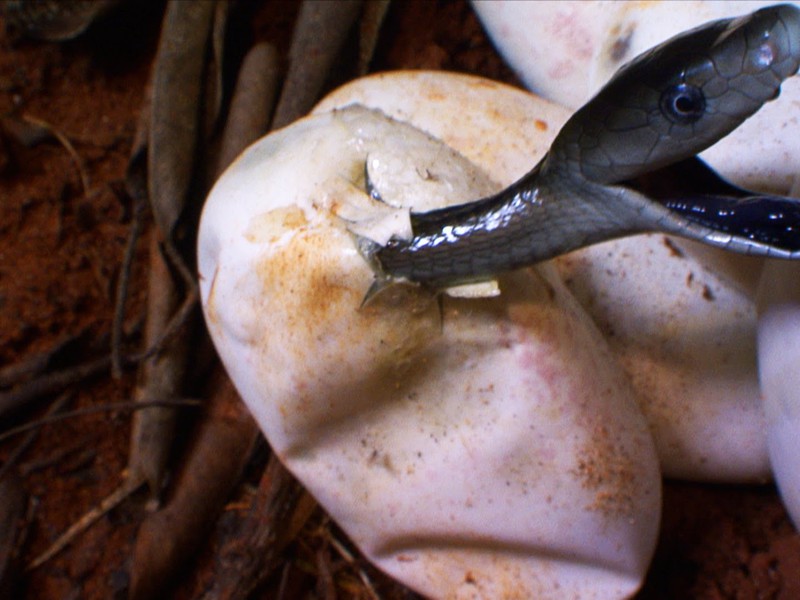
This species is an oviparous snake. A clutch of 10-15 eggs is considered normal. The young are born fully prepared to hunt; the mother plays no role in their growth. Their scales are lighter in color than those of adults. Young and juvenile black mambas are eaten by mongooses, the only animal that dares to hunt this extremely dangerous snake. The reflexes and speed of this small animal allow mongooses to evade attacks from any snake. Wild boars, which inhabit some parts of the black mamba's range, are also considered a threat to this reptile.
Hunting and habitat
This reptile lives and hunts in sparse forests or thickets of bushes. Nests can be found:
- in tree hollows;
- in thickets of thick grass;
- in deadwood, under piles of dry branches;
- at the base of dry bushes.
With a body length of approximately three meters, this snake ranks among the largest snakes in the world. There are oral accounts of encounters with specimens of this species up to four and a half meters long, but there is no documentary confirmation of these claims. These snakes are adept at climbing trees, so they often hunt birds and raid nests. In addition, the mamba's typical diet includes small rodents such as jerboas, mice, squirrels, and so on.
The venom of this snake species deserves special mention. The glands that produce it are enormous in size relative to the snake's head, occupying almost half the volume of the skull. This reptile is capable of simultaneously produce 400 mg of poison, while the lethal dose for an adult is 15-20 mg. Its toxic effect is due to its ability to rapidly disrupt the nervous system, interfering with breathing and cardiac function. Death occurs within 3-4 hours if bitten to an extremity and within 15 minutes if the head or neck is affected.
The encouraging fact is that there is an antivenom that is highly effective (99% of the time) and should be administered immediately after a bite. Therefore, people traveling to areas where these dangerous reptiles may be present are advised to always carry antivenom with them.
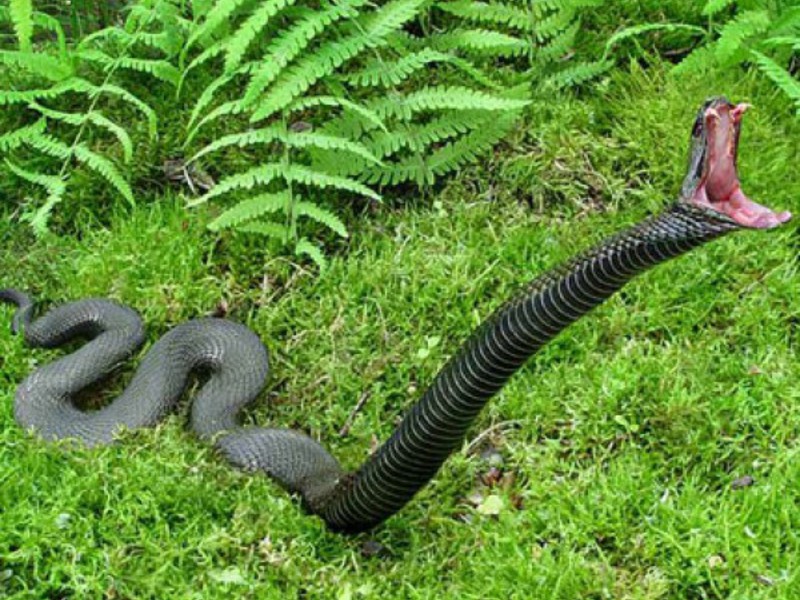
A black mamba attacks, a photo of which is best studied in advance, without warning; the victim hears no hissing or other sounds. Before the attack, the snake rises on its tail, which poses a particular danger to humans, increasing the area of potential damage. When hunting rodents, the reptile crawls away after biting, waiting for the victim to die. Its large venom supply allows it to bite again if necessary.
The black mamba is one of the few snakes capable of pursuing its prey for extended periods of time, reaching speeds of up to 20 km/h (12 mph), a record for any snake. This reptile is always mobile and doesn't go into a stupor to digest its food, unlike, for example, a boa constrictor.
Truth and myths
The local population has a superstitious fear of the black mamba. This snake is the central character of many beliefs and legendsHere are some of them:
 A black mamba can chase a person for several kilometers just to bite. This is untrue. This snake has no interest in humans as a prey item. Therefore, it will only attack if threatened. It is recommended not to approach a black mamba or its potential nest within 10 meters. In this case, it will not perceive a person's presence as a potential threat, and will certainly not pursue them.
- A dead snake should be carried as far away as possible, otherwise it will bring misfortune. This myth stems from a true incident in which a hunter killed a black mamba and brought it home to show his wife. The dead snake turned out to be a female during mating season, and its pheromones attracted a male, who bit the young woman. Following this tragedy, this reptile was given the ability to take revenge and pursue its offender.
- A single black mamba can kill three horses and two bulls. This statement is more of a proverb, describing the degree of danger this snake poses. Locals regard it with awe. However, neither horses, nor bulls, nor other comparable-sized creatures are the black mamba's traditional prey. It will attack them only if it feels truly threatened.
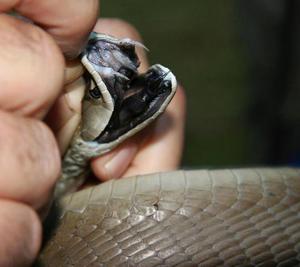 A black mamba can chase a person for several kilometers just to bite. This is untrue. This snake has no interest in humans as a prey item. Therefore, it will only attack if threatened. It is recommended not to approach a black mamba or its potential nest within 10 meters. In this case, it will not perceive a person's presence as a potential threat, and will certainly not pursue them.
The spread of civilization and the destruction of the black mamba's natural habitat does not affect its population in any wayRodents, its usual prey, adapt well to living near humans. The snake itself feels quite comfortable both in the wild and in a tree hollow in a city park. Therefore, the mamba poses a danger to humans even in the center of a large city. Considering that survival after a black mamba bite is impossible without antivenom, an encounter with one is highly undesirable, even for a healthy adult.