Tigers are the largest felines on Earth. They are known not only for their size and unique coloring, but also for their majestic appearance, exceptional strength, and graceful movements. The following interesting facts about tigers will surprise anyone.
Appetite
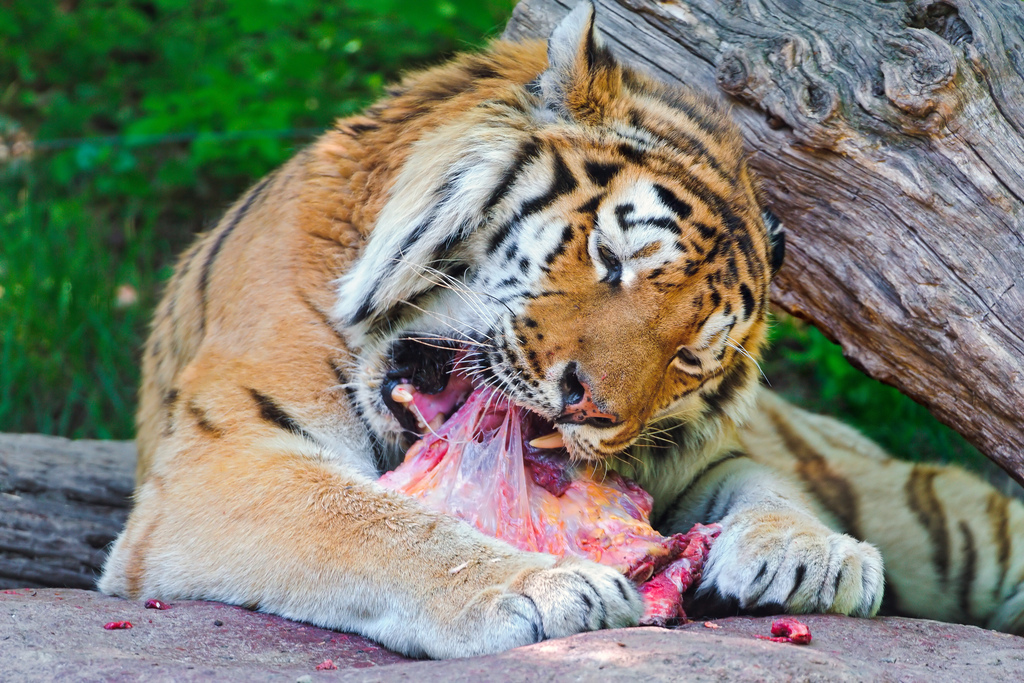
A tiger eats 7 to 9 kg of meat daily. This is almost twice as much as a lion requires.
Color
The beautiful pattern formed by the stripes on each tiger's forehead looks exactly like the Chinese character for "King."

Etiquette
Females approach prey killed during a hunt first, and males approach only after their hunger is satisfied. Incidentally, with lions, it's the other way around.
Reproduction
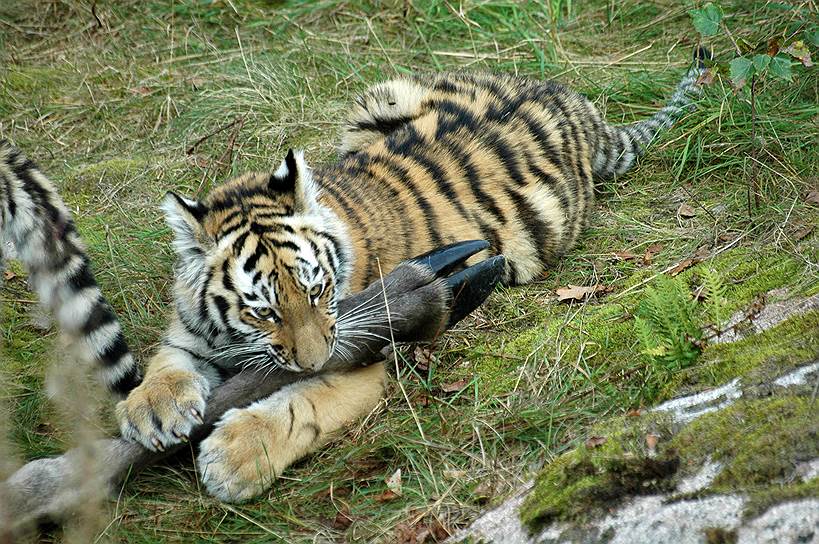
Tigresses are only able to become pregnant for 4-5 days a year, and only half of the cubs survive to adulthood in the wild.
Cannibalism
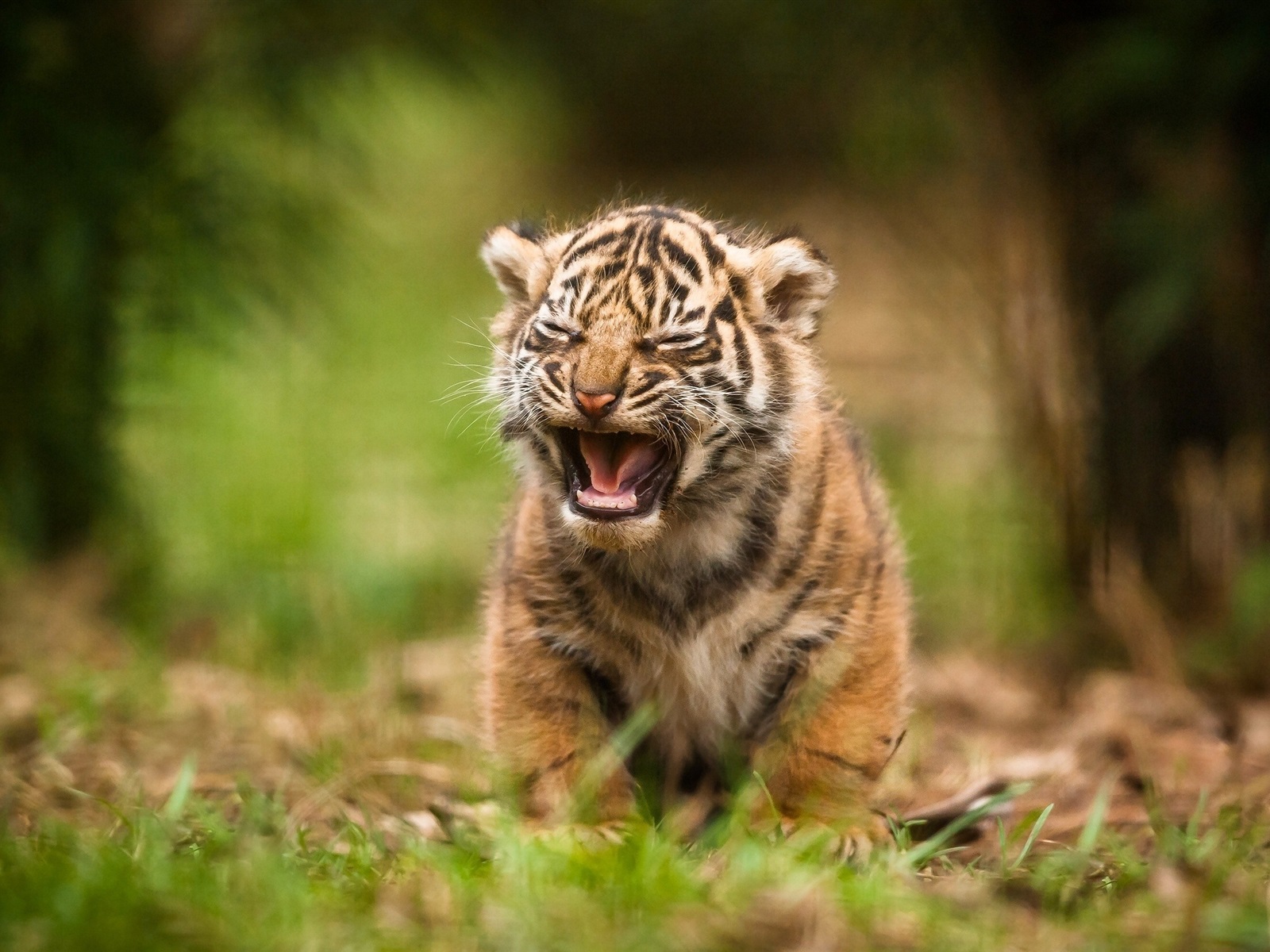
Having feasted on human flesh once, tigers can retain a fondness for such prey. The most famous man-eating tiger claimed approximately 430 victims, and a hunter from England was sent to capture him.
Hunting
Tigers don't attack openly, but only in ambush. Moreover, if the prey spots the striped hunter, the latter may become confused and give up. For this reason, in India, when going into the jungle, they often wear a mask resembling a face on the back of the head.

Number of people
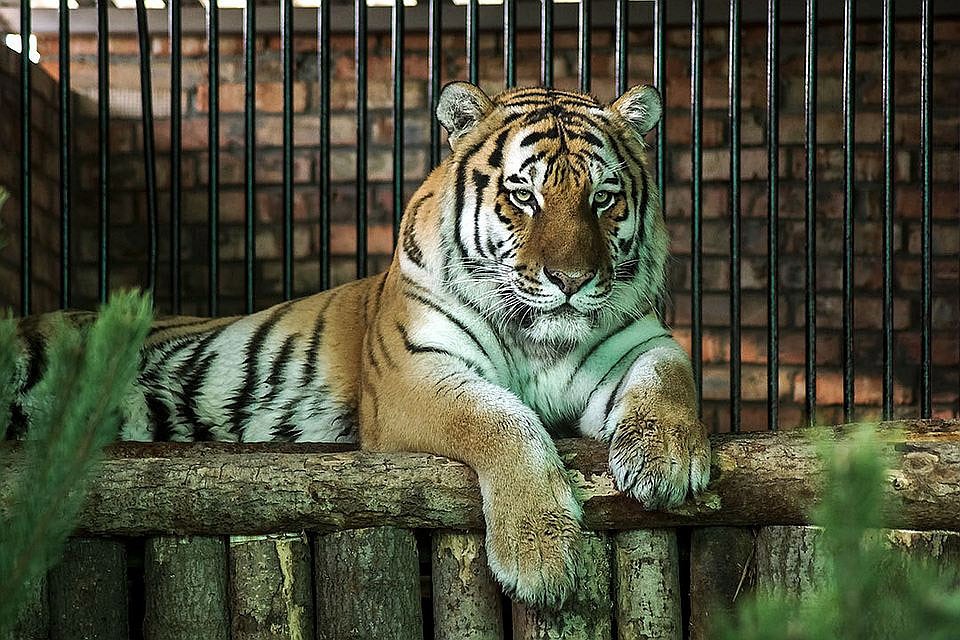
There are approximately 3,500 tigers remaining in the wild. However, approximately the same number are kept in captivity.
Habits
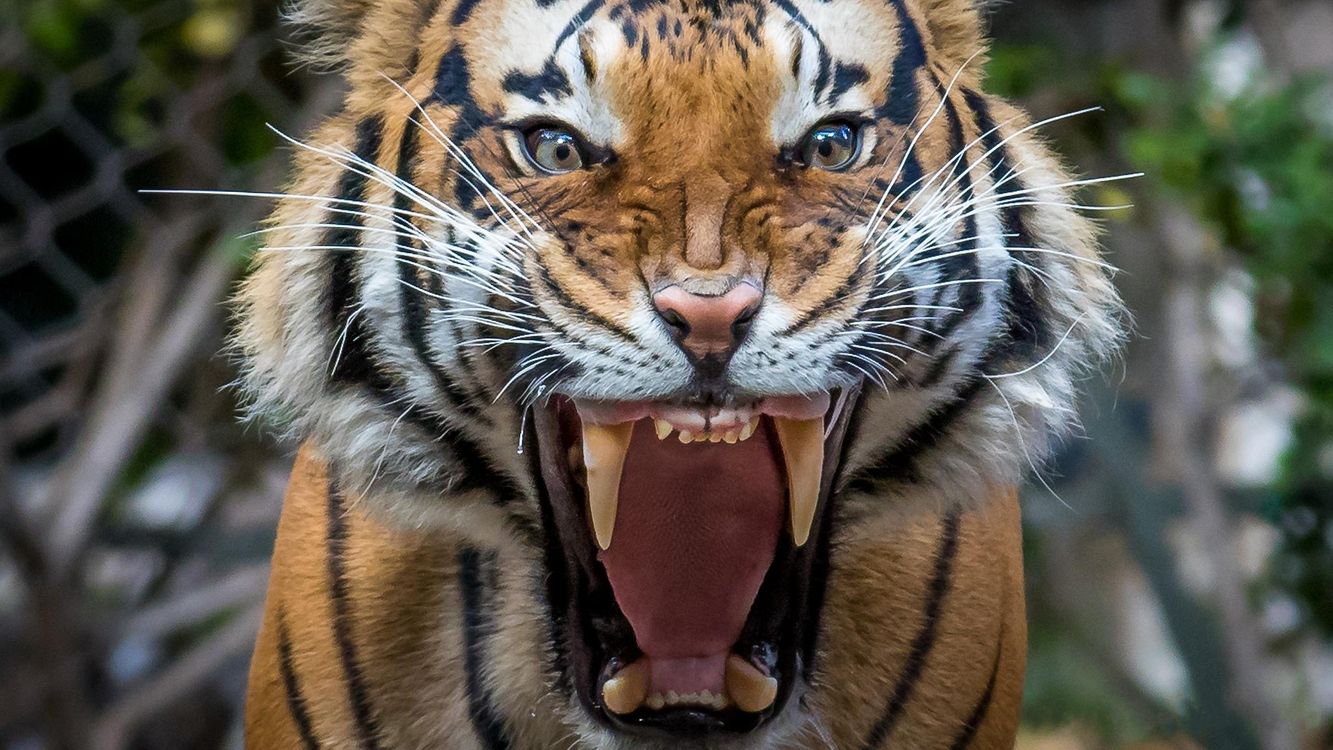
Before an attack, as often depicted in films, a tiger doesn't roar—it can either snort or hiss. It uses roars to communicate with its fellow tigers.
Hybrids
Tigers and leopards living in the same area sometimes interbreed. The resulting offspring are sterile, and their coats may alternate between stripes and spots.

Possibilities
Tigers can leap up to 6 meters in length, and these striped predators can jump up to 5 meters in height. A running tiger can reach speeds of up to 60 km/h.

Tigers are currently endangered, which has forced many countries to take serious measures to protect these striped predators from extinction, including imposing penalties for hunting and maintaining and increasing the necessary numbers of these felines in nature reserves and zoos. Thanks to this, we can still observe these unique creatures not only in pictures and videos, but also in person.