A dog is a domestic animal that requires constant exercise. While outdoor walks are beneficial for a dog's health, parasites found in the environment can cause serious harm. Flea and lice infestations are quite common and can cause significant discomfort for dogs. These pests must be removed as quickly as possible to prevent them from causing further harm. Failure to seek prompt medical attention and begin treatment can lead to complications.
Routes of infection
Lice are small parasites that look like lice, but have differences in the structure of their heads. They live on the surface of the skin of dogs, feeding on dead particles and hair. Reproduction is quite active, so if even one female is caught, about 70 new individuals hatch within 6-10 days.
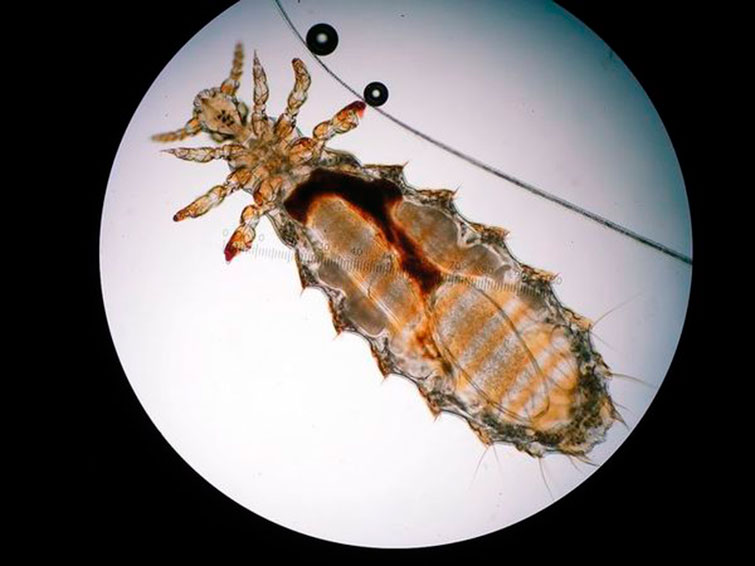
The danger of infection lies in the fact that these parasites carry tapeworms. The lice's activity causes severe discomfort to dogs. Their bites cause irritation, skin problems, and can lead to various internal infections.
Parasites live only in dogs' fur and do not pose a danger to humans or other animals.
Routes of infection:
- from an infected animal;
- through common objects of several dogs;
- due to poor quality processing of hair cutting tools.
A sick mother can infect her puppies immediately after birth, and the owner can bring lice in on their clothes or shoes from the street.
Infestations typically occur in the fall or spring, as high humidity creates a favorable environment for parasite reproduction. The risk increases if the pet has a poor diet, a weakened immune system, or chronic illnesses.
Symptoms and possible complications
If dogs are infected with lice, the symptoms will be quite pronounced, but they can easily be confused with fleas or ticks. A veterinarian can help determine the type of parasite.
As soon as the lice begin to multiply, the following will appear:
- skin itching;
- change in the appearance of the coat for the worse;
- its loss;
- roughening of the skin with the formation of a red crust;
- the appearance of white grains on the fur;
- loss of appetite;
- increased need to drink;
- behavioral disorder;
- anxiety;
- delayed growth and development in puppies.
Failure to detect the problem in a timely manner leads to complications:
- decrease in the body's protective functions;
- weakening of local immunity of the skin;
- complete baldness;
- infection with worms, tapeworms, fungi.
To obtain an accurate diagnosis and treatment, it is important to consult a doctor.
Therapy
The veterinarian will conduct a comprehensive examination and assess the dog's condition. To determine the presence of lice, a simple examination of the fur is sufficient. A scraping of the damaged skin is then taken and laboratory tests are carried out to determine exactly what damage the parasites have caused to the animal.
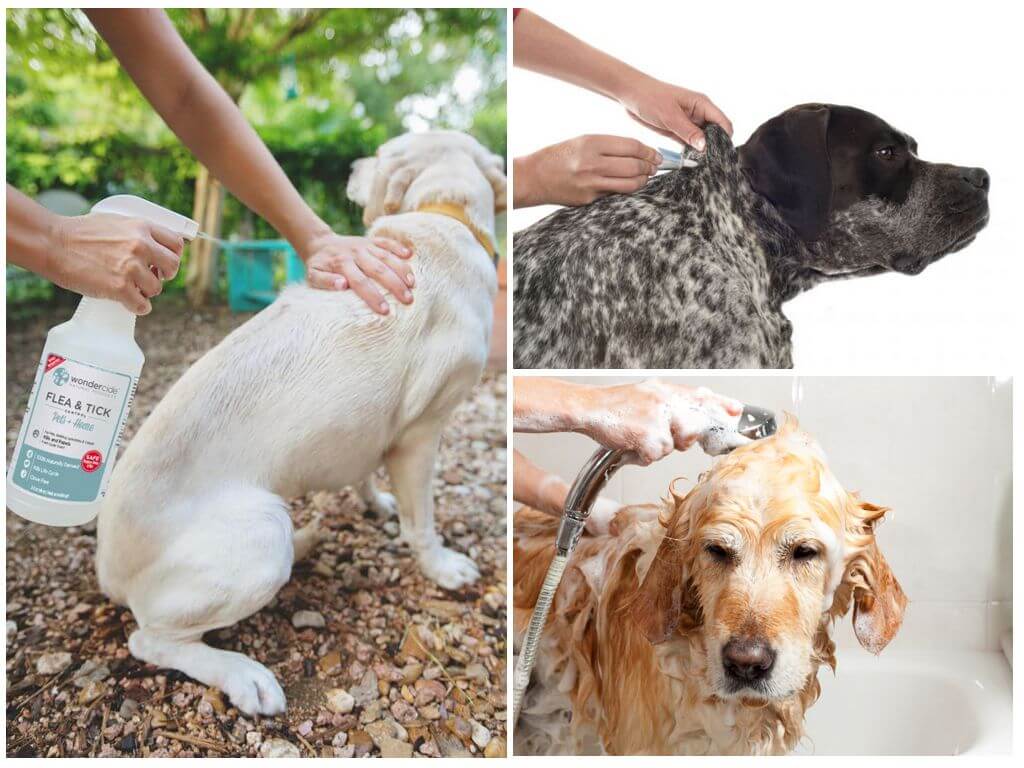
The treatment is comprehensive. The course typically lasts 1.5 months. Coat treatments are carried out strictly according to the instructions and no more than once or twice every 7-9 days.
The main treatment is a dog shampoo for lice. It relieves itching, improves the condition of the coat, and prevents hair loss. It is used for treating animals of all ages.
The following brands of medications are prescribed:
- Meadow;
- Phytoelite;
- RolfClub;
- Leopard;
- Demos Lux.
In addition to using shampoos, it's important to treat your dog with drops. This medication is considered one of the most effective, as it lasts for a relatively long time, protecting for up to 8 months. Recommended use:
- Insektal;
- Good Dog (Favorite);
- Prak-tik (Novartis);
- Frontline (Merial);
- GreenFort.
Sprays and aerosols are effective. These medications have a higher insecticide content. Your doctor may prescribe:
- Frontline (Merial);
- Bars (AVZ);
- BlochNet (Astrapharm);
- RolfClub;
- Fiprex.
The form and brand of the medicine is selected by a veterinarian, taking into account the individual characteristics of the dog (breed, age, degree of infection).
Rules for the use of medicines
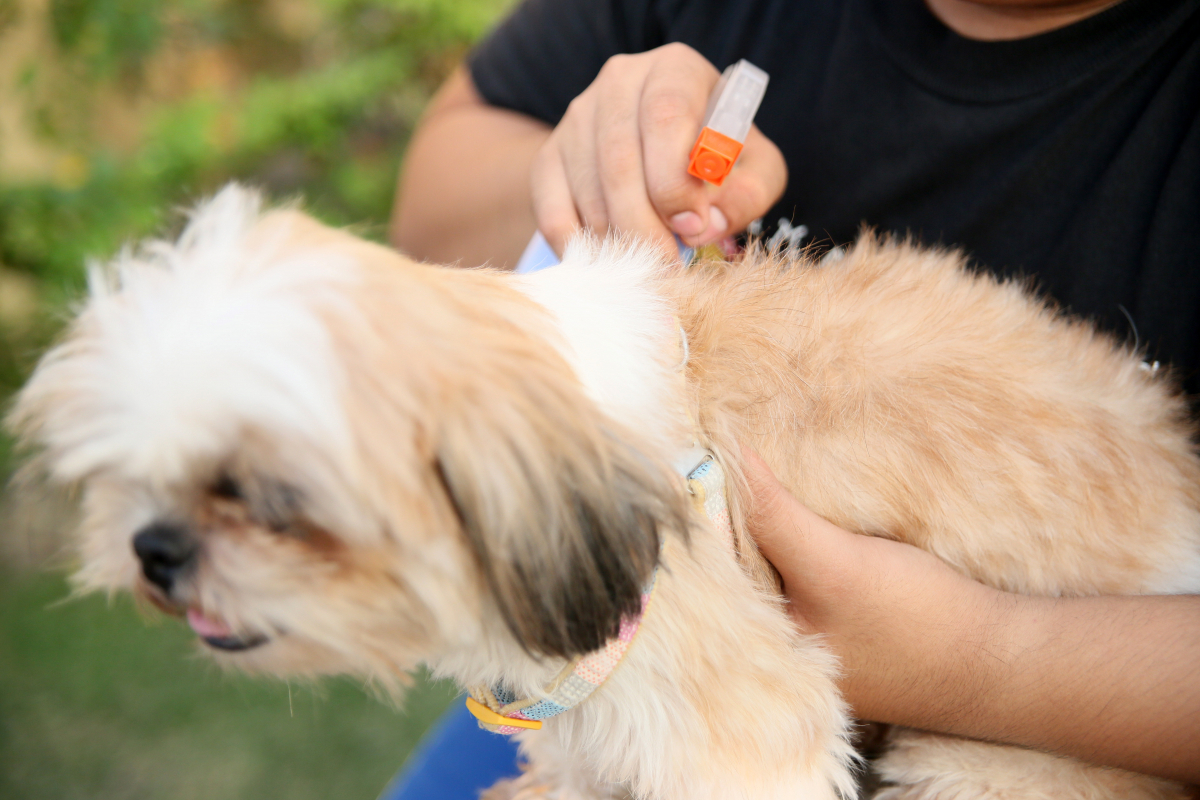
For therapy to be effective, medications must be used as directed. Treatment should not be short-lived. Even if the dog feels better and the coat looks better, it is forbidden to interrupt the treatment. This can lead to a relapse. To prevent this, therapy should last at least 5 weeks.
Simple rules will help improve the effectiveness of medications and achieve the desired result as quickly as possible.
Rules for using medications:
- Apply the shampoo to your dog's damp fur. Massage in and rinse after a few minutes. More shampoo may be needed to clean heavily infested areas and matted, dirty fur. After thoroughly rinsing, dry your pet thoroughly and comb out any dead parasites.
- Drops are applied with special pipettes to the withers and spine of the animal.
- The pet's entire body is treated with sprays, avoiding the eye area and mucous membranes.
Traditional methods

Alternative remedies can only be used as prescribed by a doctor. Do not use them as a substitute for prescribed shampoos and drops, as this will render the treatment ineffective. Folk remedies are aimed at improving the dog's well-being and gently restoring the skin and coat.
The best infusions are chamomile, string, and calendula. These herbs can be used separately or together. To prepare, take 5 tablespoons of the medicinal herb and pour 2 liters of water over it. Bring to a boil, then strain.
After washing your dog with a specialized shampoo, rinse with a room-temperature herbal infusion. This type of treatment is good for puppies.
Prevention
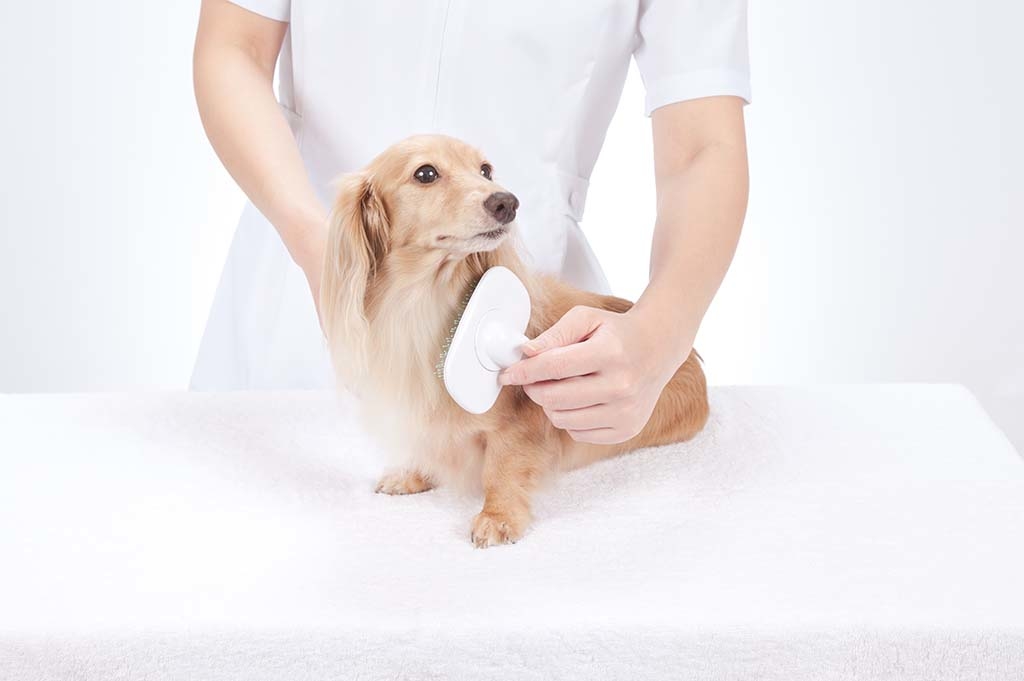
Since parasite infestation can occur at any time, preventative measures can help prevent both initial and recurring infections. Twice-yearly treatment with acaricides and insecticides is necessary. All treatments should be recorded in the pet's passport.
Preventive measures include:
- regular cleaning of the premises where the animal lives;
- balanced nutrition;
- adding vitamin and mineral complexes to food in spring and autumn;
- proper grooming.
Bathe your dog twice a month using a special zoological shampoo. Wash the dog's grooming area at least once a month. After each walk, it's important to inspect your dog for parasites. Avoiding contact with stray and unfamiliar dogs will help protect your pet's health. Wearing an antiparasitic collar at all times during the summer is essential.
Lice not only spoil a dog's appearance but also seriously affect its health. If you suspect an infestation, your pet should be examined by a veterinarian and treated. Simple preventative measures can protect your pet, strengthen its immune system, and maintain its health.