Until recently, rabies was known as hydrophobia. Signs of rabies in dogs are not always clear and obvious to the average person.
Symptoms of rabies do not always appear in the early stages of the disease, so dog owners should be wary of any changes in their dog's behavior.

The prodromal three-day stage is characterized by apathy. The animal hides and does not respond, but may also cuddle up to people, releasing a significant amount of viruses.

The manic stage is characterized by unmotivated aggression. The animal loses its sense of control and may bite the owner or others.
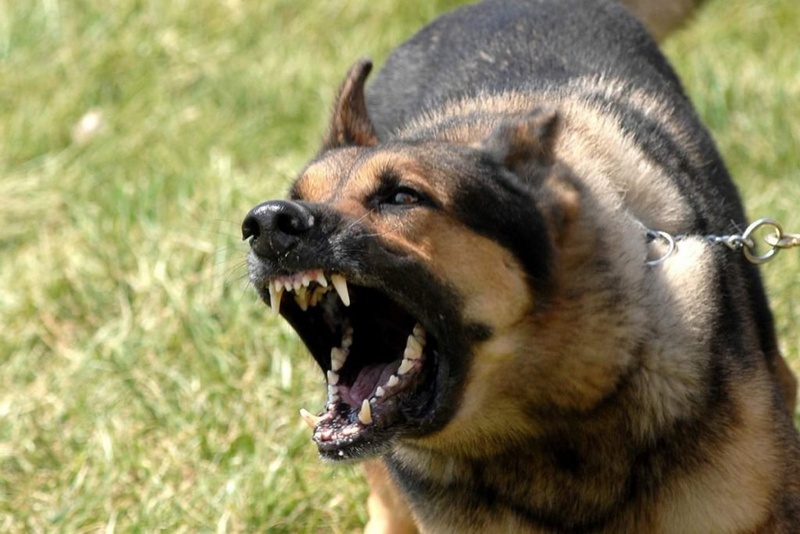
Sometimes it is accompanied by signs of laryngeal paralysis, so the dog is able to make howling sounds.

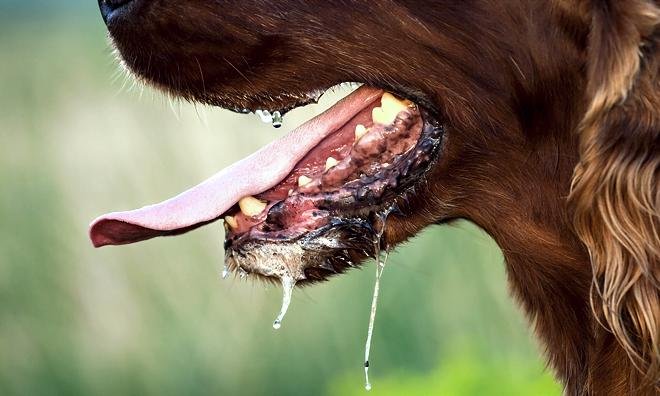
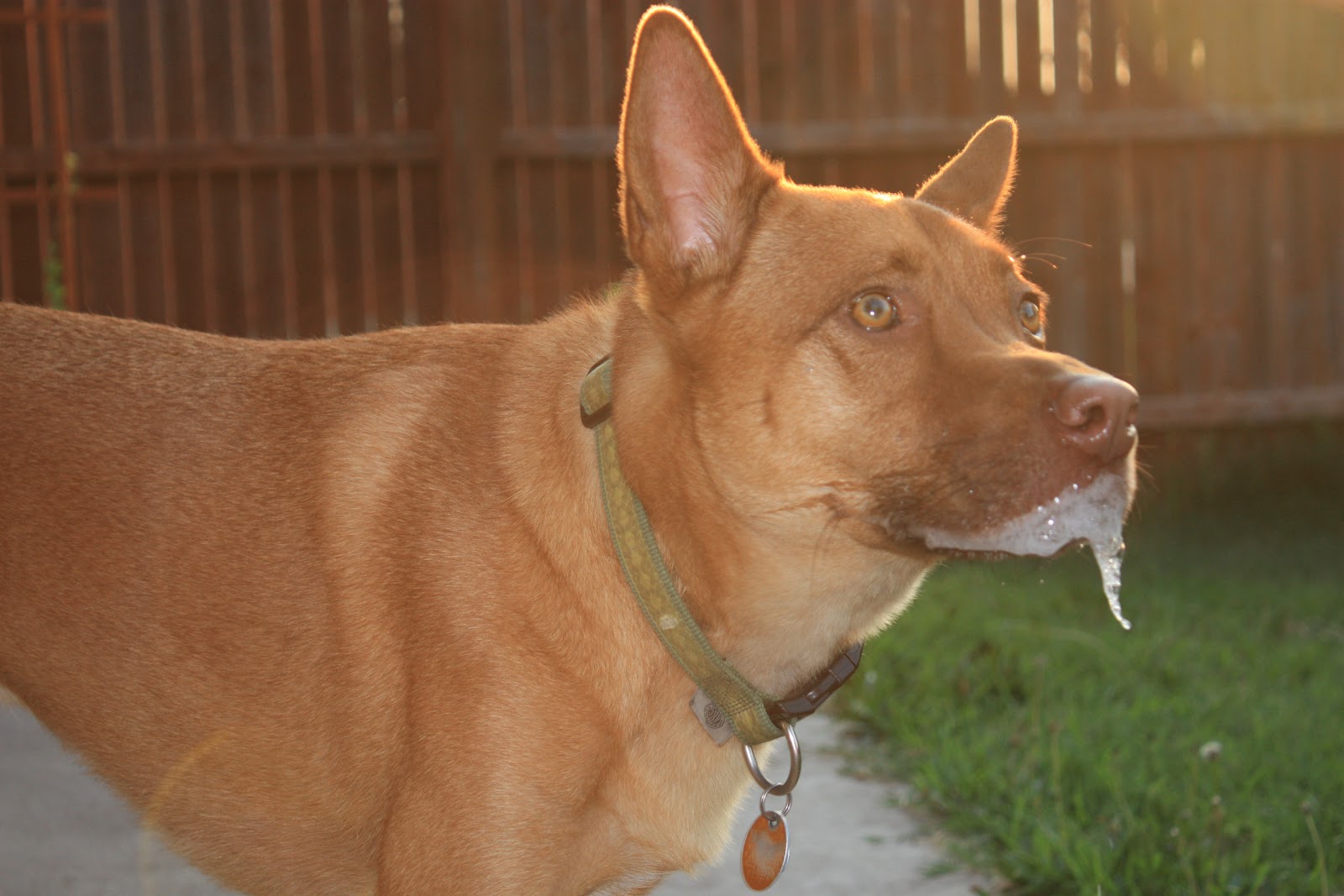
Closer to the paralytic stage, the dog experiences salivation of varying degrees of intensity.
With an atypical form of rabies, a four-legged pet can eat any inedible objects.

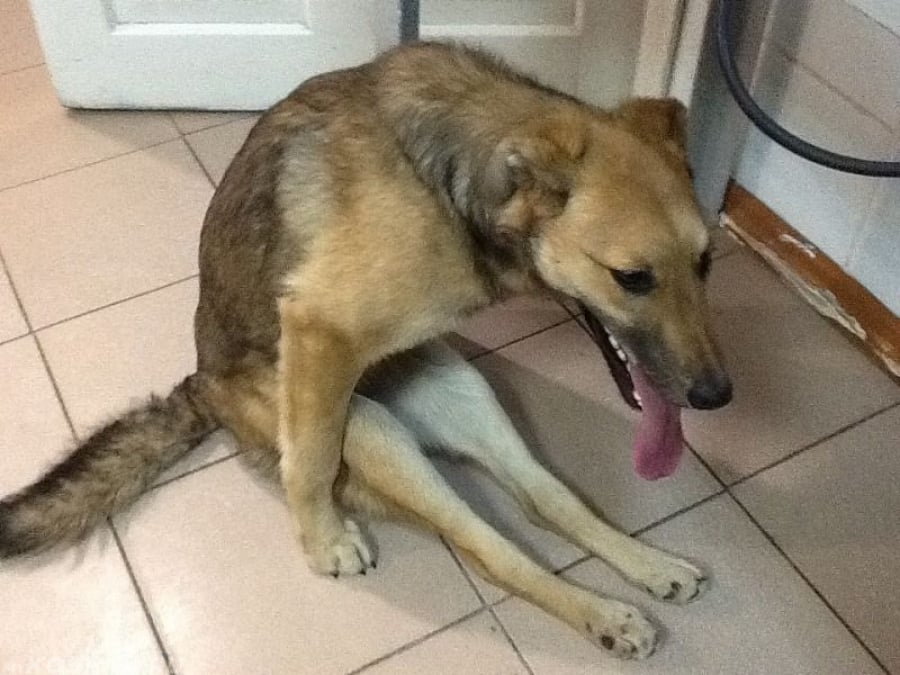
The paralytic stage is accompanied by paralysis of the hind limbs, fear of water, exhaustion, coma and death.
Rabies is a deadly disease. Infection occurs exclusively through contact with a dog, so promptly identifying the disease in animals is crucial.