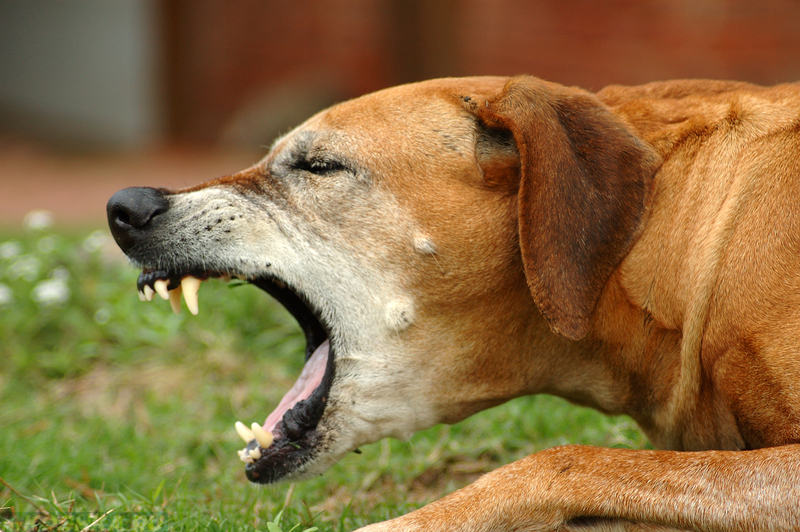
Every owner should be wary of a cough in their dog. It's always associated with certain health issues or the pet's living conditions. In any case, it's important to promptly identify the cause of the cough and address it.
Allergy
A dog's natural reaction to an allergen is coughing. Negative factors such as dust and pollen irritate the pet's respiratory system and trigger coughing. Certain foods or medications can also act as allergens.
In case of an allergy, in addition to coughing, the animal will also experience other symptoms:
- redness of some areas of the body;
- mucous discharge from the nose and eyes;
- redness of the eyes;
- restless behavior;
- skin itching;
- profuse salivation;
- loose stools.
If an allergic cough occurs, the animal should be kept away from the potential allergen. Additionally, an antihistamine should be administered as prescribed by a veterinarian.
Overheating or hypothermia
Temperature fluctuations, either extreme or extreme, can also trigger a coughing reaction in dogs. Thermal irritation from hypothermia is usually accompanied by shivering and sneezing, while overheating is characterized by coughing, lethargy, apathy, and refusal to eat. If the cough is caused by hypothermia, the animal should be placed in a warm room, covered with a blanket, and provided with warm water. If overheating occurs, give the pet cold water to drink. If possible, a cool shower is recommended.
Irritation of the nose from air and odor
Chemical irritation of the respiratory tract caused by pungent odors, such as tobacco smoke, household chemicals, and so on, can cause a pet to cough. This is the body's protective response to irritating factors.
When the mucous membranes are irritated, the dog will not only develop a cough, but also a number of other symptoms:
- redness of the eyes;
- swelling;
- lacrimation;
- restless behavior;
- whining.
First aid in this case involves eliminating any irritants to the respiratory tract. The dog should be taken outside to fresh air, and the area where it is kept should be well ventilated.
Infectious diseases of the upper respiratory tract
Coughing in dogs is most often a symptom of upper respiratory infections, such as colds, bronchitis, laryngitis, and pneumonia. This is the most serious cause of coughing, and if left untreated, it can have serious consequences.
Associated symptoms that indicate the disease are as follows:
- increase in body temperature;
- sputum with a yellowish tint;
- dry cough turning into a wet one;
- "rusty" sputum in case of pneumonia;
- refusal to eat;
- inability to bark due to hoarseness;
- apathy;
- muscle weakness;
- restless sleep.
Inflammatory diseases of the respiratory tract require immediate consultation with a veterinarian and comprehensive therapy as prescribed.