When a dog shakes or shivers, it's also known as tremors. Naturally, this unusual behavior can frighten and alarm caring owners, leading them to worry about possible illnesses in their four-legged friend. But in reality, tremors are often caused by physiological reasons, meaning they're not related to any underlying medical condition.

The pet is scared
Dogs are quite impressionable creatures. They can be startled by a sudden loud noise, a strong gust of wind outside, the roar of a motorcycle, or an unfriendly stranger. Fright often causes a dog to start shaking. This is especially common in small breeds. In this case, hugs and affection from the owner will help allay the pet's fears, and the shaking will subside.
The pet got hypothermia
Just like humans, a dog's natural response to cold is trembling. Short-haired and toy breeds are particularly susceptible to cold. This type of tremor is associated with a physiological mechanism that increases blood flow to protect the body from hypothermia. To prevent the negative effects of hypothermia and protect your pet from tremors, it is recommended to dress your pet in warm clothing (sweaters, cardigans, or jackets) during cold weather.
The pet is excited
Dogs are capable of experiencing strong positive and negative emotions. These can trigger tremors in pets. For example, dogs often tremor when they are eagerly awaiting a meeting with their owner, when offered a treat, or when overwhelmed by emotions during active play. This is nothing to worry about.
The pet has an allergy
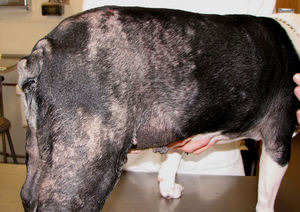
There's a more serious cause of tremors in dogs: allergies. An allergic reaction can occur in response to certain foods or medications.
Symptoms associated with tremors and allergies may include the following:
- redness of certain areas of the body;
- itching;
- restless behavior of the dog;
- heavy breathing;
- bowel disorder;
- profuse salivation.
The presence of these symptoms will tell the owner that the pet's shaking is caused by an allergy. In this case, it is necessary to stop further exposure to the allergens (stop medications, eliminate certain foods from the diet). An antihistamine can be given as prescribed by a veterinarian.


 Julia
Julia
1 comment