Not all owners know why their dog itches even if there are no fleas. However, the reasons can vary.
Reasons
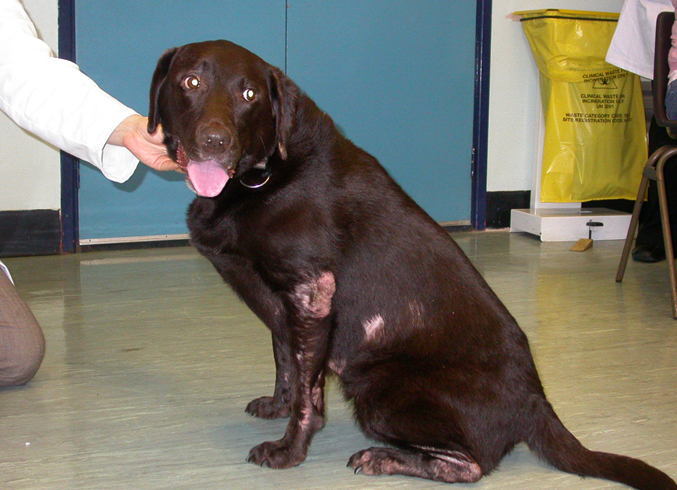
In addition to ectoparasites, itchy skin in dogs can be caused by:
- allergies to food components and care products, vaccines, plant pollen. In animals, such an immune response to an irritant is always accompanied by discomfort;
- skin infectious diseases. Young, old, and weakened animals are most susceptible. In addition to itching, hair loss, flaking skin, and changes in the color and texture of the nails may occur;
- hyperfunction of the sebaceous glands. It's more common in cats, but dogs also suffer from a condition called "greasy tail." Excessive sebum production causes matted fur, dandruff, and itching;
- stress. Emotional stress in dogs is accompanied by a whole range of symptoms, including skin irritation. In mild cases, the situation will resolve spontaneously once the underlying cause is eliminated, but in severe cases, a veterinary consultation is necessary.
- systemic diseases. Diseases of the reproductive system, tumors, and endocrine dysfunction can also cause skin manifestations. In such cases, other signs of poor health are also common: refusal to eat or drink, decreased activity, digestive problems, and so on.
To normalize the pet's condition, sometimes serious treatment is required.
What to do
First, try to determine the cause of the itching. For example, if:
- If the animal starts itching again after treatment for ectoparasites, it's likely that a new generation of insects has hatched from the larvae remaining in the fur. A repeat treatment will be necessary, including mandatory disinfection of bedding, floors, bowls, and upholstered furniture.
- If your dog is restless after washing with a scented shampoo, it could be due to an intolerance to the ingredients or insufficient rinsing. In this case, bathe your dog in clean water and use a different shampoo next time.
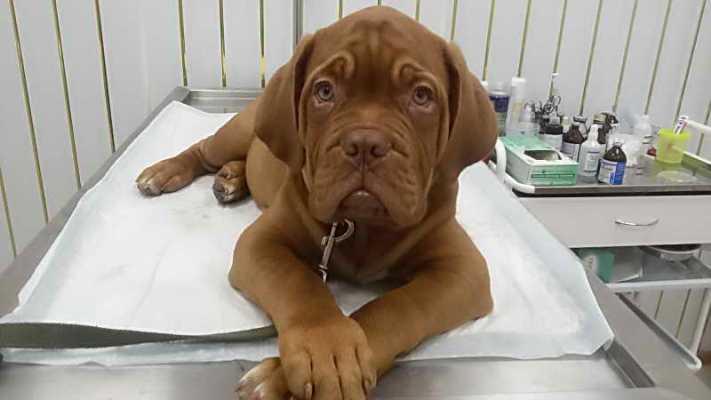
If you suspect skin diseases, it is better to show your pet to a veterinarian. Treatment will depend on the diagnosis. For example, different medications are used to combat fungal, viral, and bacterial infections.
If your dog suffers from sebaceous gland hyperfunction, your veterinarian will determine the cause and then prescribe appropriate treatment. The same approach applies if systemic pathologies are suspected.
Whatever the cause of a pet's itching, owners should pay close attention to the problem. Letting the situation slide can lead to dangerous complications.