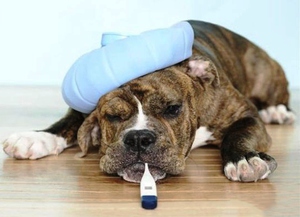
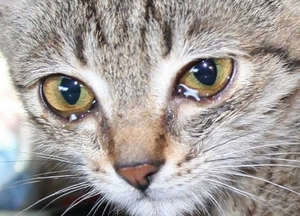
 Every family with pets pays close attention to their appearance. For example, a cat or dog should have a beautiful coat and a clear, devoted gaze. It's not uncommon for eyes to appear painful and watery. In advanced cases, purulent discharge may appear. What should you do in this situation, and how can you help your pet at home?
Why do dogs get pus in their eyes?
Most often, dog owners seek veterinary care for their pets due to eye problems. This process occurs in stages, and the eyes can:
- tear;
- turn sour;
- fester.
Similar problems may lead to serious consequencesIt's crucial to notice this early, determine the cause, and provide prompt assistance. There are several causes of this condition of the eye mucosa:
- getting dust, dirt, or foreign bodies into the eyes;
- infections;
- injuries;
- allergic reaction;
- systemic diseases;
- anatomical features.
If purulent discharge appears in the dog's eyes, then this is associated with conjunctivitis of various origins.
Conjunctivitis in dogs
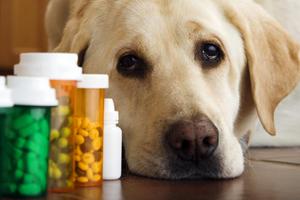 This disease is very common in dogs. It manifests itself inflammation of the membrane and the protruding inner surface of the eye. The disease can manifest itself in acute and chronic forms, and can be symptomatic or independent. Conjunctivitis can be purulent or catarrhal.
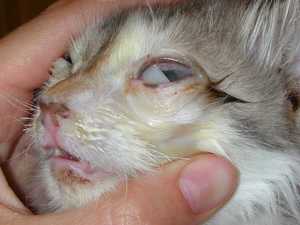
If your pet is secreting pus, it has purulent conjunctivitis. This condition causes the discharge to be yellow, sometimes with a greenish tint. The animal's mucous membranes are constantly swollen and red.
Pus in the eyes should always be a concern for pet owners, as it could be associated with plague or helminthic infestations. A dog's body reacts to the presence of parasites with an allergic reaction. Purulent discharge can also be caused by viral and bacterial infections.
When these discharges first appear, it's important to respond promptly and begin treatment at the right moment. Otherwise, the condition will become chronic and require long-term treatment.
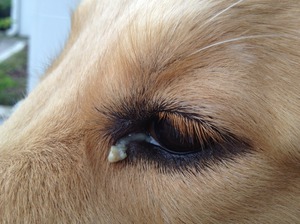
When the disease is acute, pus accumulates in the corners of the eyes, eventually forming crusts. The animal feels unwell and may develop a fever. In these cases, the dog squints and tries to avoid bright light. This condition lasts for several days, and if left untreated, the disease becomes chronic. Follicular conjunctivitis then develops, a condition that can last for years. The follicles on the inner surface of the third eyelid become inflamed, and the eyes become constantly purulent. If a dog has purulent eyes, what should you do and what help can you provide?
Main symptoms
Such discharges as purulent ones are always striking, so they are immediately noticeable. three stages of disease development.
The first signs are noticeable in the eyeball: it becomes red and inflamed, and may swell. If the dog doesn't receive prompt treatment, the inflammation progresses and pus begins to appear. The fur around the eye becomes wet and sticky. The animal becomes restless, and when the fur dries out, a crust forms around the eye area.
In the second stage, the discharge becomes purulent. These signs indicate inflammation of the eye itself or the pet's body, so it's crucial to establish a correct diagnosis and begin treatment.
The late stage is characterized by poor health of the animal. The dog's eyes open with difficulty, it's hard to look at the lightThe dog is barely eating and is weak. Pus is beginning to appear in various parts of the eyelids and is leaking beyond the eyelid area. The dog needs a medical examination, and if the situation is delayed, the animal may develop vision problems later.
Help and treatment
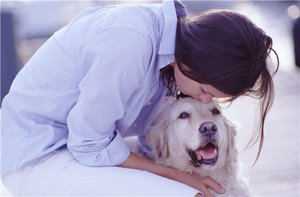 If your pet is ill, it's best to consult a specialist. They can identify a possible infection. A veterinarian will determine the cause of your dog's illness and, if it's not a serious threat, prescribe the best treatment.
You can also help your pet yourself. Experts recommend rinsing the eyes, and it's best to use freshly brewed tea at room temperatureHerbal infusions such as chamomile or calendula are also good for rinsing.
A dog with this condition has a severely inflamed inner eyelid, so rinsing must be done carefully. This procedure will be uncomfortable for the dog. First, soak a cotton pad in herbal infusion or tea, then apply it to the dog's eyes for a couple of minutes. This allows the crusts on the eyelids to loosen and then be removed.
Once the solidified mass has been removed, soak clean cotton pads in the decoction or tea again and wipe the dog's eyelids from the eye to the nose. Repeat this several times, but avoid applying pressure to the eyeball. When the eyes are clear, you can apply eye drops. using one of two means:
- chloramphenicol drops;
- albucid.
Animals generally respond well to the procedure. They understand that their owners are trying to help them and alleviate their condition. Eye ointments with a local antibiotic effect can be used instead of drops.
After just the first treatment, you'll notice a noticeable improvement in the condition of the mucous membranes of the eyes. Don't assume that everything is over and the dog is healthy. The treatments must be continued. Despite the positive results, It is advisable to visit a veterinarian and take your pet to a specialist. Early treatment will be easier and faster. If the disease becomes advanced, treatment will take a long time.