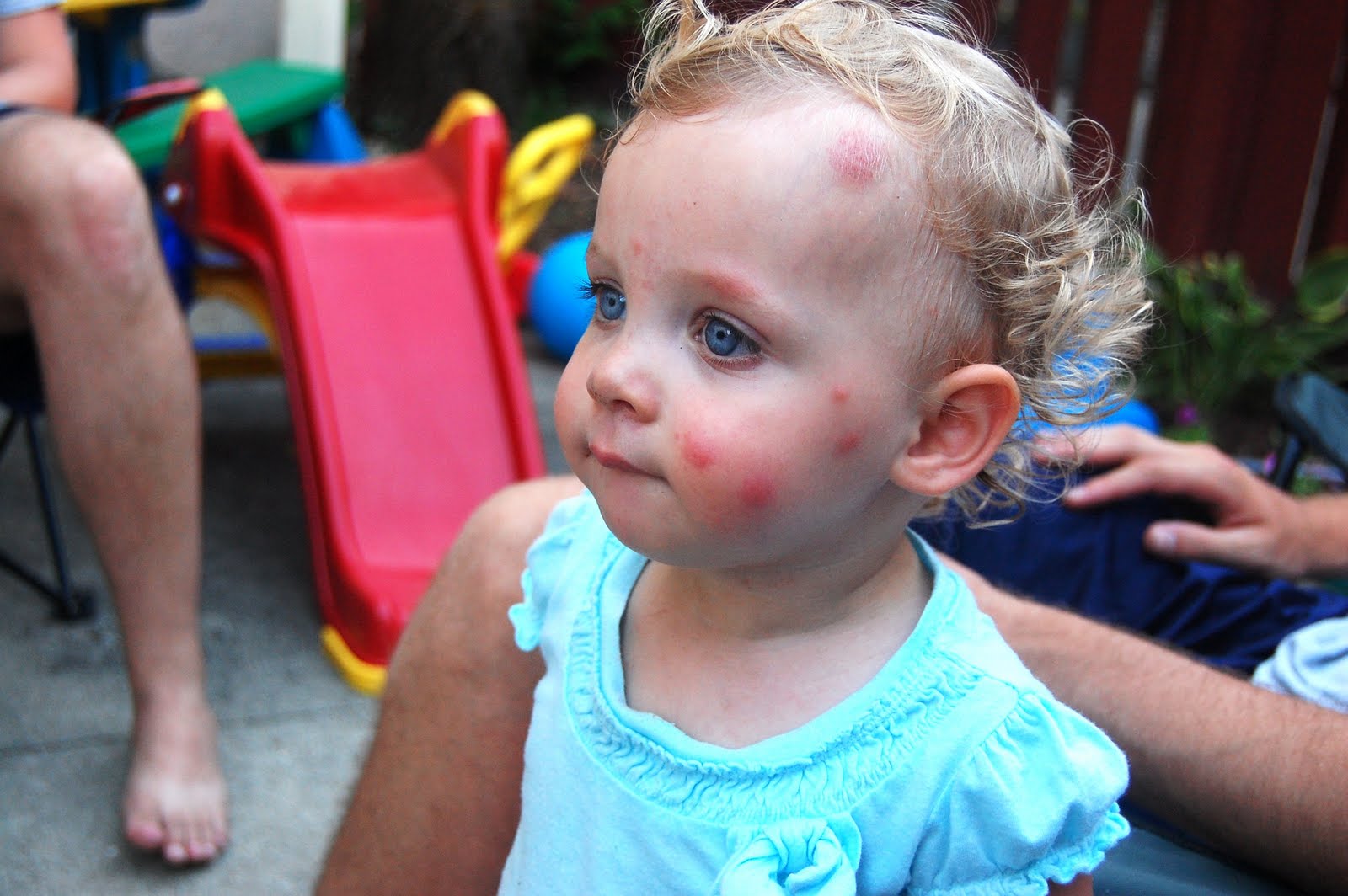
Itchy skin is a problem that can be distressing for both cats and their owners. There are many causes, from dietary inconsistencies to fungal infections. A veterinarian can help you understand why your cat is itching even if there are no fleas. A specialist will examine your cat and prescribe the necessary tests for an accurate diagnosis.
Main reasons
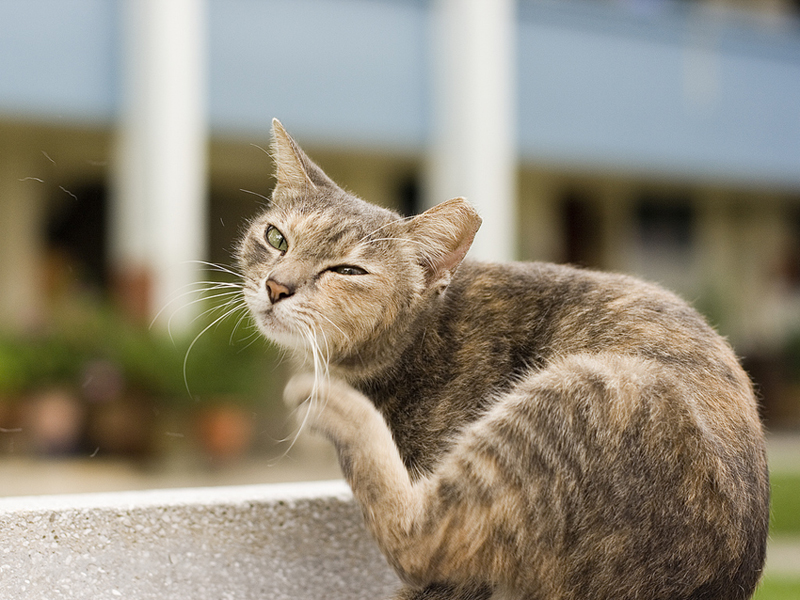
If a cat scratches itself frequently, it is not always a sign of fleas.
Possible causes of debilitating itching of the skin:
- poor nutrition;
- adverse drug reaction;
- contamination of the skin or mucous membranes;
- fungal diseases;
- bacterial inflammations;
- skin parasites;
- injuries;
- household allergens (aromatic candles, air fresheners, washing powders);
- incorrectly selected shampoos and other hair care products;
- stress of various natures.
In summer, an animal's allergy to house dust or pollen may become more severe.
Often the reasons occur in combination. For example, a minor injury can cause inflammation, and treatment can lead to side effects such as itching. Anxious animals will scratch the affected areas more and more. Itchy skin negatively impacts the cat's health, leading to poor eating, dandruff, and a dull coat.
How to deal with the problem
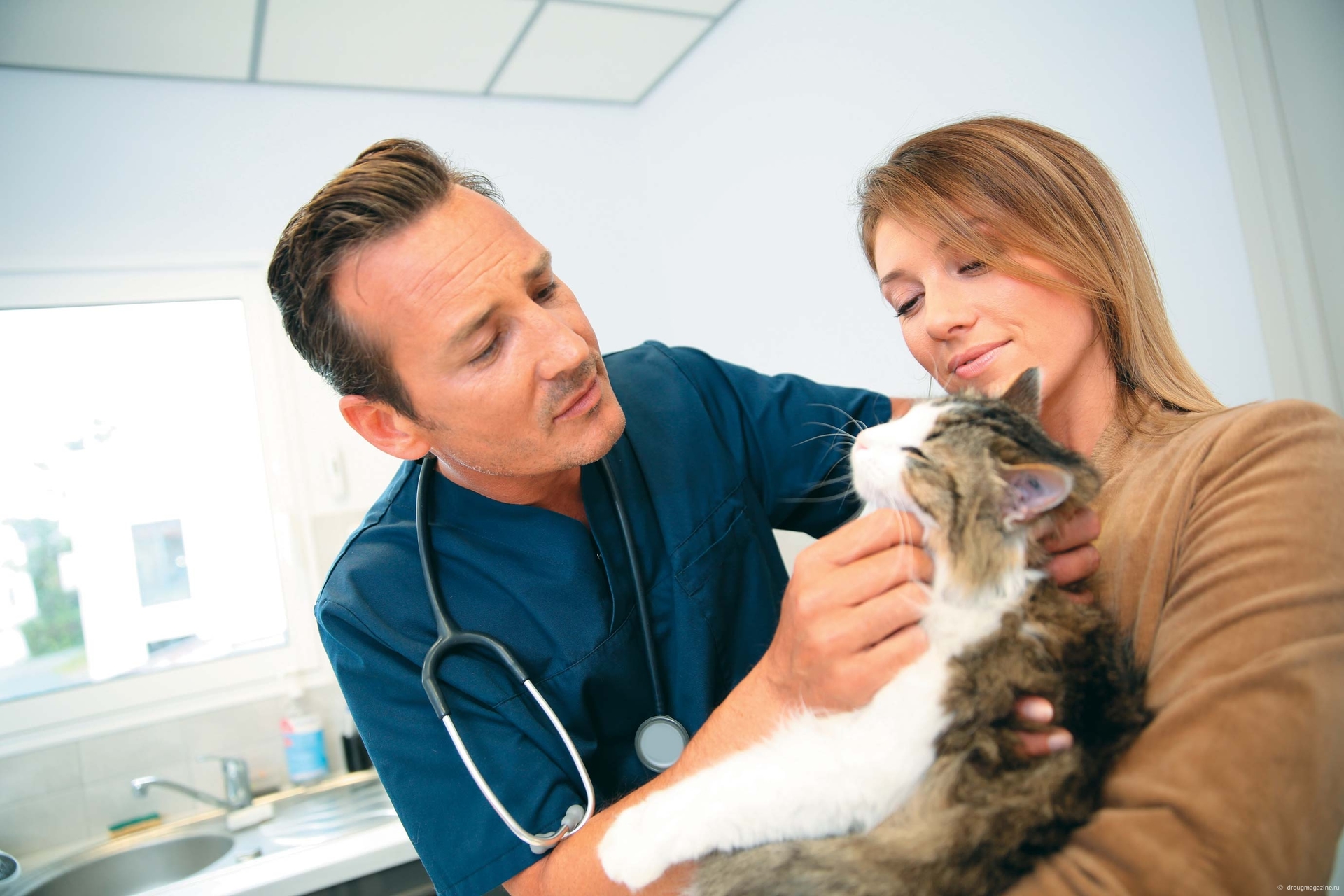
A veterinary examination would be a good idea in any case.
Once you understand the cause of the itching, you need to begin treatment immediately.
A comprehensive approach will yield the best results:
- First of all, you need to adjust the diet, eliminating all possible irritants. If your cat eats natural foods, eliminate grains, eggs, milk, and sweetened foods. In some cases, chicken can cause an allergic reaction; it's best to replace it with lean beef or turkey. For cats fed commercial food, special hypoallergenic diets in the form of dry kibble or canned food are suitable.
- Fungal infections are treated with a combination of a gentle diet and immune-boosting medications. Medicated shampoos, lotions, and powders can help relieve irritation. These should be selected by a veterinarian after conducting appropriate tests. Different types of fungus vary, and the wrong treatment will not help, but will actually worsen the situation.
- An injury or infected wound requires a visit to the veterinarian. Your cat will be prescribed antibiotics in the form of ointments and injections, and may also be given mild sedatives. It's best not to self-medicate.
- You can get rid of lice and skin mites at home. However, it's important to conduct a diagnosis first to determine the specific parasites troubling your pet. The simplest treatment is a mild, all-purpose shampoo. Deworming is also recommended.
- If your cat is itching because of mats, it's best to carefully trim them rather than trying to comb them out. Long-haired pets can have their coat trimmed at a salon; this will make grooming easier and prevent recurrences.
- Allergic reactions often affect animals with white fur, as well as hairless breeds such as Sphynx, Cornish Rex, and Devon Rexes. It is important to identify and eliminate the cause of the allergy. Most commonly, itching is caused by repair materials, essential oils, sprays, perfumes, and strong-smelling household chemicals. Antihistamines, prescribed by a veterinarian, can help relieve symptoms.
If your cat is itching, don't ignore the problem. Normal itching can lead to behavioral changes, anxiety, fur damage, and skin lesions. Prompt treatment will completely relieve the unpleasant symptoms and keep your pet healthy.