Cats, like humans, are susceptible to various diseases caused by pathogens. Chlamydia is considered a common disease among stray and domestic cats. The animal's condition often does not worsen, indicating a latent infection. This is why some owners neglect their pet's health, leading to worsening symptoms and complications. Timely diagnosis and treatment can help avoid serious consequences.
Content
Reasons for occurrence

The main cause of the disease is considered to be the dangerous bacterium Chlamydia psittaci, which penetrates the animal’s body and affects vital organs and systems.The danger of this pathogen is that it lacks its own energy metabolism, so once it enters the body, it must seek out a suitable, comfortable cage. Animals can become infected in several ways: through food, contact, and sexual contact.
Most often, domestic cats become infected from stray cats when going outside, eating near trash cans, or having close contact with stray cats. The following factors predispose to the disease:
- weakening of the animal's immunity;
- unbalanced diet and lack of essential vitamins and minerals in food;
- being in the same room with sick individuals;
- lack of vaccinations required upon reaching a certain age.
Sometimes the bacteria affects the body of kittens, especially when they are quickly weaned from their mother.
Symptoms and diagnosis
Once the pathogen enters the body, it can remain dormant for a long time, without manifesting itself and without affecting the overall health of the animal. The microorganism affects the digestive, respiratory, reproductive systems and the ocular apparatus. Symptoms depend on which of them is most affected. The most common general signs of the disease are:
- refusal to eat, nausea and vomiting;
- weight loss;
- deterioration of the coat condition, loss of shine, increased shedding;
- increase in body temperature;
- decreased activity of the animal, constant drowsiness.
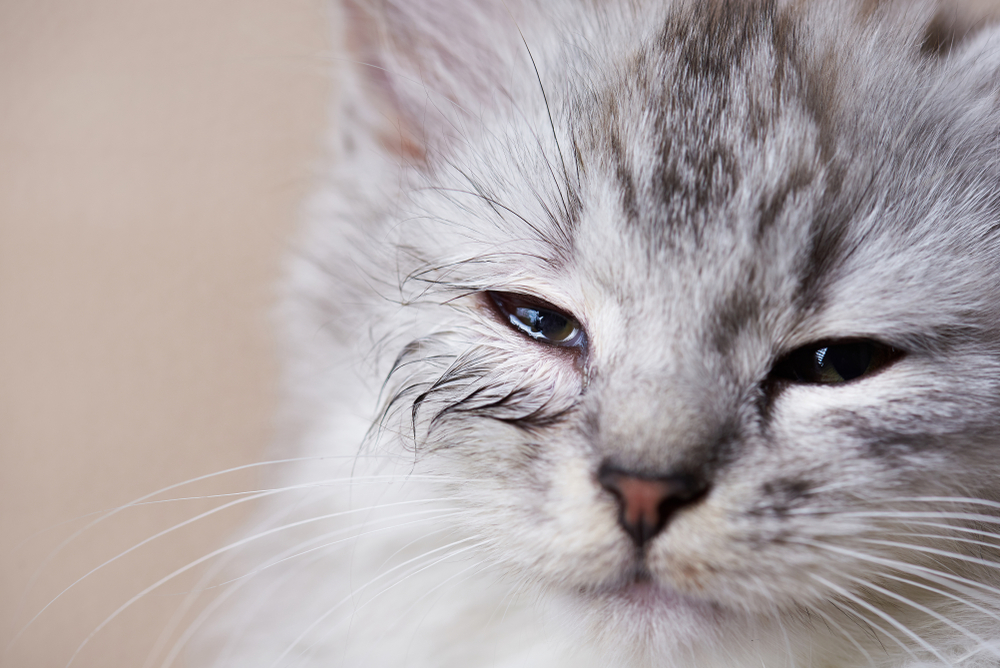
When the eyes are affected, profuse lacrimation, swelling and redness of the upper and lower eyelids, watery eyes, and a protruding and swollen third eyelid are observed. The ocular form is characterized by the initial involvement of one eye, followed by the other a few days later.
If the reproductive system is affected, the owner may not notice any changes in the absence of other clinical manifestations. The disease is almost always asymptomatic. Occasionally, cats may develop vulvar discharge.
Respiratory damage is considered one of the most severe forms, as the animal stops breathing normally, coughs frequently, and becomes short of breath. As the disease progresses, wheezing is heard, a small amount of mucus is constantly secreted from the nose, the cough intensifies, the body temperature rises sharply, and other severe lung and bronchial diseases may develop.
Diagnosing chlamydia in cats is straightforward. The diagnosis is based on a visual examination and auscultation information provided by the owner to the veterinarian. To determine the cause of the symptoms, discharge from the eyes, nose, vulva, and mouth is examined.
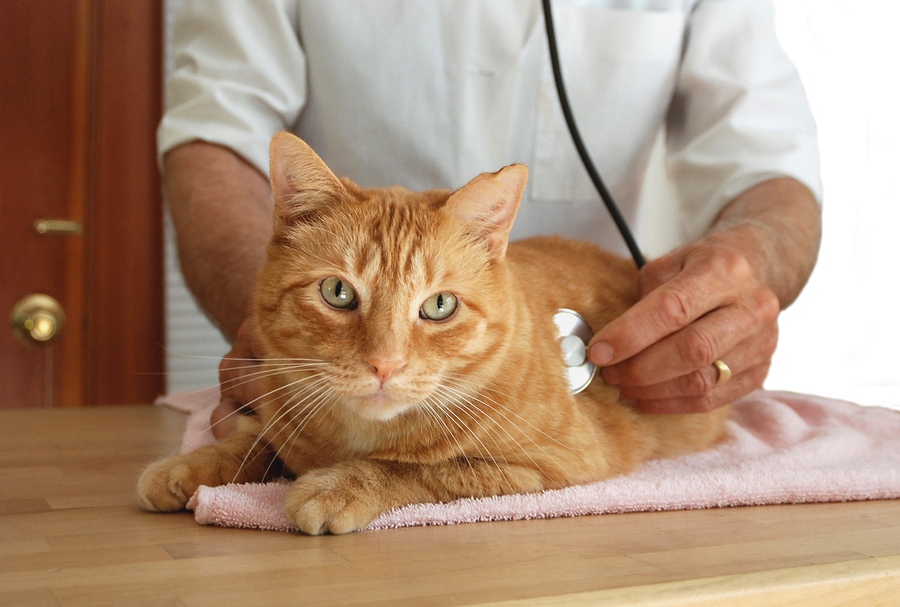
In a laboratory setting, specialists isolate the pathogen. A veterinarian listens to the pet's lungs to identify possible complications and the severity of the condition. If the animal is infected with the sexually transmitted, asymptomatic form, a diagnosis is made based on the test results.
After establishing an accurate diagnosis, a specialist prescribes medications to cure chlamydia in cats. Symptoms and treatment largely depend on the severity of the condition.
Danger to humans and other animals
Experts strongly recommend prompt treatment of chlamydia in cats; the risk to humans is low. Only people with severely weakened immune systems can become infected from cats. The risk of infection also increases if basic personal hygiene rules are not observed.
For animals, a sick cat poses a great danger, since the bacteria is quickly transmitted in various ways and can provoke the development of disease. Therefore, it is recommended to keep infected individuals separate from healthy ones.
Treatment and medications
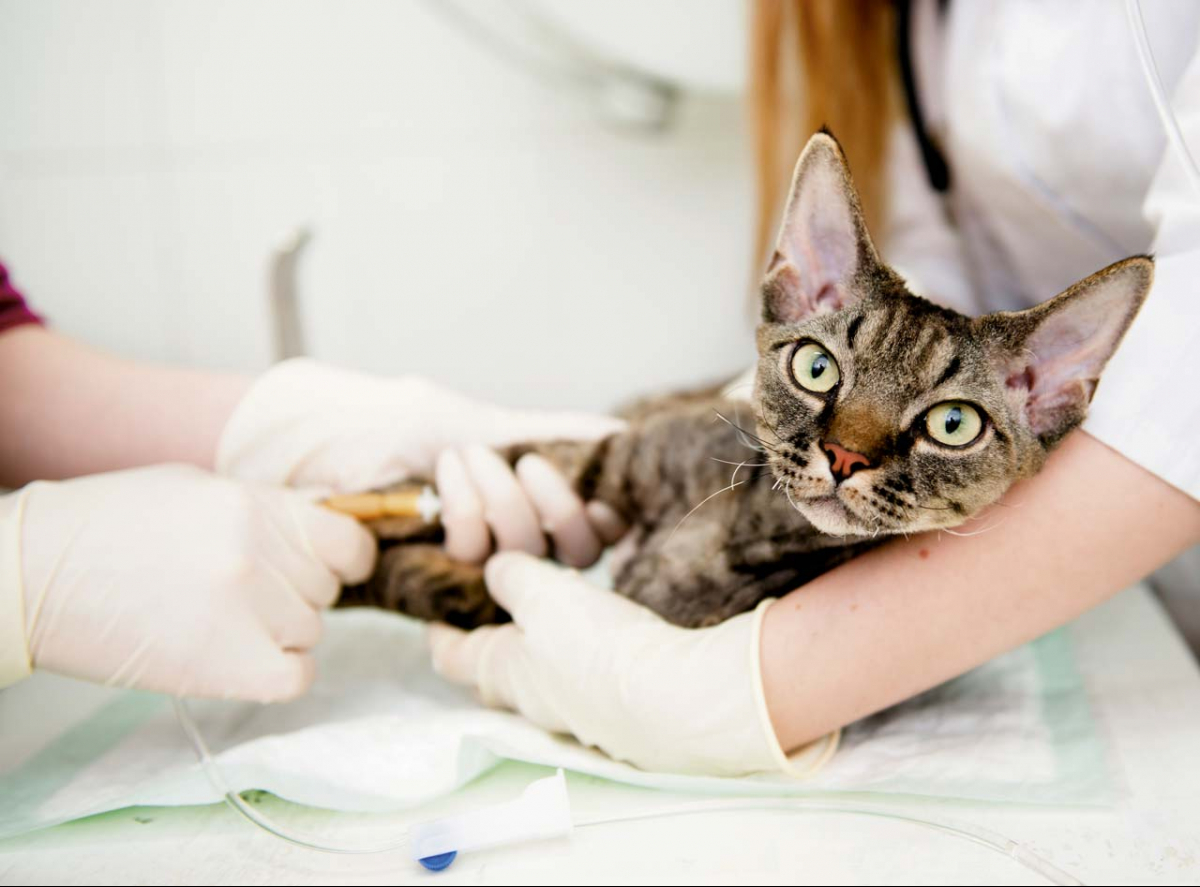
There's a specific protocol that veterinarians follow when treating chlamydia in cats. Treatment and medications must be tailored to each animal's individual needs, taking into account body weight and other factors. The first stage of therapy involves the use of antibacterial medications.
| Name of the drug | Dosage | Duration of use |
| Tetracycline | The standard dose is 10-12 mg per kilogram of body weight, taken twice daily. Depending on the severity of the disease, specialists prescribe either tablet or injection form. | The course lasts from 7 to 20 days. It is necessary to start with minimal doses, as the drug is poorly tolerated by many animals. |
| Levomycetin | It is recommended to give the medicine 2 times a day at a dosage of 15 mg per 1 kg of weight. | 5-14 days are enough to achieve therapeutic results. |
| Erythromycin | Give 15-20 mg per 1 kg of body weight of the animal twice a day | The duration of therapy does not exceed 10 days, since the drug is potent. |
| Cefotaxime | It is administered as an injection, with 1 g of the drug diluted in 5 ml of novocaine. 0.1 ml per kilogram of body weight is administered twice daily. | The maximum duration of use is 10 days. |
| Doxycycline | It is used in tablet form once a day, dosage is 20 mg per 1 kg of weight. | The course lasts from 7 to 15 days |
Eye drops are also used for the conjunctival form. Veterinarians most often prescribe the following medications:
- Tetracycline and erythromycin ointment. Helps reduce swelling and redness. Apply a small amount behind your cat's lower eyelid twice daily for a week.
- Levomycetin eye drops have a pronounced anti-inflammatory effect and help relieve acute symptoms. They should be used three times daily for 7 days. If there is no effect after 3 days, consider switching to a different medication.
- Bars is an eye drop for irrigation and pain relief. Containing novocaine, it is used to treat the eye before administering medication.

Medications to normalize intestinal function and restore microflora should be administered throughout the entire course of antibiotic treatment to prevent the development of dysbiosis. The following are most commonly used:
- Lactobacterin. It should be given 1 dose per day, diluted in a small amount of milk.
- Lactoferon. It is used in a similar way.
Additionally, the animal requires immunomodulators, especially if the pathological process is prolonged. Most often, veterinarians prescribe Gamavit, Immunofan, or Maxidin. These medications are available as a solution for subcutaneous administration. To achieve results, up to three injections per week are administered for a course of 10 doses.
Prevention

To prevent re-infection or primary infection of your pet, it is recommended to exclude the possibility of its contact with sick animals. Don't let your cat outside if it lives indoors. Vaccinations should always be administered after a preliminary examination for the presence of pathogenic bacteria.
If mating is necessary, it's best to test each animal for the pathogen to eliminate the possibility of producing sick offspring or other complications. Additionally, it's important to take your pet to the veterinarian at least once a year to diagnose the disease early.
If your cat lives in a private home, we recommend deratization to eliminate rodents that may carry the disease. An additional preventative measure is giving your pet vitamins designed to boost their immunity.
Complications and prognosis
If therapy is started in a timely manner, the symptoms of the disease quickly disappear and do not have a negative impact on the future life of the animal.. In exceptional cases, chlamydia cannot be completely cured, and the cat's vision is impaired and chronic lung disease develops.
Without treatment, severe complications inevitably develop. If the digestive tract is affected, chronic diarrhea, indigestion, and impaired intestinal absorption of nutrients can develop. If the animal suffers from the conjunctival form, blindness and cataract formation are possible.
Left untreated, the sexual form of the disease can cause miscarriages in female cats, and infertility in male cats. If chlamydia persists for a long time, the animal cannot reproduce. The most severe complications occur with the respiratory form of the disease. The pet suffers from chronic pneumonia, constant shortness of breath, and asthma attacks. In severe cases, death occurs.
Chlamydia in cats is a serious disease that affects vital organs and systems. Without proper and timely treatment, the disease can lead to serious complications and become chronic. These consequences can be prevented by following simple preventative measures, proper care, and proper maintenance of your pet. If symptoms of the disorder appear, consult a specialist.