As we know, laws are written by people and for people. But sometimes paradoxical situations arise when animals are arrested. Here are some of these furry criminals.

The cat is a smuggler in Moldova
In 2012, a curious incident occurred in a Moldovan prison. Guards noticed that the same cat was frequently sneaking into the facility through a hole in the wall. The cat was captured and found with several bags of marijuana attached to its collar. Someone from a nearby village had trained the animal, and it regularly supplied the inmates with the drug.
The smuggling cat was immediately detained. Prison officials hoped to use him to track down the owner. However, they were unable to identify the marijuana dealer.
Goats are vandals in India
In the Indian city of Chennai, there's an unremarkable police station. But in 2013, it became world-famous. The police were made famous by goats.
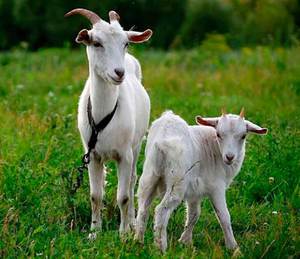
A Honda police car was purchased for the police. However, it didn't last long. One day, while parked near the police station, the Honda was attacked by local goats. A herd of 12 animals was grazing nearby. Their sudden interest in technology prompted the animals to climb onto the car and vandalize it. The vandalizing goats broke several windows, broke the windshield wipers, scratched the paint, and left dents. The police officers rushed out of the station and were only able to capture three of the goats. The remaining offenders fled the scene.
The detained goats were taken to the police station pending identification of their owner. The owner of the miscreants turned out to be local resident Mari Aroginathan, who was accused of negligent pet ownership. The vandalized goats were handed over to the Animal Welfare Society.
Donkey is a bully in Mexico
In the Mexican state of Chiapas, law enforcement officers placed a donkey in a cage for hooligans, troublemakers, and unruly alcoholics.
The animal's crime was to bite an elderly man. Another Mexican rushed to his aid. But he, too, was injured by the donkey. The four-legged hooligan kicked him in the chest. It was only with great difficulty that the troublemaker was subdued. It took several strong men to restrain the rampaging donkey.
The police officer who took the donkey into custody stated that the laws apply equally to everyone, whether human or donkey. Authorities promised to release the prisoner once its owner reimburses the victims for medical expenses.
A monkey is an immigrant in Pakistan.
In 2011, in the Bahawalpur district of Pakistan, on the border with India, vigilant locals spotted a small monkey. The animal had unknowingly crossed the border between the two countries. Residents attempted to apprehend the trespasser. After unsuccessful attempts, they contacted the police.
The police arrived, seized the immigrant, detained him, and sent him to a local zoo. This deprivation of freedom sparked outrage among animal rights activists. They demanded the captive's release into the wild, into her natural habitat, arguing that human laws regarding trespassing do not apply to animals.
The monkey turned out to be a male, whom the zoo named Bobby.
Goat thief in Nigeria
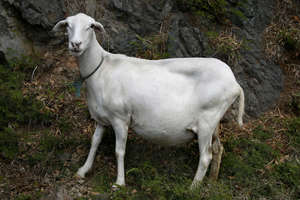
In 2009, a group of vigilantes patrolling a neighborhood in Nigeria arrived at a police station. They brought a goat with them and told an interesting story. The vigilantes noticed some people attempting to rob a Mazda car. While being apprehended, one of the criminals escaped, while the other, in full view of their pursuers, transformed into a black and white goat. The ungulate was captured and taken to the police.
Belief in black magic is very strong in Nigeria. For locals, eyewitness accounts of a criminal turning into a goat are unquestioned and considered irrefutable proof of guilt. After news of the weregoat became public, victims of other robberies began coming to the police station to see the animal. Apparently, they were trying to identify the robber by its characteristics.
The police refused to succumb to prejudice, declaring that they could not bring charges based on speculation. However, they would keep the goat in their custody until either the transformation was proven or the owner was found.
Surely, in the situations described, law enforcement officers were acting with the best of intentions and were acting in accordance with their official duties. Or perhaps they were following the law and official regulations too literally. They believed that every offender should be arrested, regardless of the number of legs, fur, and tail. In any case, many of the stories seem outlandish and defy common sense.