Starting January 1, 2020, a regulation will come into effect banning certain animals from being kept at home. The list was compiled to supplement the law on animal cruelty. The list of animals deemed dangerous to keep can be found on the official website of the Russian government.
Pythons
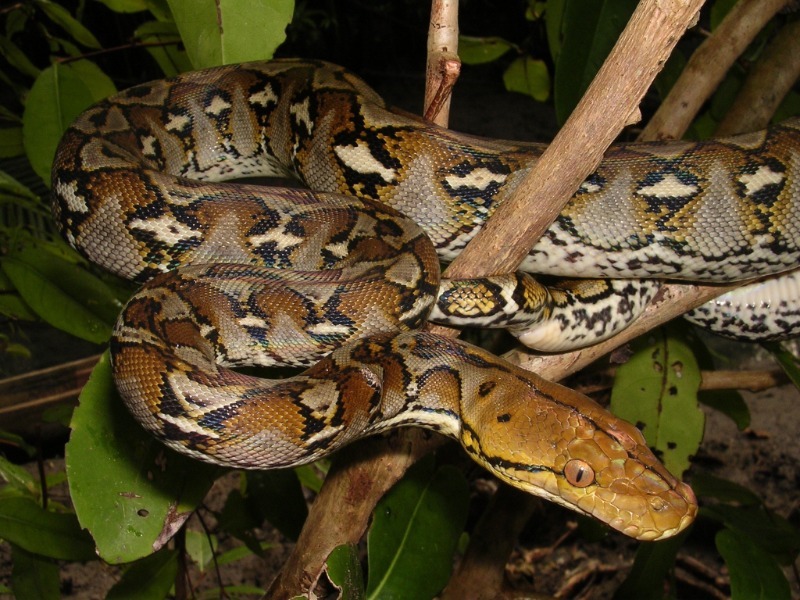
Starting January 1, 2020, keeping snakes longer than 4 meters in pets will be prohibited. According to the World Wildlife Fund (WWF), pythons are among the most popular exotic pets in Russia.
The ban also extended to venomous snakes that pose a danger to humans: elapids, vipers, vine snakes, and colubrids. Pythons also pose a threat to humans; news reports occasionally surface of these snakes strangling or crushing their owners or their children.
Pythons are quite expensive. Many people breed them and then sell the babies for $100-200. Some rare specimens can fetch up to $100,000.
Turtles
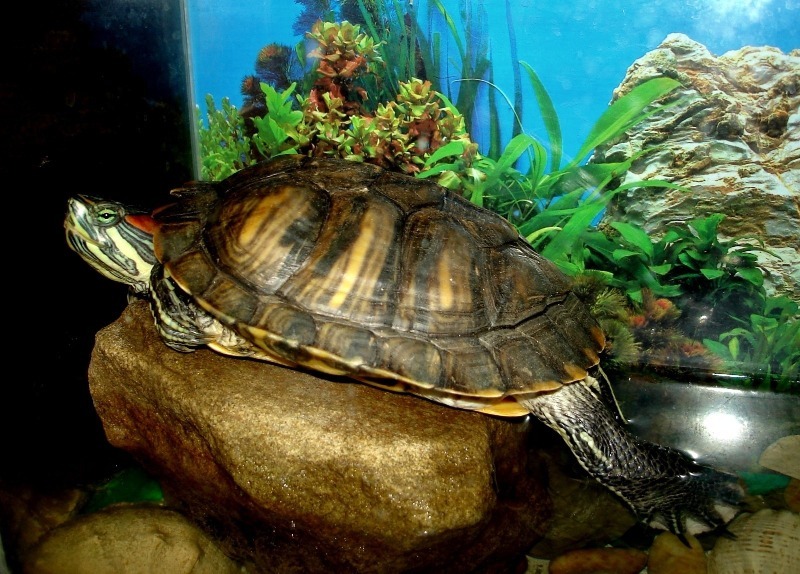
Some turtle species are rare and listed in the Red Book. Their populations are declining due to human consumption. These reptiles are not sold freely; they are purchased on the black market.
Foxes
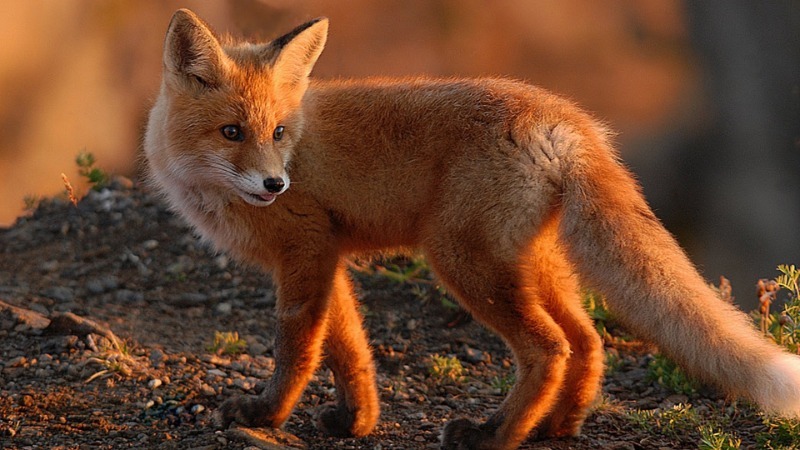
In recent years, keeping foxes as pets has become increasingly popular, replacing dogs and cats. However, these animals (the red fox in question) are listed in the Red Book. It's common to keep white Georgian foxes, as well as domesticated specimens, as pets.
Advertisements for the sale of foxes and fox cubs can still be found on Avito, where they cost between 7,000 and 20,000 rubles.
Bears
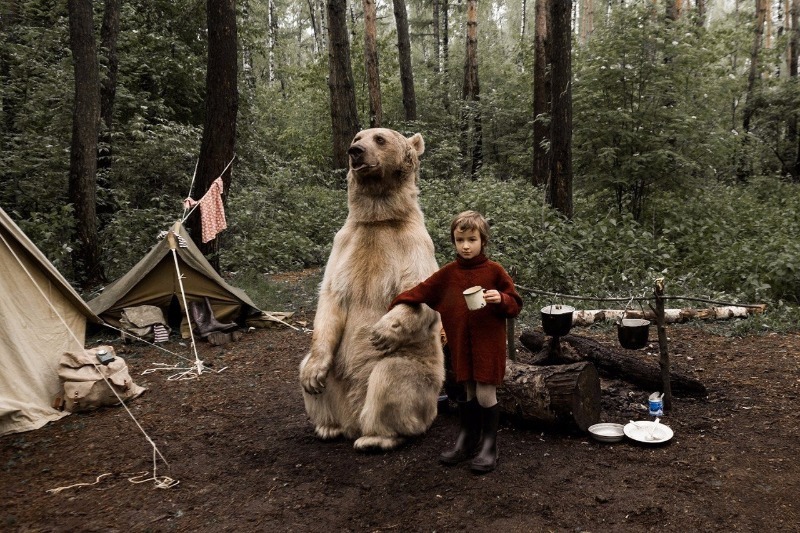
These large predators were also included on the list. The Ministry of Natural Resources has banned the keeping of predatory animals weighing over 20 kilograms as pets.
While bears pose a danger to humans, it is also difficult to provide adequate living conditions for them at home.
Monkeys
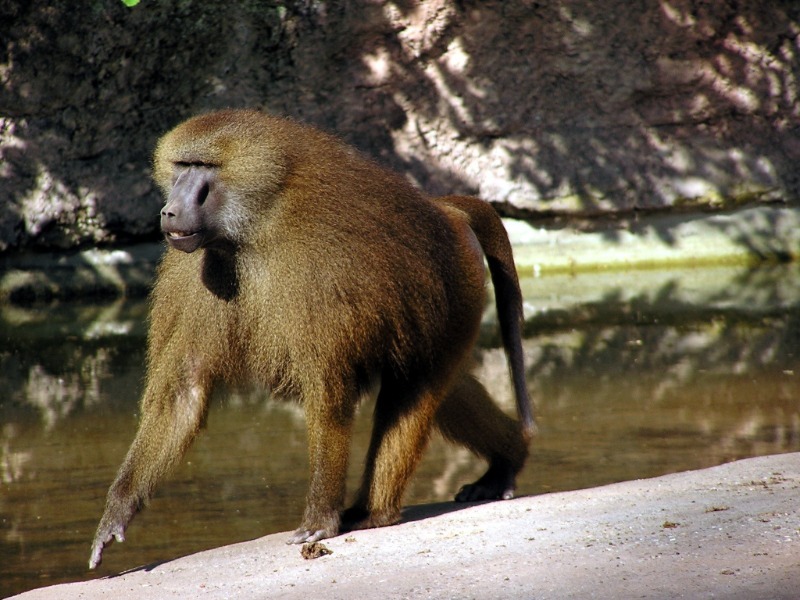
Restrictions on the keeping of certain species of animals have been introduced not only because of potential danger to humans or the species' extinction. Due to the impossibility of creating satisfactory living conditions, which are difficult to achieve in residential buildings, certain species of monkeys are also prohibited from being kept as pets.
From January 1st it will no longer be possible to keep at home:
- hominids;
- gibbons;
- thin-bodied monkeys;
- capuchin;
- macaques (except Barbary macaques);
- baboons;
- mangabeys;
- woolly monkeys;
- howler monkeys;
- spider monkeys.
Scorpions and poisonous spiders
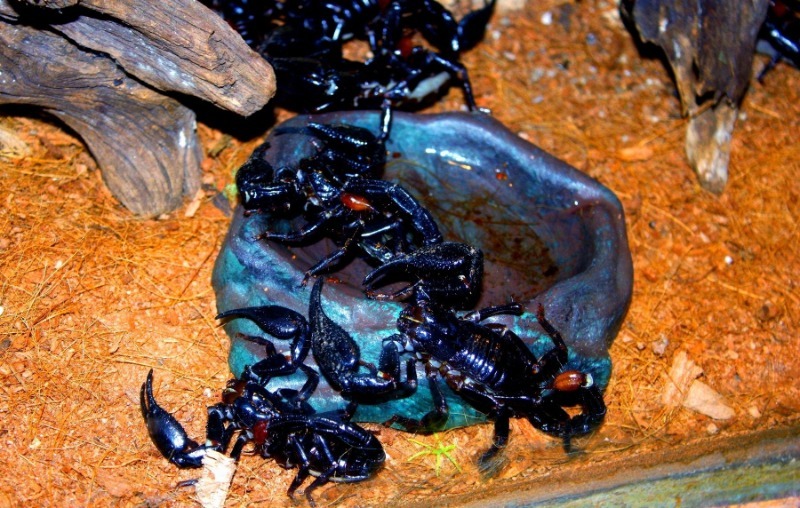
These arachnids—scorpions also belong to this class—are classified as venomous animals, dangerous to humans. Many people keep these pets to overcome their fear of spiders (arachnophobia).
Scorpions are still sold online, fetching prices ranging from 1,500 to 3,000 rubles each. A spider, such as a tarantula, could be purchased for a mere 500 rubles. Larger and more exotic specimens can fetch up to 3,000 rubles or more.
Wolves and hyenas
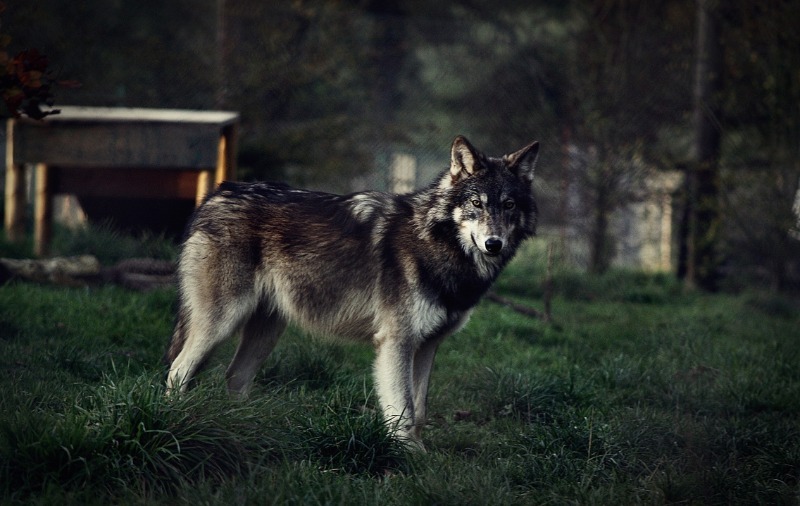
These predators pose a danger to humans: sometimes cohabitation with humans ends fatally. Even wolfdogs often behave aggressively, and there are known cases of them killing and maiming children.
Advertisements for the sale of wolves were posted on specialized websites, where the animals cost 20-30 thousand rubles.
Eagle owls
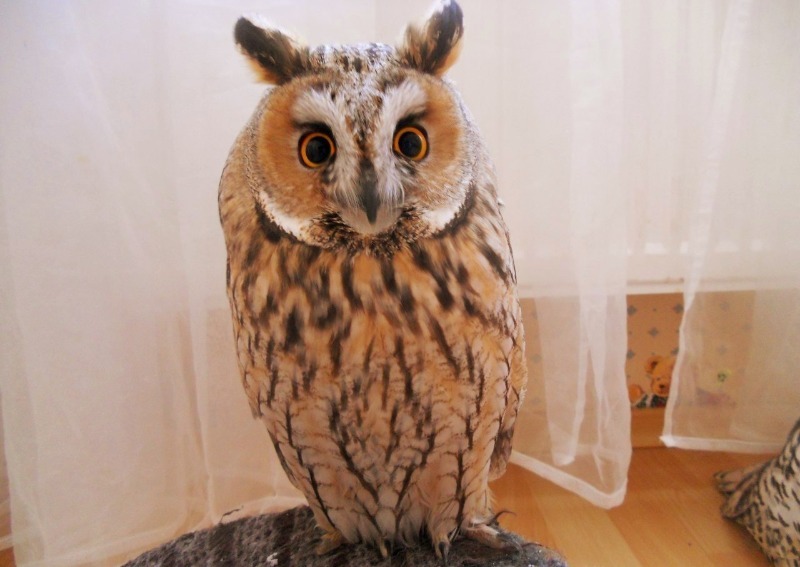
Other falcons, such as hawks and falcons, were also banned. The eagle owl is a rare and endangered species, listed in the Red Data Book of the Russian Federation. Keeping these birds at home is not recommended for this reason alone.
Eagle owls are not known for their friendliness toward other pets. It's dangerous to leave parrots, hamsters, rats, and other small pets with them, as they view them as prey. The rodents that eagle owls feed on carry infectious diseases that the pet can transmit to its owner.
Buying an eagle owl was difficult because it's a rare bird. They were sold on the black market, where prices started at 30,000 rubles.
Ostriches
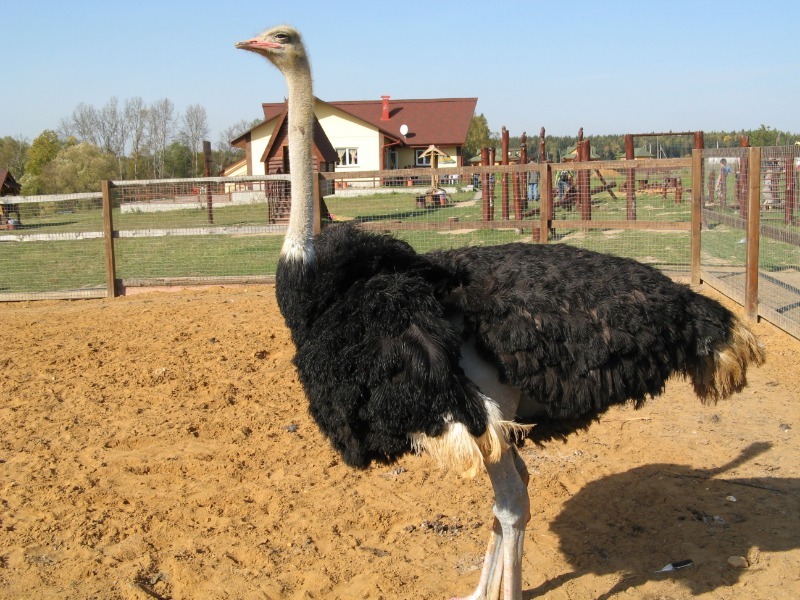
Ostriches belong to the 4th group of animals prohibited for keeping at home - large land animals, the adequate maintenance of which is difficult to ensure outside the wild.
Before the legislation came into effect, ostriches were popularly bred for the sale of eggs, meat, feathers, ostrich fat, which is actively used in the production of cosmetics, entertainment events (exotic parks), and also for breeding.
Buying an ostrich was fairly easy; you could find an ad on Avito where one individual cost 10,000 to 60,000 rubles.
Wild cats
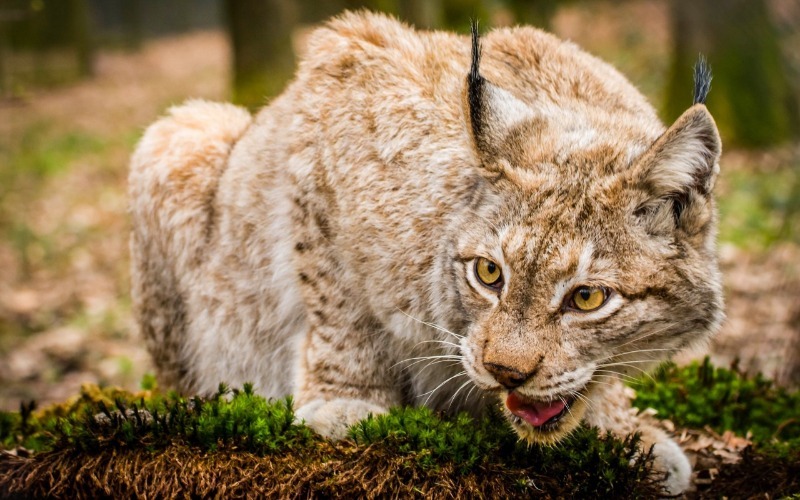
The ban on keeping large predators at home also applies to large predators weighing over 20 kg. Asiatic and African lions, as well as the Amur tiger, are listed in the Red Book of Threatened Species. Keeping these rare animals as pets is strictly prohibited.
Big cats, as well as rare ones, pose a danger to humans. Although lions and tigers are not officially listed as pets prohibited, they are included because they belong to the panthera genus, which is listed.
The appendix to the resolution published exception cases in which keeping animals from the prohibited list is permitted:
- Temporary housing of injured animals or those affected by human or natural conditions. If the animal's health does not allow for release or return to the wild, it is permitted to keep it until recovery. However, such temporary housing cannot be carried out in residential premises.
- Semi-free-range housing (with the creation of a special environment) for the treatment or rearing of cubs in zoos, circuses, zoological gardens, dolphinariums, oceanariums, and animal shelters. Rehabilitation and reintroduction of animals are not prohibited.
- Keeping "four-legged" animals in companies that breed them to preserve the population.

 Vladimir
1 comment