Some animal species exhibit a harem-like social organization. A lion pride is an example of a classic harem. But the king of the beasts isn't the only one so amorous. Let's explore why animals form large families and how roles are distributed within them.
Lions
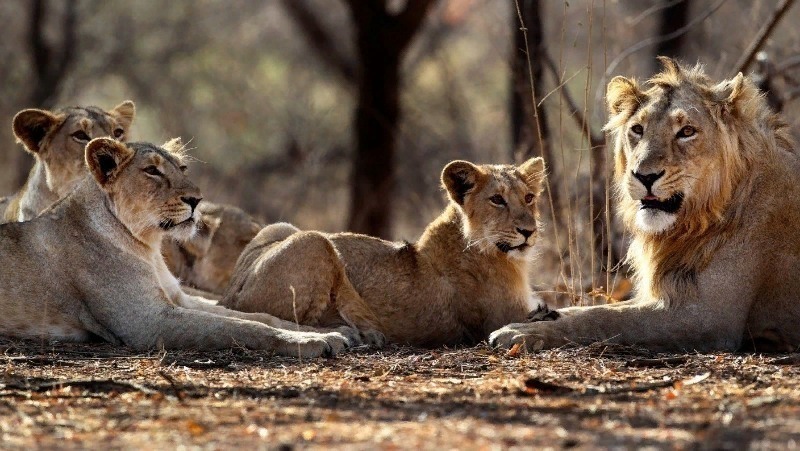
Lion prides are groups of related females and their cubs, led by one or more males. Females are largely responsible for maintaining order within the pride, while the males are responsible for providing protection from external threats.
Females hunt and care for their cubs. The cubs enjoy universal care: any cub can be fed by any nearby female.
All females remain in the pride for life, and young males are expelled as soon as they reach adulthood. They form a coalition and attempt to claim territory to create their own pride. Older males patrol the territory to prevent encroachment.
Sometimes a pride may contain several adult lions, but they all submit to the alpha male. Females have no hierarchy, just as the pride leader has no "favorite wife." The best pieces of food after a hunt go to the alpha male.
Northern fur seals
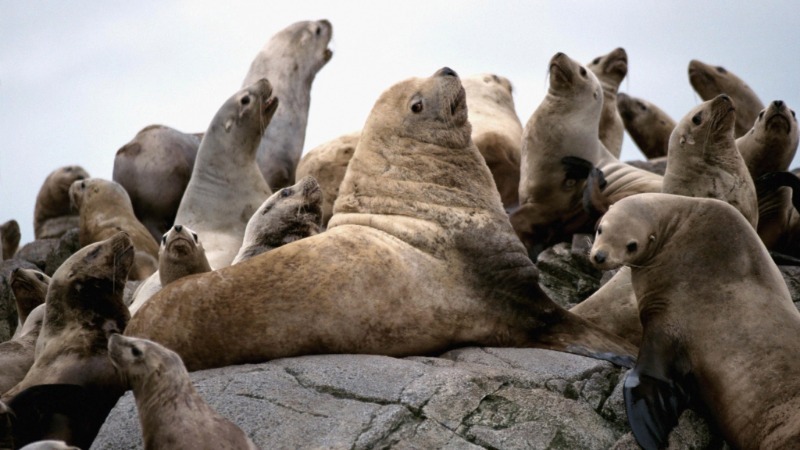
These marine mammals have the highest number of mates in the animal kingdom. Females typically choose their own mates, and the more females a male mate has, the more popular he is among single individuals. The number of females in a strong male's harem can reach up to 50. The head of the "family" strictly monitors the behavior of his mates, but fidelity is not held in high regard.
Sometimes a pregnant female joins the harem, gives birth to a pup, and swims out to sea to grow stronger and feed. The mother always returns and somehow finds her pup. If the mother dies, the pup won't survive either; females don't nurse other seals' pups. After the pups grow up, the "family" disintegrates. The males and young seals head out to sea to gain strength to start a new harem the following spring.
Baboons
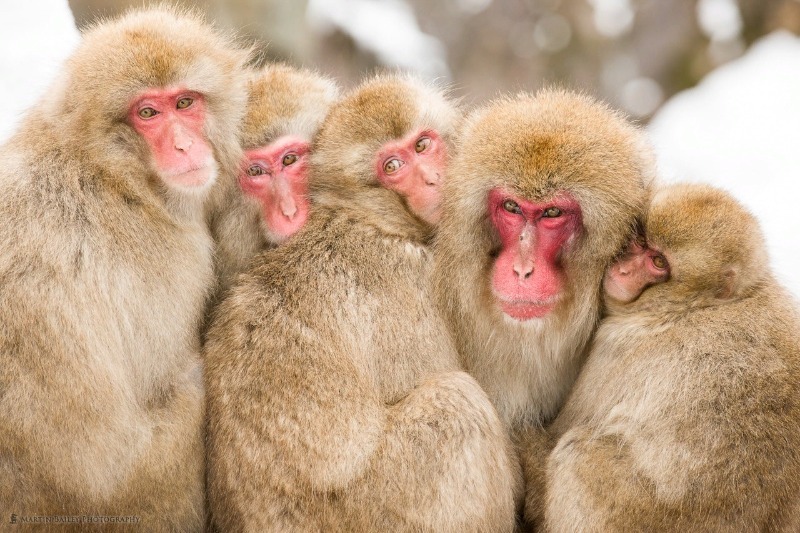
A male baboon has 10-20 "wives," whom he keeps under strict control and fear. A disobedient female may face a slap or even beatings. However, the head of the family is very gentle and caring with the young. He is the father of all the children. Each female lovingly raises her own infant; no "aunt" dares even touch another's child, lest she be severely punished.
Families can unite into a large community of up to 150-200 individuals. Young males living in the community are not allowed to reproduce. Despite strict rules, the community lives harmoniously. And in times of danger, older males selflessly defend the entire pack.
Red deer
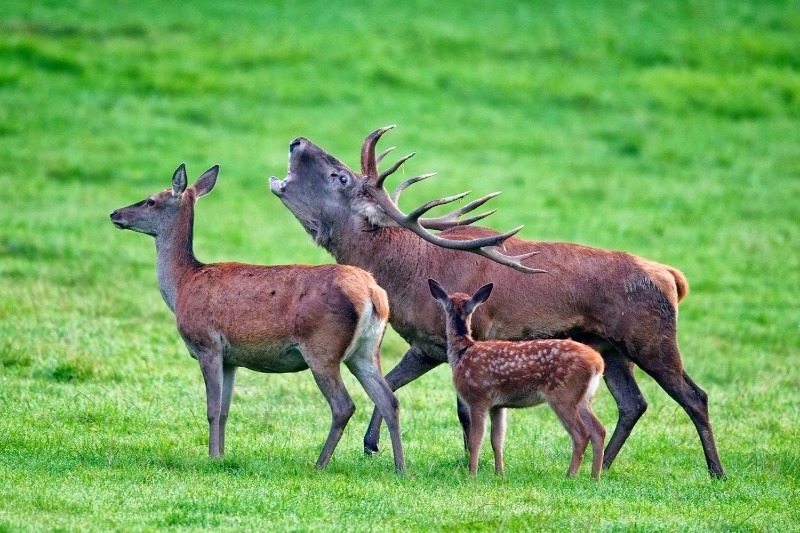
When mating season arrives, female deer seek out love affairs, even if they are already married to a male. Female deer are very active and independent in their choice of mate. Membership in a harem is not considered a fixed attribute.
A stag can guard his territory from encroaching males as long as he likes. This won't stop a doe from joining another harem. About half of females seek variety in their personal lives by changing partners. Scientists haven't yet explained this freedom-loving behavior of female deer, but we know that in nature, everything is rational and obeys its own laws.
Horses
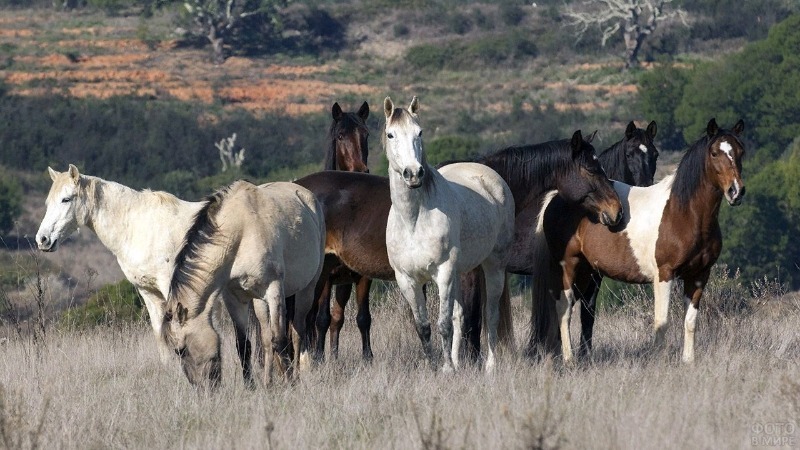
Perhaps, in the case of horses, we should not talk about a harem per se, but rather about the hierarchy within the herd. The stallion plays the role of leader or alpha. Among 7-8 mares, relationships are formed based on age and physical characteristics. The stallion's responsibilities include regulating the herd's movements and guarding it. One of the mares may lead the group, as the stallion does not show aggression toward his chosen mates.
The leader keeps the young stallions at the edge of the herd, and the mares in the middle. At 1.5 to 2 years of age, the young leave the herd, with the stallions doing so under pressure from the leader. The mares, meanwhile, choose whether to remain with their old family or embark on a new life with the young stallions.
Wild boars
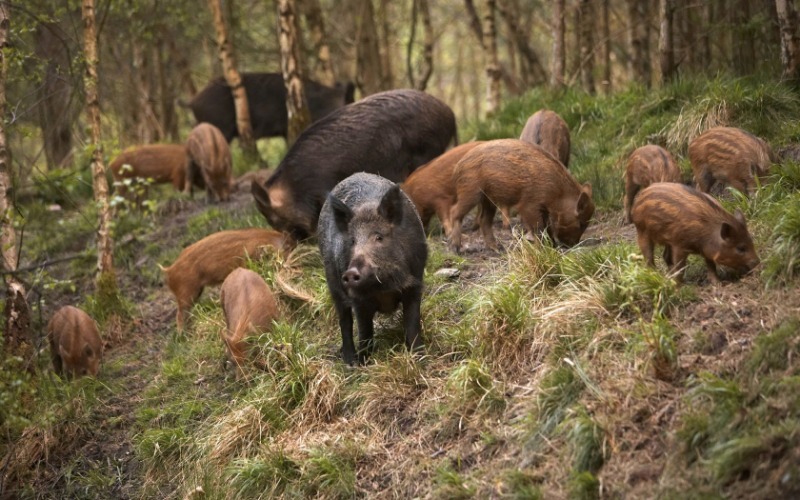
Wild boars are generally social animals, except during mating season. Females and young males roam in groups. Males leave the herd at about one year of age. Wild boars rarely travel more than 8 kilometers from their birthplace. Only food shortages can force them to do so. Young boars learn to live independently and form their own herd.
Harems are created by animals in which one male controls a food source or other important resource. This lifestyle is simply a successful evolutionary adaptation.