Clownfish, or anemonefish, attract aquarists not only because of their unusual appearance but also because they are easy to care for. Providing this fish with good, clean water, a spacious aquarium, and proper feeding guarantees its health and longevity. There are several dozen species of anemonefish in the wild, distinguished primarily by their color palette. Many interesting facts about clownfish are associated with their behavior and lifestyle.
Content
History of origin
Clownfish are primarily native to the warm waters of the Indian and Pacific Oceans. They are marine fish of the Pomacentridae family.
The first description of amphiprions is found in sources from 1830. The name belongs to Georges Cuvier. The naturalist first encountered this bright and unusual fish off the coast of Australia. Over the following decades, numerous attempts were made to capture clownfish for subsequent acclimation to aquarium conditions. The main challenge proved to be providing the anemonefish with water parameters similar to their natural habitat. Gradually, these attempts were successful, and today's clownfish enthusiasts have no problem keeping them.
What does a clownfish look like?
Wild anemonefish and those sold as aquarium pets are similar in appearance. Clownfish adapt well to aquarium conditions but have specific water quality requirements. Most anemonefish species have a coloration that combines bright orange and dark blue. Some varieties feature lemon or red hues on their bodies. The average body length of these fish is no more than twelve to fifteen centimeters (males are smaller than females).
Clown Percula
Most individuals are bred artificially in Florida, the predominant color is orange, the body has three wide white stripes and dividing black stripes, a dark border is present on all fins, the maximum body length of the fish is 12 cm.
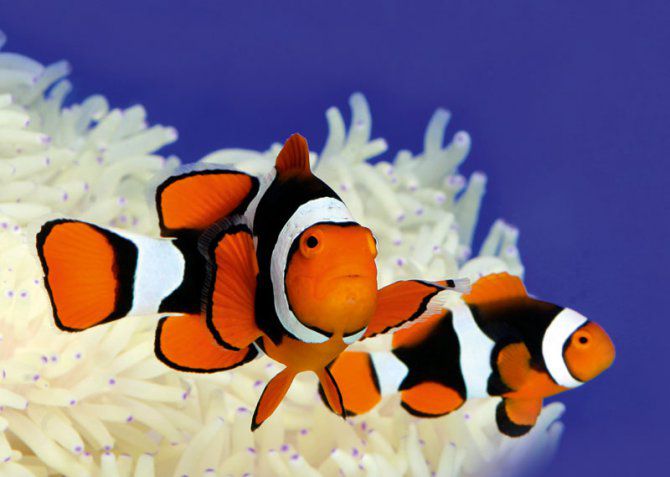
The Percula clownfish is one of the most common species of these fish.
Anemone amphiprion ocellaris
The coloring includes orange, white and black, the dark stripes are narrower than those of other clownfish species, the maximum body length reaches 11 cm, the distinctive feature of this variety is the head, shaped like a frog, as well as the dark edging around the eyes.
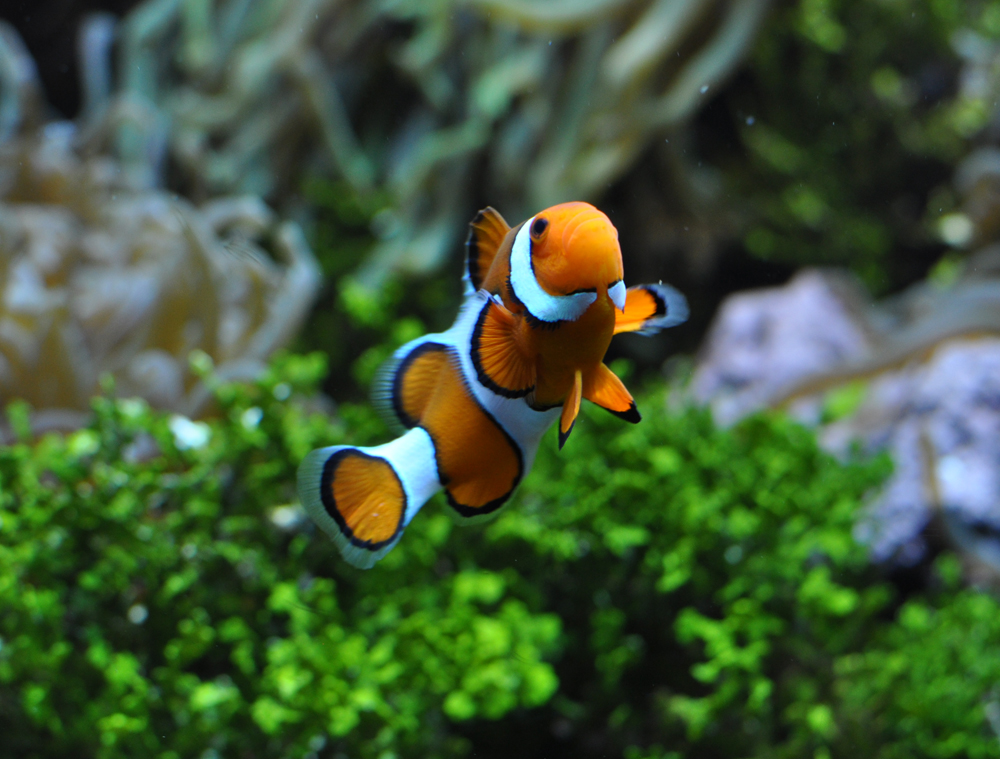
Thanks to the cartoon "Finding Nemo", the fish became very popular among children.
Chocolate Clown
The coloration is characterized by brown and yellow stripes. Compared to other anmphiprion fish, this species is large, with males reaching 15 cm in length. The body color of this clownfish changes with age, with adults being much darker than juveniles.
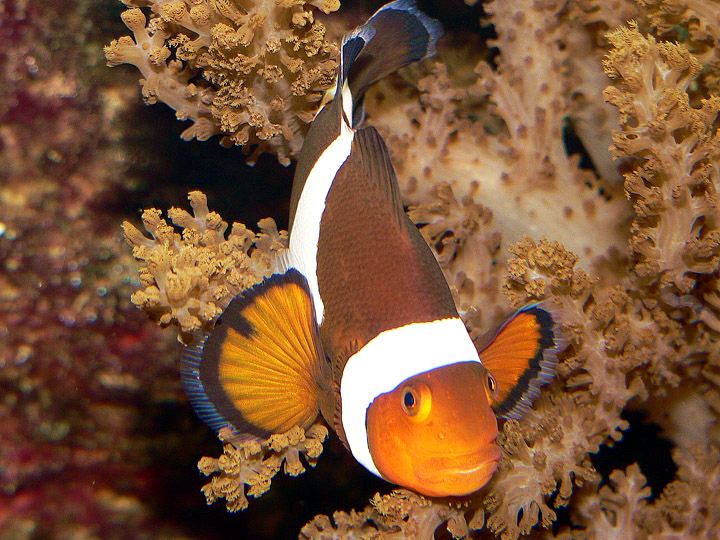
This fish is undemanding and can be recommended for breeding by beginner aquarists.
Red Clown
The primary color is red, with a distinctive white stripe between the body and head. In adults, the sides begin to darken, becoming almost black. These varieties of anmphiprion do not exceed 13 cm in length.
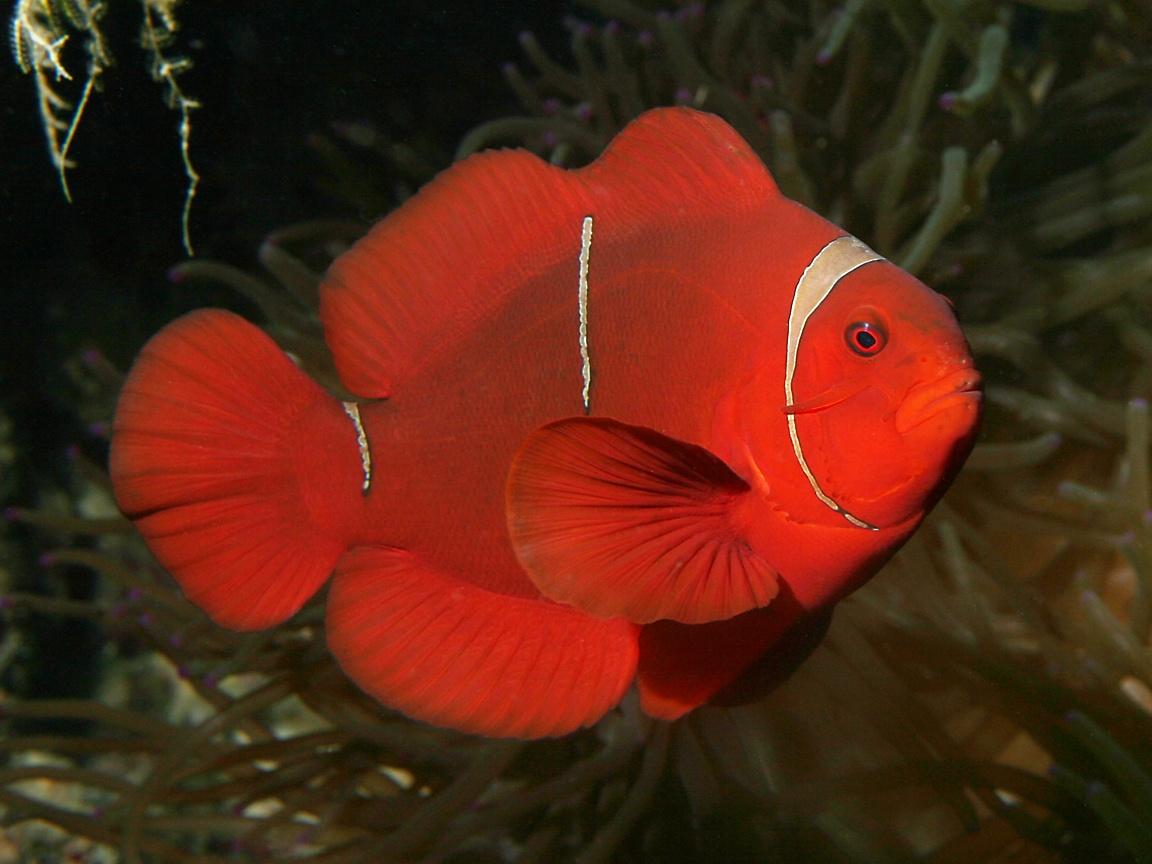
Another name for this fish is tomato clownfish.
Saddleback clownfish
The main color of the fish is black, yellow lower fins and two white stripes on the body are characteristic features of this species, the size of males does not exceed 6-7 cm in length, females reach 11-12 cm.
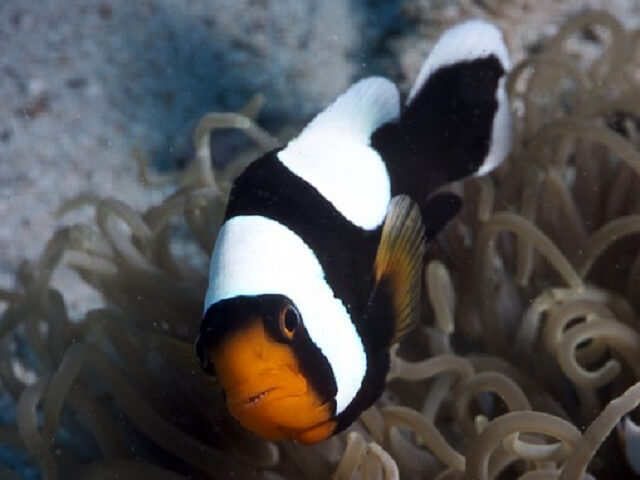
These clownfish are relatively peaceful in an aquarium.
Skunk Clown
They can be pink or orange in color, lacking distinctive stripes on their body; a distinctive feature is a white stripe along their back. These fish do not exceed 12 cm in size.
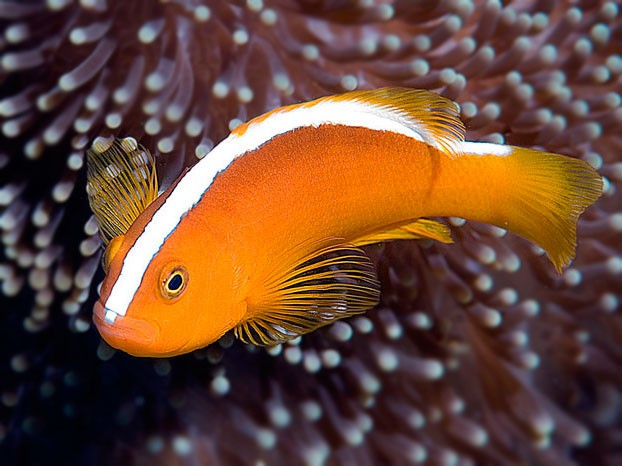
Females of this species are larger than males.
Snowflake the Clown
A red-orange fish with three vertical white stripes on its body, it is the smallest representative of the anmphiprion family, reaching a maximum length of no more than 8 cm. It rarely shows aggression towards other aquarium inhabitants.
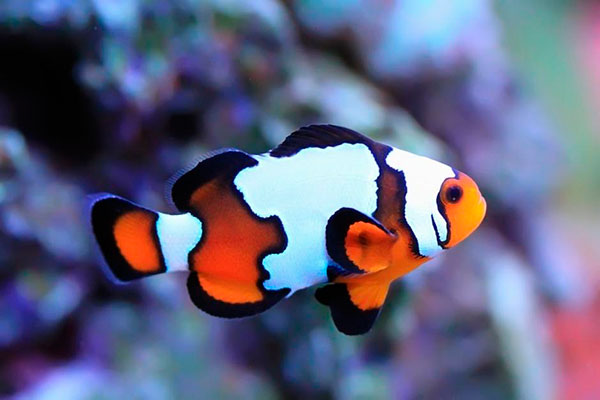
The fish got its name due to the predominantly white color of its body.
What does it eat?
In the wild, clownfish feed on algae, small crustaceans, and other microscopic organisms. Plankton is the primary food source for the fry. Close interaction with sea anemones in the wild helps the anemone fish secure food under all conditions. The fish actively consume the anemone's scraps. This ability not only allows them to find food effortlessly but also helps them clean up their habitat. The anemone also benefits from the anemone's destruction of food scraps.
Lifestyle
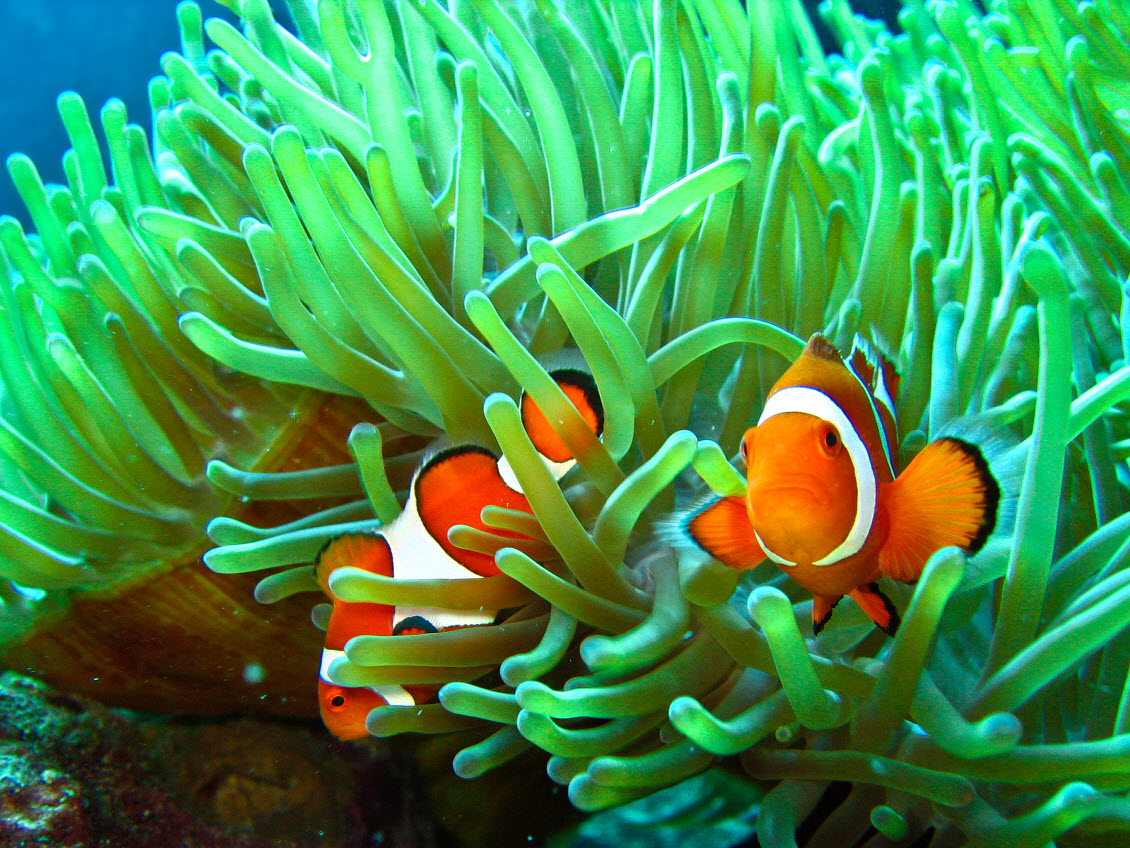
Anemonefish spend most of their time among the branches of anemones and try not to move far from their shelter.
In their natural habitat, clownfish live in small schools led by the largest female. Anemonefish choose thickets of poisonous sea anemones as their unique habitat. The settling process is accompanied by a specific ritual. The fish touches the anemone's tentacles with its body several times. This action coats the clownfish's surface with a protective mucus.
Features of the clownfish's lifestyle in an aquarium:
- Clownfish definitely need shelter (if there is none, the fish may become overly anxious and aggressive);
- If two females are placed in an aquarium, one of them will definitely try to eliminate the rival;
- Keeping the amphiprion alone in an aquarium or lack of food can provoke aggression;
- The clownfish bravely guards its hiding place, trying to bite, prick with the spines on its fin, or attack its attacker in other ways (in the wild, anmphiprion fish can even perceive divers as a source of danger).
Reproduction and lifespan
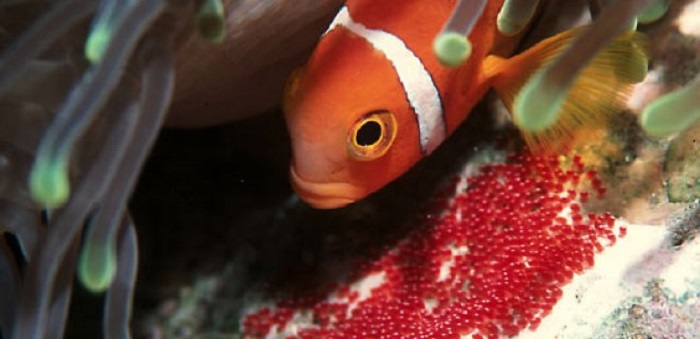
The male takes care of the eggs, washes them, and fans them to saturate them with oxygen.
In the wild, the average lifespan of an amphiprion is ten years. With proper care and good aquarium conditions, these fish can live twice as long. Clownfish are monogamous. Active reproduction is stimulated by bright light (moonlight in the wild). Clownfish are always born male. The sex of the fish changes throughout its life.
Reasons for sex change in anmphiprions:
- absence of a female in a school of fry;
- death of the female;
- solitary keeping in an aquarium.
Care and maintenance in an aquarium
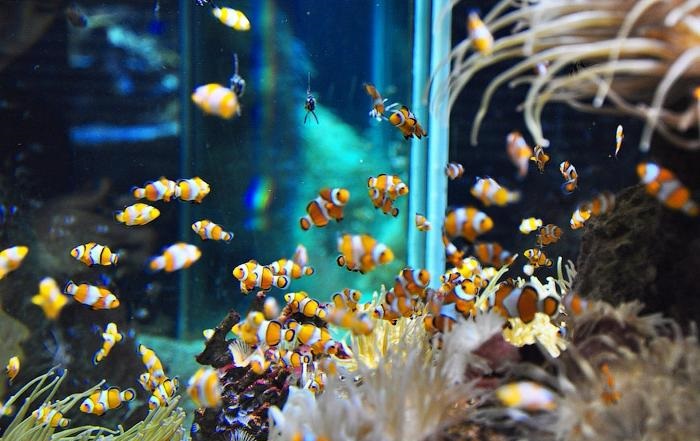
The most important aspect of keeping clownfish at home is the correct feeding regimen.
Compared to other coral fish, the anemonefish is unpretentious. Clownfish thrive in aquariums, and the only problem they may encounter is finding tankmates. The clownfish is an opportunist when it comes to feeding. It will happily accept any plant or animal food offered. The only important consideration is feeding schedule.
How to choose an aquarium and other necessary accessories
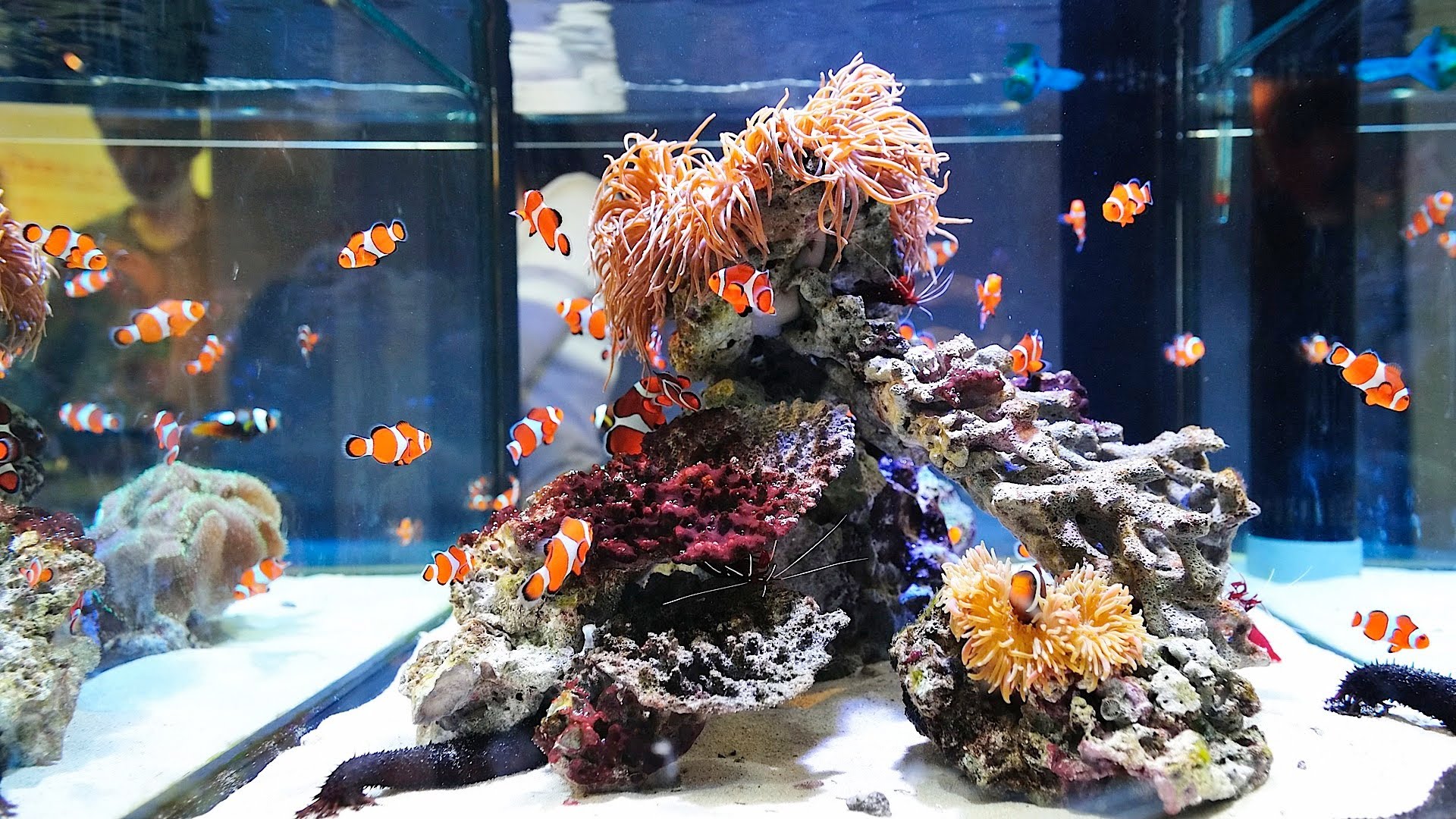
A spacious aquarium with corals and anemones will bring artificial conditions as close to natural conditions as possible.
Amphiprions require spacious conditions for keeping. A pair of clownfish require at least 50 liters of water. A panoramic or rectangular aquarium is recommended. To ensure the anemonefish feel comfortable, several corals should be placed in the tank. Grottoes are also a welcome addition. If possible, live anemones can be added. Coral sand (up to 5 mm in size) is best for substrate.
Ideal water parameters and other nuances:
- the salt content should not exceed 34.5 g/l;
- maximum water temperature is 26 degrees;
- water density - not higher than 1.023;
- acidity - 8.4 pH;
- a weekly water change of one tenth of the total volume is necessary;
- The aquarium should be cleaned regularly;
- The presence of filtration and aeration of water is a mandatory condition.
What to feed
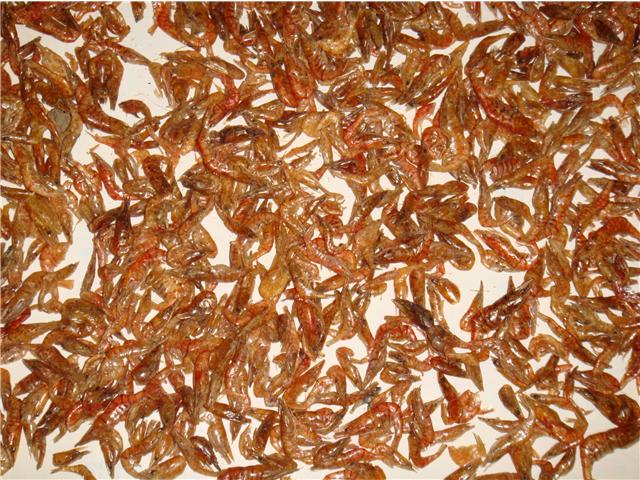
These tiny crustaceans contain about 50% protein and 20% fat, making them an excellent food source.
Feeding aquarium anemonefish is easy for their owners. They readily eat dry reef fish food. Artemia and mollusks can be added to their diet to diversify it.
Chopped shrimp, octopus, or squid are used as sources of vitamins and animal feed. A nutritious mixture can be prepared from fish meat and seaweed.
Nutritional nuances:
- Clownfish need to be fed several times a day;
- portions of food should be minimal, but each fish should get some;
- If clownfish don't have enough food, they will become aggressive, taking it from other aquarium inhabitants.
Diseases and treatment
Poor water quality and violation of maintenance rules can cause deterioration in the health of clownfish. Under such conditions, anmphiprions become susceptible to fungal and bacterial diseases, roundworm and parasite infestations, and a number of other dangerous infections.
If the fish loses activity, moves sluggishly, or develops injuries or unusual growths on its body, these symptoms indicate the need for quarantine and prompt treatment of the aquarium inhabitant.
Types of diseases and the main methods of their treatment:
- Brooklynellosis. Fish become infected in natural conditions. The disease is caused by a pathogenic ciliate. The first sign of the disease is lethargy and light spots on the fish's body. Copper sulfate and malachite green can be used to treat the problem.
- Oodinium. The main symptom of the disease is itching, which causes fish to constantly rub against driftwood and other objects in the aquarium. This can cause injury and is treated with the antibiotic Bicillin or malachite green.
- Cryptocaryonosis. The parasitic disease manifests itself in the form of characteristic nodules, dots and white spots on the fish's body. Copper sulfate, copper chelate complexes or formalin are recommended for treatment.
How to breed
Breeding clownfish in an aquarium is not difficult. The sex of the fish changes depending on external factors (for example, if there are no females in the aquarium). Spawning occurs primarily during the full moon. Catching the fry can be challenging. The male will try his best to protect his offspring. To facilitate catching the fry, it is recommended to immediately transfer him to another tank.
Reproduction nuances:
- To lay eggs, the clownfish chooses the most flat surface possible near a shelter (a small piece of floor tile or other material can be specially placed in the aquarium);
- the process of laying eggs by the female lasts approximately two hours and occurs mainly in the evening (from 10:00 pm it is recommended to turn off the lights to create comfortable conditions);
- Clownfish try to spawn near anemones or other shelters (grottoes, corals placed in an aquarium);
- During one spawning, a female can lay up to 1,500 eggs (the incubation period lasts up to ten days);
- The male guards the eggs and cares for the fry. Removing the fry from the aquarium before they reach sexual maturity will not affect their development.
- The fry have low immunity, so early removal will eliminate the risk of infection from other fish.
Interesting facts
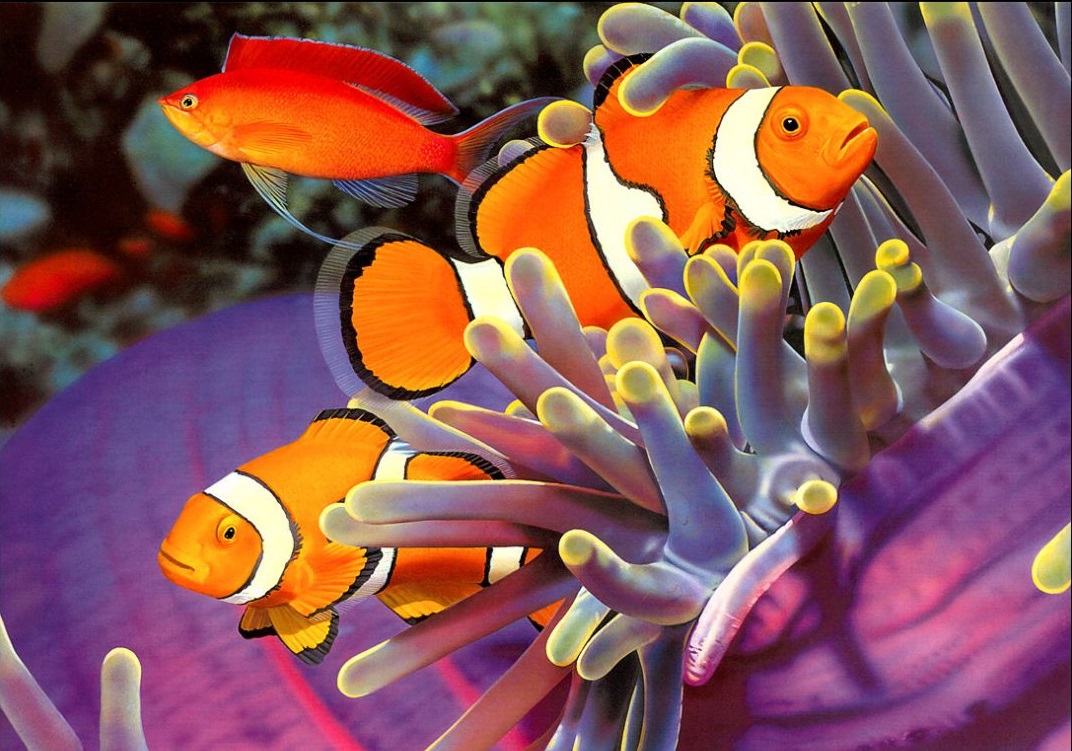
The anemonefish can attack its neighbors during feeding or when they approach its favorite places, for example, a snag or coral.
Aggression in clownfish may not be a species-specific trait, but a genuine character trait. If the acquired specimen has a belligerent disposition, it is recommended to keep it only in pairs (there should be no other inhabitants in the aquarium).
Interesting facts:
- Clownfish are born male, but their sex changes during life (initially, the fish has well-developed organs of a male and underdeveloped ones of a female).
- They are capable of producing various sounds (they click, crackle and create imitation growls).
- Amphiprions are able to control the process of their body growth and stop it (for example, if there is a risk of expulsion from the flock due to their large size).
- Only large individuals in a school have the right to mate (small or young fish wait for their turn or the premature death of their larger relatives).
- The clownfish's popularity has skyrocketed since the cartoon's release. «Finding Nemo."
When purchasing a clownfish, it's recommended to carefully inspect it. A healthy clownfish will have vibrant colors and be active. Its eyes should be clear, and its body should be free of any damage. If you purchase a wild-caught clownfish infected with disease, all the inhabitants of the aquarium may die.