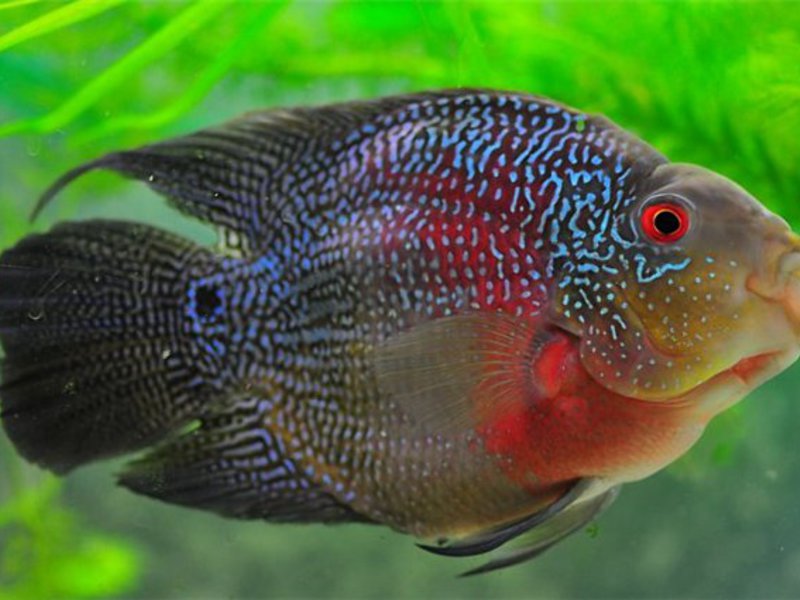
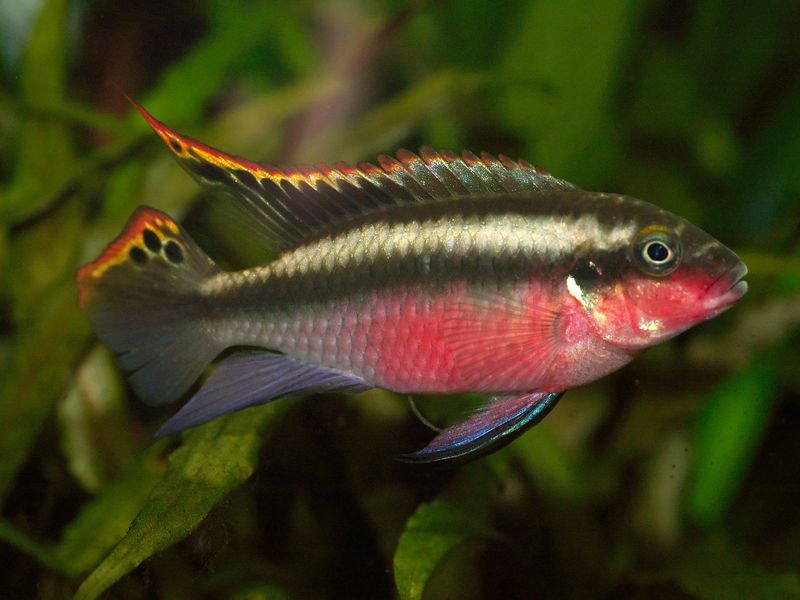
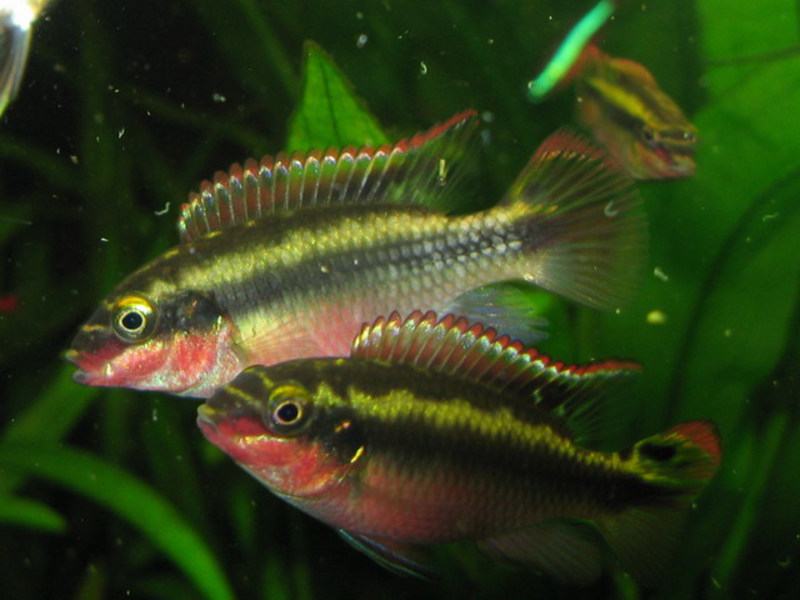
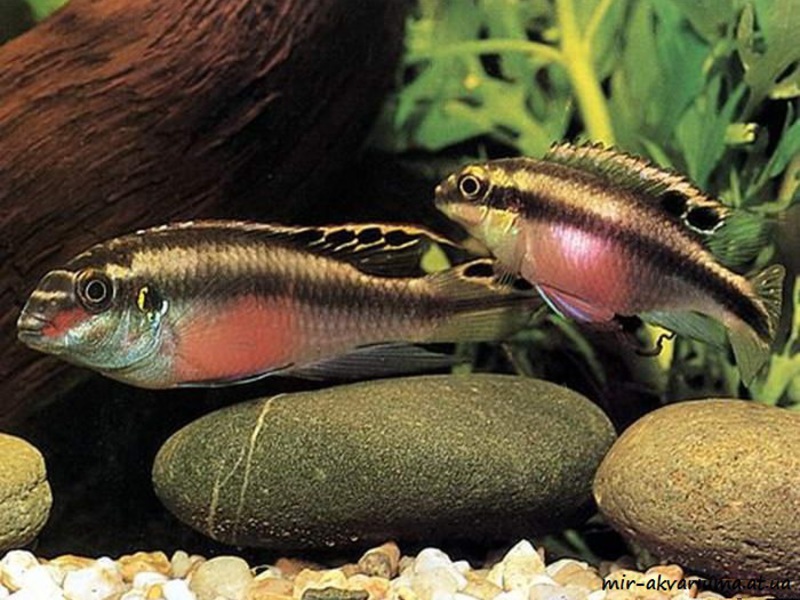
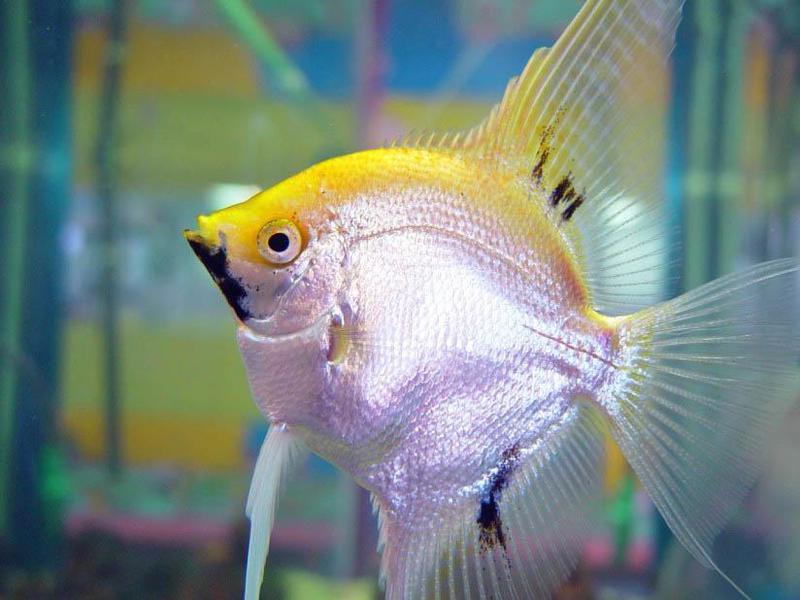
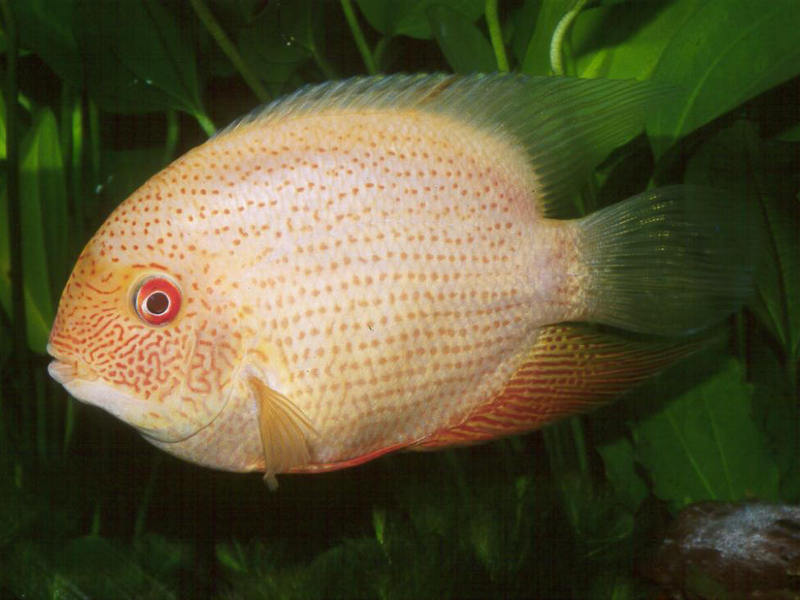
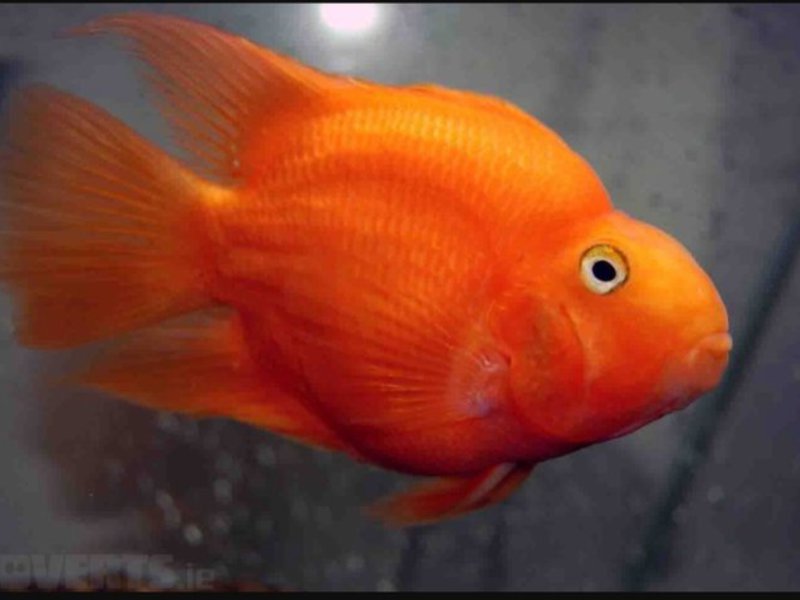
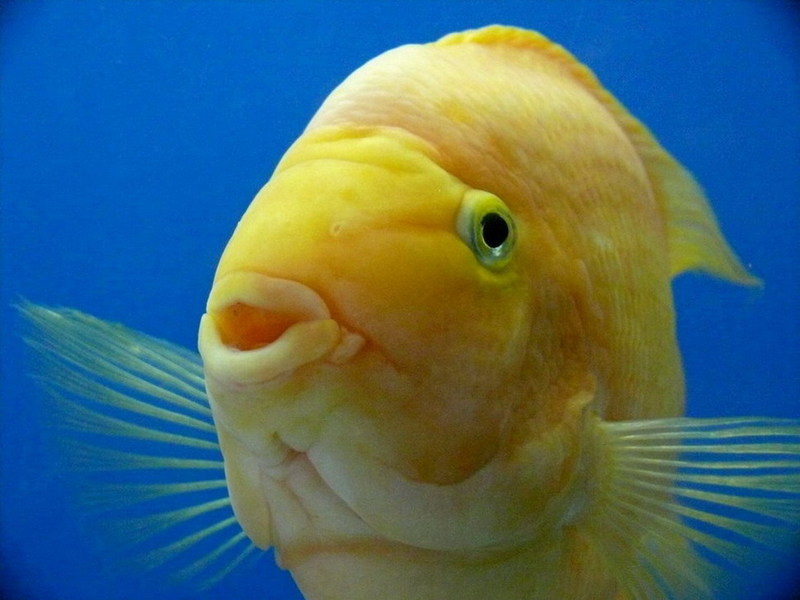
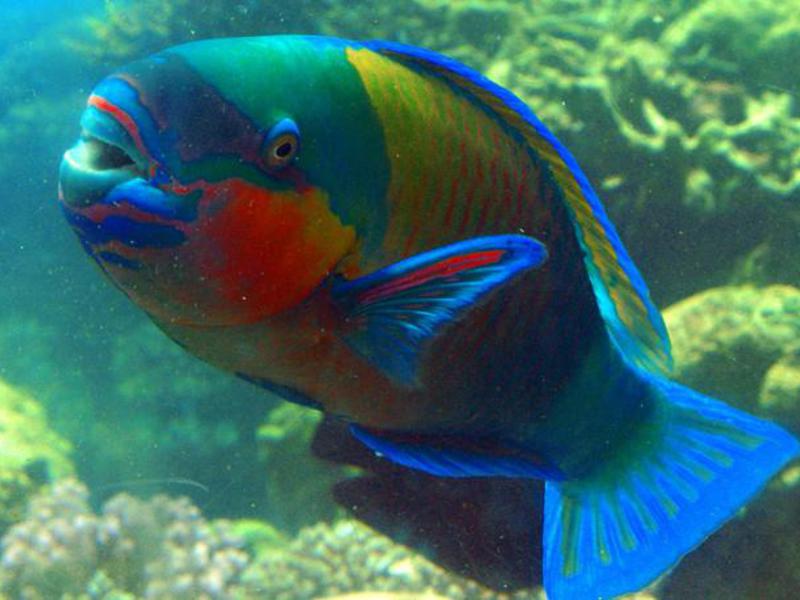
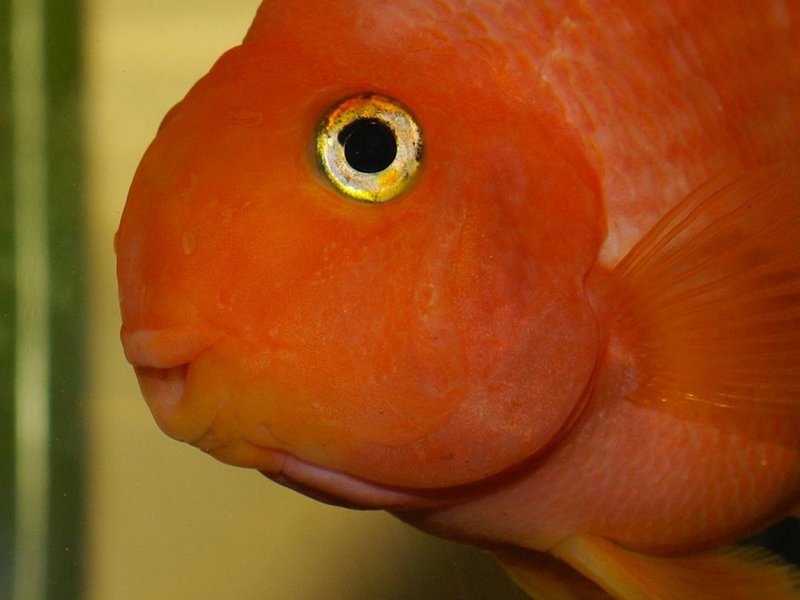
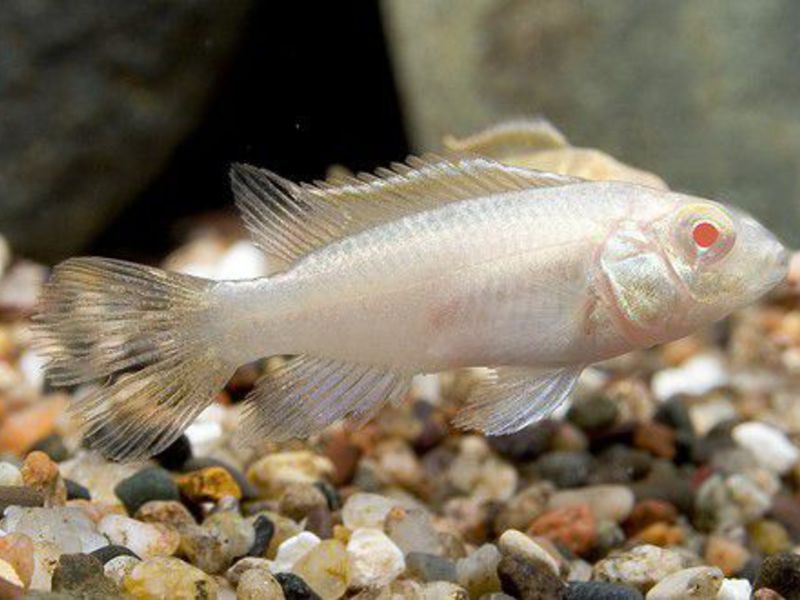
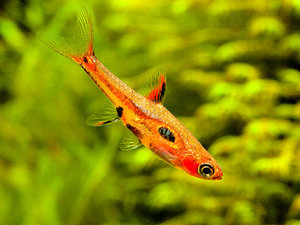
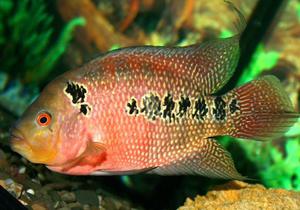
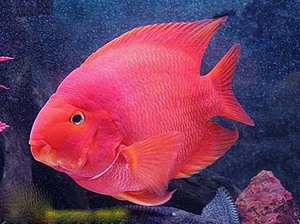
 The parrotfish is a member of the cichlid family. It gets its name from its vibrant coloring and the unusual shape of its head, which resembles a parrot's beak. All photos of these aquarium fish can be seen below.
These fish are native to West Africa. However, aquarists prefer to keep a hybrid of these fish, known as the red parrotfish. They are quite beautiful and easy to care for. This article will discuss these aquarium fish.
The red parrot was specially bred by Taiwanese breeders In the 1990s, the species was presumably created by crossing American and African cichlids. Its exact origin is unknown, as the method for producing this hybrid is a closely guarded secret. Therefore, the only place in the world where this fish species is bred and then exported is Southeast Asia.
The length of an adult is 8–15 cm.
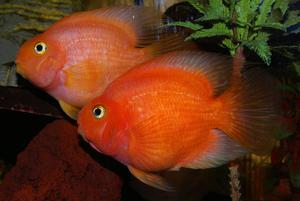
The most common color of parrots is orange-red and yellowIn addition to aquarium fish with the above colors, there are representatives of other colors:
- blue;
- purple;
- raspberry;
- green;
- white
Parrotfish of unusual colors have a weakened immune system, so it is not recommended to purchase them.
Also worth mentioning is the parrotfish's mouth. These fish have very small mouths, opening vertically only at a small angle.
Maintenance and care
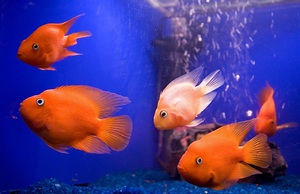 For parrot fish you should buy an aquarium at least 70 cm longIf you have a pair of fish, the best option is to keep them in a 150-200 liter aquarium, preferably with a lid to prevent them from accidentally jumping out. Be sure to place small structures inside to provide shelter, such as caves and seaweed.
In general, these fish are very active, they love to swim a lot, and feel great with little water movement, so you can install a pump with aeration for this purpose.
Naturally, they'll need a good filter. These aquarium fish often leave some food uneaten, and such a device is essential to maintain cleanliness.
The light should be diffused and fairly dim.
The water temperature in parrot aquariums ranges from 22–26°C, with an acidity of around 7 pH and a hardness of 6–15 dH. Remember to change about 30% of the water weekly.
It's quite suitable for soil. small or medium pebblesThe fish will love digging in it.
Feeding
Parrotfish should be fed a combination of live and dry food. Animal food options include bloodworms, shrimp, and small fish.
Plant foods should also be offered as supplementary food, such as zucchini or cucumber. These fish are indifferent to algae.
Artificial feed can also be used, the main thing is to know the limits and not overfeed the fish.
Over time, the bright colors of aquarium fish can fade; in such situations, they are given food containing carotene to maintain their color.
Breeding
 These hybrid fish are unable to reproduce because males are sterileNew individuals are obtained only through crossbreeding, as already mentioned at the beginning of the article.
Despite this, if you slightly raise the water temperature in the aquarium, for example, to 27–28°C, the fish's instinct will awaken, and they will begin preparing for breeding and build nests by digging holes in the substrate. This occurs after the parrots reach one and a half years of age. There are cases where the female may lay eggs, but the male will be unable to fertilize them. Therefore, such breeding attempts will be fruitless.
You can distinguish a male from a female according to several signs:
- By the anal tubercle. In males, it is cone-shaped, while in females, it is pear-shaped.
- By the presence of a pink border. During breeding, this border appears on the throat and gills only in males.
- By fish size. Males are usually larger than females.
- By the caudal fin. The males' fins are typically pointed, while the females' are rounded.
According to the companies that breed these fish, they acquire their bright color only after 5 months, but the fry are gray-black.
Compatibility with other species
 Before purchasing a new fish, aquarists always think: “What types of fish will it be able to coexist peacefully with?”
Parrot - a very peaceful fishShe gets along well with other individuals, with the possible exception of the smallest specimens (neons, graceilis, etc.). She can swallow them. Moreover, only males are aggressive, and only during spawning season.
The most suitable neighbors would be cichlids, barbs, labeo and other species similar in size to parrots.
Diseases
Parrotfish typically live up to 10 years when kept in appropriate conditions. They are highly resistant to various diseases and rarely get sick. However, it's still important to monitor their health and provide proper care.
If you see dark spots on her body, this may indicate about the increased content of nitrates in waterIn this case, you need to thoroughly clean the substrate using a siphon and change the water in the aquarium.
Fish that have become less active and have sunk to the bottom should be removed. Add a small amount of methylene blue, half a metronidazole tablet, and 0.5 grams of kanamycin to the fish's tank. Use these medications and change the water daily until complete recovery. This process usually takes 5-7 days.
Among the possible diseases of these fish, ichthyophthirius is worth mentioning. White semolina-like specks form on the fish's body. Treatment should begin with a water change and filter cleaning. After this, add sera costapur to the water. To prevent the product from decomposing, be sure to turn off the lights. Repeat this procedure daily until signs of the disease disappear.
If you notice your parrotfish swimming belly-up, the most likely cause is swim bladder disease. This is often caused by improper feeding. To prevent this, give your fish Pea grains once a week, having previously cleaned them.
Take proper care of your little pets and they will bring you joy for a long time.
Below are some photos of the parrotfish that will give you a complete idea of this species.