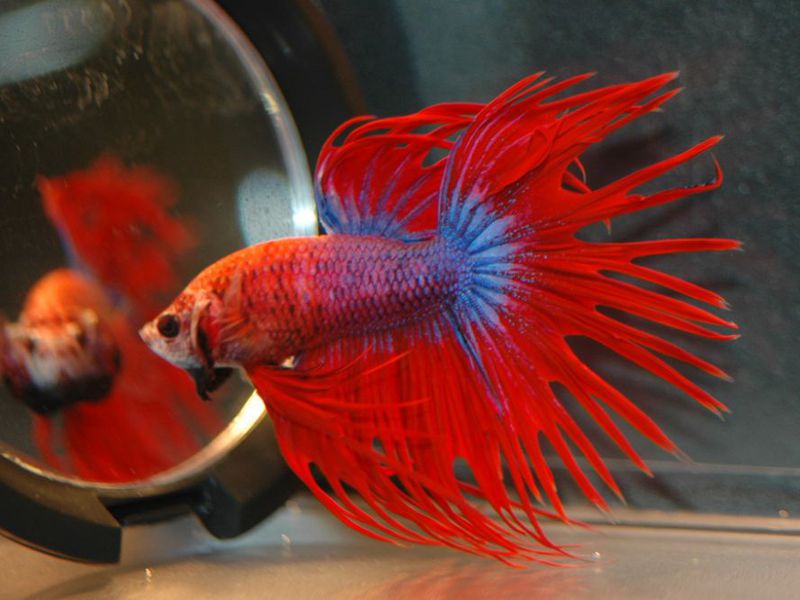
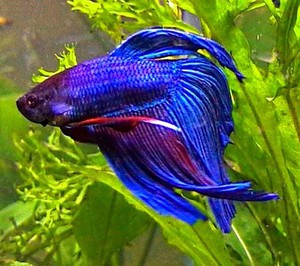
 Those who keep an aquarium at home are familiar with the betta fish. It possesses unique beauty and is renowned for its highly developed fighting skills. The betta is a very stubborn fish; it will fight to the point of exhaustion even with its own mirror image. Keeping it with other fish is either impossible or very difficult; it simply cannot live in the same aquarium with other fish.
Southeast Asia is considered the homeland of these species. They inhabit warm, freshwater, slow-moving or stagnant bodies of water in Thailand, Vietnam, the islands of Indonesia, and the Mali Peninsula.
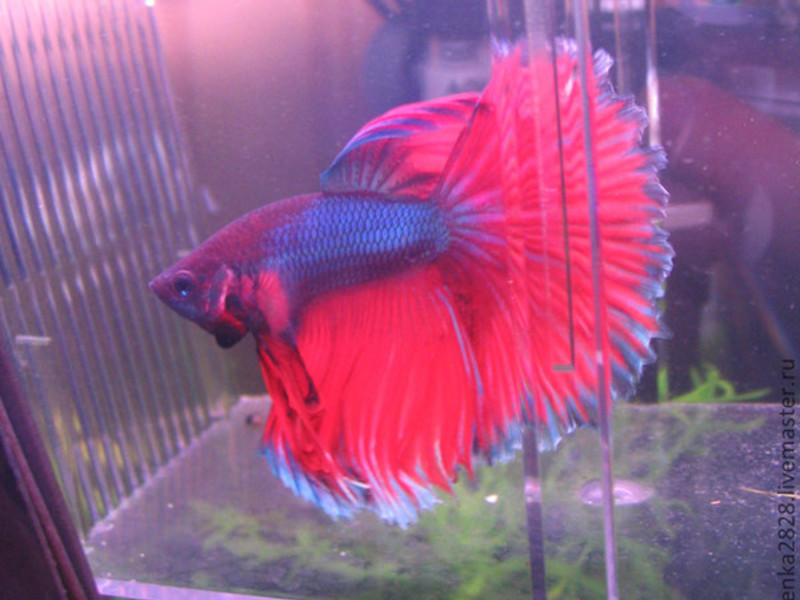
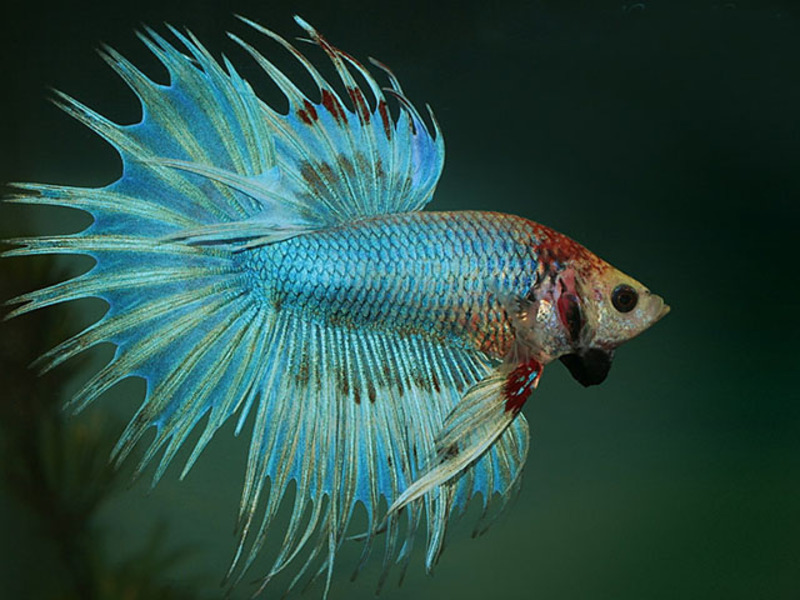
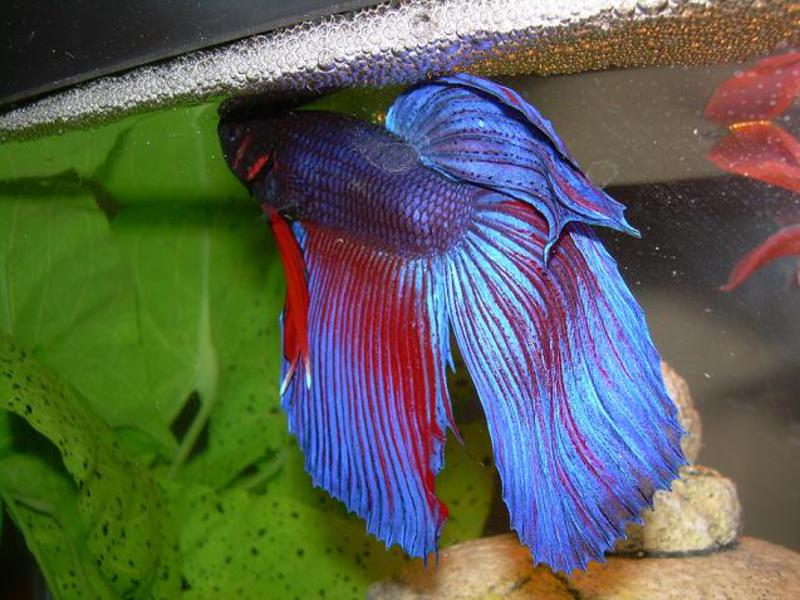
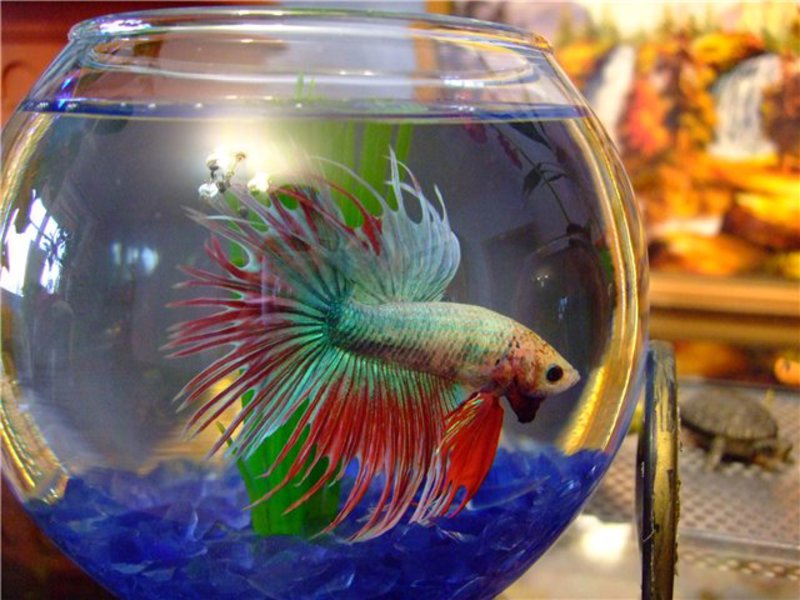
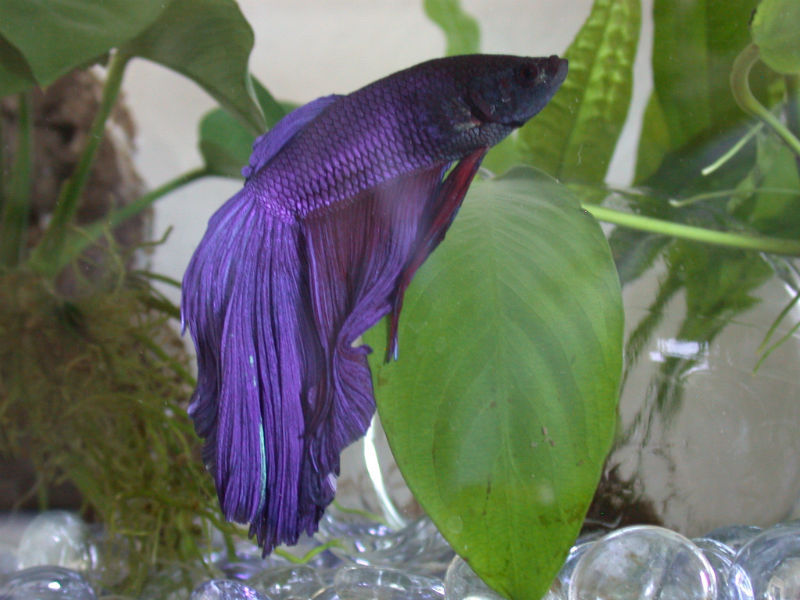
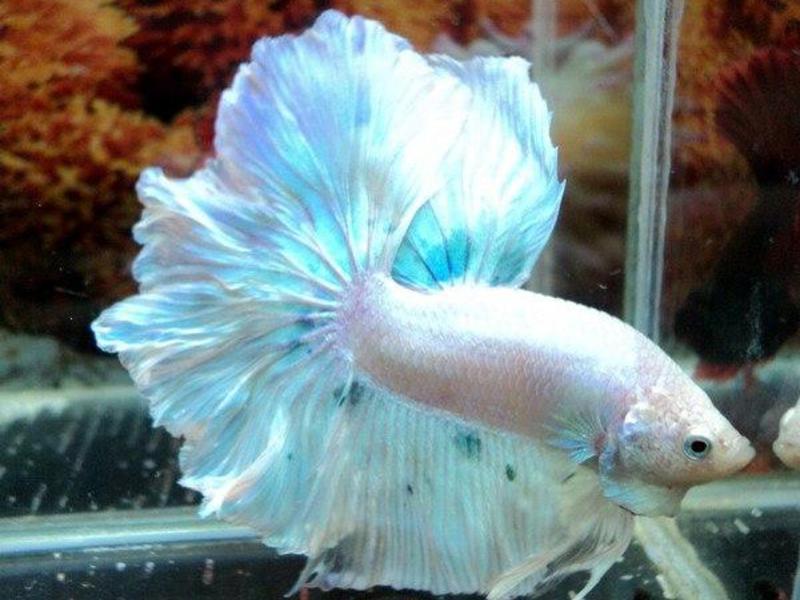
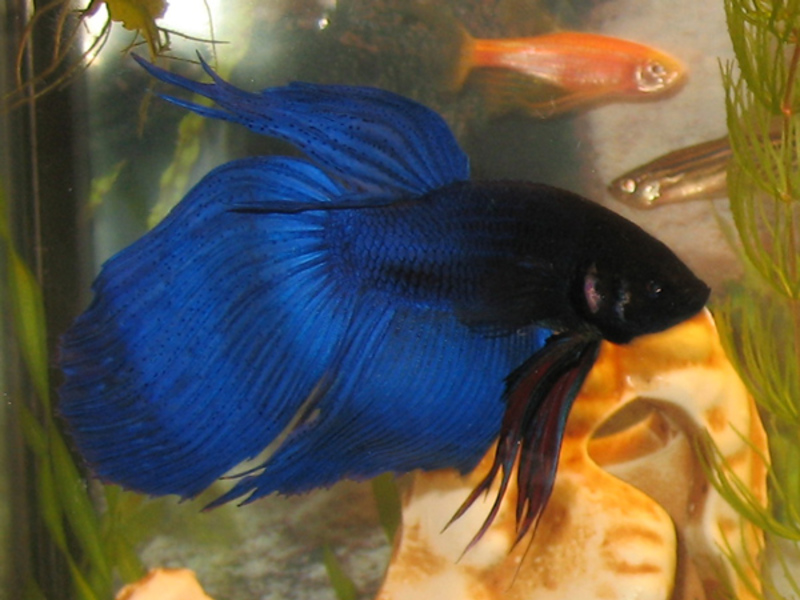
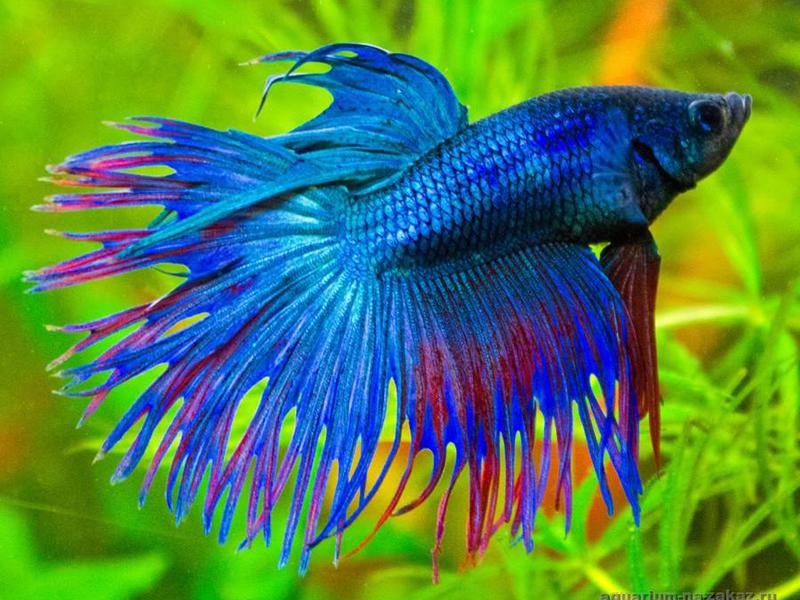
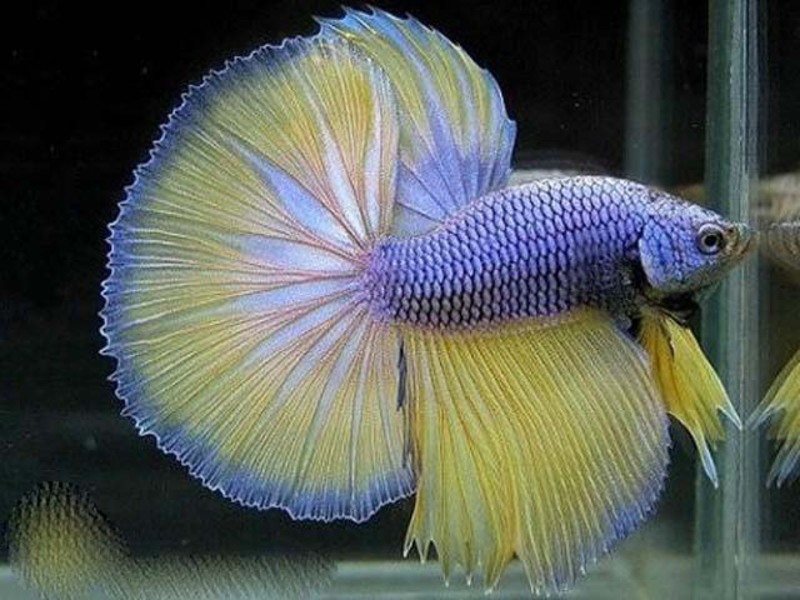
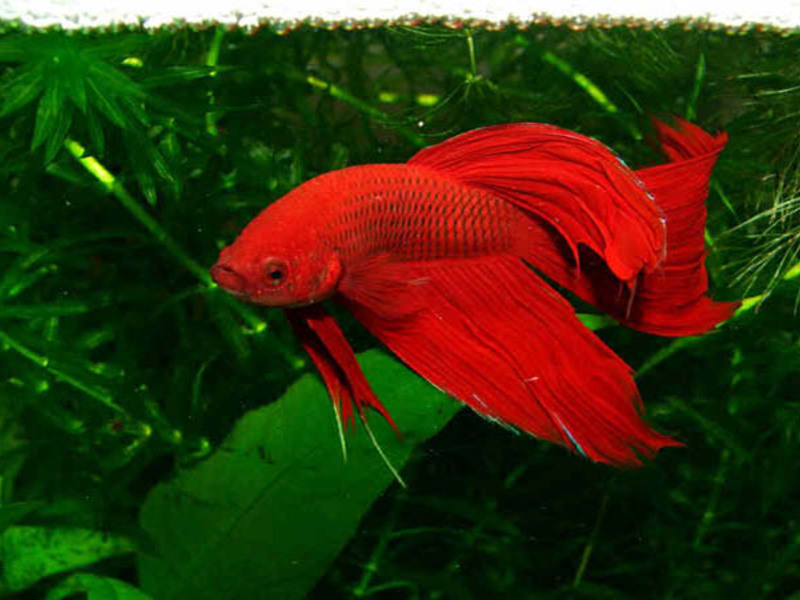
The coloration of aquarium betta fish is varied and interesting. They come in single-color, two-color and multi-colorTheir coloring includes all the colors of the rainbow and their shades. The males' coloring is much brighter than that of the females.
Varieties and description
The fighting fish belongs to the macropod family and also uses atmospheric air for breathing.
The body of betta fish is laterally compressed and slightly elongated, resembling an oval. These fish are generally small in size: males are about 5 cm long, while females are 4 cm. However, some individuals can reach 10 cm in length. The dorsal and caudal fins are rounded, while the pectoral fins are pointed. Males have longer fins than females.
This fighting fish lives for about three years.
Currently, breeders have developed around 700 species of bettas. Depending on the shape of their fins and size, they are divided into several types:
 crescent-tailed;
- veiltails;
- crown-tailed;
- double-tailed;
- round-tailed;
- delta-tailed;
- brushtail;
- flag-tailed;
- poster;
- royal.
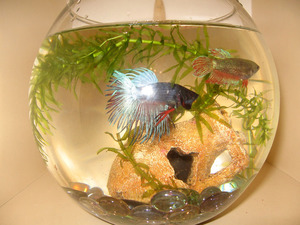 crescent-tailed;
Content
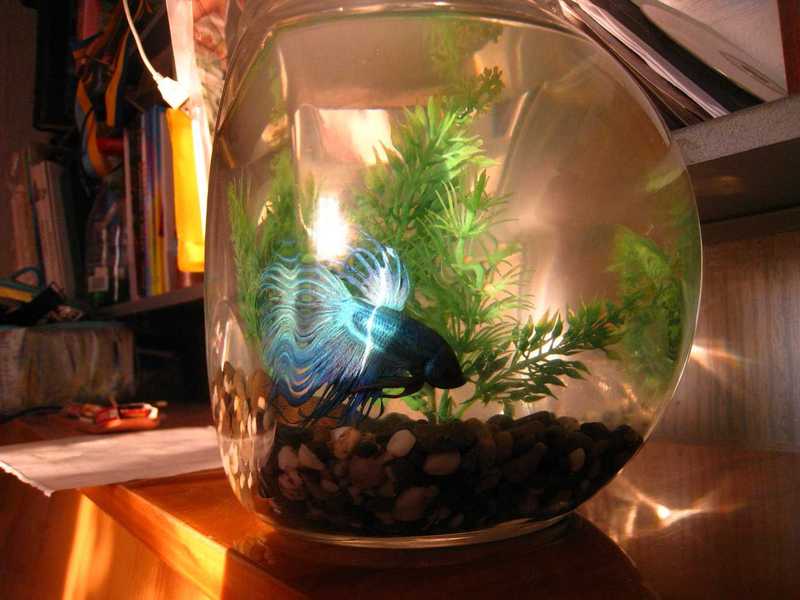
The betta fish is very easy to keep. If you have only one betta fish, you can contain even in a three-liter jarHowever, keeping this fish with only males or in pairs with other fish species can cause problems, as the males are very aggressive.
It's best to keep two males in a large, elongated aquarium so they can share a territory. Another option is to keep the males separately: divide the aquarium into several sections with glass and add one male to each section.
When changing the water in the aquarium or when a female appears, males may experience a surge of aggression.
If you add another fish with veil-finned fins to a betta's tank, it will tear off all its fins. To create a good tankmate, you should add larger, more agile fish with short fins (such as barbs, danios, and others).
The water temperature in the aquarium should be 26–28C, since the betta is a tropical fish. To ensure that it is access to atmospheric airThere should be no floating vegetation on the water surface. The aquarium should receive at least several hours of sunlight per day.
The cockerel is not picky about food, he can eat:
- live and frozen food;
- dry and industrial.
But their favorite food is bloodworms. In aquariums, they love to hunt small snails, and they can even tear off the antennae of larger ones.
How long does a betta fish live and how does it reproduce?
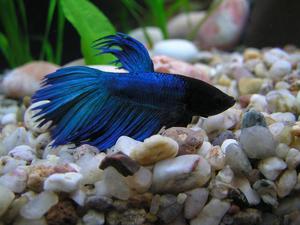 They don't live long. Their typical lifespan is no more than three yearsAt an advanced age, this fish is not used for breeding.
They mature very quickly, reaching sexual maturity by four months. However, to ensure a successful generation of these fish, a young pair aged 7–8 months should be selected for breeding.
When a male rooster breeds repeatedly, his fins enlarge. A female rooster may experience problems with reproduction if she hasn't laid eggs for a long time. Over time, the eggs begin to degenerate, and the female's genital opening becomes blocked.
If you want to get offspring from a pair of bettas, they should be moved out of the common aquarium. in a separate spawning aquarium, despite the fact that they can build a nest in general. Any low, transparent tank with a capacity of 5 liters and a water depth of 15 cm is suitable for a spawning aquarium. A large number of plants should be added to such an aquarium so that they can build a nest, and the female will also use them as a place to hide from the male. However, substrate is completely unnecessary in this type of aquarium.
The temperature in the breeding tank should be around 30°C (86°F), and the water should be fresh—this encourages spawning. Before spawning, the betta pair should be fed a variety of live foods. Bright light and aeration are not necessary in this type of aquarium, as these interfere with nest formation.
The male fish is placed in the spawning tank first, where he builds a nest of air bubbles—they don't burst due to his saliva. Then (about a day later), the female is added to the male.
Bettas usually spawn every few days. If spawning doesn't occur for more than a week, the female should be replaced. If the male becomes very aggressive, he should also be replaced.
During spawning, the male squeezes several eggs from the female, pinching her between his head and tail. At this point, he fertilizes the eggs. Before they fall to the bottom of the aquarium, the male picks them up and places them in the nest. The number of eggs produced in a single spawning can be from 2 thousand to 4 thousand pieces.
Once spawning is complete, the female is removed immediately, otherwise the male may become aggressive. The male cares for the eggs and larvae: he removes eggs if they die, completes the nest, and retrieves any eggs that fall from the nest.