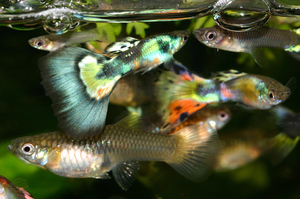
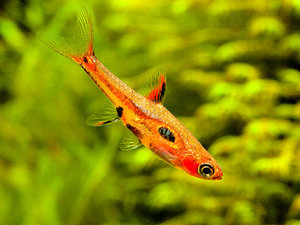
Many people are reluctant to keep aquarium fish because they're afraid they won't be able to handle them. But caring for them isn't as difficult as it might seem. Moreover, some species are so easy to care for that they require virtually no effort. We'll discuss them in this article.
Guppies
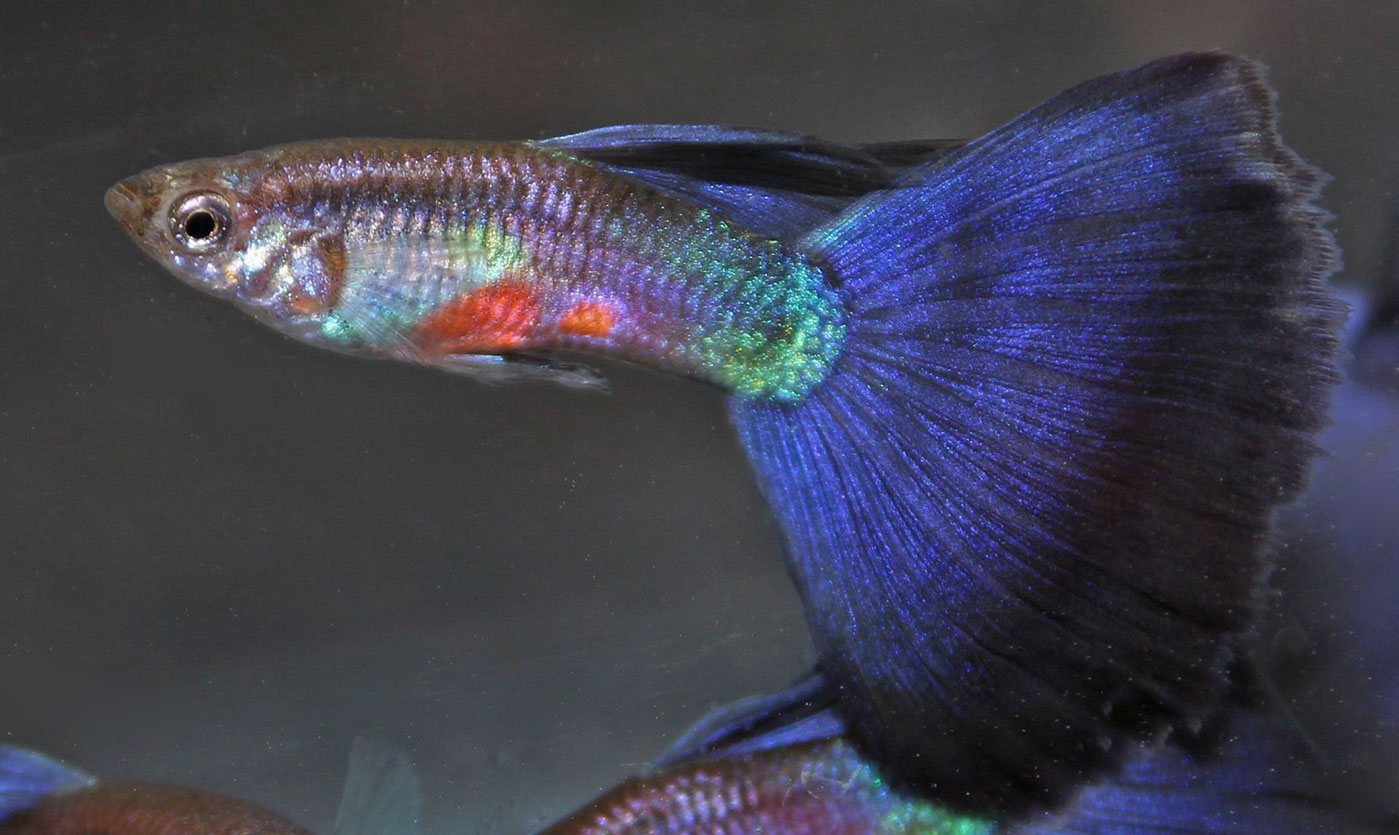
Guppies are a popular aquarium pet. They are brightly colored and attractive, with unusual tails.
If space is limited, a small 40-liter aquarium will do. They are undemanding in their environment, thriving in tanks without additional filtration, aeration, or even plants. However, such breeding is discouraged.
Guppies are very prolific breeders, so be prepared for them to breed vigorously. They are also very peaceful and get along well with other species.
These aquatic creatures come in a variety of colors. You can buy different specimens, and their offspring will be even more vibrant.
Another advantage of keeping guppies is that they are omnivorous. They will delight you with their colorful appearance for a very long time.
Swordtails
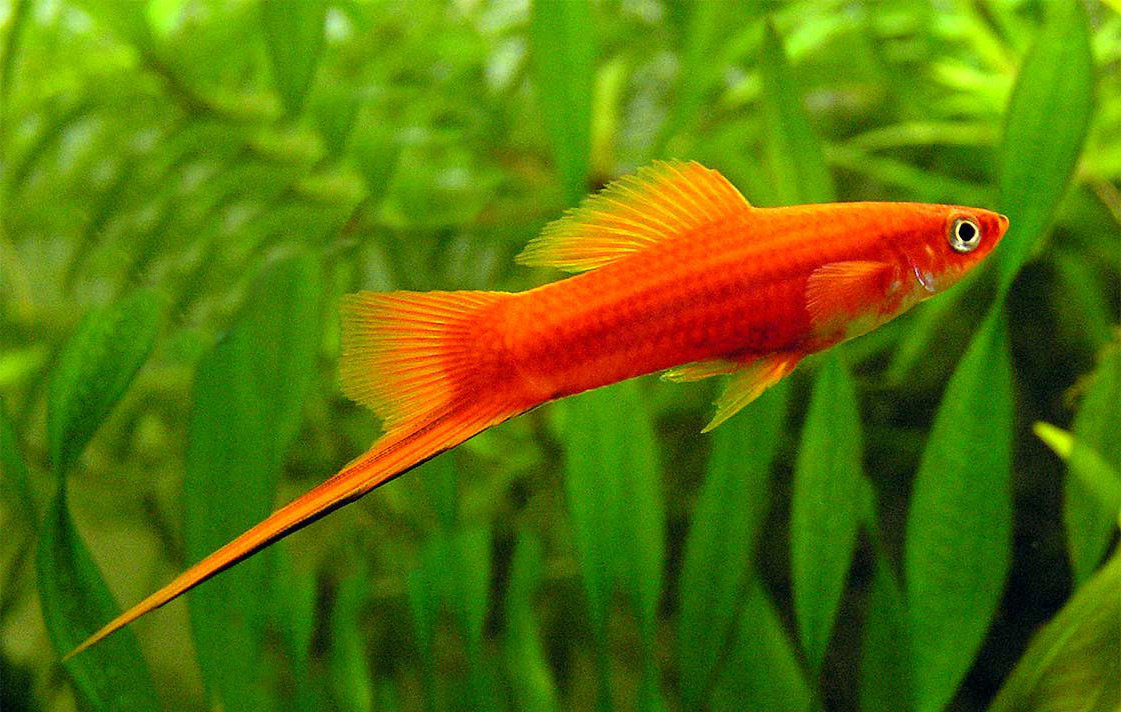
These are another attractive and easy-to-care-for aquarium inhabitants. They can be identified by their caudal fin, which in males ends in a "sword." They make very interesting pets, varying in size, color, and behavior.
They are easygoing and thrive alongside other aquarium inhabitants. They are hardy, a particularly important factor for the beginning aquarist.
Unlike guppies, swordtails prefer an aquarium with plenty of hiding places and vegetation. The ideal tank size for them is 40 liters.
A distinctive feature of swordtails is their ability to fend for themselves. Therefore, they can be safely housed with restless neighbors.
Barbus
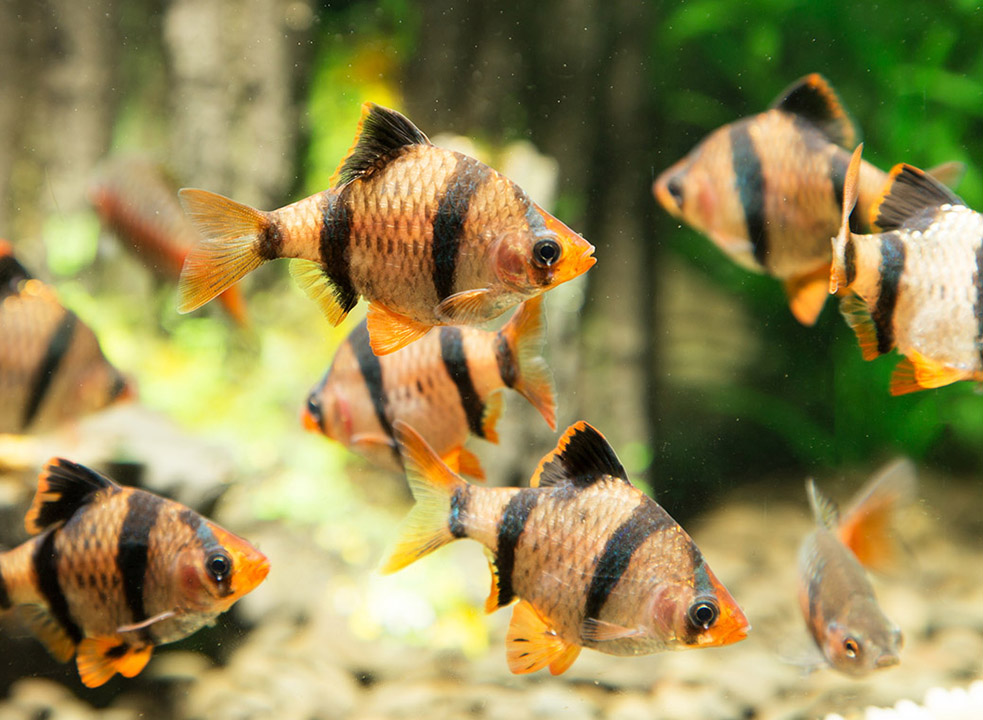
Beginners in aquaristics often begin breeding their pets with this species. They claim their playfulness is endless.
The Sumatran barb, a member of the carp family, is a small schooling fish, measuring only 6 cm. Its vibrant, cheerful coloration is a plus. Despite its small size, it requires a large aquarium, as it is recommended to purchase them in schools of 6-8.
Barbs are omnivorous. However, they should not be overfed, as this can lead to obesity in young individuals, which can lead to death.
This is a lively fish. In a school, they love to chase each other. It is not recommended to keep barbs with mollies to avoid conflicts. They will also attract other colorful fish, especially those with lush fins. Due to their active and feisty nature, barbs should not be kept with calm, phlegmatic fish. The latter will be extremely uncomfortable in such a community.
Another problem that can arise when breeding barbs is egg stagnation in females. To prevent this, it is recommended to raise the water temperature in the aquarium twice a year.
Cardinal
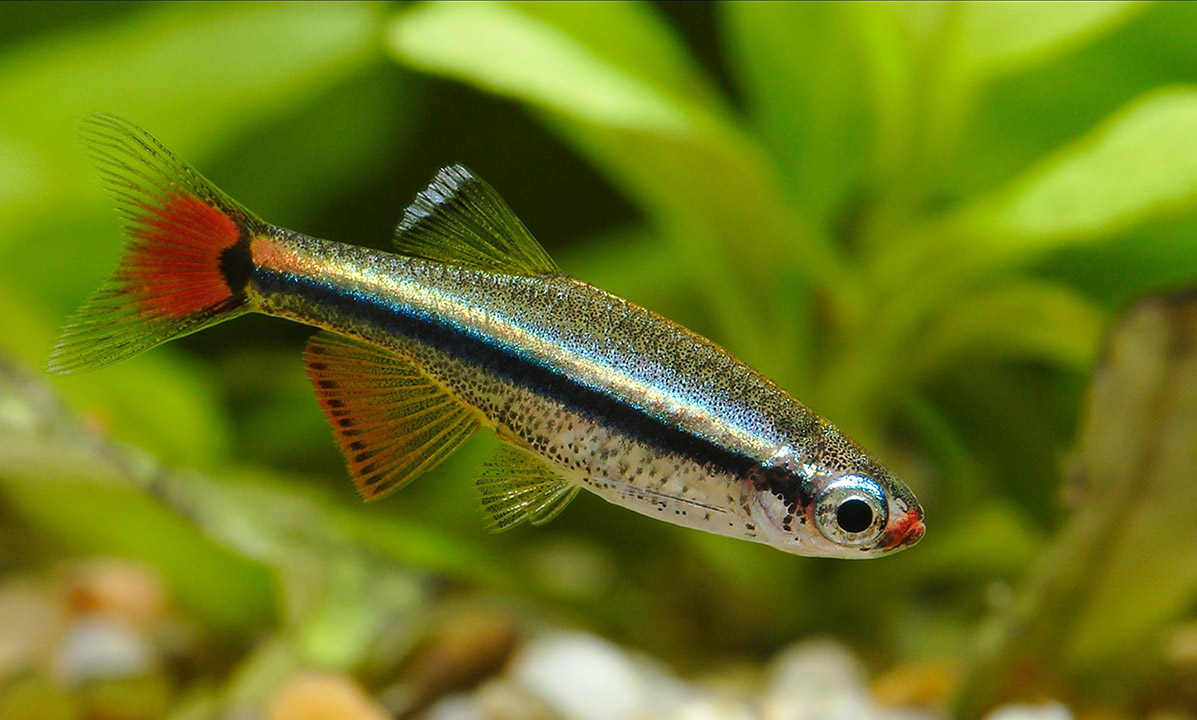
This is another easy-to-keep fish species that's quite common. It's small – 4.5 cm – and active, brightly colored and slender. The cardinalfish is completely undemanding in its habitat. Its peaceful and easy-going nature is another advantage, allowing you to experiment with its tankmates.
Both dry and live food, which the cardinal will grab from the surface, are suitable. Among live foods, the fish prefers daphnia or gammarus, as well as tubifex and small bloodworms. Dry food can be purchased at any pet store. It is easily digestible and does not pollute the water.
Cardinals have a very vibrant and distinctive coloration: a maroon or brown stripe runs from their tail to their gills. Their belly is silvery, and their back is brown.
To ensure this fish feels comfortable, it requires plants in the aquarium. The tank should have bright lighting, filtration, and aeration.
Cardinalfish also get along well with other carp fish. However, beware of barbs due to their fin-nibbling habit. Cichlids can also be added as companions.
Cockerels
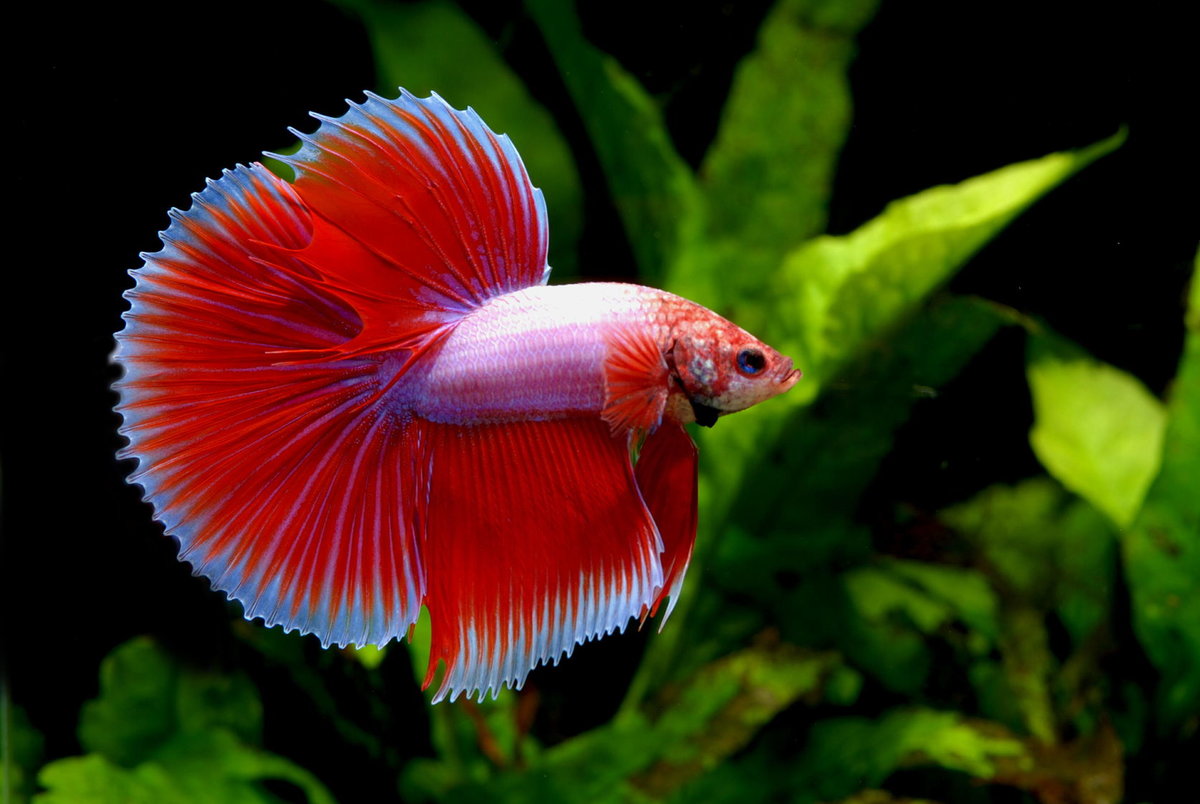
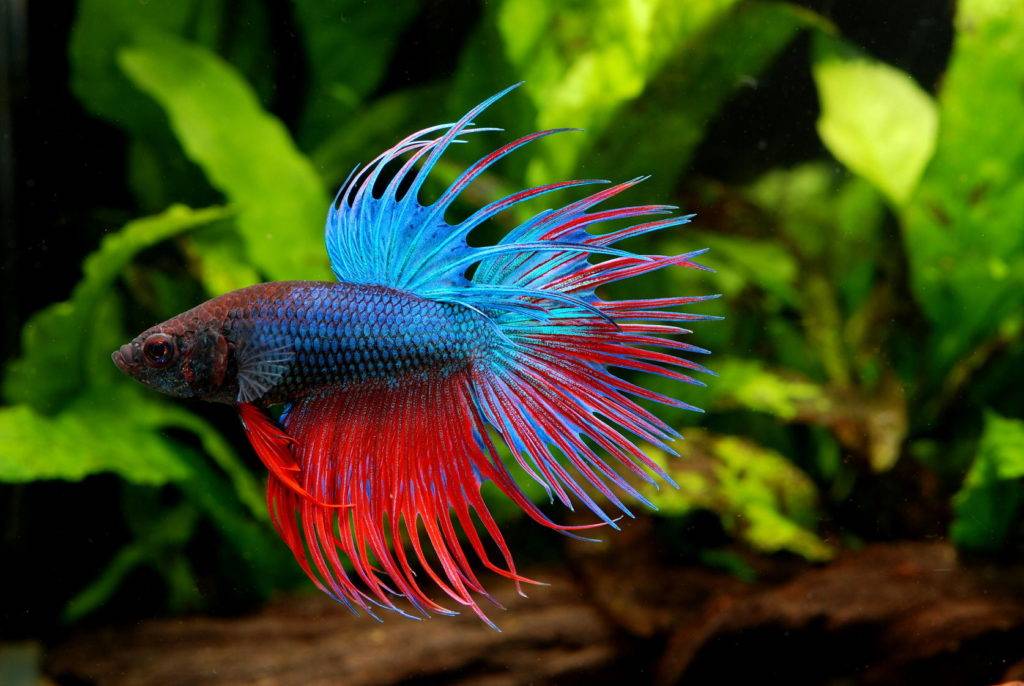
Bettas are small fish, measuring 6 cm, but possess a striking appearance. Elegant and vibrant, their scales shimmer with a variety of hues as they move. They require no additional aeration, as they can swim to the surface of the water to breathe fresh air.
You can change the water only once every two weeks. If you use tap water for your aquarium, it should be allowed to settle first.
You can feed bettas once a day. Both live food and artificial flakes are suitable.
During spawning, it's recommended to add a bunch of Ricci to the tank. The male will use the foam to create a nest and then watch over the fry.
However, bettas have a rather aggressive character, so two males cannot be kept in the same aquarium.
You can design an aquarium for your inhabitants entirely to your taste. The tank can be large or small, but the main thing is to consider what will be inhabiting it. Remember that even the most easy-to-care-for fish require care. And avoid putting species in the same tank that wouldn't be comfortable living together.