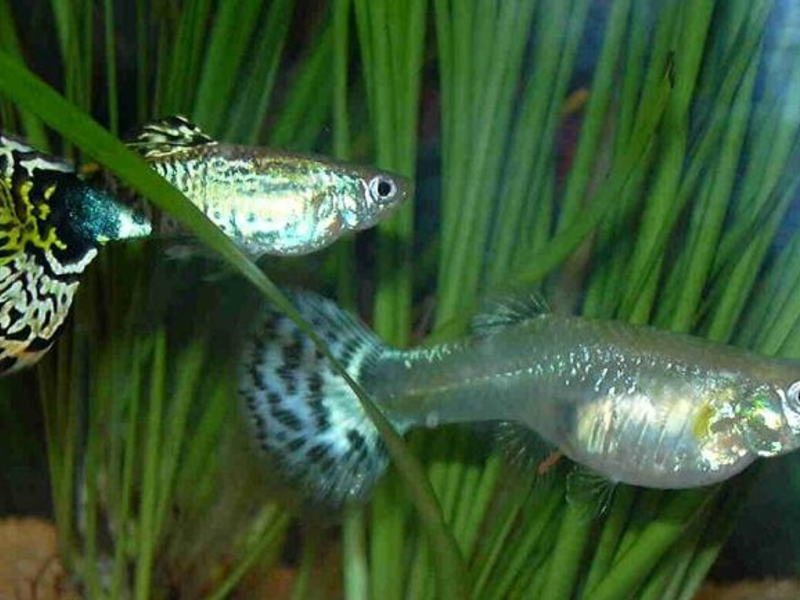
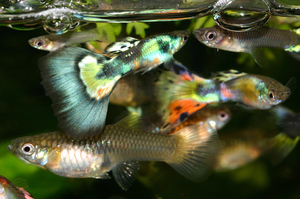
 A member of the Poeciliidae family, the guppy is a familiar sight even to novice aquarists. These incredibly beautiful yet incredibly easy-to-care-for fish have probably been bred in an aquarium by every aquatic enthusiast. Guppies can be kept without filters or a heater, and they are very easy to breed. This fish species is also attractive to experienced aquarium keepers because it is relatively easy to breed.
Guppy fish: photos and descriptions
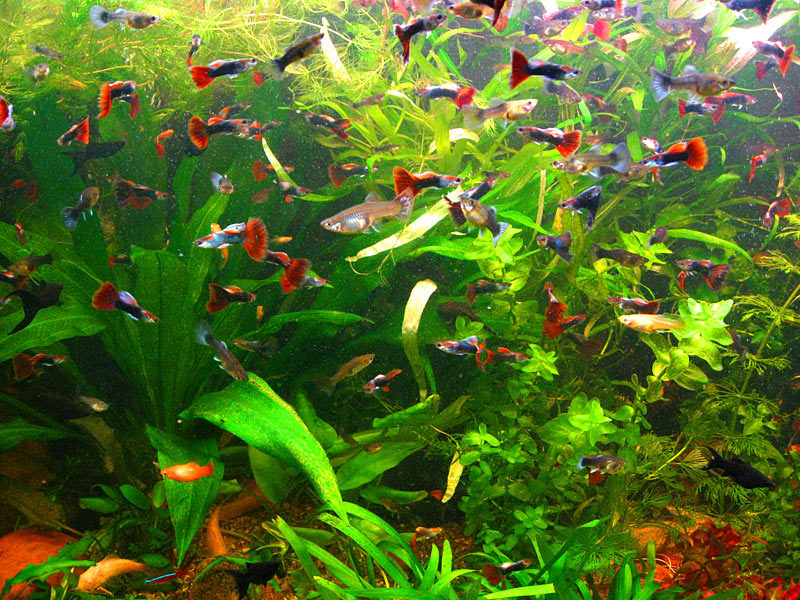
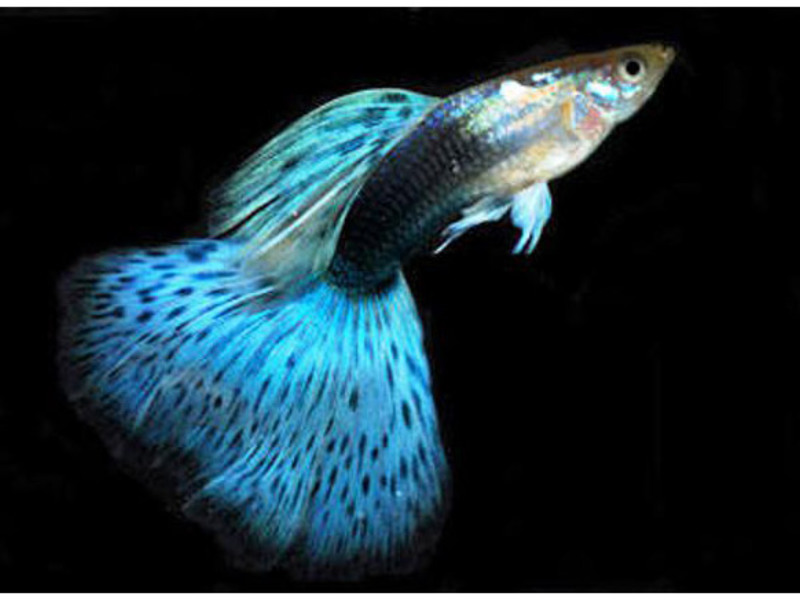
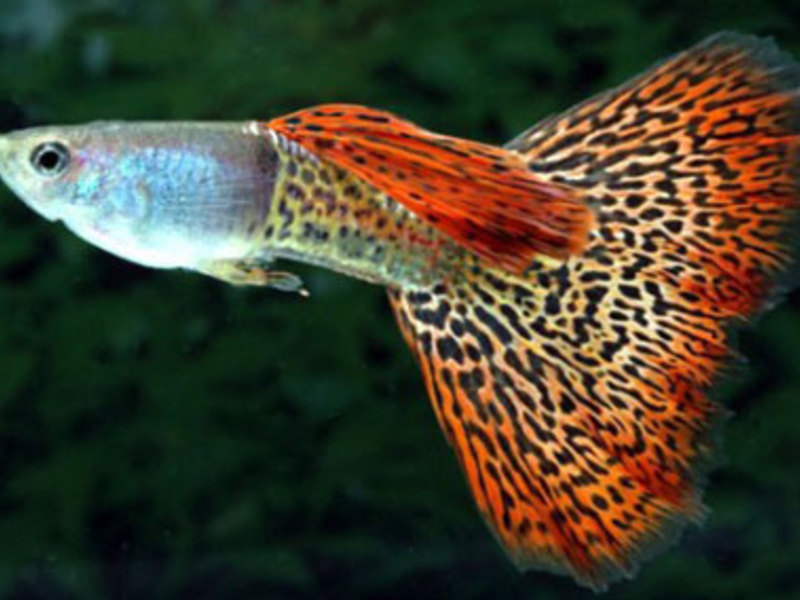
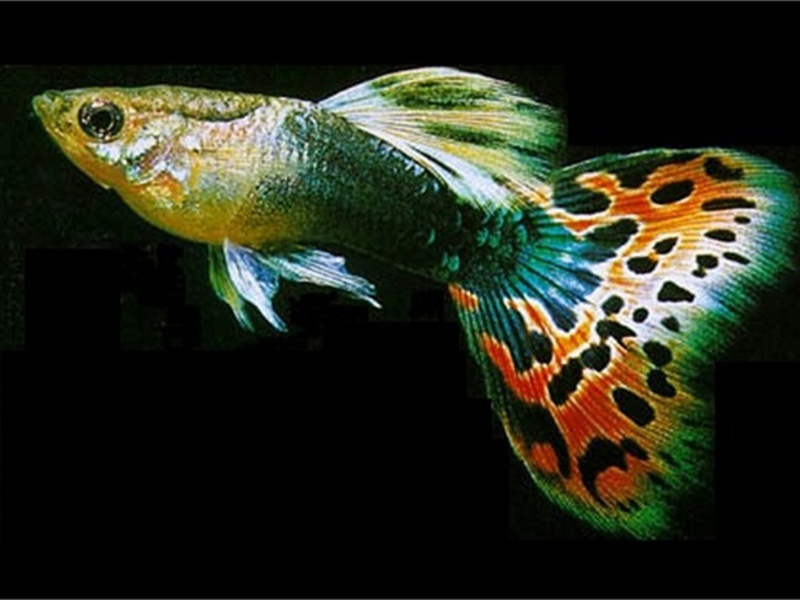
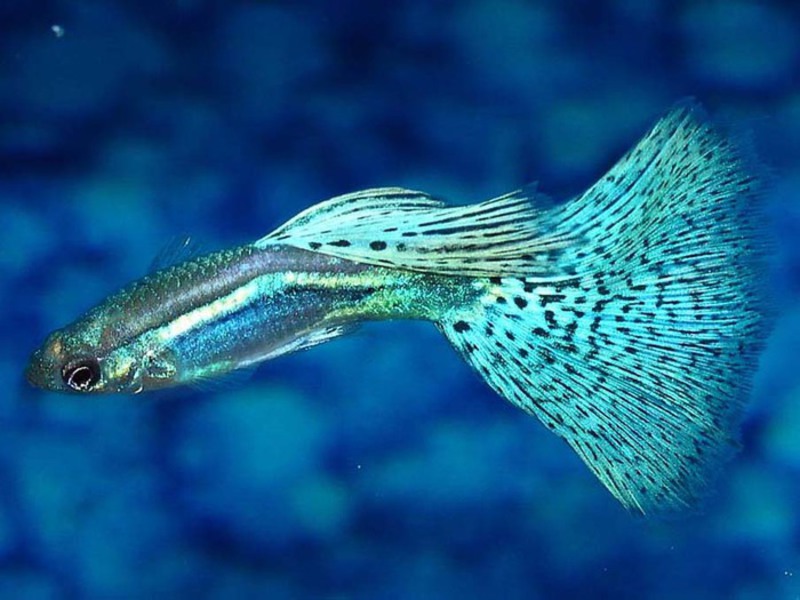
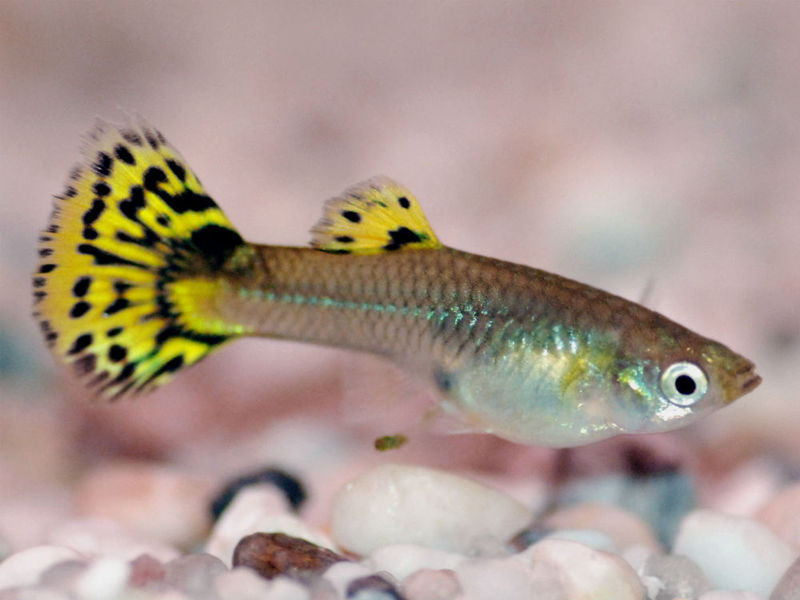
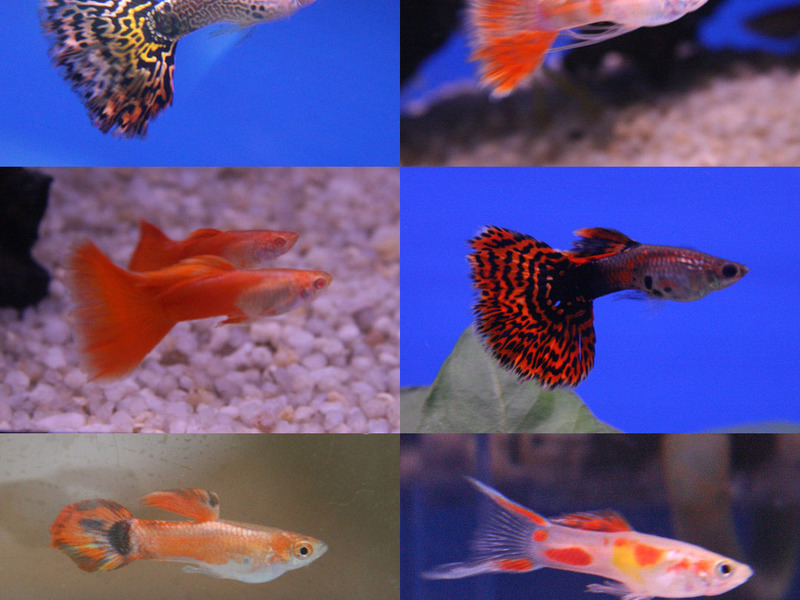
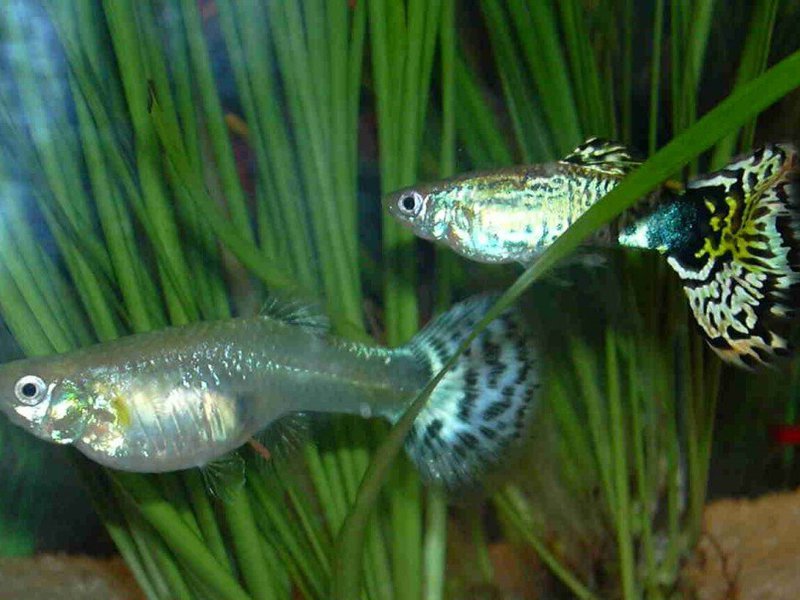
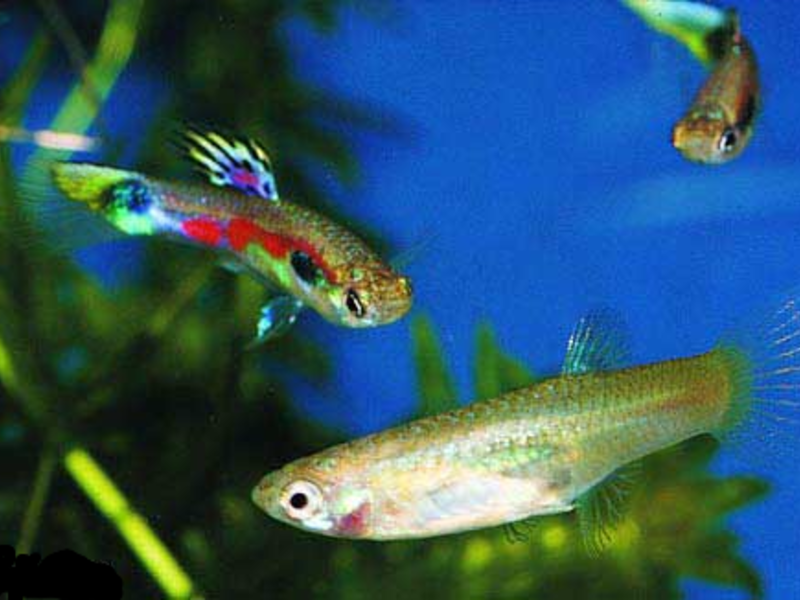
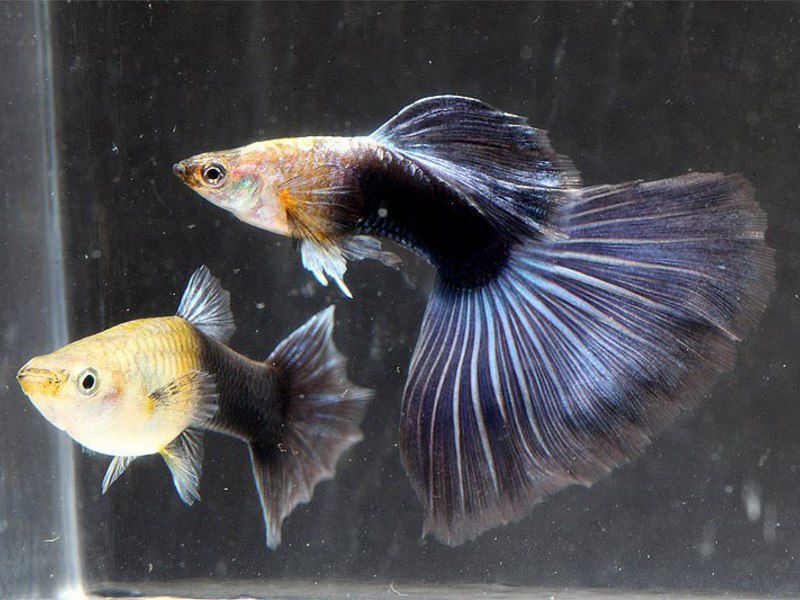
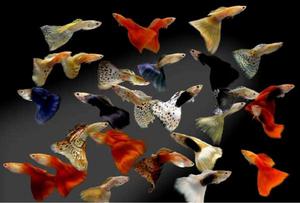
Native to some South American countries, the islands of Thailand, and Tobago, guppies thrive in both clean, flowing waters and brackish coastal waters. They are not found in saltwater. Females grow up to 6 cm in length and have a plain gray coloration. Males, however, are very beautiful, although they only grow to 1.5-3 cm. They come in several varieties, differing in size, fins, coloration, and tail shape. Currently, through selective breeding, 13 breeds of guppies have been developed:
- fan-tailed acute-angled;
- triangle;
 fan-tailed;
- skirt;
- double sword;
- upper sword;
- lower sword;
- lyrebirds;
- spear-tailed;
- spade-tailed;
- needle-tailed;
- flag-tailed;
- round-tailed.
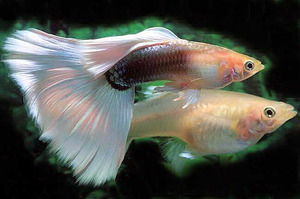 fan-tailed;
Fish can have monochrome or multi-colored color schemeMarbled guppies with black and yellow or black and white tails are particularly beautiful and unusual. Their dorsal fin, which can be very long and even reach the tail, is also impressive.
Many aquarium fish enthusiasts wonder how long guppies live. Unfortunately, warm water and the fish's small size speed up their metabolism, shortening their lifespan. As a result, guppies in artificial ponds typically live for two to three years.
Guppy fish: maintenance and care
Tropical fish love warm water, but feel great in an aquarium with water within from 19C to 29CSince guppies adapt very quickly to almost any conditions, other water parameters are not important for them. Ideally, water hardness should be between 6 and 10.
The capacity of the artificial pond is calculated based on the fish's needs. Two liters of water are sufficient for one female, and one liter for a male. A pair of guppies can even be placed in a three-liter jar, where they will thrive. However, it's important to remember that a stable biological balance is only possible in a larger container.
Recommendations for aquarium equipment for guppy fish:
- For five fish, a 20-liter aquarium will be enough.
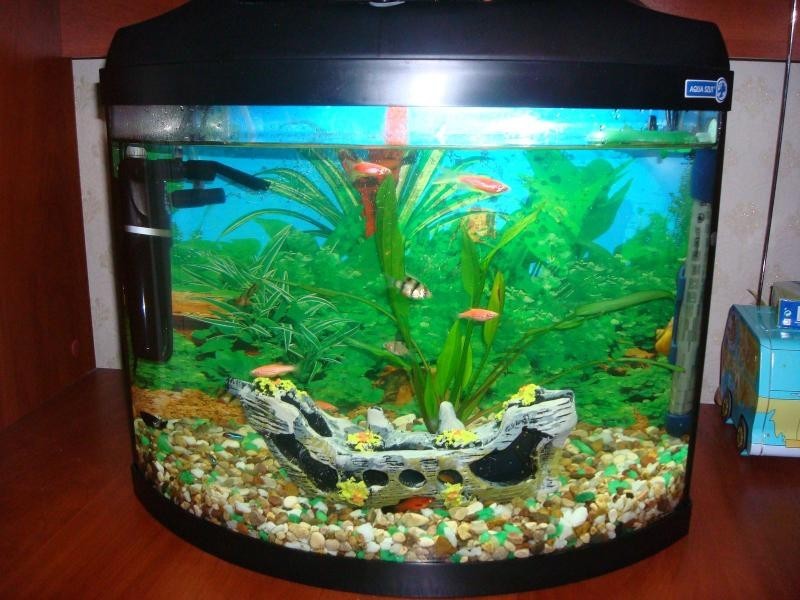
- A filter is optional, but recommended. An internal one will suffice. The holes in it should be covered with a fine mesh, otherwise the filter may suck in small fish.
- Lighting does not affect the viability of guppies, but if there is not enough light, the color of the males becomes less bright.
- To make an artificial pond resemble a natural one, the aquarium should be richly planted. This will increase the survival rate of the fry.
- The aquarium landscape should include not only ample swimming space but also secluded nooks. These nooks provide shelter for females during the breeding season and for males after mating matches.
- To make the males' coloring look attractive, it's best to use a substrate that contrasts with their coloring. Dark tones are a safe bet.
 For five fish, a 20-liter aquarium will be enough.
Feeding guppies
Aquarium fish are omnivorous, so you can feed them live, frozen, artificial, and dry foods. They eat them with pleasure. artificial granules and flakesThey enjoy eating corethra, brine shrimp, bloodworms, and tubifex. To maintain a strong immune system and a healthy gastrointestinal tract, guppies are recommended to be fed flake food with plant-based supplements twice a week.
Dried daphnia is often sold at markets, but it's best not to feed it to aquarium fish. It's simply dried shells, which are poor in nutrients and vitamins. Prolonged feeding of daphnia can cause gastrointestinal inflammation in fish, leading to their death.
Guppies need to be fed two to three times a day. The amount of food should be sufficient for the fish to consume it within a couple of minutes. Overeating and food spoilage can lead to various diseases.
Since guppies are small fish, their stomach and mouth are smallTherefore, their food should be small in size.
Compatibility
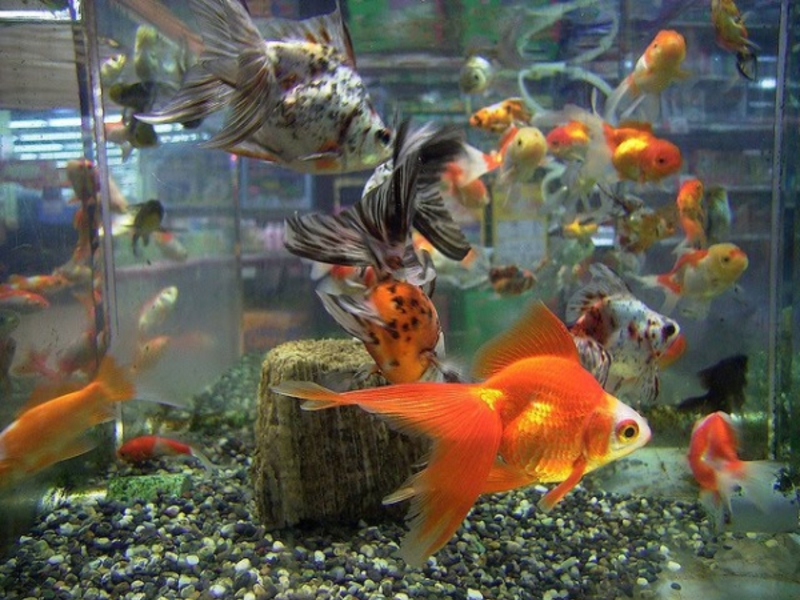
Guppies are peaceful aquarium fish that won't cause any problems for any tankmate. However, predatory and larger fish perceive them as food. Therefore, guppies should not be kept with fish such as shark balus, pangasius, giant gourami, or swordtails.
It is not recommended to keep small fish with beautiful tails with aquatic creatures that are capable of ripping off the males' luxurious fins. Such fish include:
- fire barb;
- barbus denisoni;
- Sumatran barb;
- kissing gourami;
- ternetia.
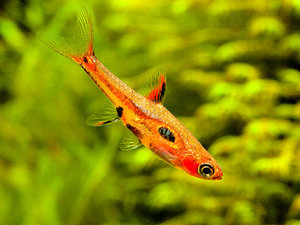
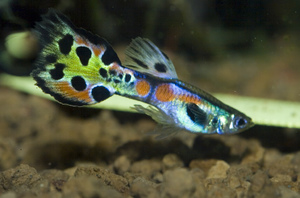 fire barb;
Guppies can live best with small and peaceful fish:
- tarakatumamami;
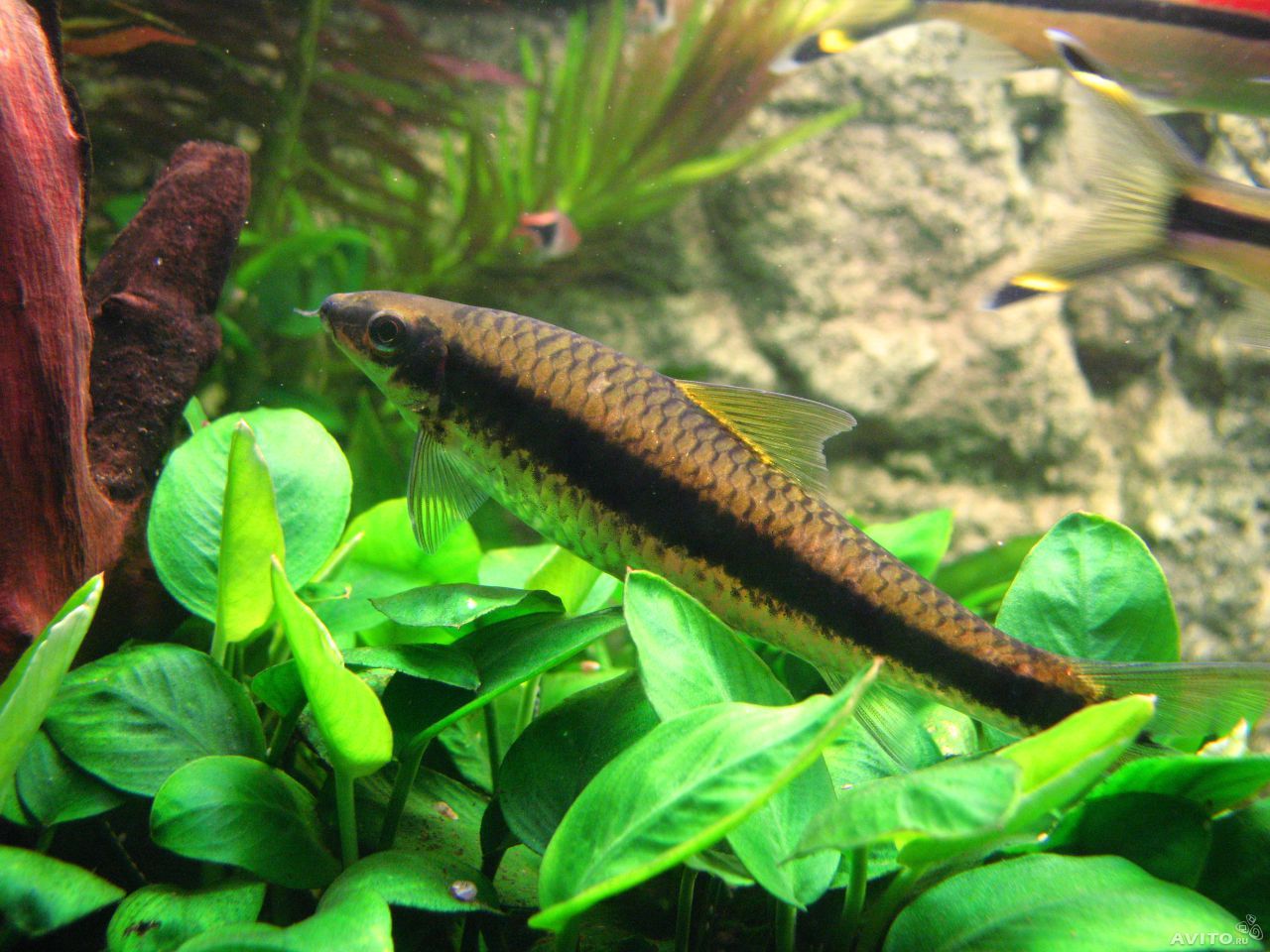
- speckled catfish;
- cherry barbs;
- neons;
- Congo;
- cardinals;
- analysis.
Guppy breeding
Guppies are live-bearing fish that do not lay eggs, but give birth to already formed fryThey reproduce quite easily in home aquariums and do not require any special maintenance conditions.
To breed guppies, you'll need three to five females and one male. One male for every 100 females is sufficient. More males can be kept, as they don't fight, but simply compete.
If the male tirelessly begins to pursue the female, it means that fertilization will soon occur and fry will appear.
For guppies to breed actively, the pond must have clean, fresh water. They can be bred in a community tank, but both the guppies and their tankmates readily eat the fry, so it's recommended to separate the pregnant female. To tell if a female is pregnant and needs to be separated, simply look at her anus. When a pregnant fish develops a dark spot near her anus, it's time to move her to a separate tank.
The pond for pregnant females should have the same water and rich vegetation. In the algae thickets the fry will hide from their mother, which can eat them. The female will give birth naturally when the time comes. If she is removed too early, she may carry the fry for about a month. Occasionally, a situation may arise where the female is unable to give birth. In this case, she needs assistance by raising the temperature to 28-29°C and performing a 50% water change. Immediately after giving birth, the female is transferred to the main aquarium.
An adult female can produce up to eight litters per year. In some cases, such a large number of fry is simply not necessary. You can halt the breeding process by using one of the following methods:
- reduce the water temperature to 18C;
- separate the males from the females.
It is recommended to suspend the reproduction process during the winter period.
Caring for fry
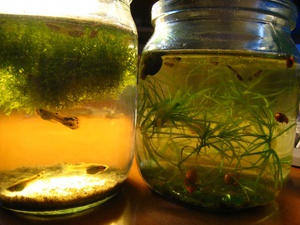 The fry should be cared for in the same way as their parents. They can be fed dry egg food, finely ground flakes, or special food for fry. After about five minutes, once the fry have eaten, remove any leftover food. Otherwise, it will ferment and pollute the water. It's recommended to add snails, which are safe for the fry, to the tank with the fry. The coil or ampullaria will eat the leftover food and clean the walls of the tank.
The water in the fry tank should always be clean. However, young fish are still weak, and large water changes are dangerous for them. You can change 25% of the water once a week, or 10% every day. Water temperature is very important for the fry; it should be between 24°C and 26°C.
With proper maintenance and feeding, guppy fry begin to color and they can be transferred to a community aquarium. They reach sexual maturity at four to five months of age.
Beautiful, small, and easy-to-care-for aquarium fish, guppies are especially suitable for families with small children. Kids can feed them themselves, observe their lives, and admire their beauty.