 Many aquarists face the problem of feeding their pet fish. Modern pet stores offer a wide selection of different foods for aquatic life. However, many are concerned about the question: where has all the live fish food gone? Older aquarists remember well how, during the Soviet era, when there were terrible shortages, they had to grow their own fish food.
Homemade fish food is guaranteed to be high-quality and fresh, so many people want to know how to get it themselves.
Live food and its types
In today's environment, buyers a wide range of products is offered, including for pets. Pet store shelves are overflowing with brightly colored packages of aquarium fish food. These are balanced and tailored to the fish species, providing a complete nutritional profile for the fish.
Fish react differently to live food, they immediately perk up, and it's no surprise. It contains everything essential for active growth and vitality. This food is varied and beneficial. For predatory aquarium fish, it is the primary source of nutrition. Experienced specialists recommend feeding live food more frequently to ensure good reproduction.
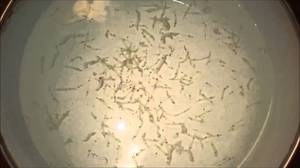 In such food contains a large amount of complete proteinIt's easily digestible by fish and contains all the necessary vitamins in their natural form. Live food is also active, allowing aquarium inhabitants to retain their natural hunting reflex.
Of no small importance The peculiarity of live food is The fact that it doesn't spoil the water in the tank as quickly as dry food. Some types of live food can live in the water for a while, and during this period, the fish eat it, as it decomposes slowly.
There are several types of the most popular live food:
- Artemia;
- daphnia;
- bloodworm;
- tubifex.
Now let's take a closer look at all of these species to understand what they are and why aquarium inhabitants love them so much.
Daphnia and Artemia
Cladoceran freshwater crustacean Daphnia is found in almost all bodies of water During the warmer months. Daphnia are especially abundant in natural bodies of water during algal blooms. They feed on microorganisms, algae, and bacteria. In the wild, daphnia are a favorite food for fish, but they are also loved by aquarium inhabitants. This type of live food is excellent nutrition for fry. Daphnia contains approximately 50% protein, as well as many vitamins and microelements. This food can be obtained from a natural water source, but there is a risk of introducing pathogens and parasites into the container at home. Daphnia can be stored in a jar of water in the refrigerator for up to 2 weeks.
Artemia is a type of small crustacean., which lives in brackish waters. Adults can reach 8–10 mm in size. They serve as excellent food for even the smallest fish. Artemia can be easily grown at home. All you need is a small vessel with an air compressor and salted water. Step-by-step instructions on how to grow Artemia at home can be found in specialized literature. This food is considered the safest for fish, as it contains virtually no pathogens.
Bloodworm and tubifex
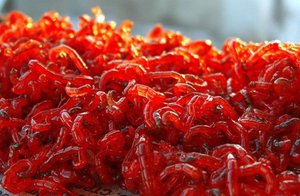
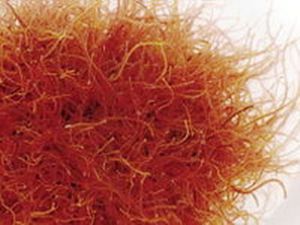 Mosquito larvae They live in the silt and bottom sediments of slow-moving rivers, as well as in stagnant lakes and ponds. They feed on dead organic matter. There are two types of bloodworms—large and small—that are derived from different types of mosquitoes.
Bloodworms contain 60% natural protein, making them considered the most nutritious and beneficial food for fish. Many experts and experienced aquarists have found that bloodworm-fed aquarium inhabitants thrive, are more active, and are healthier.
You just need to know a few Features of choosing bloodworms for fishGood-quality, fresh bloodworms should be bright red and glossy. If the bloodworms are light orange or pink, they are immature. They contain little hemoglobin, making them slow-moving and poorly nutritious, with a short shelf life. Bloodworms are often too dark in color, indicating they are too old and should not be used as food. Such food will only harm the fish, as they can become poisoned by the stale food.
When buying bloodworms, you should look not only at their color, but also on the mobility of the food. Fresh bloodworms immediately begin to curl into rings when exposed to external influences. After purchasing, they should be rinsed several times under running water. Then, wrap them in a wet cloth and place them in a sealed container in the refrigerator. It is recommended to rinse them twice a day after removing them from the refrigerator.
Among the worms Tubifex are very popularIts habitat is polluted bodies of water and sewage ditches. They are most often found where sewage discharges. They are very similar to bloodworms and feed on dead organic matter. Tubifex contains a large amount of protein and fat. It is ideal for the smallest fish with small stomachs. Despite its size, it is highly nutritious and has beneficial properties, which is very important during the growth period of aquarium inhabitants.
Experts recommend fortifying bloodworms with vitamins. To do this, soak them in a solution containing vitamins A, E, and B1. Per 100 grams of bloodworms, you'll need 250 mg of vitamins.
It is believed that despite its nutritional and valuable properties Tubifex worms are among the most dangerous live food. They can contain many toxic substances, parasites, and viruses harmful to fish. It's best to feed this species sparingly due to its high fat content.
Fresh and a healthy tubifex has a light pink color They are active in water. When exposed to external influences, the ball quickly curls up. It's best to store Tubifex worms in the refrigerator in a sealed container filled with water. The water shouldn't completely cover them, only partially. It's recommended to rinse them under running water twice a day, removing any dead worms. Tubifex worms should also be kept in clean water for at least 5-7 days to allow their intestines to clear before feeding them to fish.
Pros and cons of live food
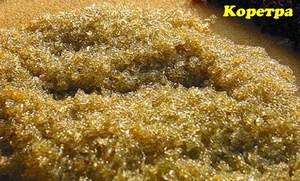 Many years ago there was no dry food for aquarium fish, which are now readily available in specialized stores. Live food was the only way to feed aquarium inhabitants. It has its pros and cons:
- a huge number of natural elements;
- attractiveness to fish;
- decomposes slowly and has almost no effect on the composition of water,
There are also some negative points that should be mentioned in order to be aware and more informed on this issue;
- they are more expensive than artificial food;
- are carriers of diseases;
- limited shelf life;
- inconvenient storage.
Specialists recommended for use as a feed for aquarium fish Artificial and live food. Feeding your fish both types of food will result in a healthier and safer diet. The food will be nutritious and balanced, helping prevent illness and obesity in your aquarium inhabitants.
Choice of food should also depend on the type of inhabitants, as they can be predatory, omnivorous, or herbivorous. Food selection should be based on this. Consider the fish's age, structure, and development. After feeding, monitor their behavior and offer them different food options. Choosing food for your fish should always be taken seriously. Food is an essential aspect of their healthy development and continued survival.