Endogenous interleukin is an important substance produced by lymphocytes to maintain immunity and prevent the development of various diseases. If this component is deficient in an animal's blood, any pathogenic microorganism can cause serious complications. Pets are particularly susceptible. Roncoleukin for cats is used to replenish interleukin deficiency. Before use, it is recommended to familiarize yourself with the indications, contraindications, and possible side effects.
Composition and release form
This medication is produced by the Russian pharmaceutical company Biotech. Its active ingredient is interleukin-2, which is responsible for its therapeutic effect. Additional ingredients include:
- sodium lauryl sulfate or surfactant;
- ammonium carbonate;
- dithiothreitol as an antioxidant;
- mannitol or water-soluble alcohol;
- water for injection.
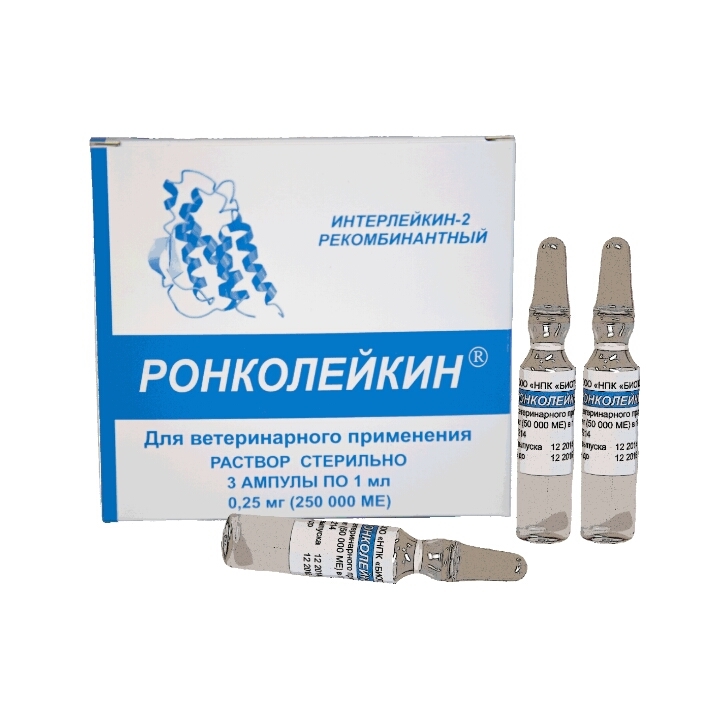
The medication is available as a solution for intravenous or subcutaneous administration in 1 ml ampoules, each containing 250,000 or 500,000 IU of the active ingredient. A cardboard package may contain three ampoules. A special knife for cutting the ampoule is almost always included, making it easier to open. The medication is also available in pharmacies in a 10 ml clear glass bottle. The international name of the medication is recombinant yeast interleukin-2.
Prescription of the drug
The product is used to stimulate the animal's immune system by increasing the production of interleukin by lymphocytes, namely T-helper cells.Due to its unique properties and ability to rapidly bind to cellular receptors of various antigens, the drug is widely used in veterinary medicine. It is typically prescribed for the following conditions:
- acute blood poisoning with dangerous microorganisms, causing suppression of the pet's immune system;
- deterioration of the general condition of the animal after an injury accompanied by damage to soft tissues;
- extensive wounds after injury with signs of infection;
- skin diseases: dermatitis, eczema, ulcers caused by impaired tissue nutrition;
- diseases of the digestive system;
- problems with the reproductive system in cats;
- burns from exposure to high temperatures or chemicals;
- osteomyelitis is an infectious lesion of the bones, characterized by their gradual destruction;
- severe damage to the bronchi or lungs;
- inflammation of the abdominal cavity as a result of a rupture of the stomach or intestines;
- diseases of the pancreas, accompanied by necrosis of part of the organ;
- tuberculosis of the lungs;
- diseases caused by viruses, fungi or bacteria;
- cancer diseases in the early stages.
Roncoleukin can be used as a general tonic for animals that frequently suffer from respiratory diseases.
Contraindications
Despite its unique therapeutic properties, the medication has contraindications. The main ones are as follows:
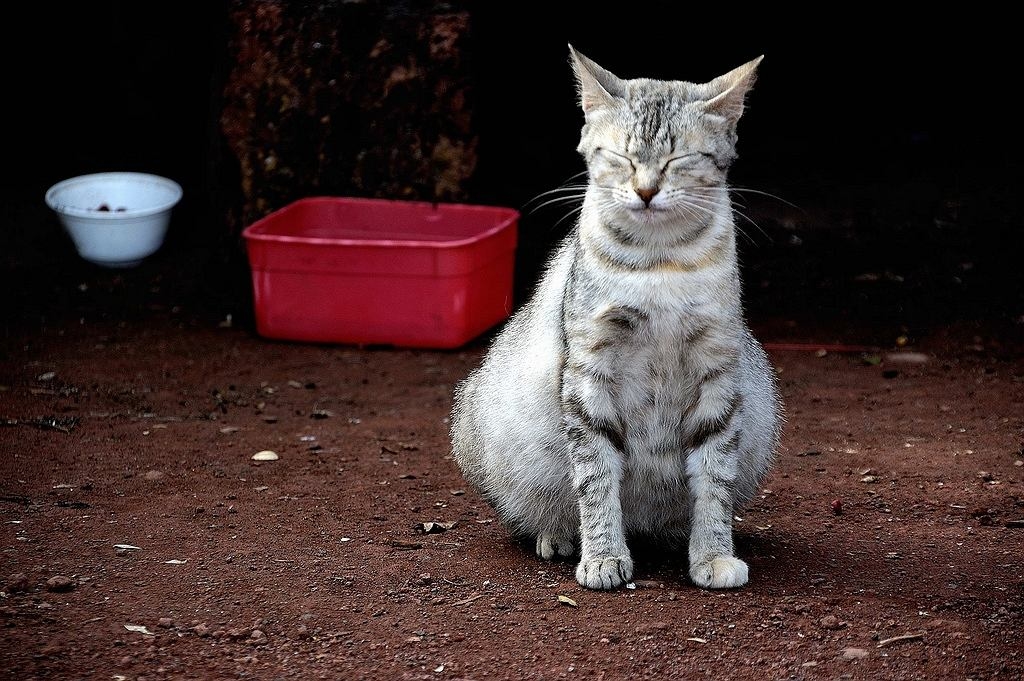
- the period of gestation in a cat;
- intolerance to the components of the medication;
- autoimmune diseases;
- advanced stage kidney cancer;
- acute vascular crisis or heart failure;
- severe pulmonary insufficiency;
- the period of treatment of the pet with products containing hormonal substances and glucose;
- infectious or cancerous diseases of the brain.
The drug should be used with extreme caution in treating cats with severe liver disease. Experts note that some pets experience no visible therapeutic effect when using the medication. This is due to individual characteristics.
Instructions for use
Depending on the intended use of the medication, its administration methods vary. The medication can be administered subcutaneously or intravenously, given to the pet as a drink, administered as nasal drops, or applied topically. Injection is recommended in the following cases:
- For infectious diseases, pets are given 1 to 5 injections at intervals of 1 to 3 days, depending on the severity of the condition. The therapeutic effect is independent of the route of administration. A single dose is 5,000 IU per kilogram of body weight.
- If a tumor is detected in an internal organ, 5 injections are prescribed, spaced 2-3 days apart. The course is repeated monthly until the condition improves. The dosage is 10,000 IU per 1 kg of body weight.
- One subcutaneous injection is permitted two days before the scheduled vaccination. The dose is 5,000 IU per kilogram.
- To stimulate the immune system, two injections are administered, separated by two days. It is recommended to repeat the course at least twice a year. A single dose is 5,000 IU per 1 kg.
- For abdominal, urinary, or respiratory diseases, cats are given 2 to 5 injections at 3-day intervals. The dosage depends on the severity of the condition.
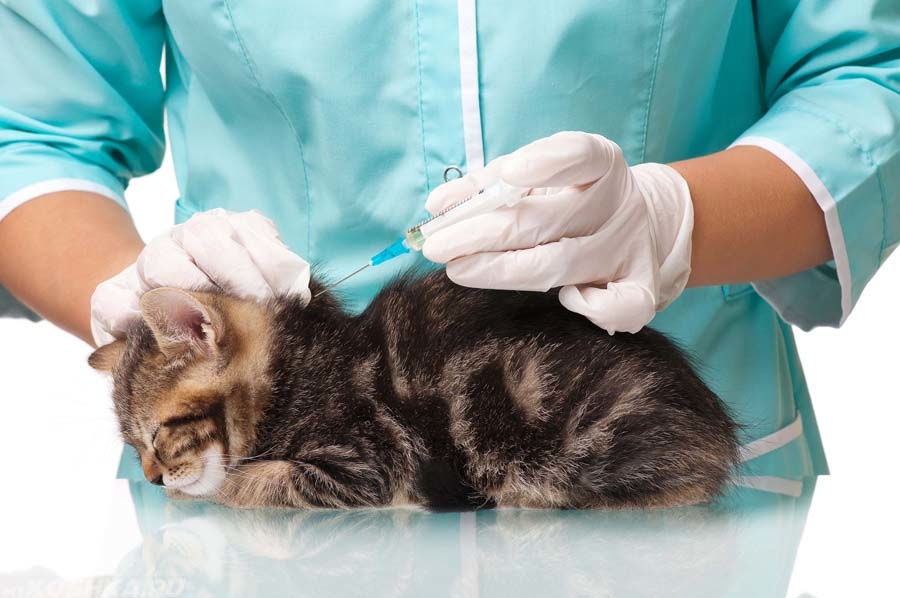
Any cat owner can administer a subcutaneous injection. The medication must be diluted with 0.9% saline solution at a rate of 2 ml per ampoule. Then, draw the medication into a syringe with a thin needle, pinch a fold of skin near the animal's withers, insert the needle 10-15 mm deep, and infuse slowly. Intravenous administration should only be performed by a veterinarian in a specialized clinic.
It is better to check the dosage with a specialist, as it may differ for different diseases.
Nasal sinus drops are recommended for respiratory infections and as a preventative measure. To do this, dilute 1 ml of the product in 5 ml of 0.9% saline solution and carefully instill 2–3 drops into each nostril. Repeat up to 5 times daily. You can use a dropper or a regular small syringe.
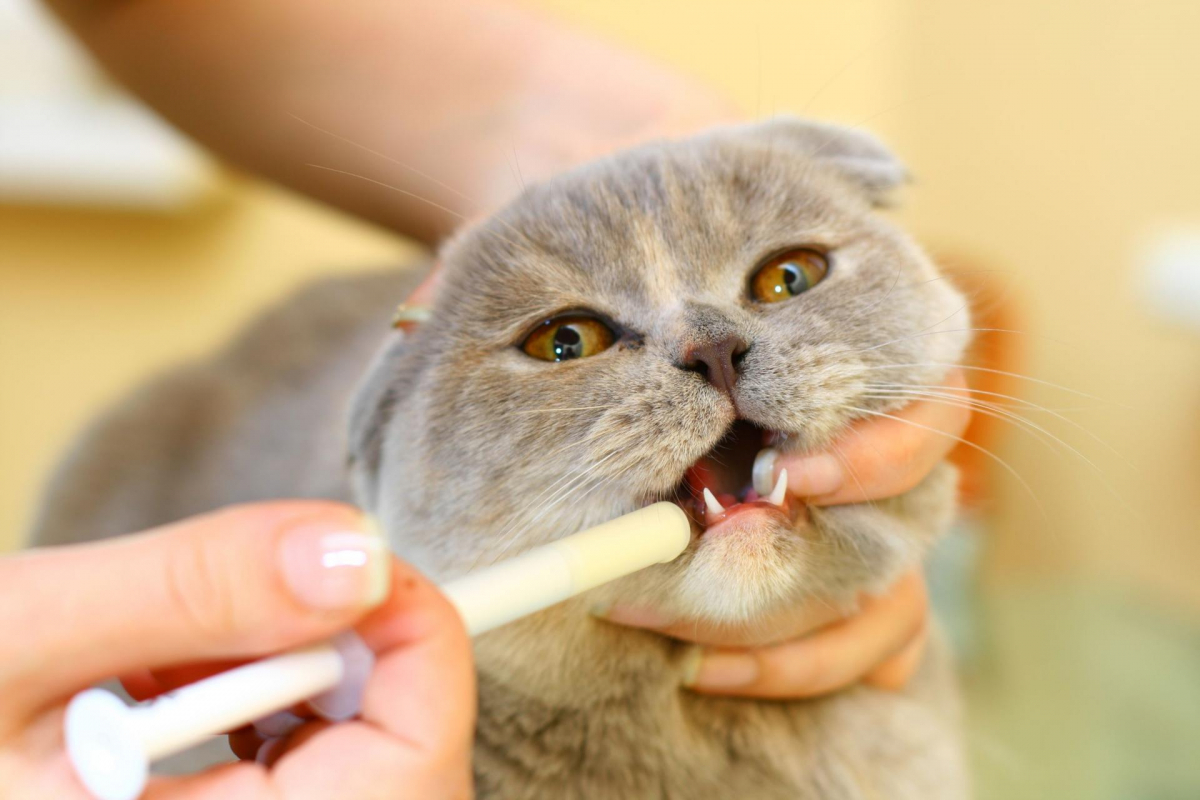
Feeding a cat with nasal drops is used as an alternative to nasal drops to prevent illness or boost immunity. To do this, dilute an ampoule of the solution in 10 ml of 0.9% sodium chloride, immobilize the animal's head, and pour the solution under the tongue. One dose is usually sufficient; sometimes, the procedure can be repeated the following day.
Topical use is indicated for infected wounds, burns, and other injuries. A single irrigation of the affected area with a pre-diluted solution is sufficient. For every 1 ml of Roncoleukin, use at least 10 ml of 0.9% sodium chloride. After dilution, gently apply the solution to the wound using a syringe without a needle and allow it to dry for a while. A bandage is often required, but this should be prescribed by a veterinarian.
If there is no therapeutic effect, a specialist consultation is essential. Long-term use of Roncoleukin on your own is strictly contraindicated.
Possible side effects
Failure to follow the instructions for use may result in serious complications. Sometimes, an acute allergic reaction may develop, with the cat choking, tears welling up in the eyes, and mucus and profuse nasal discharge.
Without prompt assistance, fever, increased heart rate, weakness, loss of appetite, thirst, and dry mouth may occur. The appearance of such symptoms requires immediate medical attention.
Roncoleukin is a versatile medication used to treat a wide range of diseases in cats. When used correctly and following a specialist's recommendations, it produces good therapeutic results, alleviates the disease, and promotes recovery.