Ipakitine is a medication used in veterinary medicine for the treatment and prevention of urinary tract infections in cats. This antibacterial drug is quite effective and safe for pets, but its use without a doctor's prescription is not recommended.
Composition and release form
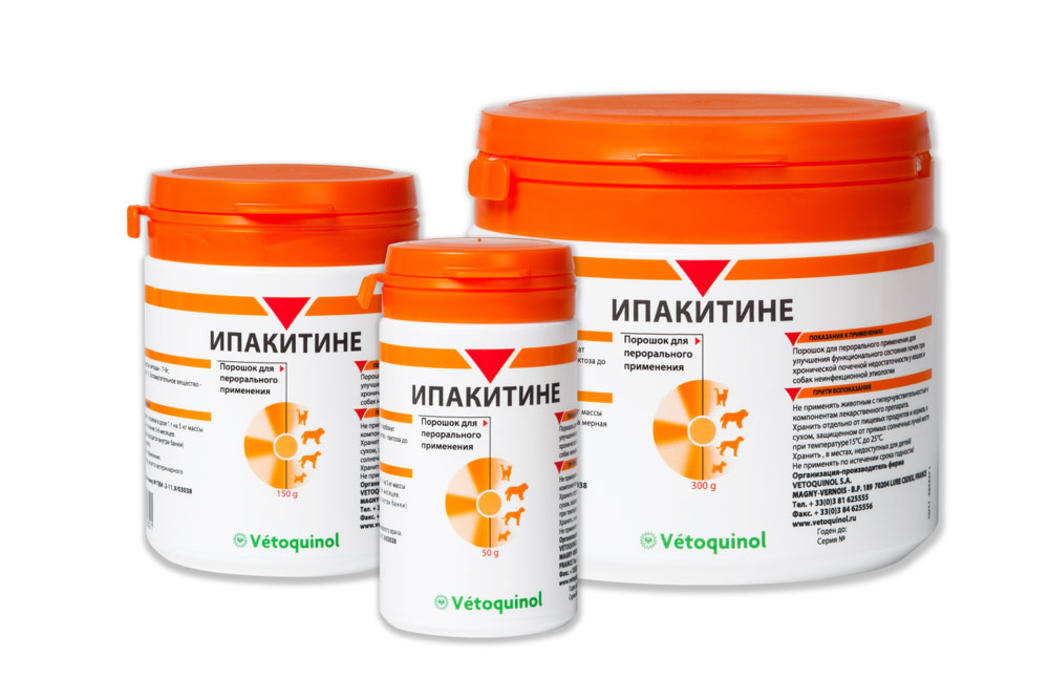
Ipakitine for cats is produced by the French company Vetoquinol SA as a creamy powder packaged in plastic jars of various capacities (50, 60, 150, 180, and 300 g). The package includes instructions for use and a measuring spoon holding 1 g of the product. It has no distinctive aroma or taste.
Ipakitine contains 2 active components:
- Chitosan. This substance is obtained from crayfish shells. It acts for approximately 8 hours, lowering cholesterol and creatinine levels and increasing hemoglobin levels. Chitosan is not absorbed by the animal's body but is completely excreted in the feces.
- Calcium carbonate. The substance stabilizes and restores the correct metabolism of phosphorus and calcium in the animal’s body.
Lactose is used as an excipient. All components are natural – the product is safe for animals.
Prescription of the drug
Indications for use: chronic renal failure and prevention of possible complications associated with dysfunction of this organ.
Ipakitine does not cure the disease completely, but only helps improve kidney function.
Veterinarians recommend giving this medication for preventative purposes to cats prone to kidney disease.
Contraindications and side effects
Ipakitine There are no contraindications for cats, as it contains only natural substances. An exception is individual intolerance to the drug's components. In this case, the veterinarian may decide to reduce the dosage rather than discontinue the medication completely.
There are no side effects observed with Ipakitine in cats. Occasionally, nausea and vomiting may occur at the beginning of treatment, but these symptoms resolve spontaneously and fairly quickly.
Some cats are lactose intolerant and may have an allergic reaction to the medication. If you notice symptoms such as diarrhea, bloating, and general malaise in your animal, you should stop giving it the medication and take it to a veterinary clinic.
Instructions for use
Ipakitine is administered orally (through the mouth with food). Veterinarians typically recommend giving it to cats twice a day, at the same time each morning and evening.
The dosage and duration of treatment are determined on an individual basis after an examination and necessary tests, depending on the severity of the disease and other factors. Veterinarians most often recommend taking Ipakitine for 3-6 months, but in some cases, longer treatment with this drug and repeating the course after a certain period of time are required.
It is necessary to ensure that your pet always has free access to a bowl of filtered water at room temperature, as the cat's need for fluids increases.
There are several ways to take this medicine:
- Adding to wet food. In this case, it is advisable to warm up the dish, pour the required amount of powder into it, mix the mixture thoroughly, and give it to the cat.
- Mixing with dry food. The owner will need to dissolve the medicine in warm water in advance, mix the mixture thoroughly and pour it into a bowl filled with food granules.
- Diluting the powder in water. This method is used if the cat is severely weakened and has lost its appetite. The medication should be diluted in warm water (50°C) and given to the pet.
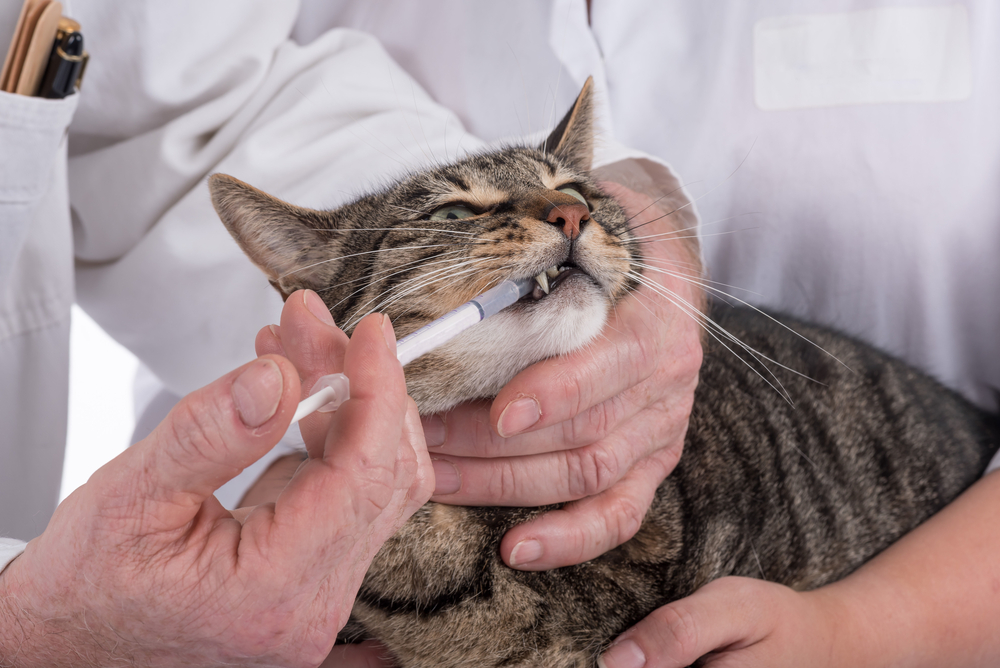
Since Ipakitine does not have a specific aroma or taste that repels cats, there are no problems with its use. But if the pet is weak and unable to take the medication on its own, then after dissolving the powder in water, the owner will have to resort to the following procedures:
- Draw the resulting liquid into a syringe and remove the needle.
- Take the animal in your arms, calm it down and carefully open its mouth.
- Place the liquid on the root of the tongue or behind the pet's cheek so that it cannot spit it out.
Ipakitine can be combined with other medications, as it neither weakens nor enhances their effects. However, before administering this medication to a pet undergoing other treatments, consult a veterinarian. Stop using it on your own and adjusting the dosage without the veterinarian's knowledge is highly undesirable.
Analogues
If desired, this medication can be replaced with drugs that have a similar effect on the pet's body.
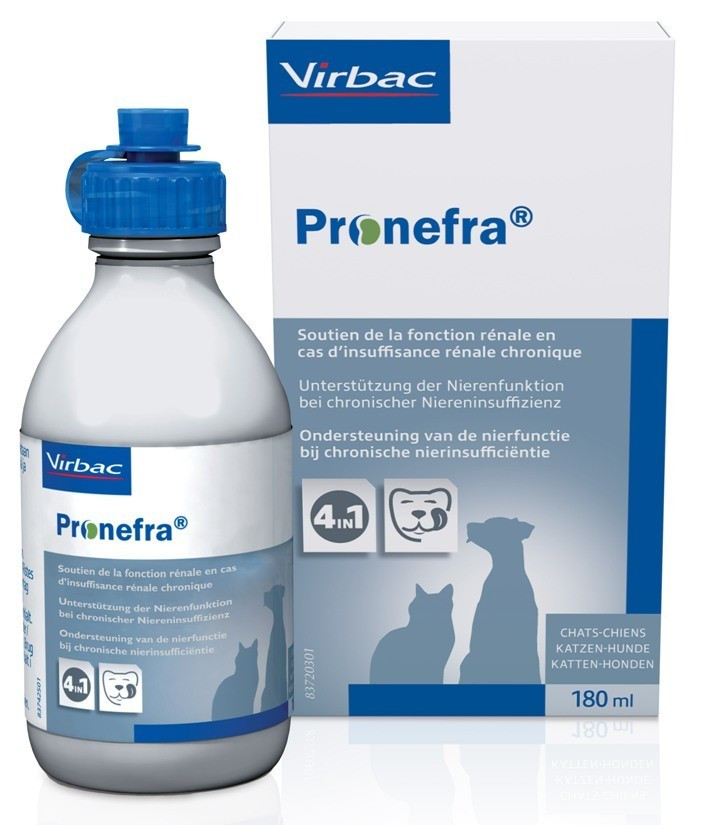
Pronefra is available as a suspension. Its composition is virtually identical to Ipakitine, but in addition to the two active ingredients, it contains polysaccharides and oligopeptides, which help maintain normal kidney structure.
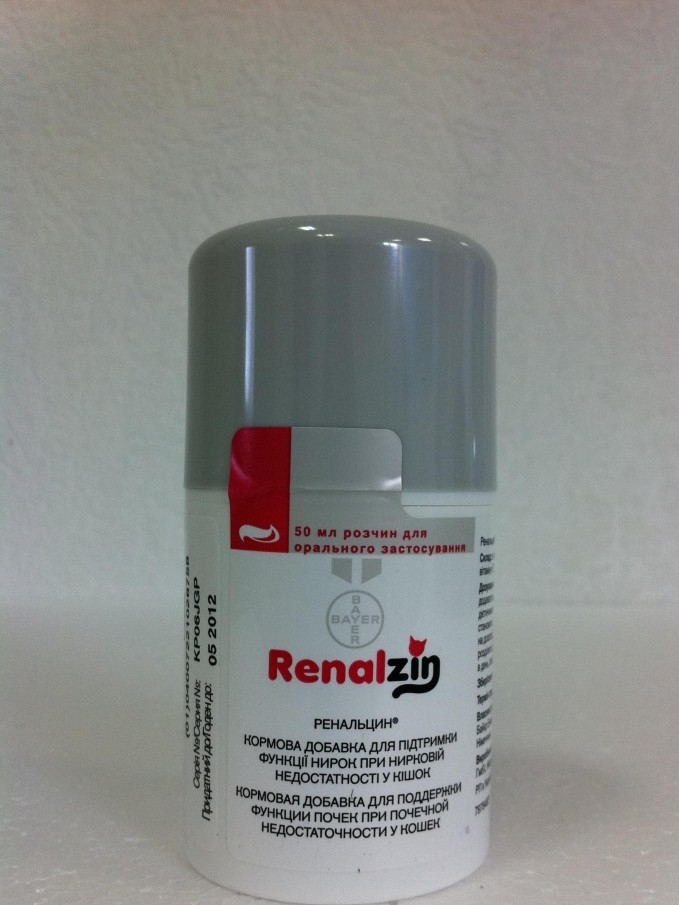
Renalcin is available as a liquid with a dispenser. It contains lantharenol, which binds phosphorus in the gastrointestinal tract, and kaolin, which removes toxins that accumulate in the pet's body due to kidney failure.
Ipakitine for cats is an effective medication with virtually no contraindications or side effects. It helps improve the condition of pets with chronic renal failure without overloading the cat's body. It can also be prescribed by a specialist for preventative purposes in animals prone to this condition.