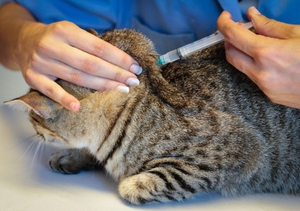
Enroxil is a broad-spectrum antibiotic used to treat infectious diseases in cats. It is prescribed by a veterinarian; self-administration is not recommended, as the drug has several limitations and can cause side effects. If these occur, contact your veterinarian immediately and discontinue the medication.
Release form and composition
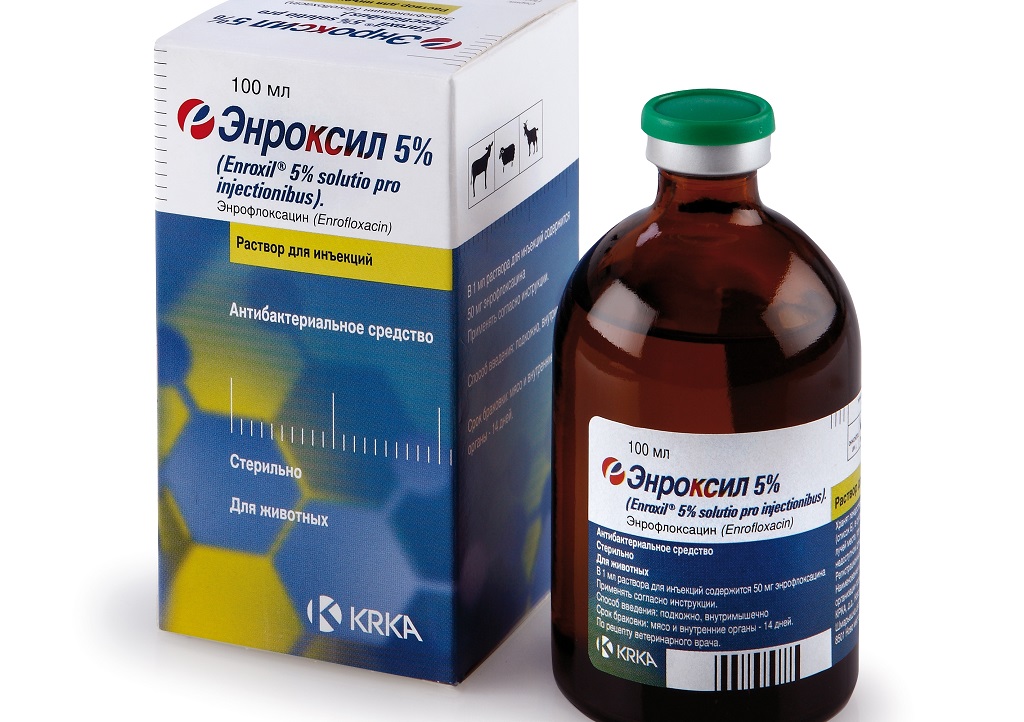
Enroxil's active ingredient is enrofloxacin. It belongs to the fluoroquinolone class of medications. It is available in various forms and dosages, but tablets and a 5% injection solution are suitable for treating cats:
- Pills. Light brown in color with lighter or darker flecks. They have a meaty flavor and aroma, making them a favorite snack for cats. They come in different dosages—15 and 50 mg—and are packaged with 10 tablets per blister. Each pack contains either 1 or 10 blisters.
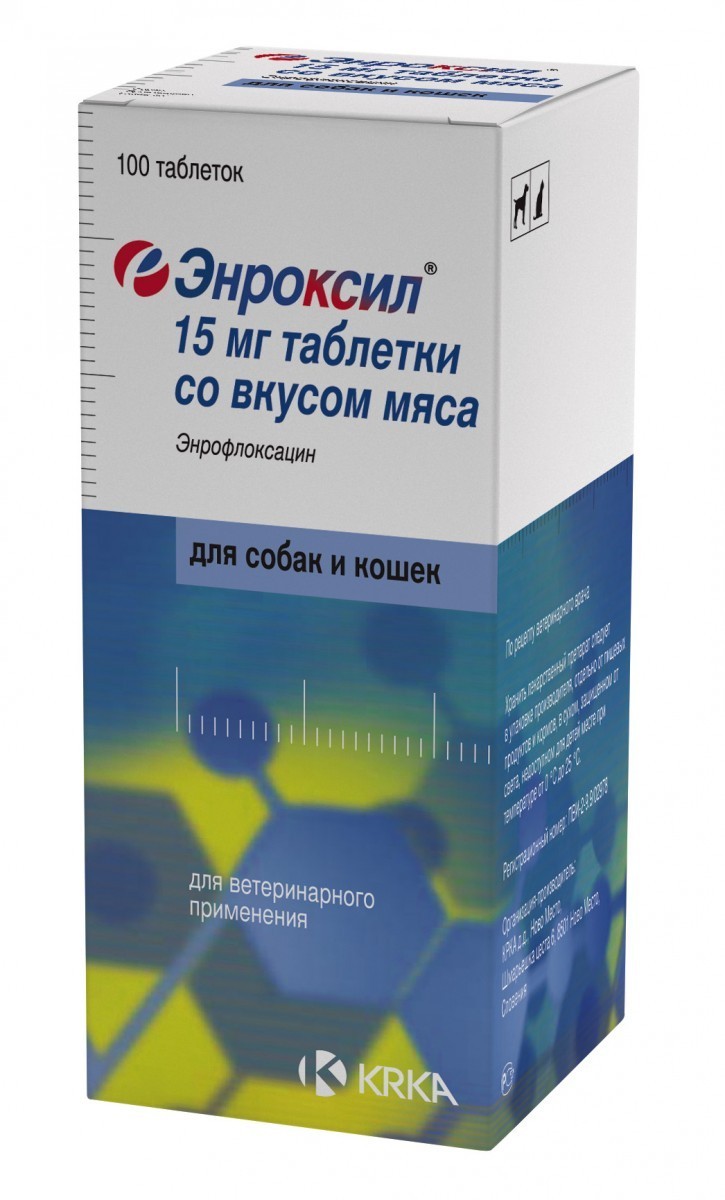
- Solution for injection. It is produced as a clear liquid with a light yellow tint. It is available in pharmacies in various sizes—2, 5, 10, 20, 50, and 100 ml—in glass or polymer bottles sealed with rubber stoppers and aluminum caps.
The tablets contain the following excipients:
- mannitol;
- corn starch;
- meat flavoring;
- colloidal silicon dioxide;
- talc;
- magnesium stearate, etc.
In the injection solution, additional substances include:
- butanol;
- potassium hydroxide;
- distilled water.
In what cases is it prescribed?
The drug Enroxil is prescribed to cats for diseases caused by bacteria (staphylococci, streptococci, salmonella, etc.), opportunistic bacteria (Klebsiella) and mycoplasmas:
- respiratory infections (enzootic or bacterial pneumonia, atrophic rhinitis);
- gastrointestinal infections (salmonellosis, colibacillosis);
- genitourinary infections (cystitis, pyelonephritis);
- soft tissue infections;
- otitis;
- infected wounds.
Veterinarians may prescribe a medication to prevent ear and skin infections in cats.
Injections are prescribed for progressive infections of the respiratory, gastrointestinal and genitourinary systems when a rapid effect is needed or the absorption capacity of the intestine is impaired.
Directions for use
The dosage of the drug depends on the cat’s weight:
| Weight cats | Dosage |
| No more than 3 kg | 1 tablet of 15 mg |
| 3-5 kg | 1 tablet of 25 mg (or half a tablet of 50 mg) |
| 5-10 kg | 1 tablet of 50 mg |
The medication is administered 1-2 times daily, depending on the veterinarian's instructions, after meals or between meals. Skipping doses is not recommended, as this will reduce the therapeutic effect. If a dose is missed, resume administration as prescribed. The course of treatment is 1-2 weeks, depending on the severity of the condition.
The drug has the taste and smell of meat, so in most cases the animal eats the tablet on its own.If he refuses, you can crush it and add it to his food (preferably liquid).
The second option is to crush the tablet and mix it with a small amount of boiled water. Draw the resulting solution into a syringe without a needle and, while holding the cat and its jaw, inject the medication.
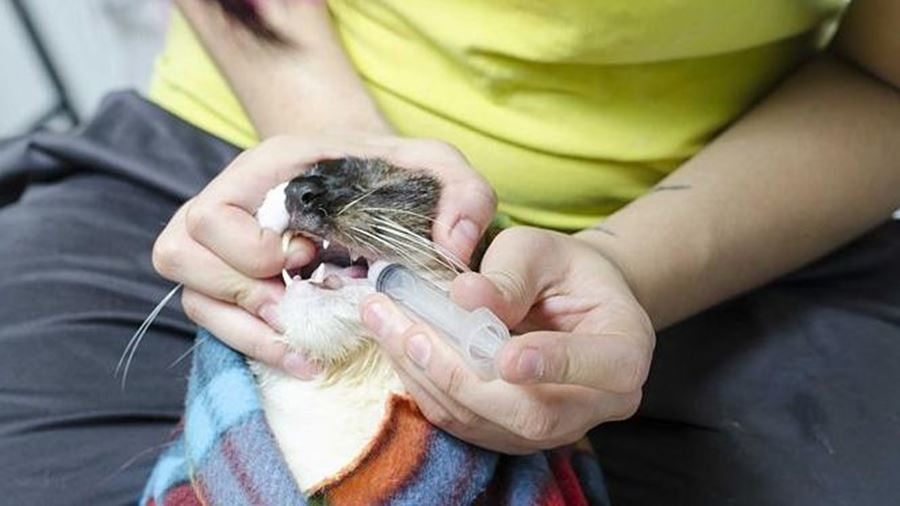
Veterinary pharmacies also sell a special syringe with an applicator. To administer the pill, secure the animal, open its jaw, and press down on the syringe. Be sure to ensure the cat swallows the medication.
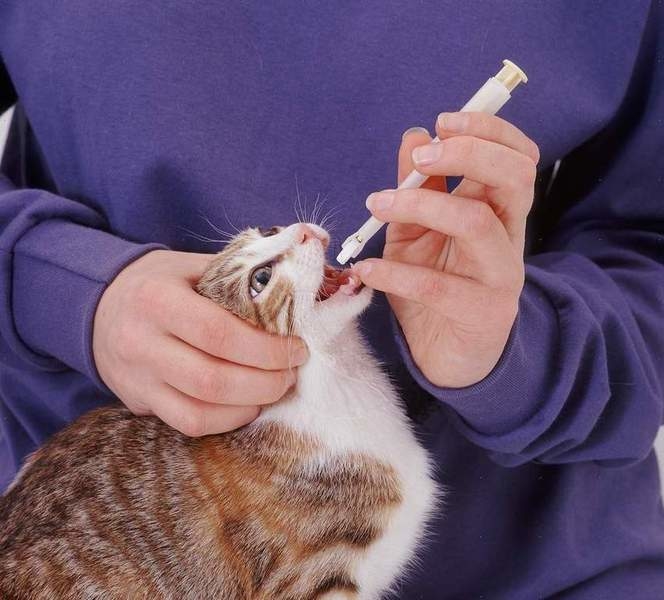
After administration, your cat may experience profuse salivation (foaming at the mouth). This is a normal reaction to the medication coming into contact with the tongue. This will resolve on its own within 5-10 minutes.
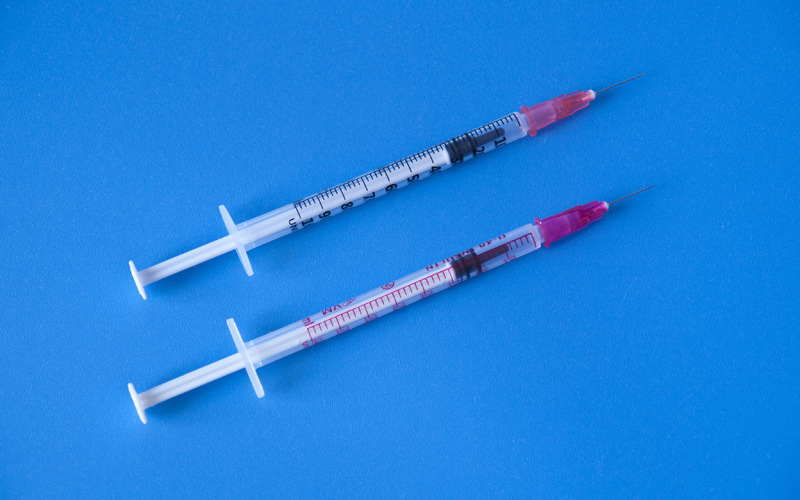
A 5% solution is administered subcutaneously to cats at a dose of 1 ml per 10 kg of body weight once daily for 5-10 days. It is recommended that injections be administered at a veterinary clinic, but if you have the necessary training, you can administer them yourself using disposable syringes with a short needle and gloves.
Side effects
When used according to the instructions, adverse effects and complications in cats are rare. These may include:
- vomit;
- frequent bowel movements, with soft stools.
These symptoms do not require treatment and resolve on their own. However, if an allergic reaction occurs, discontinue Enroxil and consult a veterinarian for an antihistamine.
The medication may negatively impact intestinal health. Therefore, it is recommended to introduce probiotics into the animal's diet as a special supplement after completing the course of treatment.
In case of drug overdose the following is observed:
- lack of appetite;
- vomiting and diarrhea;
- cyanosis of the mucous membranes;
- nervous disorder and depressed state.
Contraindications
Enroxil is not prescribed in the following cases:
- Diagnosis of cartilage tissue diseases.
- A disorder of the central nervous system that causes seizures.
- Individual sensitivity of cats to the fluoroquinolone group.
- Kittens under 2 months of age. This is due to the active ingredient's negative impact on cartilage tissue during the period of active growth.
- During pregnancy and lactation, since antibiotics can be harmful to kittens when they enter breast milk, the treatment is recommended. During this period, cats with the condition are prescribed safer medications.
- Renal and hepatic failure.
The drug is contraindicated for use with the following categories of drugs:
- Theophyllines.
- Tetracyclines.
- Macrolides.
- These contain iron, calcium, magnesium, and aluminum cations, which prevent the absorption of the active substance.
- Nonsteroidal anti-inflammatory drugs.
According to reviews from doctors and cat owners, Enroxil is effective and safe. However, you should not buy this medication over the counter without a doctor's prescription, as only a veterinarian can determine whether Enroxil is necessary in a particular case.