 The vibrant colors and cheerful nature of budgerigars have long won the hearts of ordinary people. They are easy to care for, and interaction with these charming birds brings joy to both adults and children. This, coupled with their low price, makes them the most popular feathered pets.
There are very many of them easy not only to maintain, but also to breed: in comfortable conditions, these birds breed well, bringing joy to the house where they live.
A distinctive feature of budgerigars is High intelligence and excellent sound imitation abilities. According to some studies, the intelligence level of these parrots is approximately equal to that of a dog. This means they are able to remember their owners and objects, connect events, and establish basic cause-and-effect relationships, making training them simple and engaging.
Parrots are very sociable, they easily find a common language with people, and with other pets, this happens much faster if the birds interact with their housemates from a young age. Teaching a budgie to talk is quite simple, especially if it lives alone, without a partner. After all, parrots are flock birds, and when alone, they perceive humans as companions.
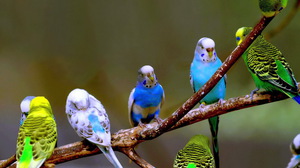 These birds are very quickly adopt repetitive sounds: a doorbell, a phone ringtone, a baby's cry, and even words of human speech. In the vast majority of cases, parrots repeat words mindlessly, choosing the word that sounds best to them. Very rarely are there instances where their conversations show any logic or relevance to the situation.
When buying a new pet, people are always interested in questions:
- how to care for it;
- what does he eat;
- its life expectancy at home.
The answers to these questions help you choose the most suitable animal or bird as a companion. And very often, a parrot becomes a life partner for both adults and children.
How long do budgies live in captivity?
The domestication of budgerigars occurred in the 19th century.Native to Australia, they prefer a warm climate, free from drafts, and dry air. All these conditions are easy to create at home.
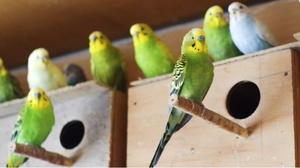 In the natural environment, budgies they live a relatively short life: about five yearsThis short lifespan is due to a variety of factors: predator attacks, human intervention that alters their habitat, disease, food shortages, and so on. In captivity, however, budgies have a significantly longer lifespan. So, how long do budgies live in captivity? The average lifespan is 13–15 years, which is quite long for small birds. There are known long-lived budgies, some of whom have reached 21–22 years of age. The goal of a pet owner is to create the most comfortable living conditions for their bird, and then it will be with them for many years to come.
A number of conditions greatly influence the increase in lifespan of budgies.
- Food. Some professional breeders prefer to mix seeds of various crops themselves in strict proportions, believing this method to be the only reliable method. However, for those who keep budgies as pets, a wide selection of ready-made seed mixes tailored to the bird's needs are available. These foods are often supplemented with minerals and vitamins, are completely ready to use, and greatly simplify care. However, even the highest-quality mix cannot fully satisfy a bird's needs. Daily consumption of vegetables, fruits, minerals, and chalk in addition to the main diet will help keep your budgie strong and healthy. You can periodically treat your bird with special treats containing honey and egg. These are not only healthy but also help add variety to the diet.
- Water. The water in the water bowl should be changed at least once a day; otherwise, it becomes stagnant and a slippery coating forms on the walls of the bowl, which can negatively impact the budgerigar's health. It is not recommended to give tap water to your bird, as it contains harmful impurities. Boiled water, on the other hand, lacks essential nutrients. Filtered or melted water at room temperature is ideal for your budgerigar.
 The cage should be spacious. The minimum distance from the tips of the budgerigar's outstretched wings to the walls of its home is 15–20 cm. There should be no objects inside that could injure the bird. If the parrot lives alone, a mirror and a play area with a bell and swing are essential. These measures will help the bird enjoy its time away from the owner. The cage should be located away from drafts or radiators. Dry air is harmful to budgerigars, as is cold. It's best to place the cage against a wall to ensure the bird feels safe. Another rule is good daylight and adequate shade at night. Covering the cage with an opaque cloth at night is acceptable to protect the bird from irritants and stress. Budgerigars do not tolerate disruptions to their daily routine well. The cage should always be kept in the same location. Frequent movement can be very stressful for a budgerigar.
- Safety. Needless to say, your parrot should always be kept out of reach of cats, dogs, and other animals that could cause harm.
- Regular walks. Budgerigars are very active birds, and flight is vital for them. Therefore, it's best to let them out of their cage daily. Physical exercise is beneficial for their health, strengthening their muscles and helping boost their immunity.
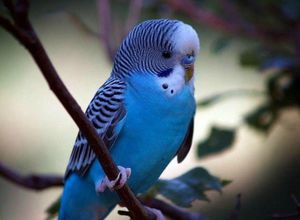 The cage should be spacious. The minimum distance from the tips of the budgerigar's outstretched wings to the walls of its home is 15–20 cm. There should be no objects inside that could injure the bird. If the parrot lives alone, a mirror and a play area with a bell and swing are essential. These measures will help the bird enjoy its time away from the owner. The cage should be located away from drafts or radiators. Dry air is harmful to budgerigars, as is cold. It's best to place the cage against a wall to ensure the bird feels safe. Another rule is good daylight and adequate shade at night. Covering the cage with an opaque cloth at night is acceptable to protect the bird from irritants and stress. Budgerigars do not tolerate disruptions to their daily routine well. The cage should always be kept in the same location. Frequent movement can be very stressful for a budgerigar.
Best friend for many years
Choosing a Pet Friend for yourself or your childPeople want their budgies to stay by their side for years to come, to be healthy, happy, and a joy to be around. When wondering how long budgies live in captivity, it's important to remember that this lifespan largely depends on their owners. Following proper care is the key to a long and happy life for your budgie.
Surrounded by love and care, this a wonderful representative of birds A parrot can easily live to be 20 years old or even older. People often forget that it's not enough to care for a bird or any other pet; they need to be loved. Therefore, buying a new friend shouldn't be a spontaneous act. It's better if it's a well-considered decision. The cheerful chirping and chatter of parrots can bring joy to any home, and caring for them will be a pleasant change from the daily routine. The simple process of taming a parrot is easy even for a child, giving happiness and extraordinary memories that will last a lifetime.