Every year, hundreds of insect species attack gardens and orchards. Although the soldier bug is not a common or voracious pest, the uncontrolled proliferation of its colonies deprives gardeners of part of their harvest.
Content
The soldier bug: appearance and diet
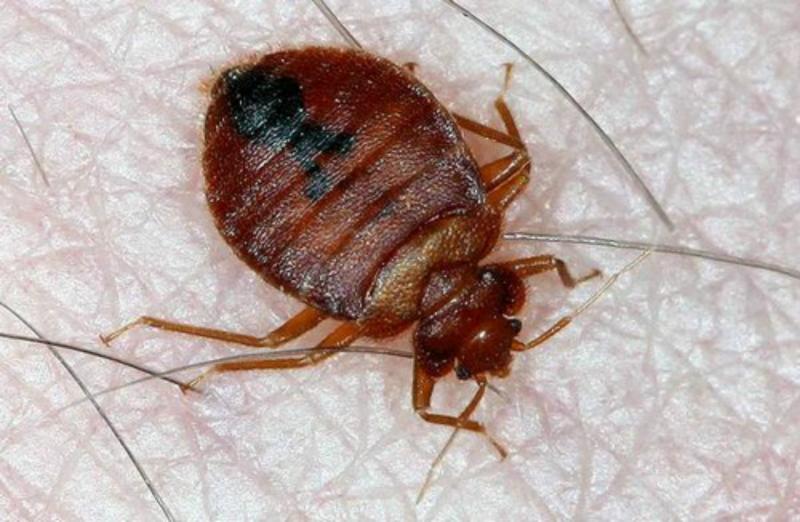
The red bug is one of the most vibrantly colored insects in our latitudes. Its colonies, numbering from 500 to 20,000 individuals, are impressive.
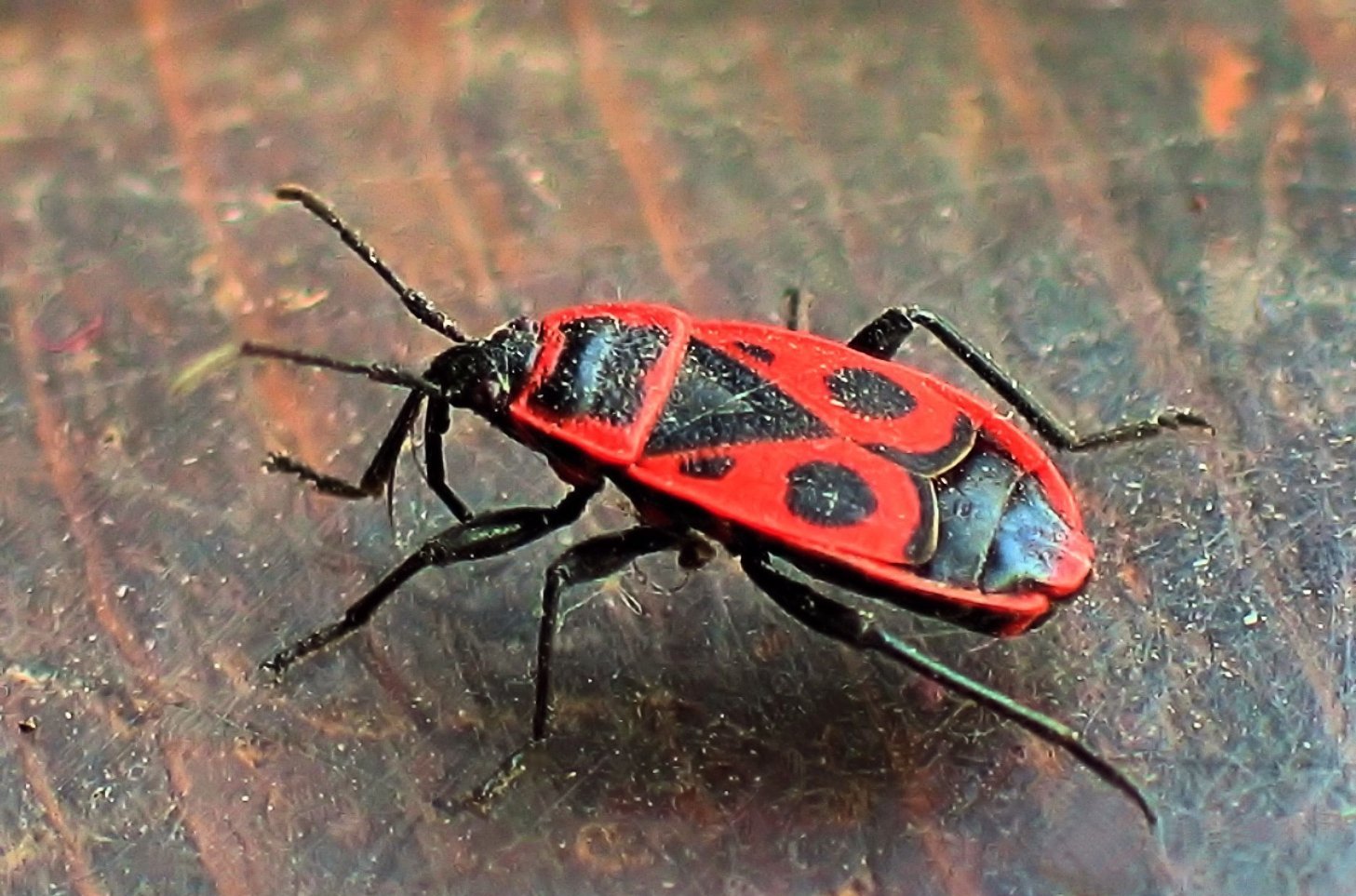
The body of the soldier bug is flat, even flattened.
Its main food is plant sap, berries, fruits, and vegetables. In gardens, it damages plant tops. An attack by a large colony of pests can result in the loss of a planned harvest in just a month. Distinguishing the soldier bug from other species is easy: it has a red body with a characteristic pattern of two dots and black triangles and concave diamonds on its back. Young insects are usually reddish-orange, unspotted. Rarely, individuals with a bright yellow coloration are encountered.
Soldier bugs lack proper wings, are unable to fly, and prefer to bask in the sun.
Table: taxonomy of the soldier bug
| Taxonomy | Russian name |
| Type | Arthropods |
| Class | Insects |
| Squad | Hemiptera |
| Suborder | Shield-footed spiders |
| Family | Red bugs |
| Genus | Pyrrhocoris |
| View | The soldier bug |
The life cycle of soldier bugs
These insects live for over a year. They depend on the ambient temperature: in cold regions, one generation emerges during the summer, while in warm regions, two. Overwintering soldier bugs lay eggs in May. After passing through the larval stage, adult individuals of the first generation emerge by mid-June and reproduce again. In August, they enter a state of diapause—a slowing of metabolism—and set off in search of a place to hibernate. In September, having also passed through the larval stage, the second generation of adults emerges, capable of surviving the winter. They die in the spring or summer, especially the females, which awaken from hibernation earlier and cannot withstand the spring cold.
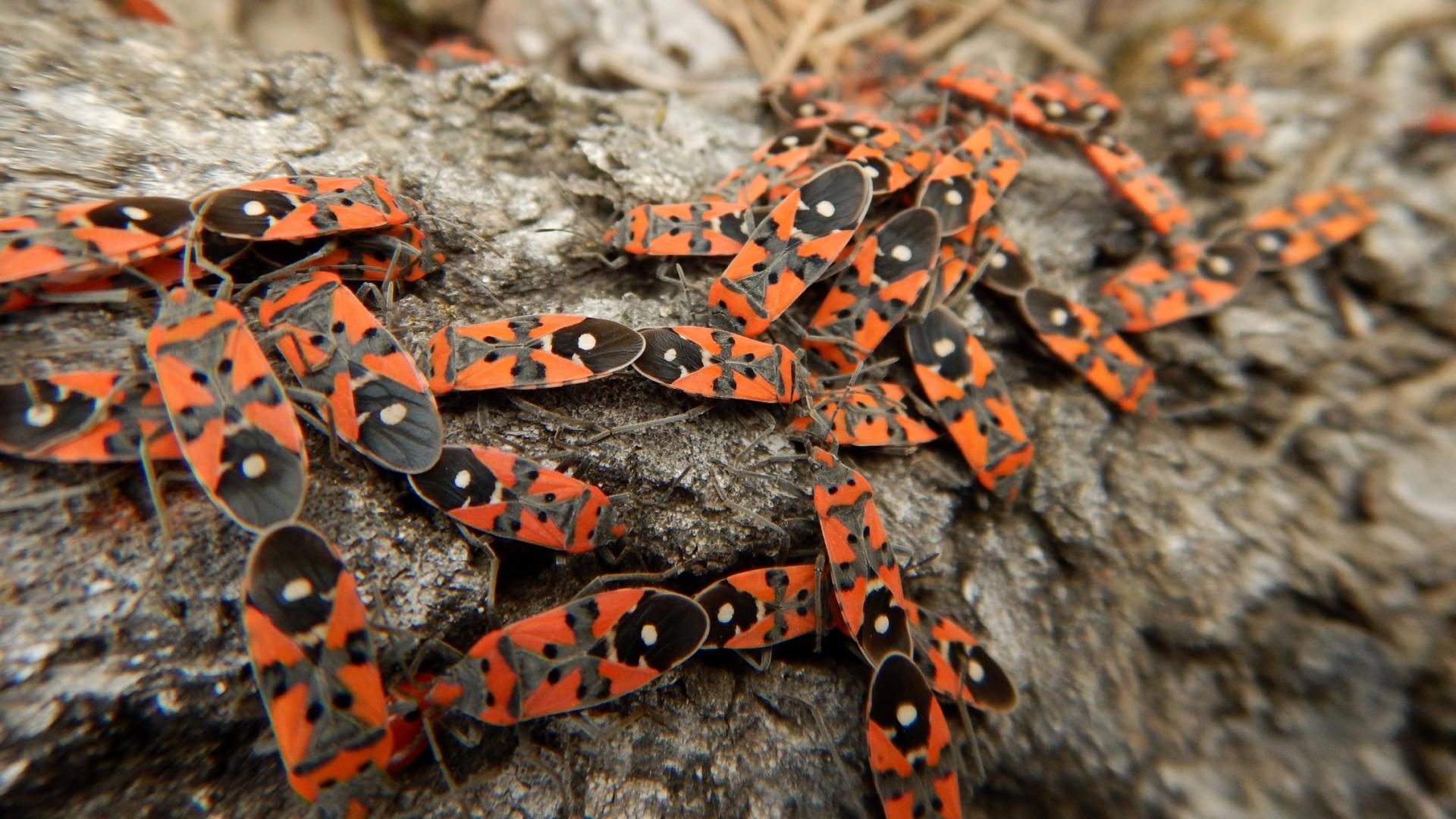
In warm climates, the soldier bug produces offspring twice a year in the summer.
It's easy to see how soldier bugs reproduce: the insects latch onto each other with their hindquarters and move like that for a while. The sperm cells end up in the female, who lays 20–30 eggs. The larvae mature within 10–12 days.
Video: Insect larvae
Where do pests live?
Pests settle in the areas of summer cottages:
- in piles of dry garbage, building materials and stones;
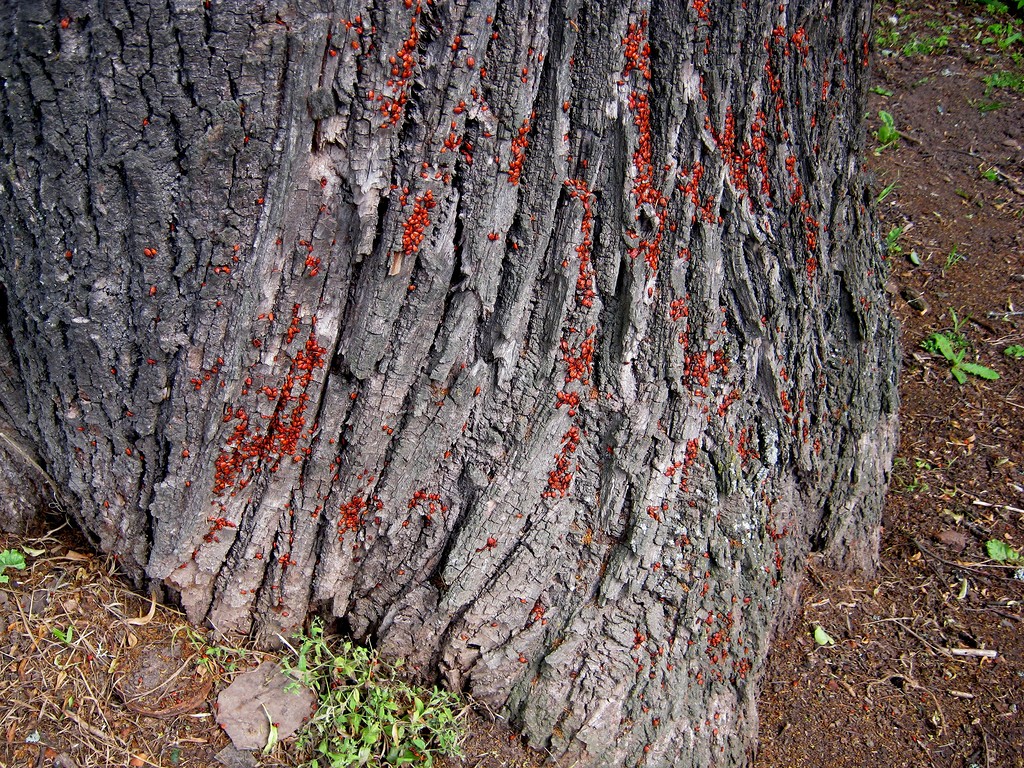
- on stumps, under the bark of living trees;
- in fences, near the foundations of houses and gazebos.
In winter they are most often found in hollows, wooden buildings, in piles of fallen leaves and humus.
Video: Where do soldier bugs live?
How to understand that pests have appeared in the garden or vegetable garden
Be wary if you notice obvious signs of insect presence:
- succulent plants and grasses dry up and die;
- carrot and beet tops lag behind in development and curl up;
- the unopened buds of roses and other flowers wither and fall off;
- in a matter of days, coriander and dill die;
- Clutches of pearl-colored eggs are found, as well as small insects similar to aphids.
Controlling non-flying pests that live in large colonies is relatively simple. You just need to find the location of the nest.
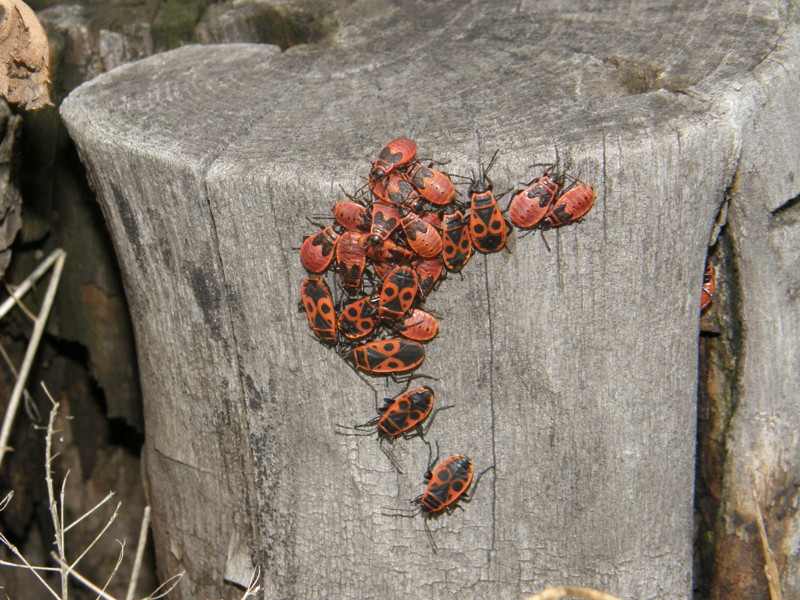
Soda bugs often create their nests in rotten tree stumps.
Video: Red soldier bugs in the city
Methods of combating soldier bugs
If there is enough food in the area and insects do not encroach on cultivated plants carefully nurtured by the owners, do not take drastic measures. If the colony grows uncontrollably, soldier bugs should be eliminated immediately.
Chemicals
Effective substances against red bugs paralyze and cause death. They are being developed to target:
- surfaces on which insects move and on which they bask;
- the plants they feed on;
- the pests themselves (insecticides that are created with systemic, intestinal and contact properties).
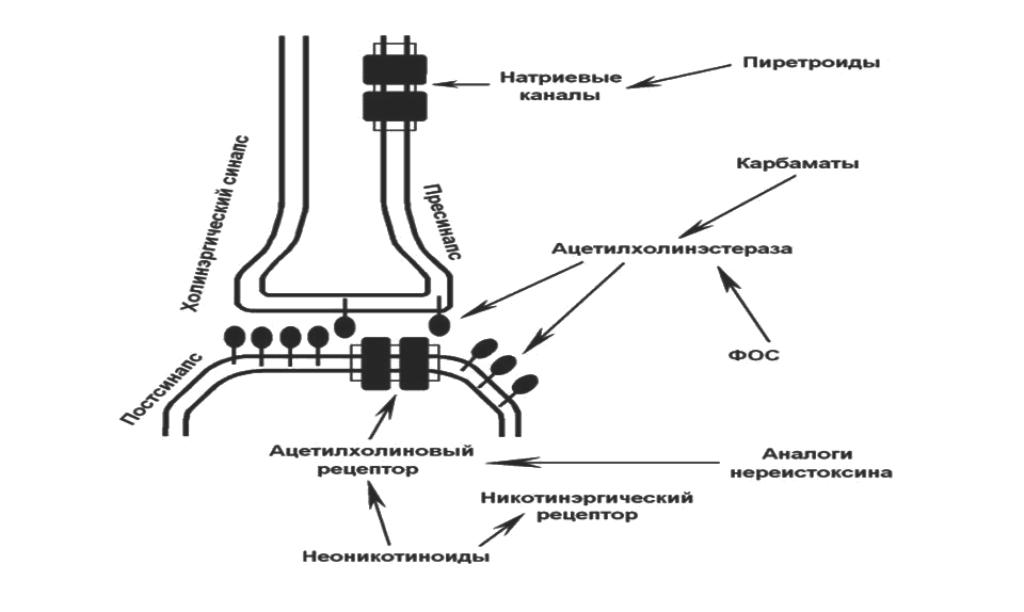
Active components of insecticides disrupt normal nerve conduction in red bugs
The main methods of chemical control of soldier bugs are limited to the use of Class 3–4 (moderately and low-hazard) products. These do not include those that repel, prevent reproduction, or reduce appetite. Usually, to combat insects, spring treatment of their nesting sites in the garden and vegetable garden is sufficient.
Table: types and characteristics of foreign-made insecticides
| Name of the drug | Country of origin | Active ingredients | Hazard class | Validity period, in days | Notes |
| Fufanon-Super | Denmark | Malathion | 3 | 40 | Fumigatous action (destruction of pests). |
| Delta Zone | Korea | Pyrethroid, deltamethrin | 60 | Insectoacaricide (also fights ticks). | |
| Drucker | Italy | Tetramethrin, cypermethrin | Microencapsulated suspension. | ||
| Lambda Zone | Korea | Lambda-cyhalothrin | 4 | 40 | |
| Fendona | France | Alpha-cypermethrin | 60 | ||
| Very fast death of insects. | |||||
| Solfac | Germany | Cyfluthrin | 70 | Intestinal and contact insecticide. | |
| Xulat | Spain | Chlorpyrifos | 150 | Microencapsulated suspension. | |
| Actellic | Switzerland | Pirimiphos-methyl | 2 | 20 | Intestinal-contact action. |
| Calypso | Switzerland | Thiacloprid | 30 | ||
| Fastak | Germany | Alpha-cypermethrin | Resistant to washing. | ||
| Connect | Switzerland | Beta-ifluthrin, imidacloprid | 3 | 30 | Intestinal-contact action. |
| Aktara | Switzerland | Thiamethoxam | 60 | Dangerous for bees. |
Table: Domestically produced insecticides
| Name of the drug | Active ingredients of the insecticide | Hazard class for humans | Validity period, in days | Notes |
| Cipromal | Cypermethrin, malathion | 3 | 30 | Pyrethroids. |
| Solfisan | cyfluthrin | Contact-intestinal action. | ||
| Doublet | Malathion, alpha-cypermethrin | 40 | Insectoacaricide (kills ticks too). | |
| Acarocide | Fenthion, cypermethrin | |||
| Medilis-Ziper | Cypermethrin | |||
| Cucaracha | Malathion, cypermethrin | Contact-intestinal action. | ||
| Cyfox | Insectoacaricide. | |||
| Alator | Low consumption rate, adheres well to leaves. | |||
| Cypertrin | Cypermethrin | Insectoacaricide. | ||
| UNO | Lambda-cyhalothrin | 90 | Microencapsulated suspension. | |
| Mospilan | Acetamipride | 30 | Safe for bees. | |
| Bankol | Bensultal | Severe paralytic. | ||
| Medifox-Super | Permethrin | 4 | 60 | Insectoacaricide. |
Folk remedies
The use of chemicals is not always necessary. Commercial orchards and vineyards are more susceptible to insect infestations. And attacks by hungry soldier bugs on summer cottages are a rare occurrence. If this happens, try folk remedies.
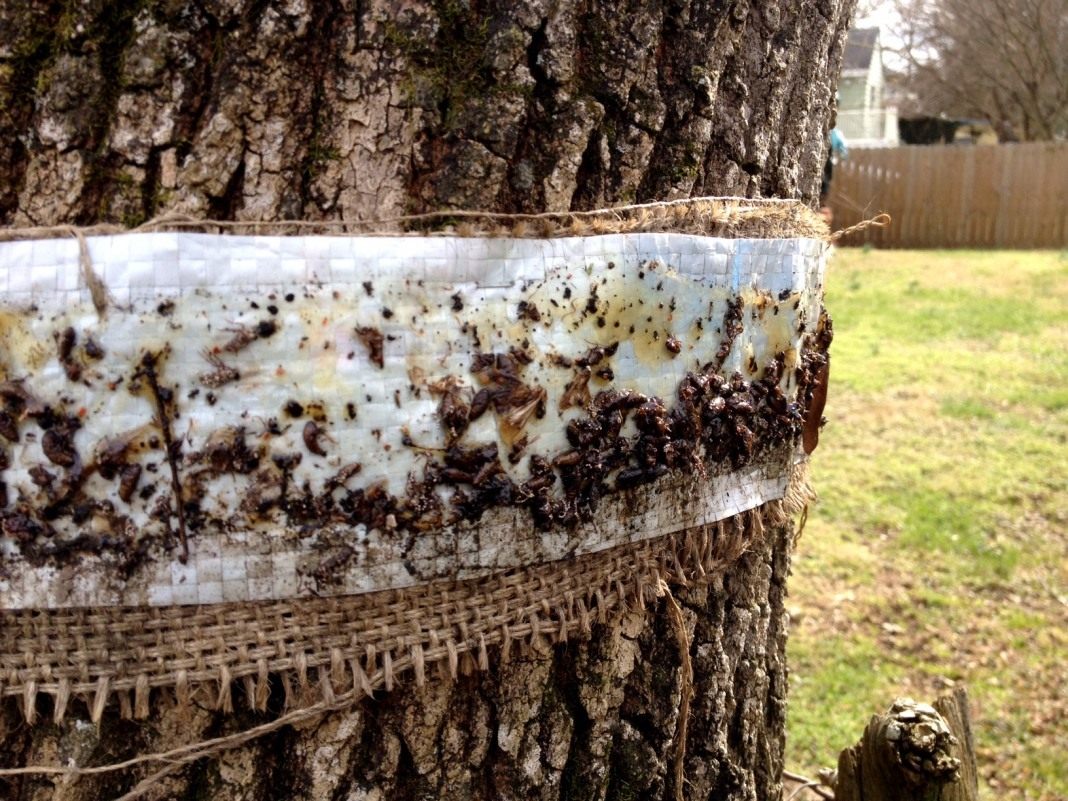
- Install trapping belts—transparent or opaque coverings for tree trunks with insecticidal or movement-restricting properties. They can be sticky, shaped like cups or funnels, or equipped with reservoirs for storing pheromones.

A trapping belt on a fruit tree will protect green shoots and fruits from the attacks of hungry soldier bugs.
- Collect the soldier bugs by hand. This is difficult because the insects move slowly only in early spring and late fall. Even while eating, they maintain high motor activity. Use a shovel or soft scraper to rake the colonies into a specially prepared container, and destroy individual insects directly on the plant leaves.
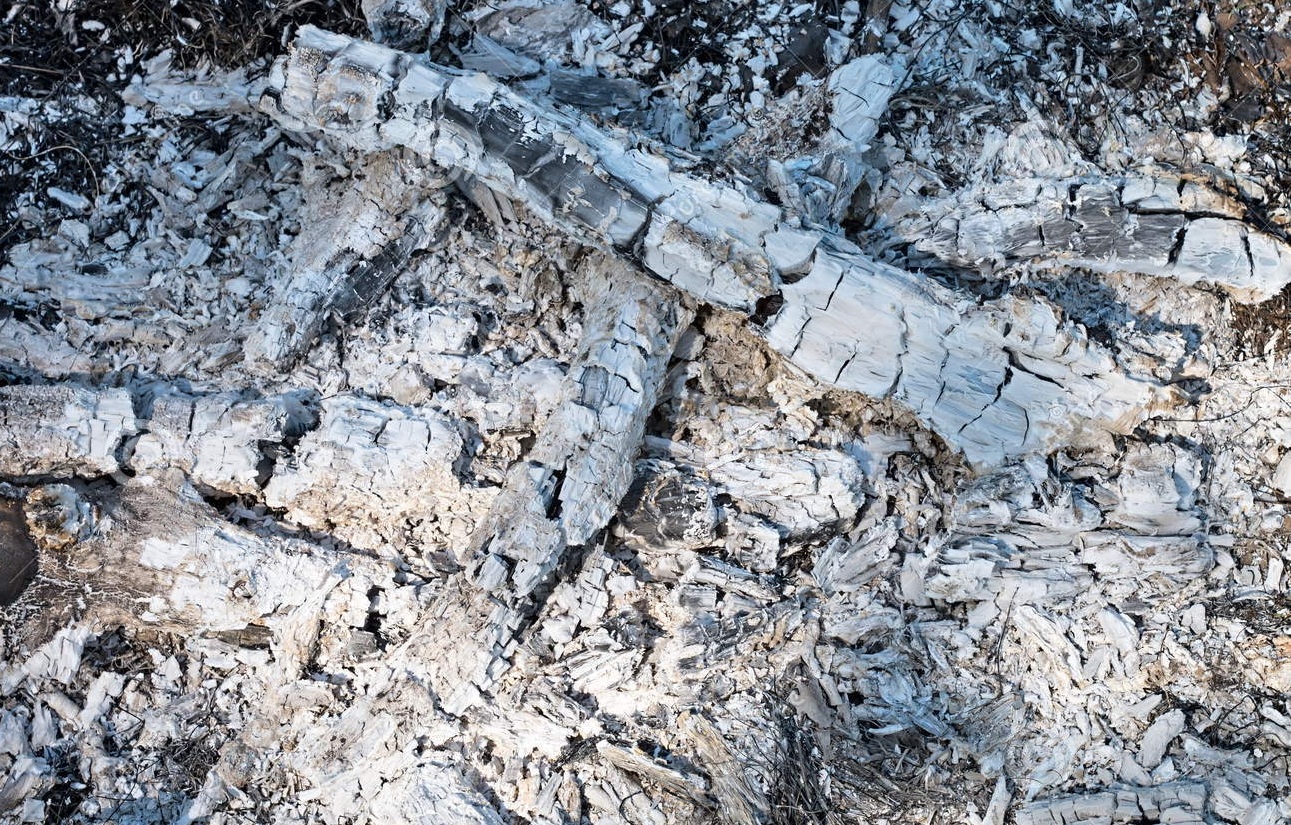
- Everyone has wood fire ash in their garden. Collect the ashes and crush or grind any coarse fragments into dust. Then, measure out 200–300 g of the product and dilute it in 10 liters of water. After 15 minutes of vigorous stirring, apply the resulting solution to your plants.
Ash will help in the fight against soldier bugs
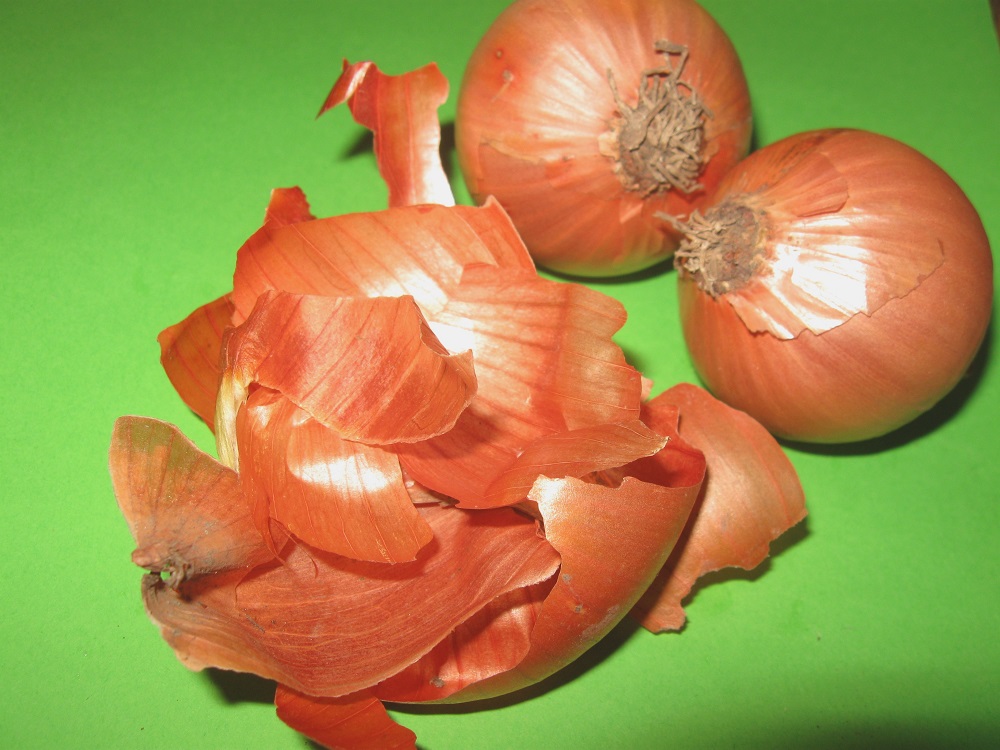
- Make an infusion of onion peels (200 g per 10 liters of water). After 5-6 days of infusion, spray the plants being eaten by insects. Repeat the procedure until the insects disappear completely. It is harmless to greenery.
Treating plants with a solution of onion peels is an inexpensive and effective way to combat red bugs.
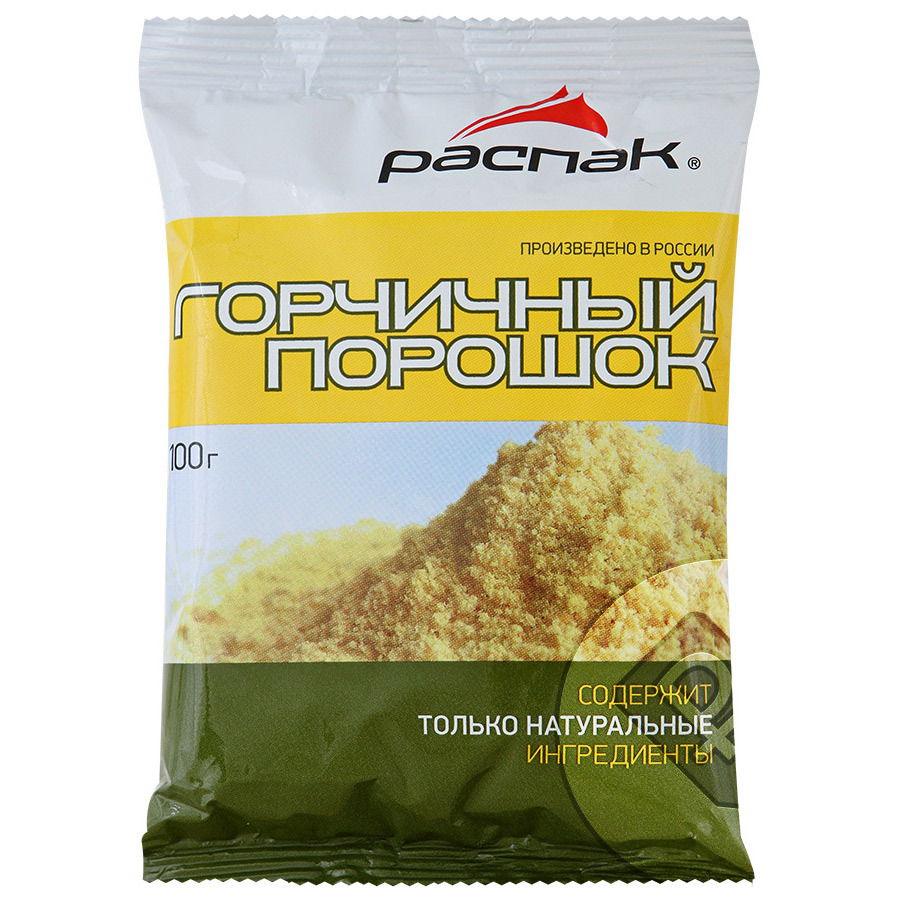
- Prepare a solution of mustard powder (100 g per bucket of water). The pungent taste and aroma of this plant repel many insects. Let it steep for 2 hours. Repeat the treatment no more than once every 10 days.
The pungent taste and aroma of mustard powder repels pests.
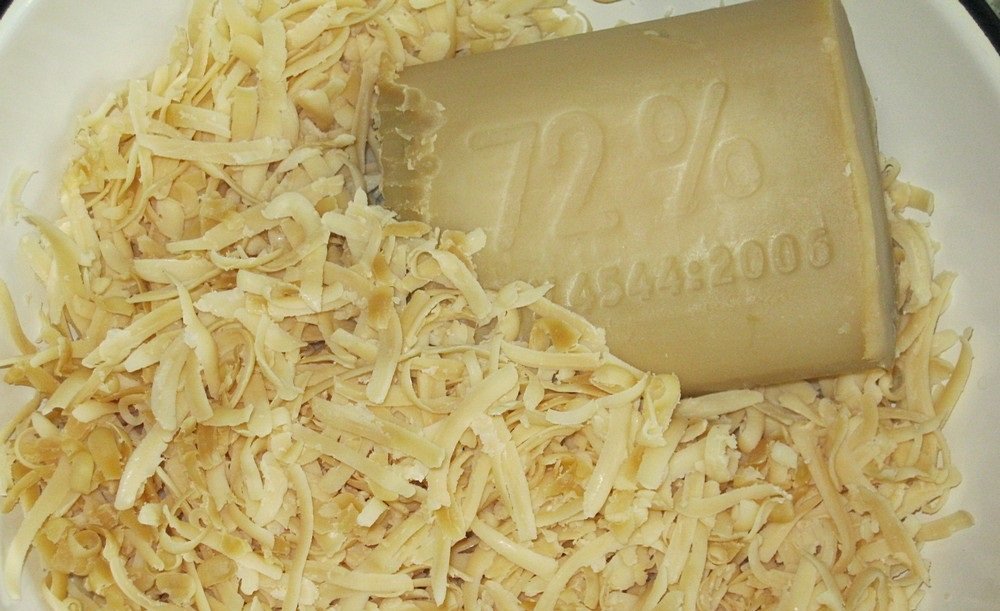
- Grate a large bar of laundry soap on a coarse grater and soak it in warm water. Apply the solution to the areas where the soldier bugs live. Do this once or twice a month. Frequent treatments can cause plant death and damage the organic composition of the soil.
A solution of laundry soap will help drive away soldier bugs, but frequent treatments can lead to plant death.
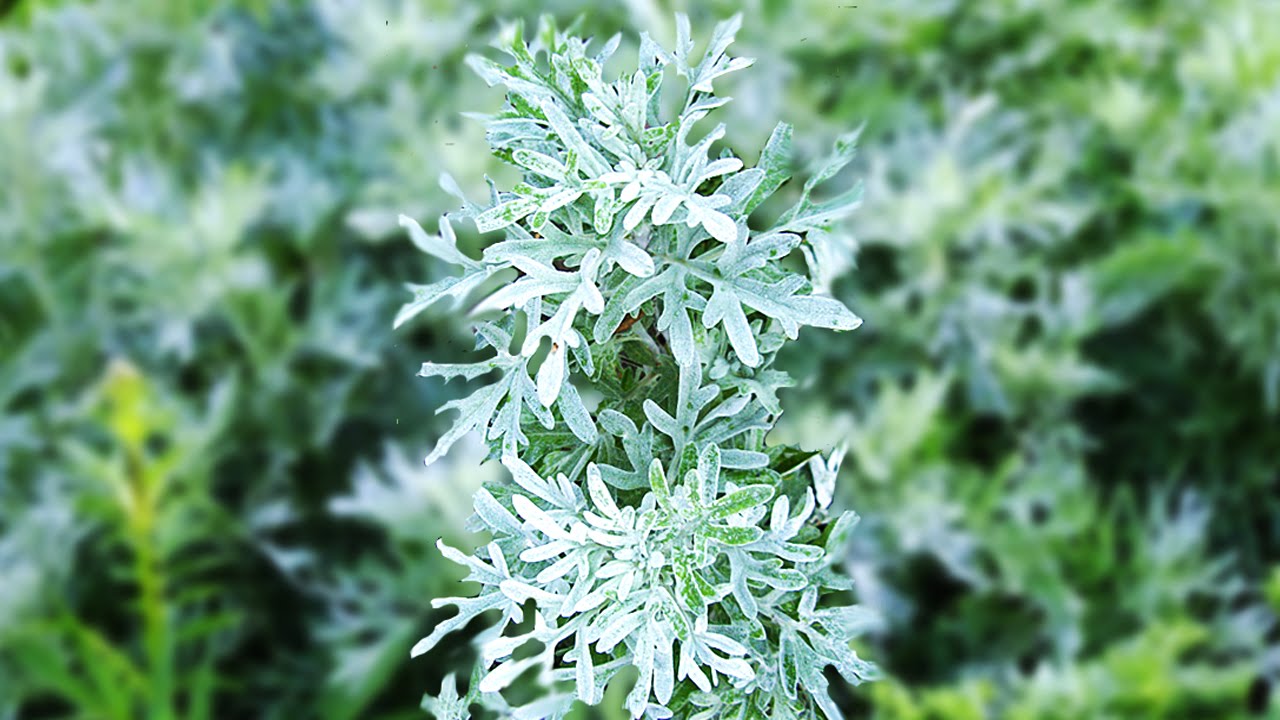
- Chopped wormwood and yarrow. The scents of these plants repel red bugs. Coarsely chop the green parts of wormwood and yarrow and place or hang them where the insects actively feed.
When driving away soldier bugs from your property, remember that the colony will move to your neighbors and will be nearby. Other effective means for combating soldier bugs include:
- potato and tomato tops;
- vinegar and turpentine;
- marigolds, tansy, chamomile, mint;
- red hot pepper;
- essential oils of neem, eucalyptus, clove, tea tree;
- gasoline, kerosene;
- garlic, tobacco, valerian tincture.
Prevention methods
To prevent pests from infesting your garden or summer cottage, preventative measures can help, including eliminating nesting sites and food sources.
- Crop planning. Forage grasses, vegetables, and garden crops are planted at a significant distance from each other, creating protective strips of insect-repellent plants.
- Planting black cohosh, mustard, and wormwood. The voracious soldier bugs dislike their odors.
The smell of wormwood repels insects
- Uproot old and diseased trees and stumps—the pest's favorite wintering spots. Fallen leaves and dry grass are also removed for this purpose.
The thicker and more textured the tree's bark, the more pests are hiding under it.
- Radical mowing of weeds. Removing green parts of succulent plants at the root deprives soldier bugs of their main food source.And then they leave in search of something new.
- Timely removal of construction waste and systematic treatment of building materials with insecticides will protect the site from being infested by large colonies of pests.
Few people take on the idea of cultivating insect-repellent plants. People simply don't believe in the effectiveness of such a venture and opt for more drastic options—chemicals.
Soldier bugs can't fly, have a poorly developed nervous system, and a thin chitinous shell. Therefore, getting rid of them is easy. Choose chemical pest control products or use proven folk remedies.
 Alexey
1 comment