Many marine animals amaze and capture our imagination. While we're often more interested in intelligent dolphins or giant whales, the sperm whale, it turns out, gets little attention. But it's worth taking a closer look: it's far from as simple as it seems.
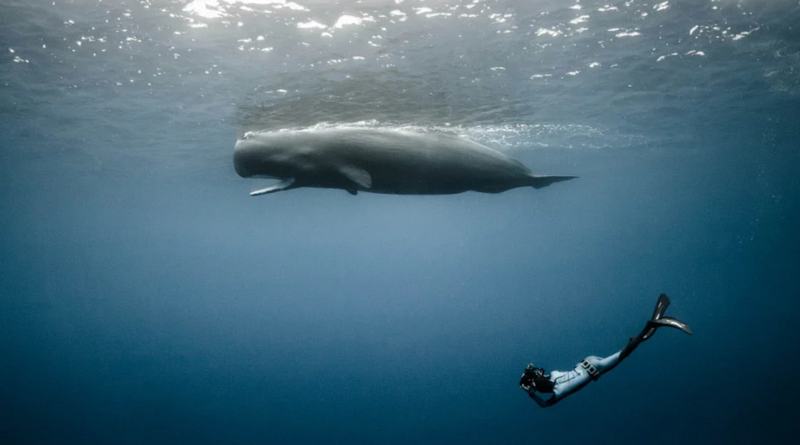
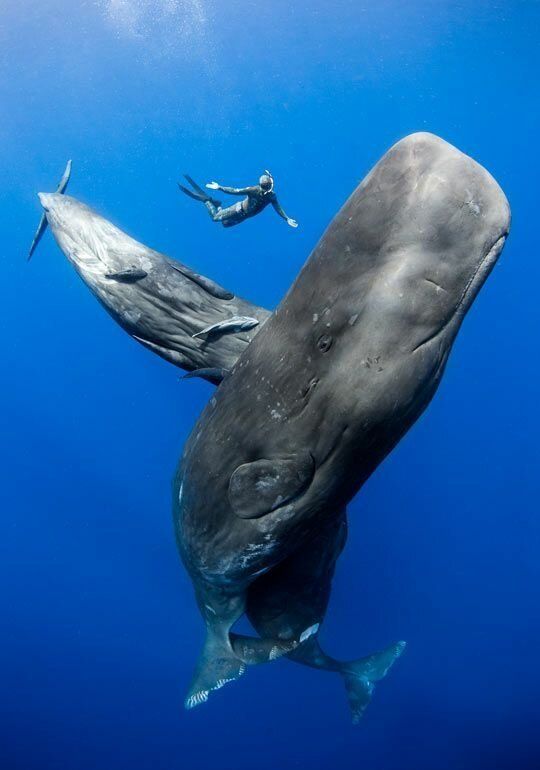
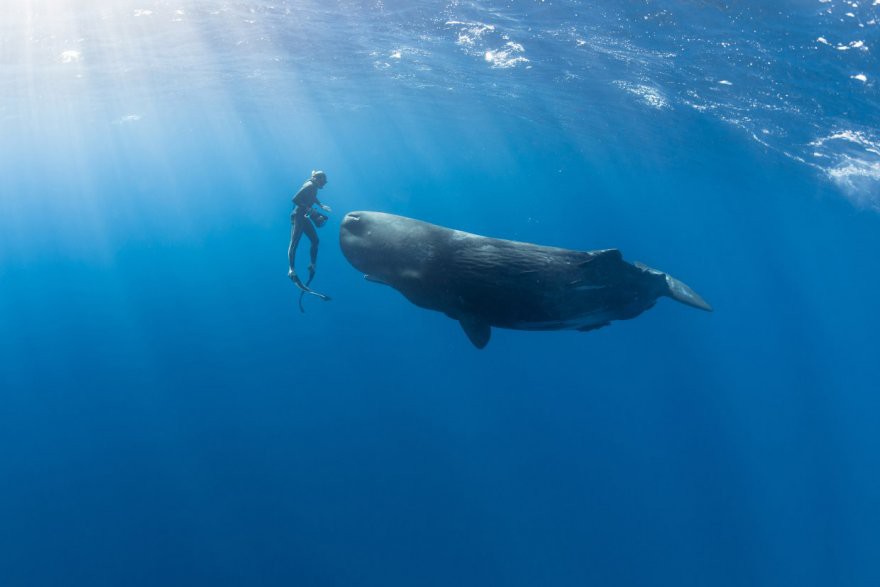
The sperm whale inhabits all oceans except the Arctic Ocean. This giant is astonishing in size: up to 20 meters long and weighing up to 70 tons. Males are one and a half times larger than females.
It dives deeper than any other fish in the world, descending to 1 km, although some individuals can dive to 3 km, where the enormous pressure would seem to crush them.
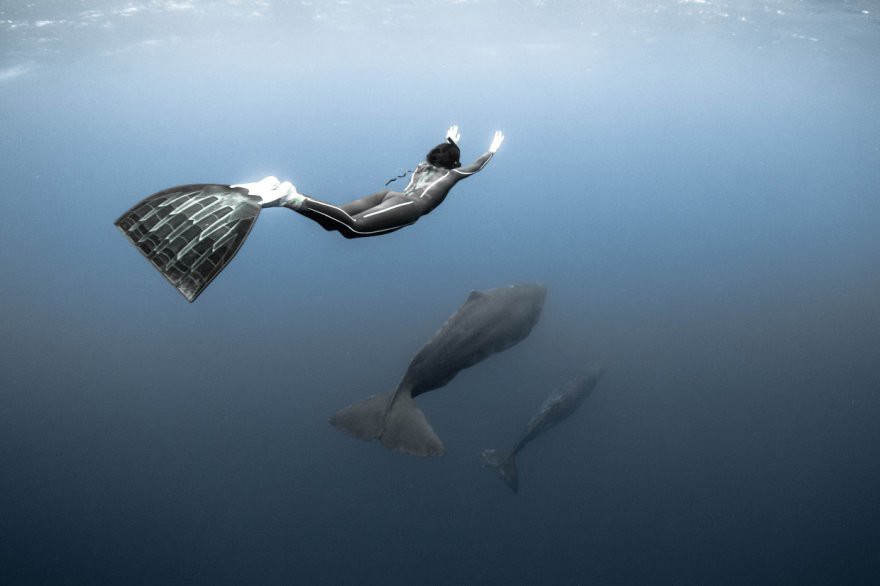
And they can stay under water for a very long time (about an hour).
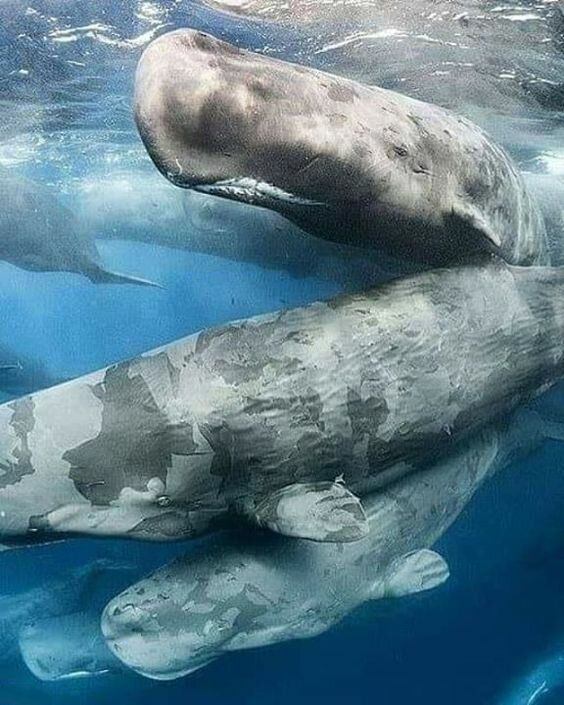
By comparison, whales can spend about 30 minutes underwater, and in emergency situations, up to 50 minutes, and they do not dive as deep.
Moreover, the sperm whale's lungs are 2 times smaller than those of a whale.
During the process of evolution, sperm whales were left with only one nostril for breathing – the left one, while the right one became overgrown and became a reservoir for storing air.
The need for such long dives is due to their feeding habits: their main diet is squid, which live at great depths under enormous pressure.
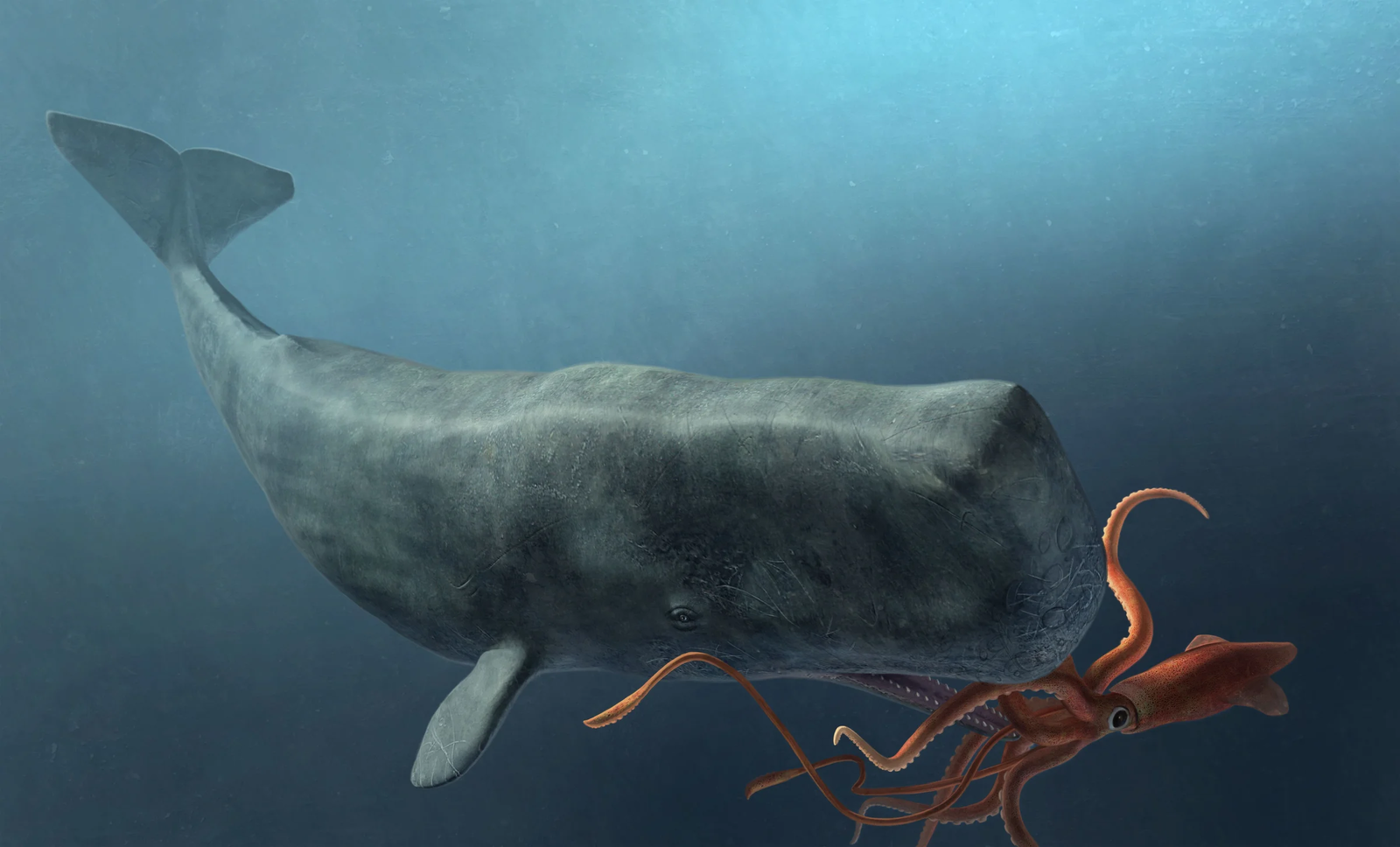
The ability of the animal to withstand such pressure is given by the unusual structure of its body, or more precisely, the spermaceti sac - a muscular sac filled with a special liquid.
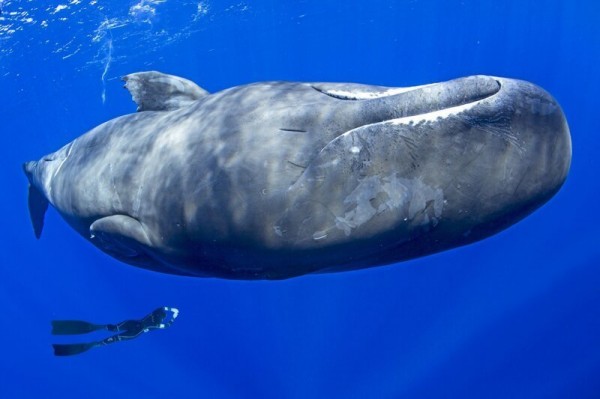
It is located in the head of the sperm whale on a unique bed of skull bones.
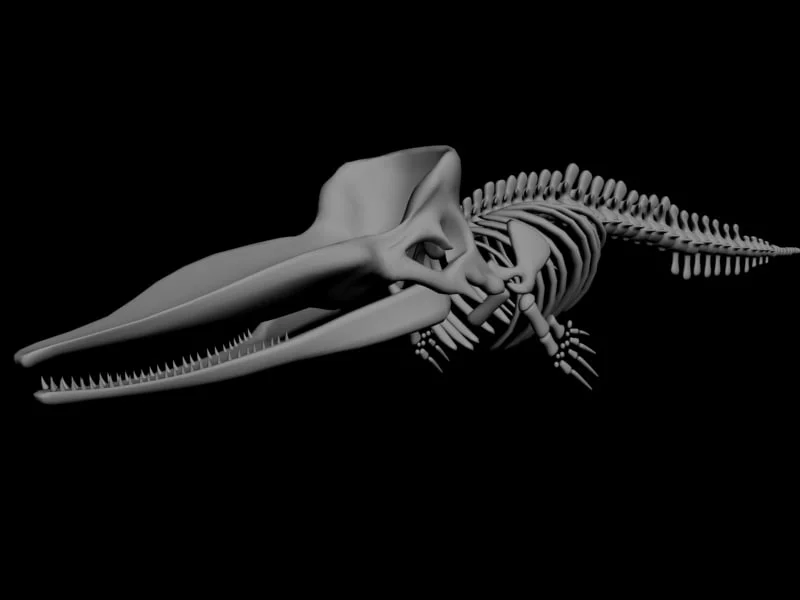
This organ has many functions, and they have not yet been fully studied; one of them is compensation for deep water pressure.

Spermaceti also helps the animal thermoregulate, regulates its buoyancy, is used as a weapon and shock absorber during mating matches, and gives the sperm whale's sound signals, emitted to stun prey, a precise direction.
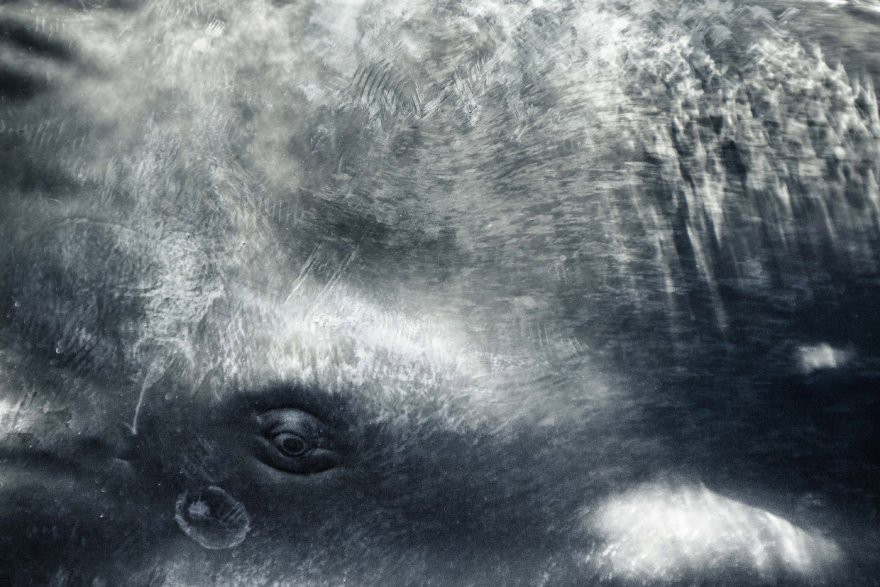
Spermaceti liquid itself has incredible regenerative properties, is capable of healing any wound, and is used in burn ointments.
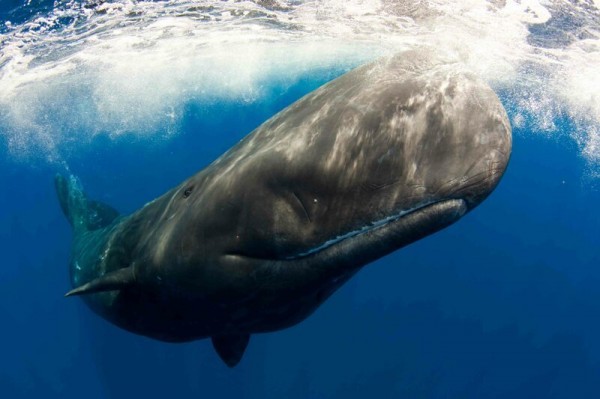
These mammals are actually very loud, producing sounds up to 116 decibels; with their "scream" they deafen their prey, and the stunned squid meekly awaits its fate.
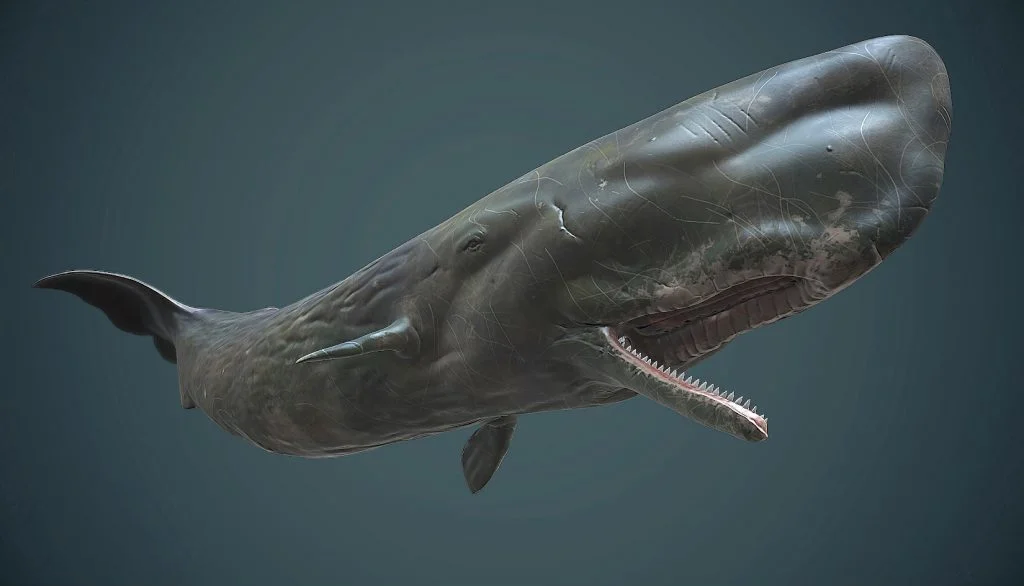
The sperm whale has the longest intestine in the world (160 m).
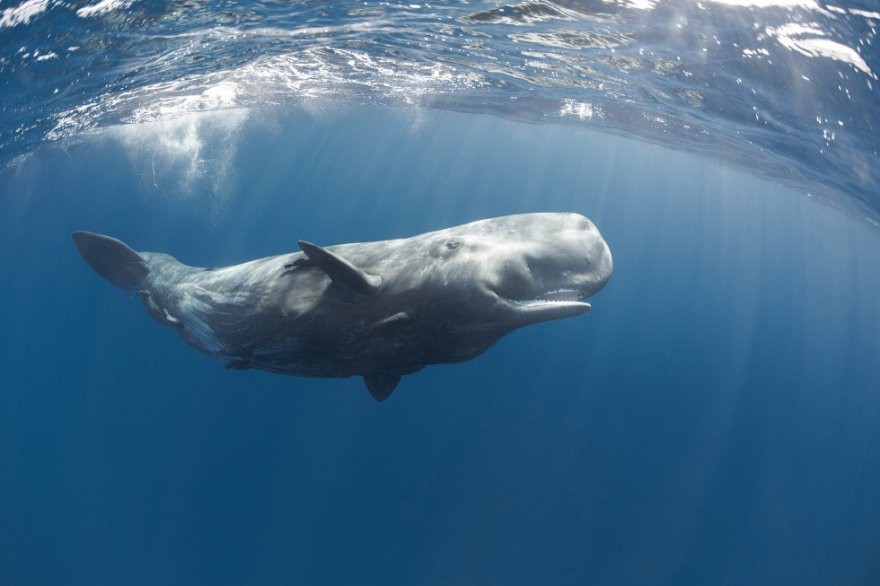
In this intestine he also stores a “jewel” - this is amber, a substance that all perfumers hunt for.
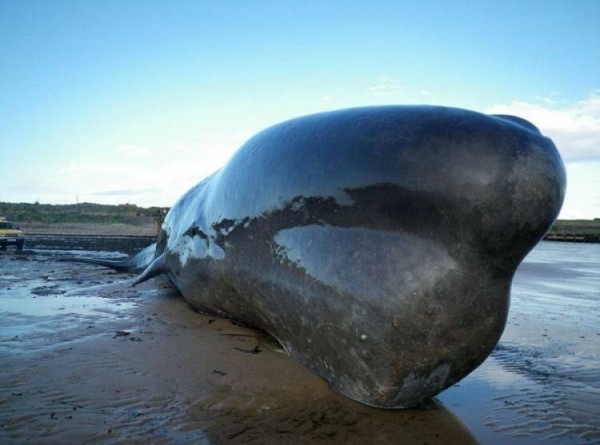
It is believed that ambergris is secreted by the intestinal mucosa as a result of its reaction with the beaks of swallowed squid. Moreover, ambergris is found only in males.

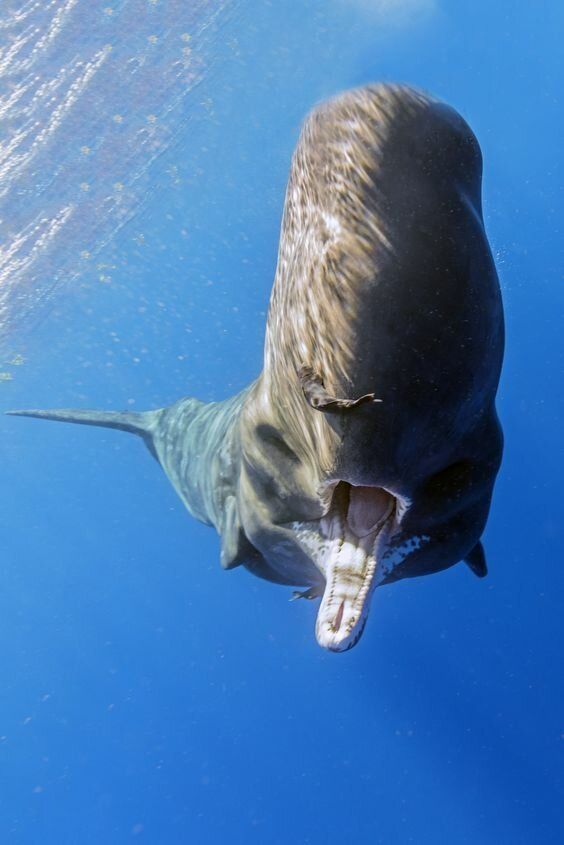
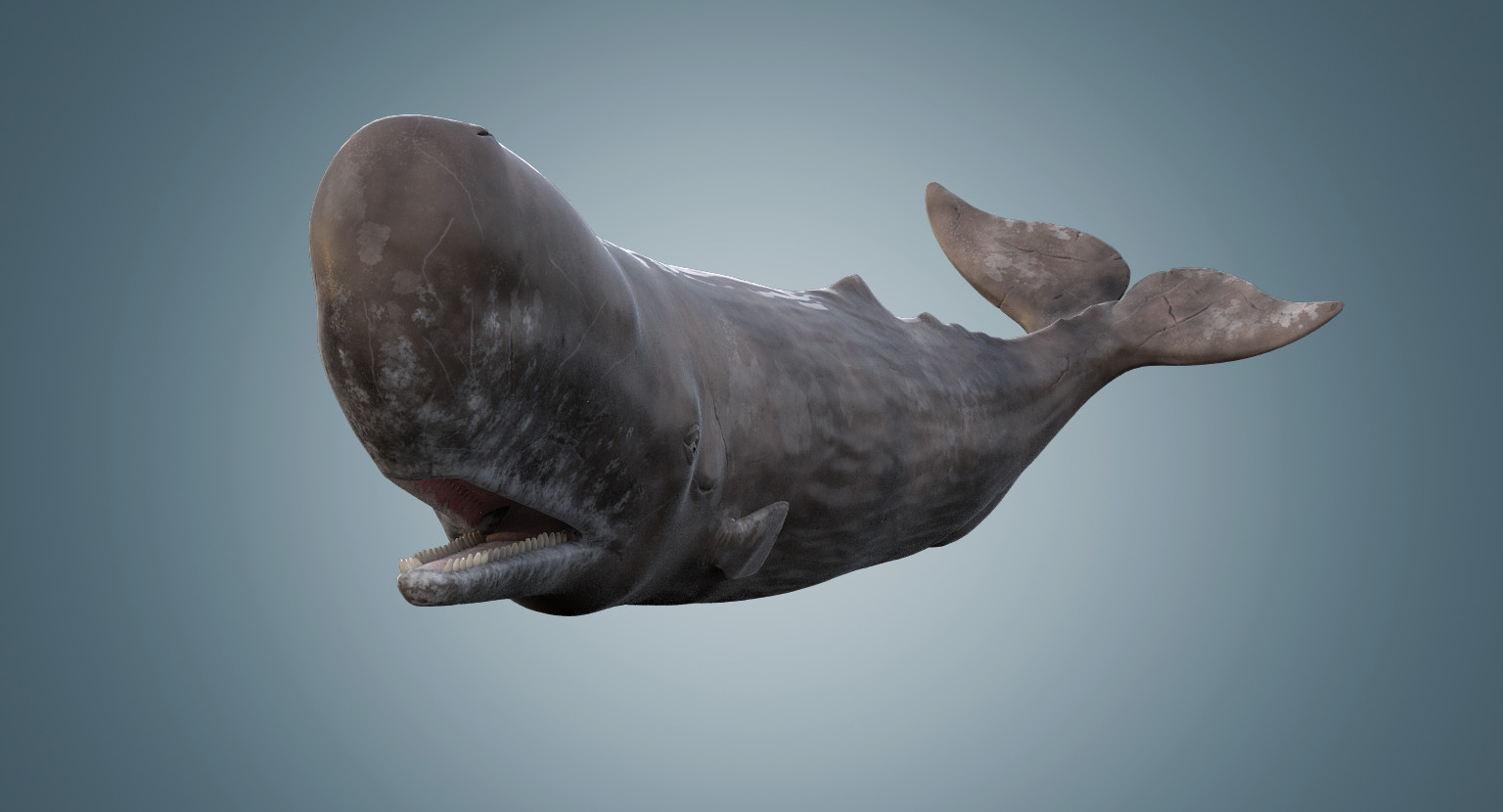
The sperm whale has teeth only on its long, narrow lower jaw, which can open downwards to 90 degrees. There are 20–26 pairs of teeth. Each tooth weighs approximately 3 kg.
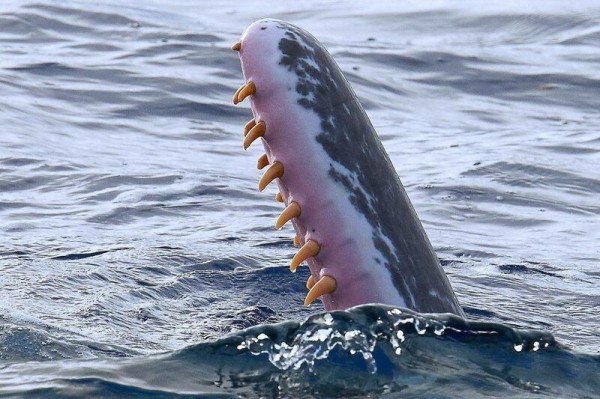
This animal has the largest brain among mammals, weighing about 8 kg.
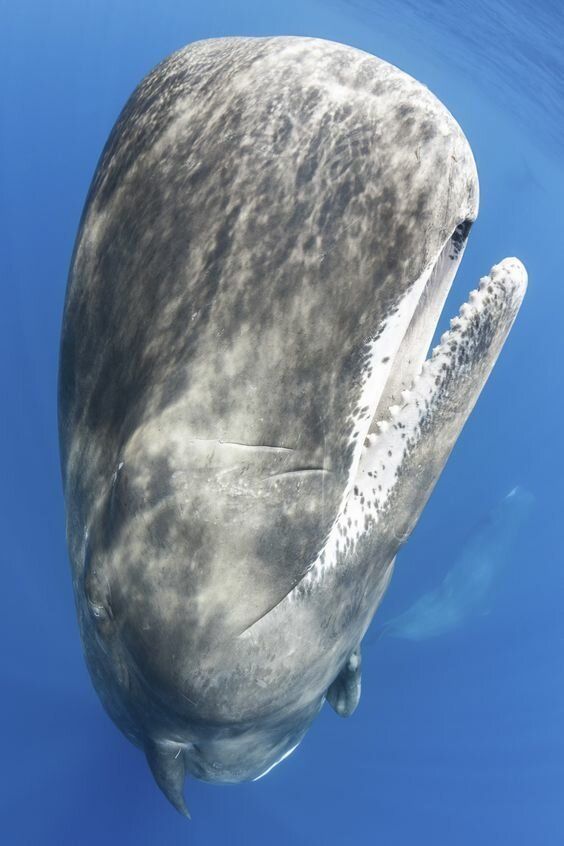
It has the thickest (35 cm) and most impenetrable skin.
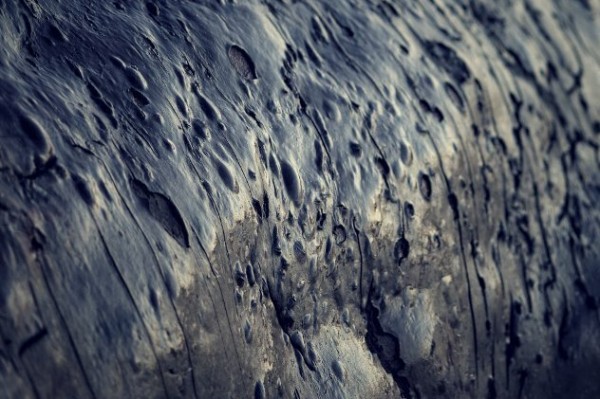
Male and female sperm whales live in separate groups and meet only during the mating season.
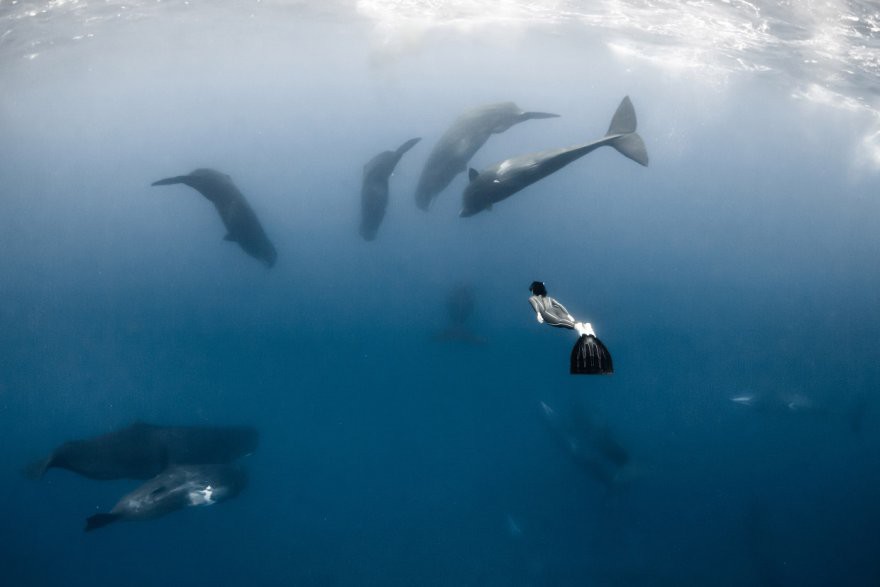
Newborn sperm whales weigh almost a ton and reach 4 meters in length.
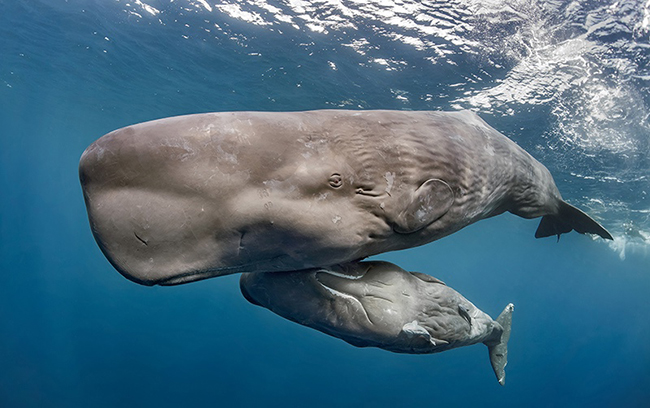
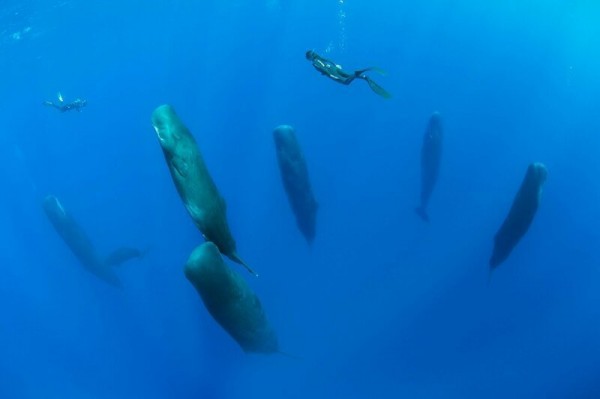
These animals only need 15 minutes of sleep several times a day, and if necessary, they can stay awake for 3 months straight.

They drift in a flock, hanging at a depth of 10–15 m.
Over the past 300 years, sperm whales have been killed in huge numbers for their blubber, meat, sperm sacs, teeth, bones, and, of course, ambergris. While commercial hunting for these animals has been restricted, their numbers remain small, despite remaining relatively high compared to other whales. They often die while trying to sever deep-sea cables. There are currently approximately 400,000 individuals worldwide. According to the latest assessment, conducted in 2008, the status of these mammals is listed as vulnerable with a 54% probability.