 When discussing the long-eared fox, it's important to understand that this breed has a distinct personality. This lovable creature, affectionately known as the fennec fox, has a rather peculiar character and can even be dangerous if disturbed in its natural habitat. Unfortunately, the animal's valuable fur led to widespread poaching, significantly reducing the species' population. However, today, the long-eared fox, protected by law, is thriving.
Content
The appearance of a fox
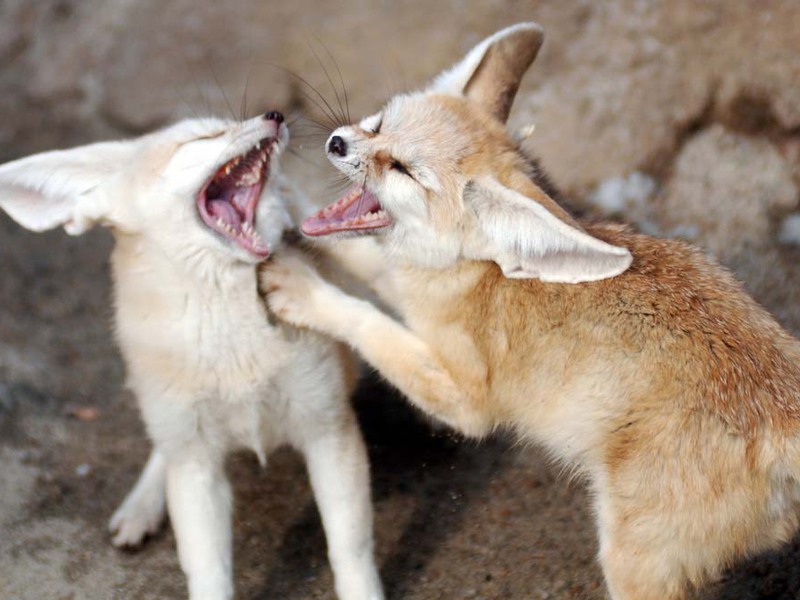
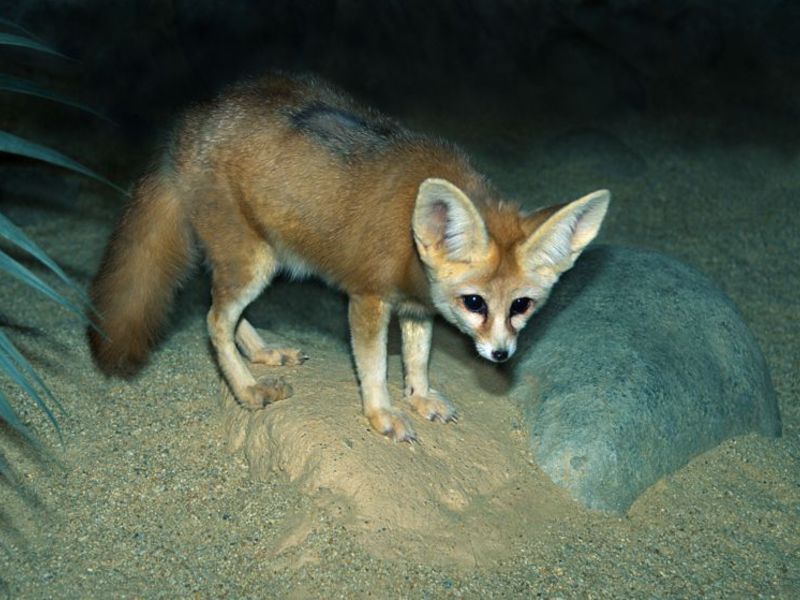
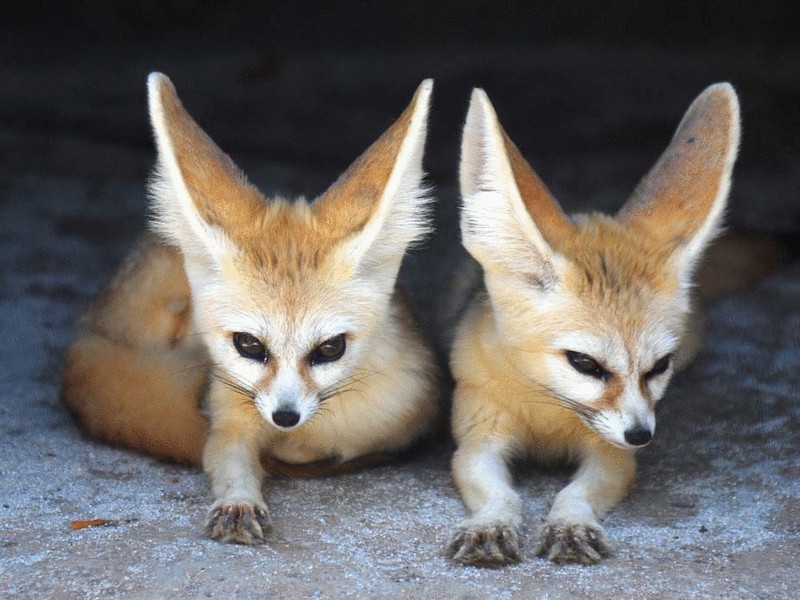
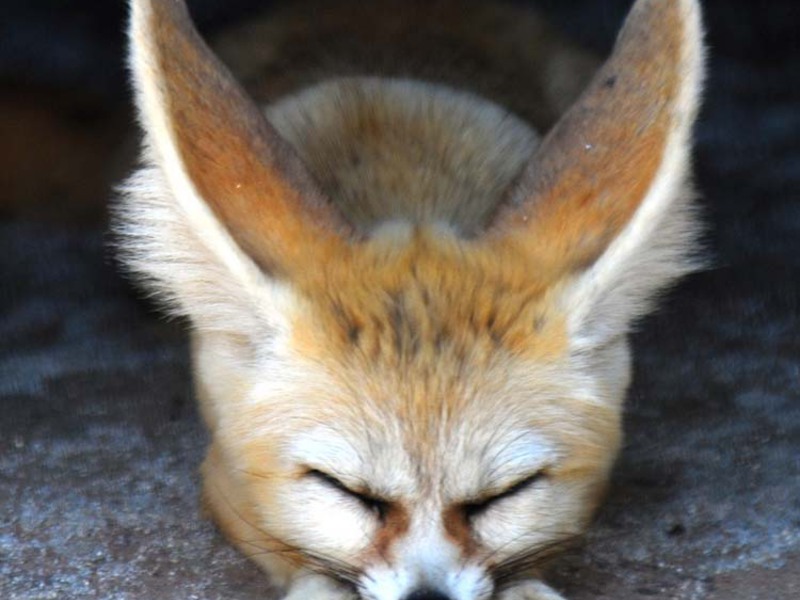
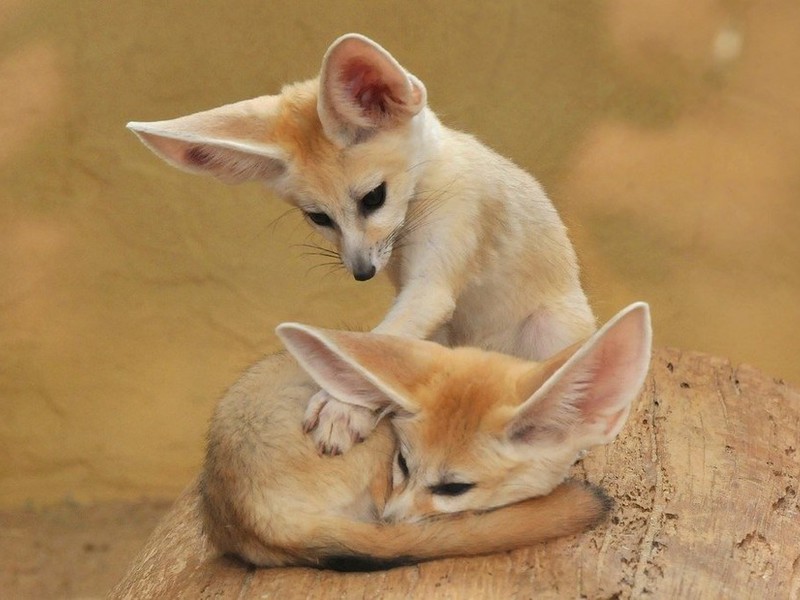
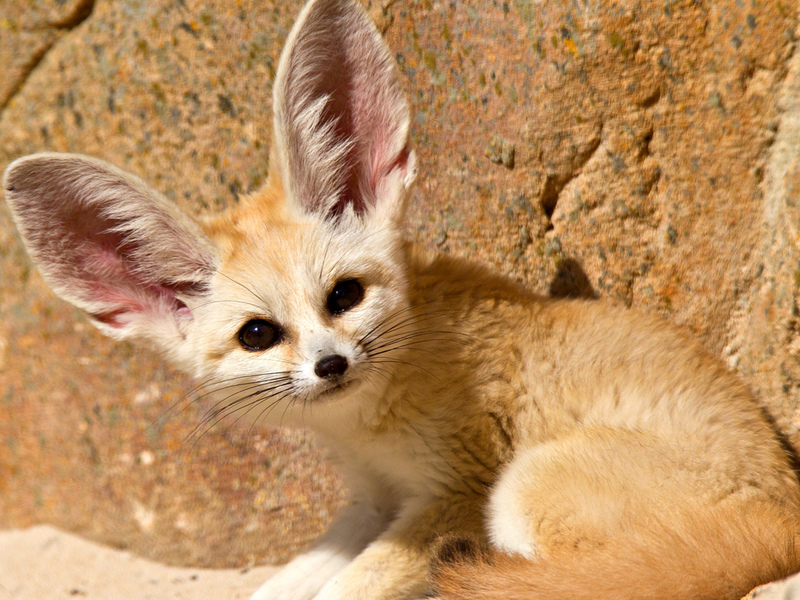
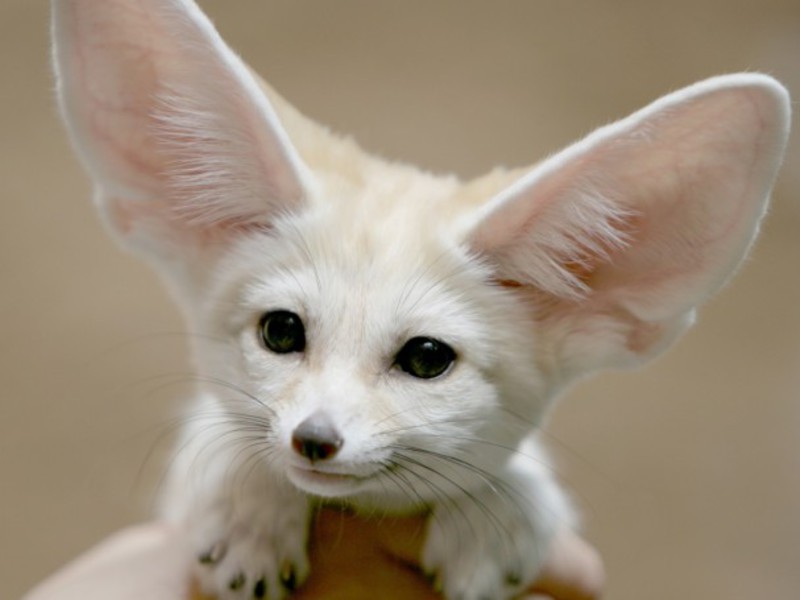
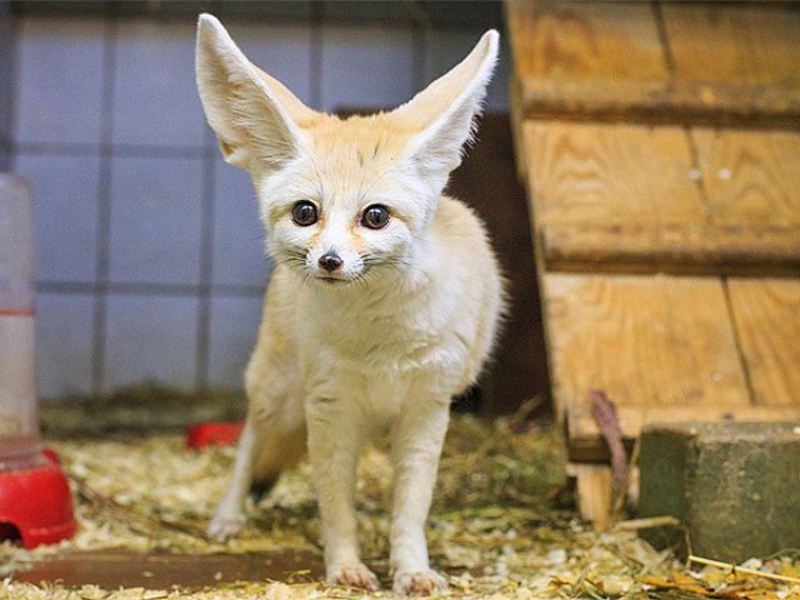
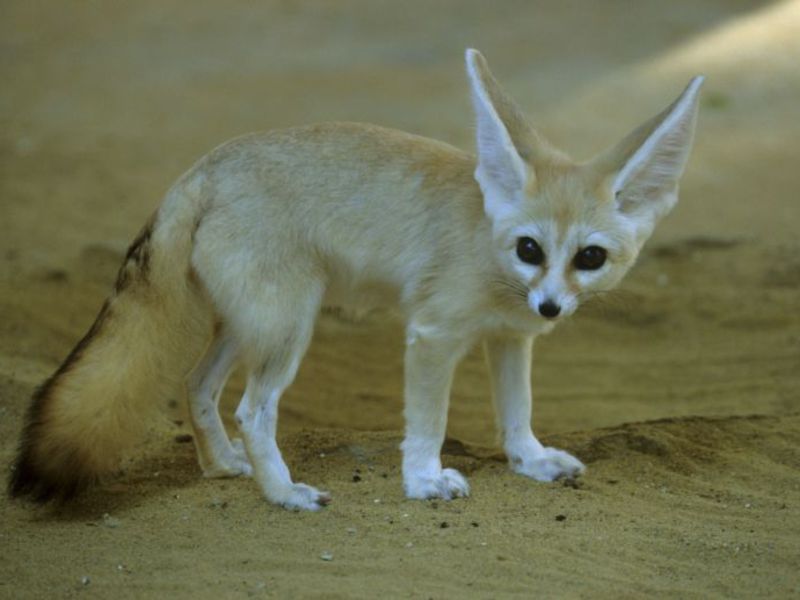
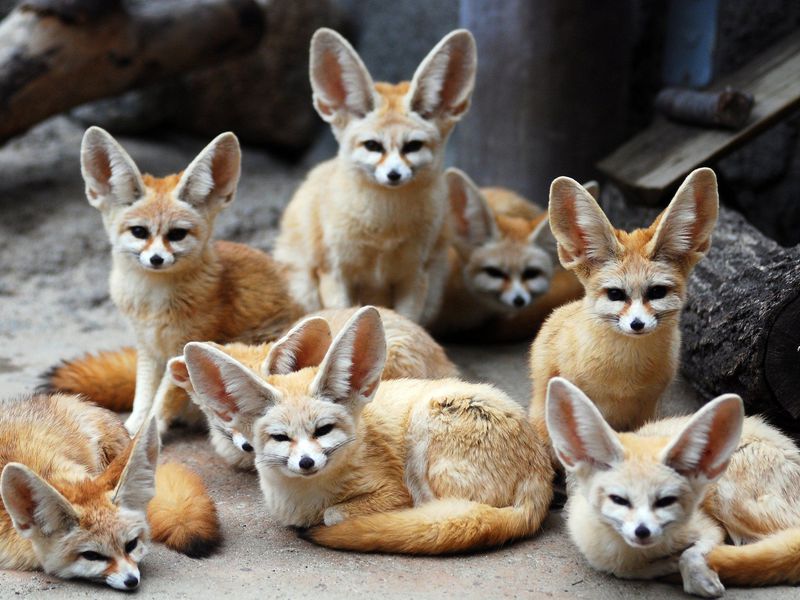
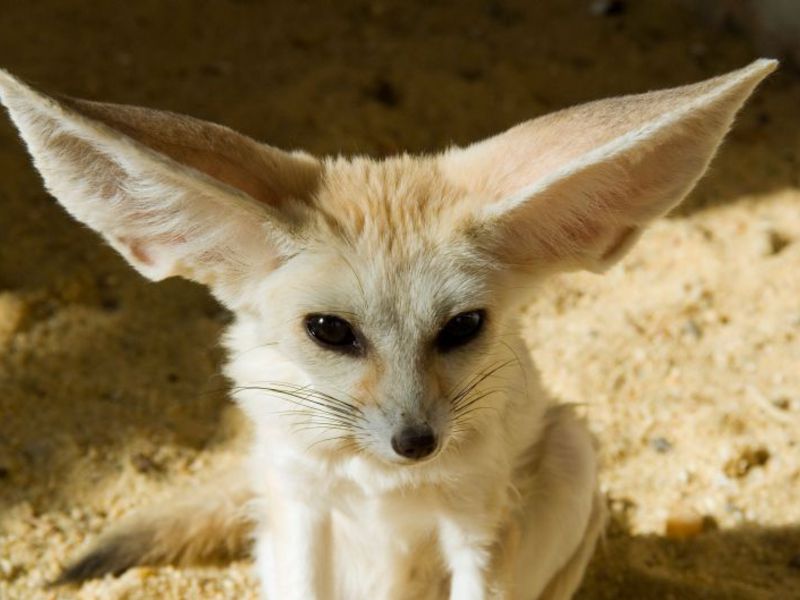
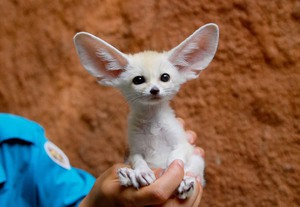
The photo shows a fennec fox, the most amazing and smallest animal belonging to the canine family. This animal is no bigger than a house catThis cute animal gets its name from the Arabic "fanak," meaning "fox." It stands no more than 22 cm at the shoulder, with a body length of up to 40 cm and a tail of about 30 cm. It weighs up to one and a half kilograms. It has a small, pointed muzzle with large eyes.
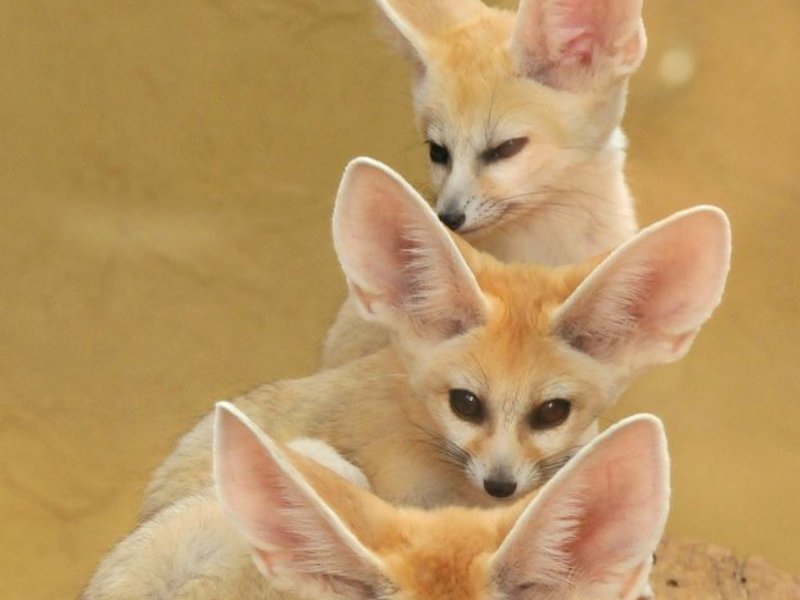
The muzzle is covered with small, sharp teeth. Particularly noteworthy are the disproportionately large ears. This is the first thing you notice, as they reach 15 cm in length! The fennec fox's ears are the largest among predators in terms of the ratio of ear length to head size. But without such ears, the fennec fox would not be able to survive in the desert. perform several important functions:
- detection and determination of the exact location of prey at a considerable distance, including those located at depth (and this is taking into account the small size of the prey itself);
- Thermoregulation, which is vital for desert life, is facilitated by the ears' rich supply of blood vessels located near the skin's surface, which facilitates the intensive removal of excess heat from the body.
Gorgeous appearance and specificity of the body
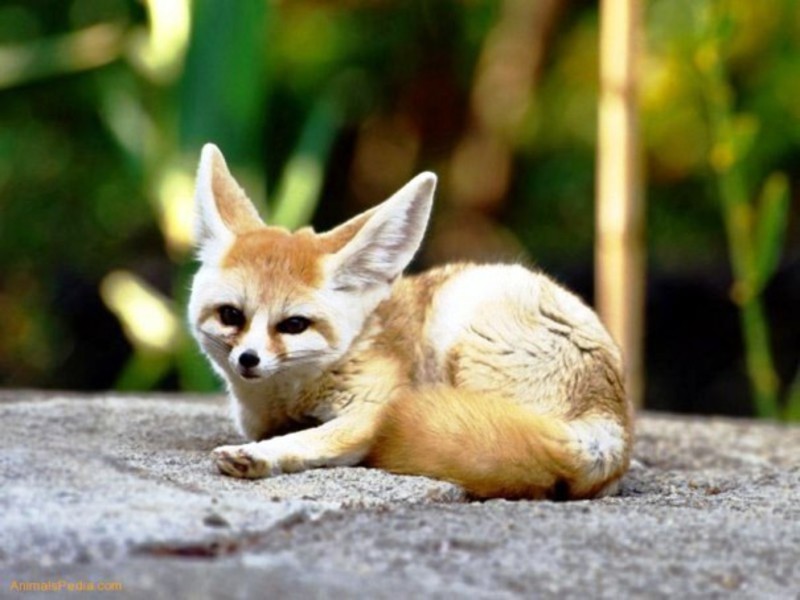
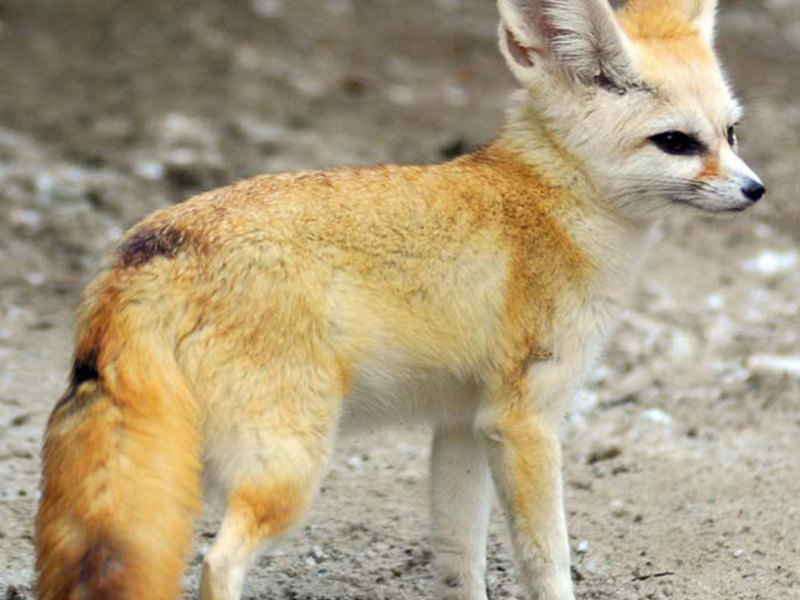
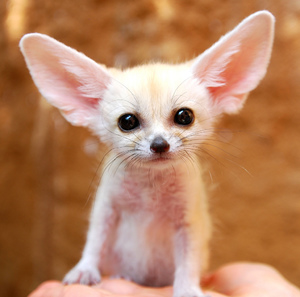 The animal's densely furred feet aid in silently stalking prey and protect the skin of the paws from hot sand. The fennec fox's fur is soft, thick, and long, with a camouflaging, desert-like coloration. The upper coat is reddish in color, while the lower coat is white. Fluffy long tail with black rump, adds to the uniqueness of the portrait of this small animal.
Young fennec foxes have white fur that darkens with age. Like other canids, fennec foxes lack sweat glands. They cool themselves by panting, aided significantly by their large ears. Like all foxes, fennec foxes have a "violet" gland located above the tail. Its function has not yet been fully elucidated.
Distribution and lifestyle
The total number of these animals is unknown. The average lifespan in the wild is from five to eight years oldThe fennec fox's main habitat is in the central Sahara. Its distribution is quite wide. It is found:
- in the north of Morocco;
- in Egypt, on Sinai;
- on the Arabian Peninsula;
- in Sudan;
- in the Republic of Chad;
- in the south of Niger.
Fennec foxes, who "live" in desert areas, choose habitats among sparse bushes and grasses because they contain their primary food sources. The animals dig burrows with a widespread network of galleries and burrows. This allows them to feel comfortable. take shelter from the heat of the dayFennec foxes live in families. The number of "family members" typically does not exceed ten.
Interestingly, they prefer to hunt individually. Considering the small size of their prey, this behavior is the most rational (they simply have nothing to share). This small fox can go for long periods without water, obtaining the necessary fluid from its food. The fennec fox's kidneys are designed to retain the necessary amount of water.
Nutrition and reproduction
Fennec foxes are not picky eaters, they are omnivores, and this is understandable – it’s a desert… This animal gets its main diet by digging in the sand. The objects of extraction are:
 small vertebrates;
- eggs (snakes, birds);
- insects;
- all kinds of carrion;
- roots and plants;
- fruit.
 small vertebrates;
As mentioned, the large size of their ears contributes to successful hunting. Fennec foxes have learned to store food for a rainy day. Their camouflage coloration (as seen in the photo) is more for stalking prey than for hiding, as the fox has no natural enemies. The fennec fox is very agile and playfulAcute night vision and an excellent sense of smell help him hunt.
During the breeding season, which occurs once a year, males fiercely defend their territory. They constantly mark it and engage in fierce fights with any intruders. After a 50-day gestation period, the female gives birth to up to 5-6 pups, which remain with their mother for up to 3 months in a carefully prepared burrow. At birth, the pups weigh about 50 grams. The young grow quickly. At two weeks old, they begin to see, and by three weeks old, they are already interested in the world outside the burrow.
As the young grow, the male is the primary and sole provider of food. Around 3 months of age, the young begin to learn to hunt independently. By 9 months, they are ready. to create their own familiesHowever, there have been cases of adult individuals remaining with their mothers and acting as "nannies." Fennec foxes are extremely sociable with their own kind and are very "talkative." They transmit a wide range of vocal information, including barks and howls, growls and snarls, squeals and whines.
A fennec fox in your home
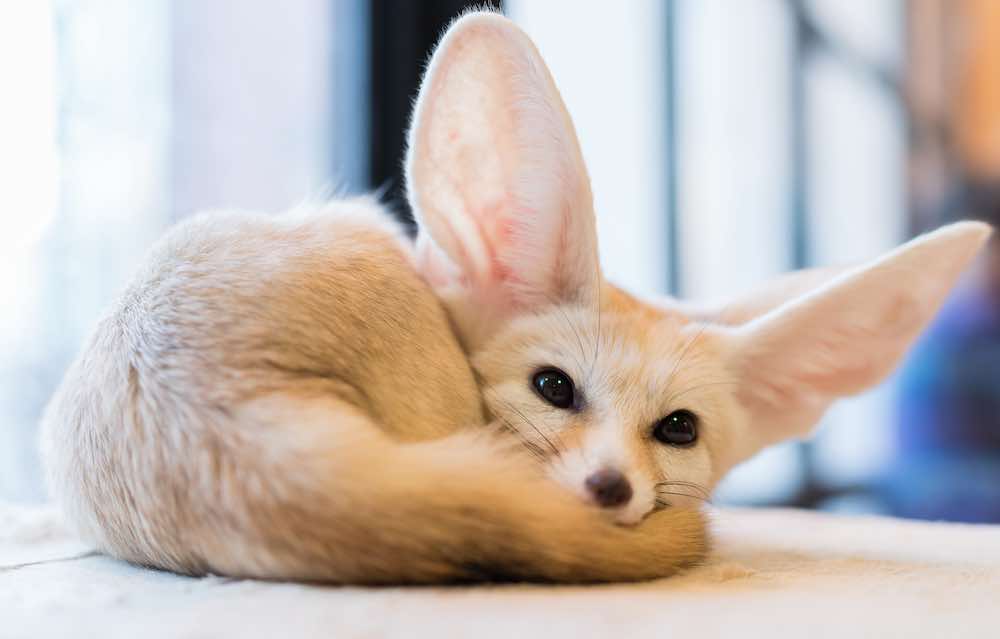
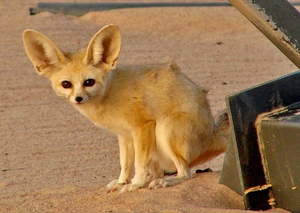 The fennec fox, due to its cute face, unusual appearance, and small size (as evidenced by the photo), is a target for poachers. It is intensively captured both for its unusual fur and for sale, intended for subsequent captivity. The long-eared fox has become fashionable and popular. More and more pet lovers want to have one at home.
However, keeping this fox at home is not an easy task. There are several reasons for this. Firstly, fennec foxes accustomed to leading a nocturnal lifestyle, which naturally causes understandable inconvenience for owners. Secondly, fennec foxes require professional training, as they have a rather nasty temperament. Thirdly, this animal will require a separate room, where the temperature is maintained at a comfortable level for a small fox.
Failure to observe the above conditions can result in the animal experiencing discomfort, frequently catching colds, and, if improperly cared for, possibly dying. Furthermore, the fennec fox has an unpleasant, pungent odor. Another negative aspect of keeping a fennec fox at home is that veterinarians are unfamiliar with this exotic fox and are not always able to provide qualified care. It's important to remember that the fennec fox is wild animal, and therefore it's difficult to predict how a small fox will behave around children. However, surprisingly, there is evidence that fennec foxes get along well with domestic cats. They happily frolic together.
Interesting facts about the long-eared fox
Physiologically, the fox is designed in such a way that it can "perform" phenomenal feats that other animals cannot. Such agility and speed of movement are not simply virtues of the animal, but life-preserving instincts developed over centuries. For fans of this fox species, it is worth recognize the following characteristics of the animal:
- An adult fennec fox can jump 80 cm and leap a meter;
- In Algeria, the fennec fox is a source of pride. The national football team is called the "Desert Foxes";
- In honor of this fox, a quarter dinar coin was minted in Algeria;
- The price of a long-eared fox in Russia reaches 100 thousand rubles;
- In one night, fennec foxes can dig a hole five meters deep;
- The fennec fox is listed in the Red Book;
- in comfortable home conditions, a fennec fox can live up to 20 years;
- in case of sudden danger, the fox burrows into the sand in the blink of an eye;
- The fennec fox's face greets you when you open the Firefox browser, as it is its logo.
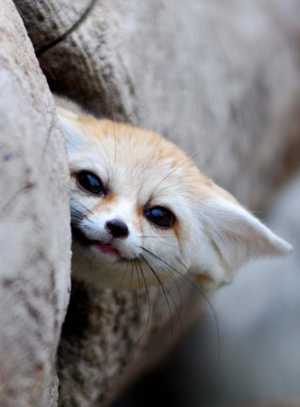 An adult fennec fox can jump 80 cm and leap a meter;
This article, of course, cannot fully and comprehensively describe this wonderful animal of exotic appearance, its unusual lifestyle, behavior, but the main characteristics of the fennec fox—a small desert fox with disproportionately large ears—are presented. If you decide to acquire this fox for pet keeping, you'll at least already be aware of the main difficulties and potential inconveniences associated with this remarkable animal's lifestyle.