Our planet's fauna is amazing and diverse, but human intervention in the ecosystem has led to some species being pushed to the brink of extinction. What do the world's rarest animals look like? Here are the top 10 endangered species, complete with photos and interesting facts.
Chinese river dolphin
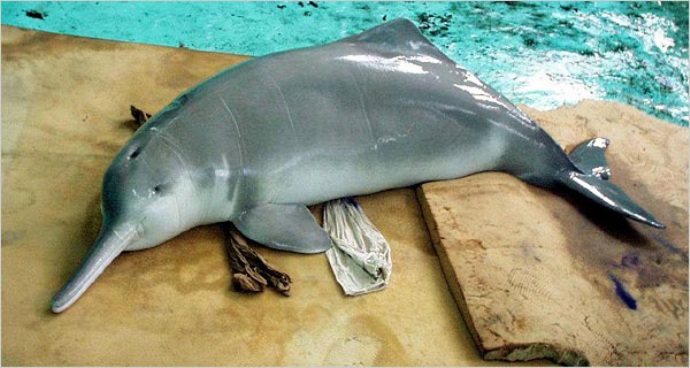
There are only 5 to 13 representatives of this species left in the world, and it is not yet possible to keep Chinese river dolphins in captivity.
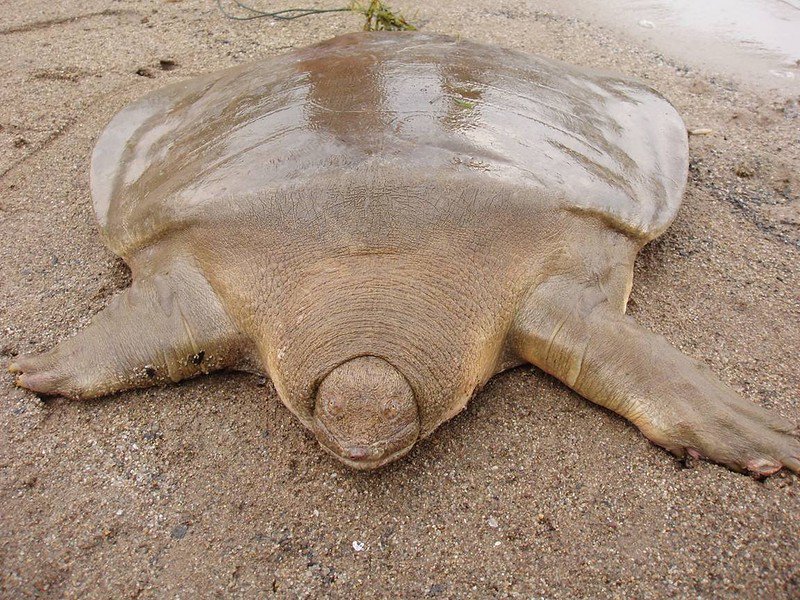
Svaino's softshell turtle
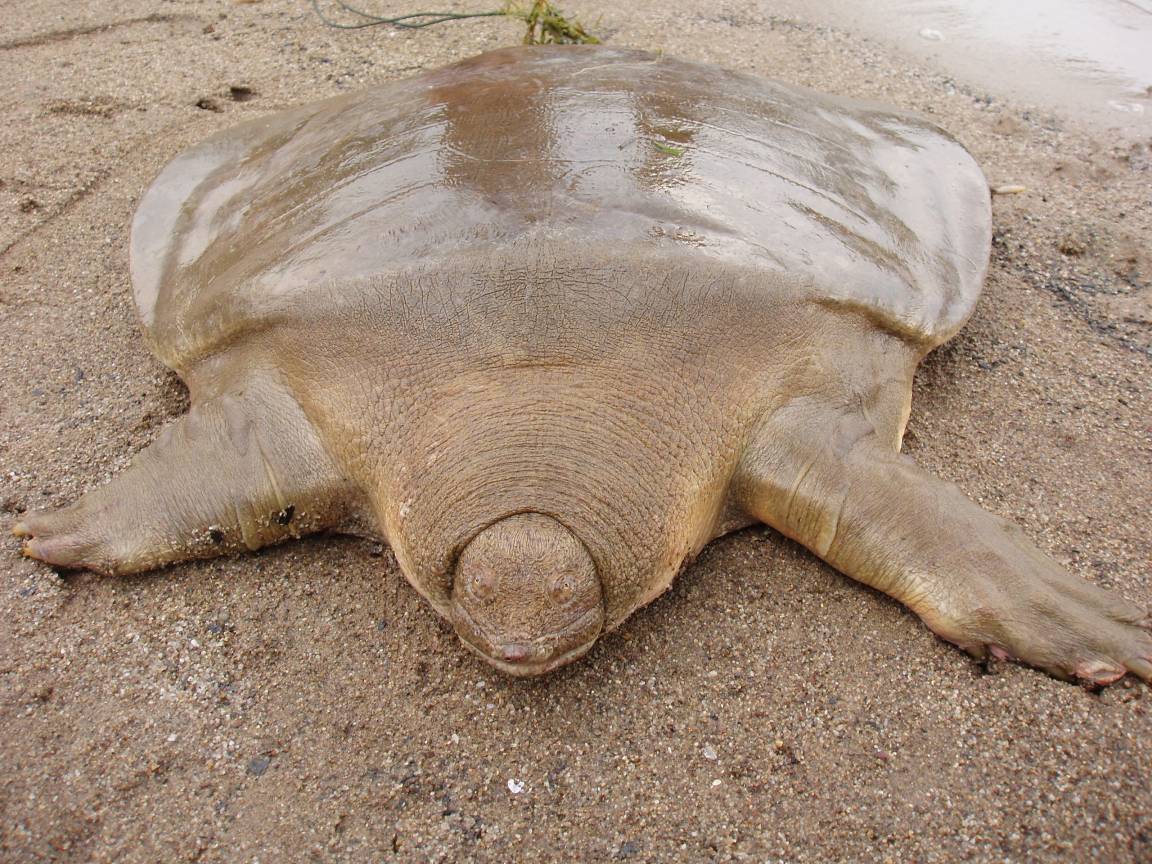
In the wild, the soft-shelled turtle is no longer found, and in zoos, the population of this species, according to various sources, ranges from 4 to 7 individuals.
Javan rhinoceros
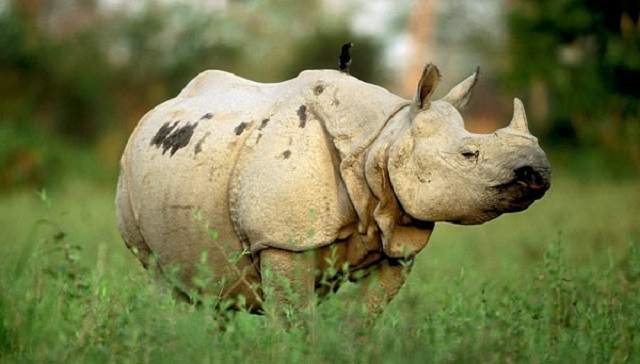
This species of rhinoceros lives in isolated areas on the Indonesian island of Java, with a population of approximately 50 individuals.
Hainan black crested gibbon
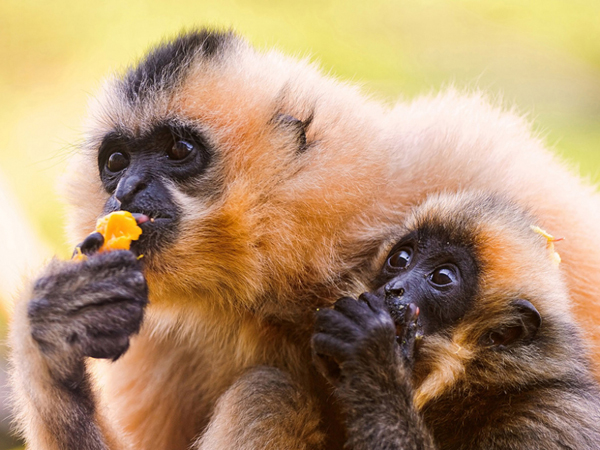
This cute and very rare primate lives in one place - on Hainan Island in the South China Sea, and there are only 25 of these gibbons in the world.
The flightless kakapo parrot
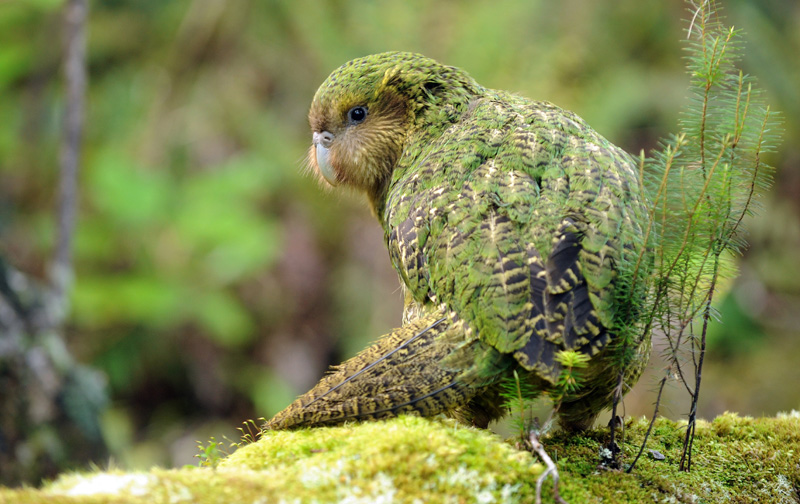
The only parrot in the world that has completely lost the ability to fly lives in New Zealand, the population of which is about 62 individuals.
Red wolf
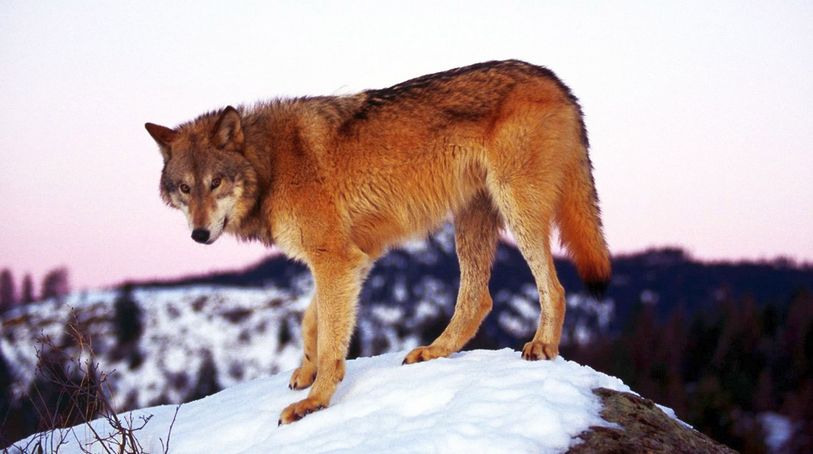
Red wolves were once among the dominant species in the eastern United States, but mass extermination has reduced their numbers to just 80 animals.
Florida cougar
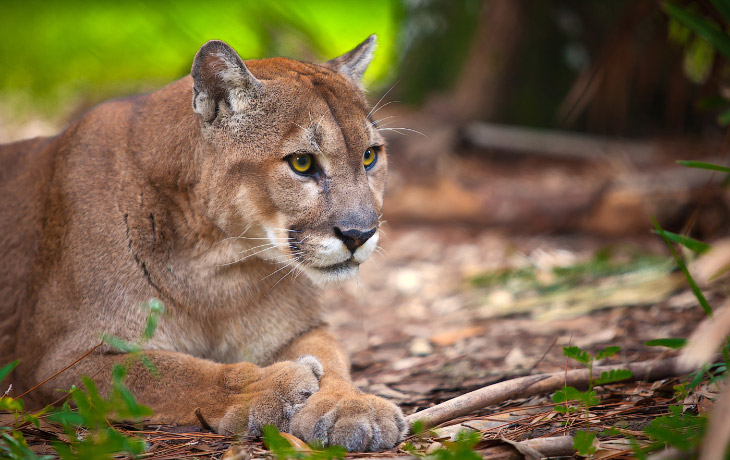
The rarest species of cougar, found only in the swamps and forests of South Florida, and due to drainage of swamps and sport hunting, no more than 100-150 animals remain in the wild.
Blue Macaw
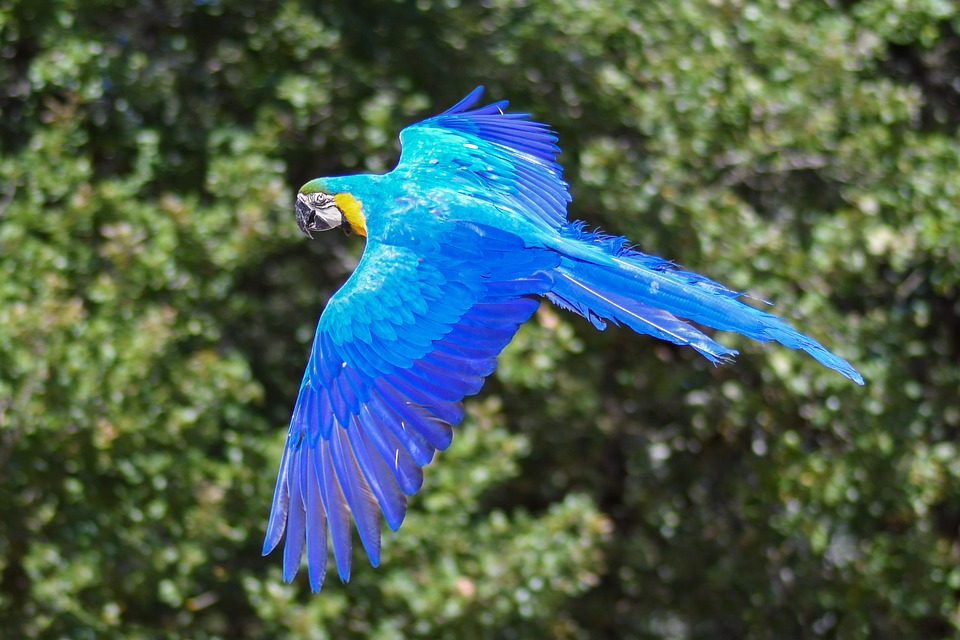
Blue macaws have completely disappeared from the wild, and today the remaining 105 birds live in private zoos and collections.
Queensland wombat
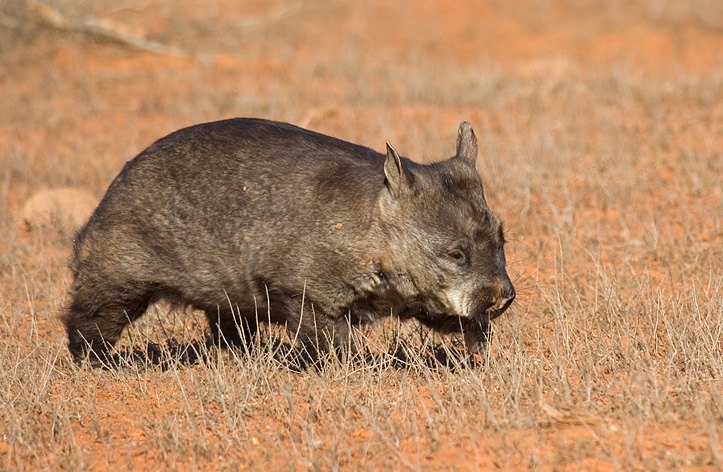
A population of 113 Queensland wombats live in a protected area in Queensland National Park, Australia.
Forest ibis
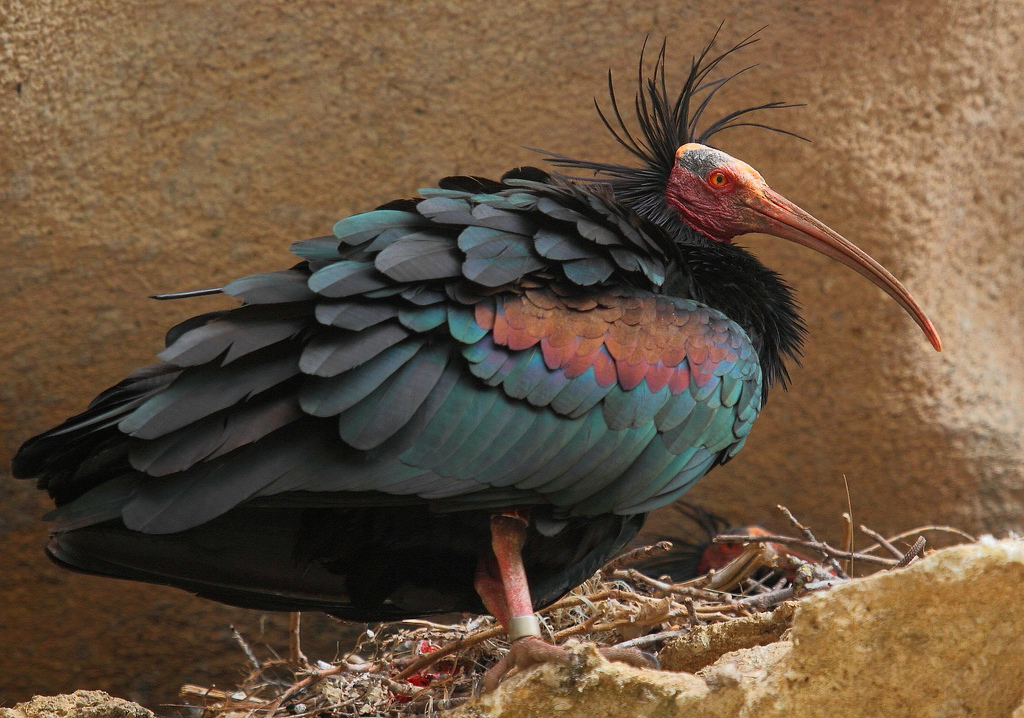
This amazing bird once lived in Morocco, Syria and Turkey, but today the population of forest ibises is limited to two hundred individuals.
Statistics show that more animal species disappear worldwide each year than scientists discover, but ecologists and environmentalists regularly develop programs to protect and restore rare populations, so there is hope that at least some of them will survive in the wild.