There are approximately 400 dog breeds in the world. 90% of their genome is the same. But there's another 10%. It's this 10% that makes a dog unique or even puts it on the brink of extinction. Rare dog breeds that could disappear forever.
American Hairless Terrier
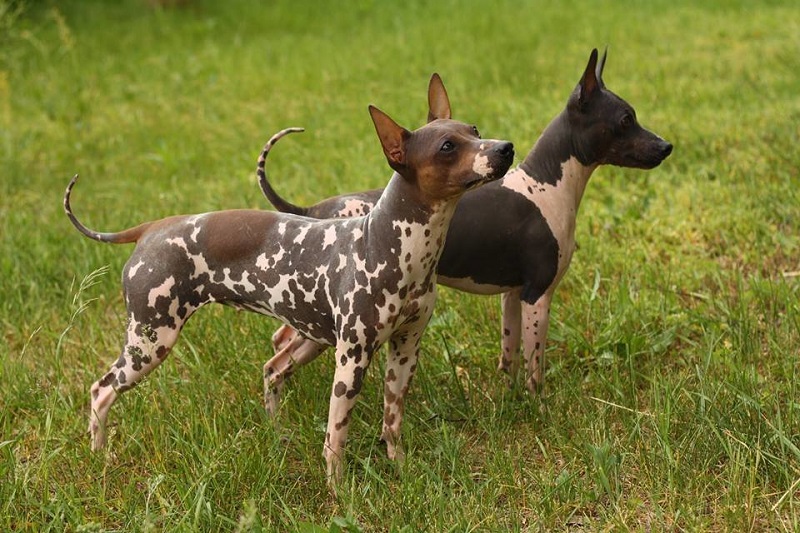
This unusual dog breed was developed in the United States in the 1970s. Its distinctive feature is its lack of hair. While these dogs do have a coat, it's very short—about 1 mm—and therefore practically invisible.
American Hairless Terriers can range in height from 20 to 45 cm. Their coats come in a variety of colors, including spots that become larger with age.
Hairless Terriers are fearless and have a well-developed hunting instinct, but due to the lack of hair, their skin is very sensitive and they cannot be hunters.
They have a friendly character, they get along well with other pets and are very devoted to their owner.
The American Hairless Terrier is the result of a genetic mutation. Due to their almost complete lack of hair, they require careful and constant grooming. There are currently only a little over 70 "American Hairless Terriers" left.
Chinook
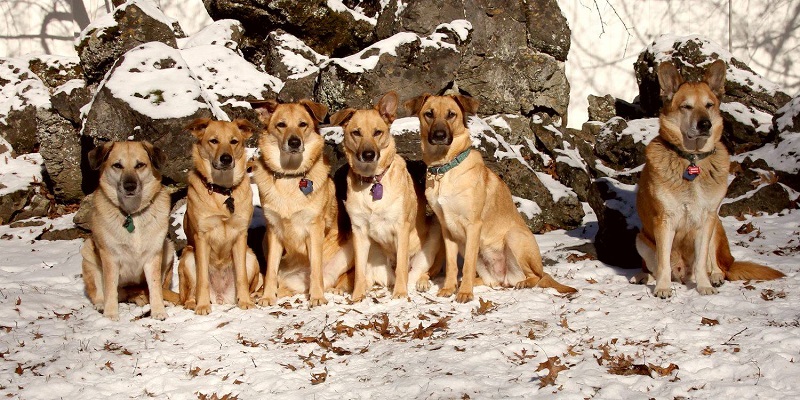
The breed was developed in the early 20th century in the United States. It was created by crossing Huskies, St. Bernards, and Eskimo Dogs. This hardy, sturdy breed was designed for sledding, hauling heavy loads over long distances.
Chinooks participated in long expeditions, where each dog carried up to 70 kg of cargo. They are well adapted to the harsh northern conditions and possess excellent working qualities.
Dogs of this breed are large, ranging in height from 53 to 69 cm and weighing up to 42 kg. They have an athletic build, well-developed muscles, and a strong chest.
The coat is medium-length, dense, with a soft undercoat, and ranges in color from light honey to orange-red. Chinooks are very calm, highly intelligent, and very energetic and kind.
In 1965, the Chinook was listed in the Guinness Book of World Records as the rarest dog breed in the world; at the time, the population numbered only 28. Today, the exact number of individuals is unknown, but their numbers are likely very small.
Norwegian Elkhound
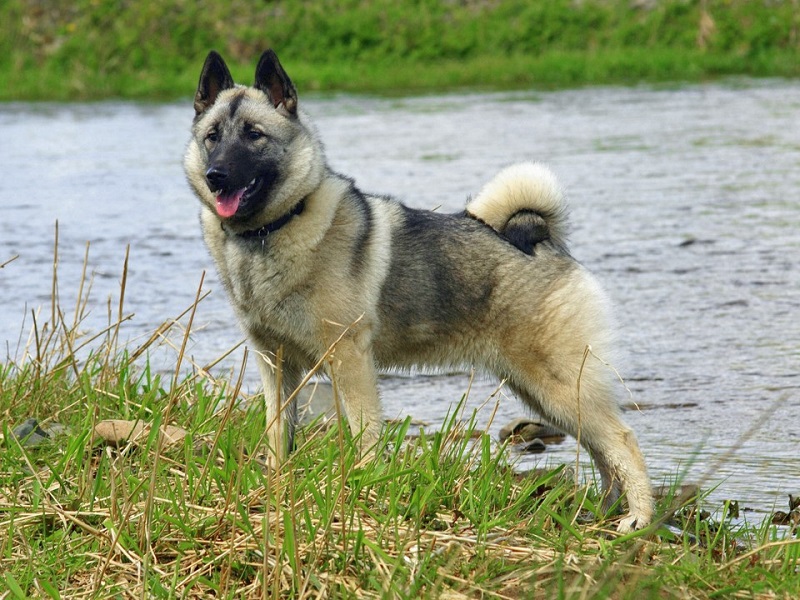
A national breed of Norway with a centuries-old history. Due to their excellent hunting abilities, these dogs were used for hunting large game.
Elkhounds are medium-sized, well-proportioned dogs, standing 50 cm tall and weighing approximately 20 kg. They have a short body with a straight back, neat, erect ears, and a curled tail carried over their back.
The distinctive feature of Norwegian Elkhounds is their thick, fluffy coat, which comes in various shades of grey and is black at the tips.
This typical northern breed is capable of surviving independently in harsh conditions. These dogs are very intelligent and smart. They have a friendly nature, form strong bonds with their families, and are boundlessly devoted to their owners. They also make excellent watchdogs.
The number of dogs of this breed worldwide is only about 4,000 individuals.
Stabychon
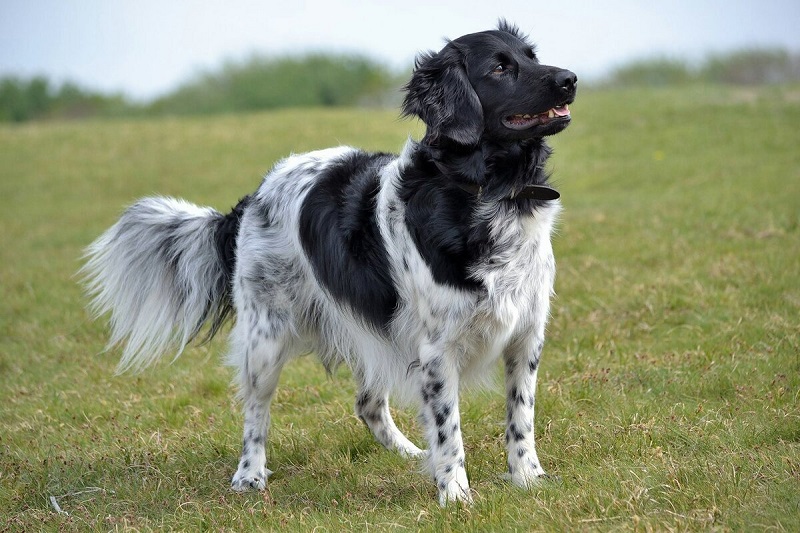
A Dutch hunting dog that is rarely seen outside the Netherlands and is considered a national treasure.
They were taken for hunting, as these dogs have a keen sense of smell, have a strong stance, are very hardy and strong.
They reach a height of 50-53 cm and weigh around 23 kg. They have a strong body, a broad chest, a long, straight back, and a tucked-up belly.
The coat of the Stabychons is very thick, smooth and lies close to the body, the color is white with black, orange or chocolate.
They have a calm, even temperament. They get along with children and all family members, but are wary of strangers and are always ready to defend their territory.
Today, there are only 3,500 stabychoids left.
Hungarian Muddies
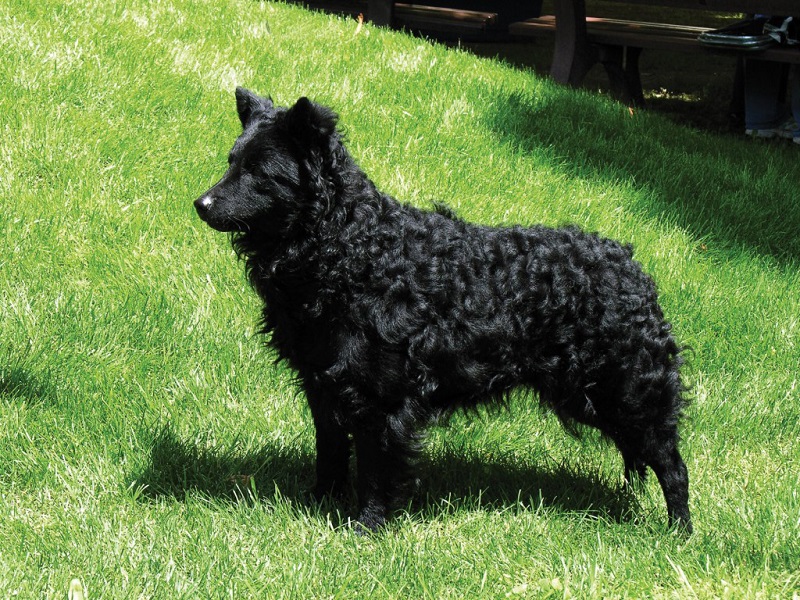
The Hungarian herding dog is one of the oldest canine breeds. After World War II, this breed was nearly exterminated, but by the 1960s, its population had been restored.
Hungarian Mudis are small dogs, standing 40-45 cm at the withers and weighing approximately 10 kg. They have a strong, muscular build with a straight back that slopes gently toward the tail. Their coat is thick and wavy, and comes in a variety of shades.
These dogs are very energetic, easy to train, very friendly, and obedient. There are approximately 2,000 dogs of this breed.
Norwegian Lundehund
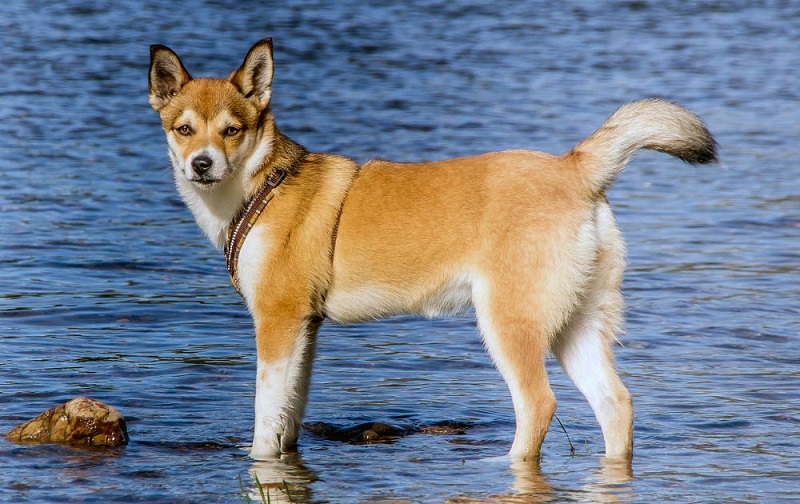
A rare, ancient Norwegian breed with a unique anatomical structure that allows it to climb rocks and caves.
These dogs were used to catch puffins, Atlantic birds with tasty meat and soft down. They nest on cliffs and dig burrows, making them very difficult to catch, but the Norwegian Lundehund excelled at this task.
The dog is small, standing approximately 36 cm tall and weighing 7 kg. It can spread its legs 90 degrees, turn its head back 180 degrees, and touch its nose to its back. It has six toes on its front paw and seven on its back paw.
These abilities allow Lundehunds to be climbers and reach the nesting sites of dead ends, and thanks to their incomplete number of teeth, they can lay eggs without damaging them.
The number of breed individuals is approximately 2000. Most of the animals live in Norway.
Otterhound
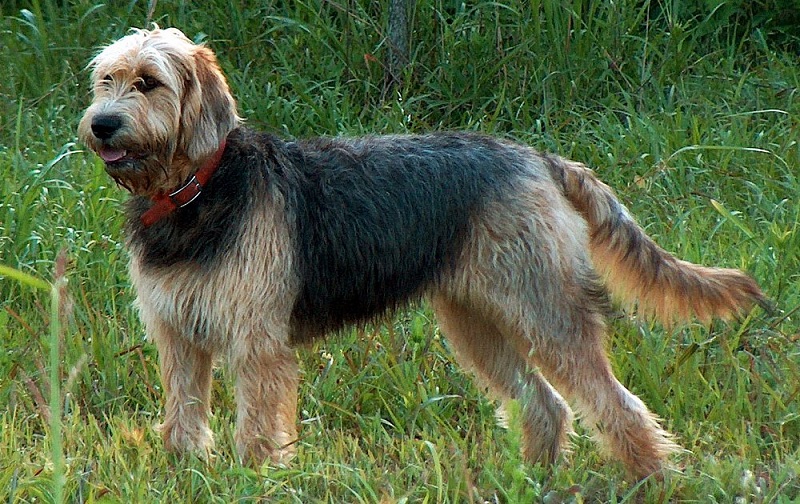
A hunting dog used in the 12th and 13th centuries in Britain to hunt otters. These dogs possess a keen sense of smell and can hunt in and even underwater. Their speed and agility allowed them to catch the elusive otters.
A distinctive feature of these dogs is their webbed paws, which allow them to hunt in water. Upon seeing bubbles on the surface of a body of water, an Otterhound will inevitably leap into the water.
The average height of these dogs is 65 cm and weight 45 kg. They have a strong, sturdy body, long muscular legs, and a robust frame. There are currently approximately 1,000 of these animals in the world.
San Miguel Shepherd Dog
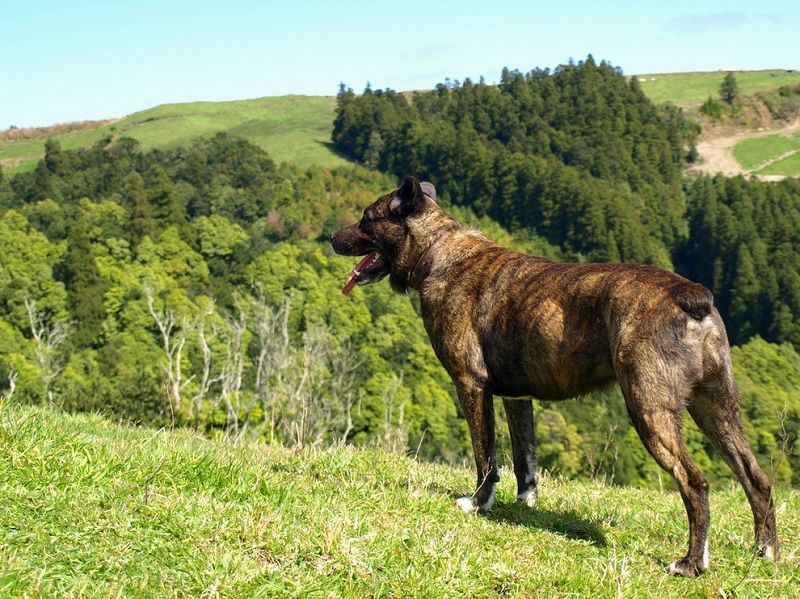
Dogs of this Portuguese breed helped herd flocks, guarding and protecting livestock. These strong and large dogs—reaching 60 cm in height—are highly intelligent.
They are able to distinguish animals from "their" herd from others. They can bite cows' legs to avoid leaving marks on their hides, and, while protecting the herd, engage in combat with predators.
San Miguel Shepherds have a robust build, strong limbs, and a square head with a wide muzzle. Their coat is short and dense. They have a strong character. They are independent, devoted to their owners, and merciless to intruders.
About 80 representatives of this breed live in their native Azores Islands. They are found nowhere else in the world.